












A contactor, also known as a magnetic starter or motor starter contactor, is a special type of relay used to switch an electrical circuit on or off. Contactors are widely used with electric motors and lighting applications.
The purpose of using a contactor is to increase isolation from the high-current electricity associated with those applications, thereby protecting workers and equipment.
What Is a Contactor
A contactor is an electrical device used to switch an electrical circuit on or off, commonly used to control pumps. It is considered a special type of relay. However, the fundamental difference between a relay and a contactor is that a contactor is used in applications capable of carrying higher current, while a relay is used for lower-current applications.
A contactor has multiple contacts. These contacts in most cases are normally open and supply operating power to the load when the contactor coil is energized.

There are many different types of contactors, each with its own features, capabilities, and applications. Contactors can interrupt current from a few amperes to thousands of amperes, and voltages from 24 VDC to thousands of volts. In addition, these electrical devices come in a wide range of sizes, from small handheld sizes to units measured in meters.
The common application area for contactors is high-load current. Contactors are known for their ability to handle currents above 5,000 amperes and high power levels above 100 kW.
IEC-standard contactors follow the global standard. They are typically smaller and available in many sizes, while NEMA-standard contactors are generally larger and designed with safety factors that exceed the design rating by up to 25%.
Construction of a Magnetic Starter Contactor
The components that make up a contactor are all important, and they include:
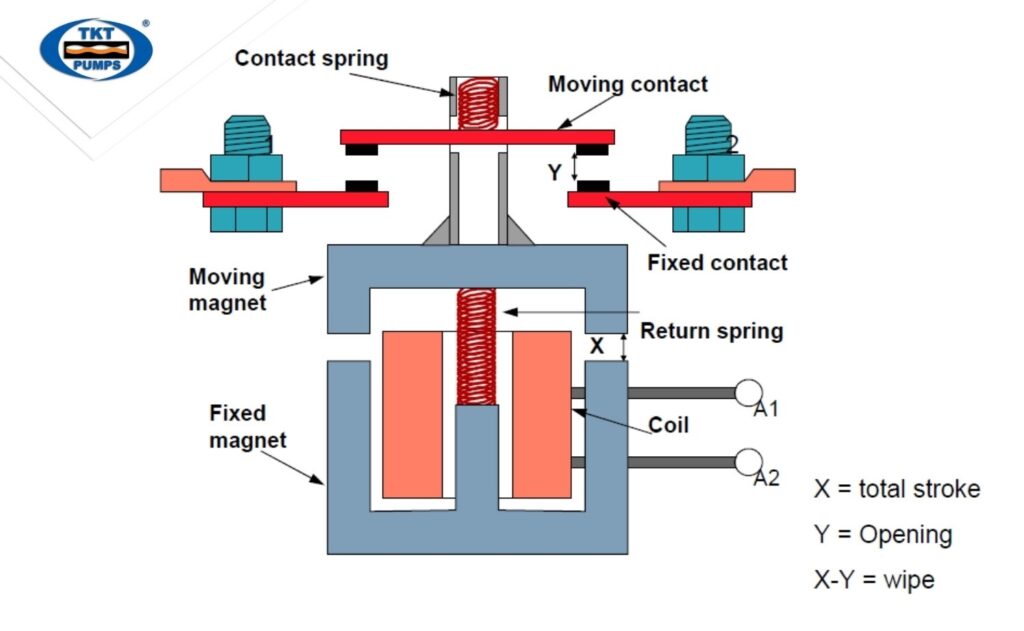
Coil or Electromagnet
This is the most important component of a contactor. It is the component that generates the force needed to close the internal contacts. The coil or electromagnet and the contacts are protected by an enclosure.
Enclosure
Just like the enclosure used in any other device, the contactor enclosure also provides insulation and protection against accidental contact with the contacts.
The protective enclosure is made from various materials, such as polycarbonate, polyester, Nylon 6, Bakelite, thermosetting plastics, and others. In general, a magnetic starter has an enclosure that protects the device from adverse weather, fire and explosion hazards, dust, and oil.

Contacts
This is another important component of this electrical device. The current-carrying function of the contactor is performed by the contacts. There are several types of contacts in a magnetic starter contactor, namely:
-
- Spring contacts
- Auxiliary contacts
- Power contacts
Each type of contact has its own role in the operation of the magnetic starter contactor.
Working Principle of a Contactor
The working principle of a basic magnetic starter contactor can be described as follows: Current flowing through the contactor energizes the electromagnet. The energized electromagnet generates a magnetic field, causing the contactor core to move the armature. The normally closed (NC) contact closes the circuit between the fixed contacts and the moving contacts. This allows current to flow through these contacts to the load. When current is removed, the coil is de-energized and opens the circuit. The contact points of a contactor have the advantage of fast opening and closing capability.

Classification of Magnetic Starter Contactors
Magnetic starter contactors are classified in various ways, for example:
-
- Classification by voltage, such as: single-phase contactor, 3-phase contactor
- Classification by supply current
- By construction
- By application
- By working principle
- By coil type…
Historically, however, contactors have been broadly grouped into 3 main types:
Knife Switch
The knife switch was used as early as the late 1800s. It is probably the first contactor used to control (start or stop) an electric motor. The switch consists of a metal strip that falls onto a contact point. This switch has a lever to pull the switch down or push it up. At the time, operators had to manually position the knife switch into the closed position by standing next to it.
However, there was a problem with this switching method. This method caused the contacts to wear out quickly, making it very difficult to open and close the switch manually fast enough to avoid arc discharge. As a result, the soft copper contacts corroded, making them susceptible to moisture and dirt.

Over the years, as motor sizes increased, the current requirements to operate them also grew. This created a potential physical hazard when operating such high-current switching devices, leading to serious safety concerns. Although some mechanical improvements were made, the knife switch could not develop fully due to the associated issues, dangerous operational risks, and the short service life of the contacts.
Manual Controller
Because the knife switch became hazardous to use, engineers developed another contactor device that added several features missing from the knife switch. This device is called a manual controller. These features include:
-
- Safe to operate
- Non-contact device, properly enclosed
- Smaller physical size
- Single-break contacts replaced with double-break contacts
The switch or button of the manual controller is not operated remotely and is physically mounted on the controller.
The power circuit is activated after the operator activates the manual controller. Once activated, it delivers power to the load. Before long, manual contactors completely replaced knife switches, and even today various variants of these types of contactors are still in use.
Electromagnetic Contactor
The magnetic contactor requires no human intervention and operates electromechanically. This is an advanced contactor design that can be operated remotely. As a result, it eliminates the risks associated with manual operation and removes the potential hazards to operating personnel.

Only a small control current is required for the magnetic coil to operate in order to open or close the circuit. This is the type of contactor commonly used in industrial control applications.
How to Select a Magnetic Starter Contactor
To correctly select a magnetic contactor, one should consider the utilization categories, the supply voltage, and then the electrical requirements of the load. Check the datasheet and nameplate of both the contactor and the load. In summary, there are 3 steps to choosing the right contactor for your motor application:
Step 1: Gather the relevant information from your motor nameplate
The electrical attributes you will need are:
-
- Motor voltage
- Power
- Current
Step 2: Find the appropriate manufacturer’s datasheet and selection guide for the load type
Finding the correct manufacturer’s catalog and datasheet is essential. The example below is a Mitsubishi Electric contactor.

The value shown in square brackets indicates the rated current displayed on the product nameplate at which the AC-3 make/break durability is 2,000,000 operations.
Step 3: Make the selection
Assuming a supply voltage of 400VAC at 50Hz, for a 30 kW motor operating at 55A; the Mitsubishi S-T65 is the correct choice.

The Mitsubishi Electric S-T65 magnetic contactor can be used for a 30 kW motor in AC-3 category; it can withstand currents up to 65A, which is higher than the motor’s operating current of 55A.
Contactor Applications
Contactors are commonly known for switching electrical circuits on and off. They are widely used in applications such as:
Lighting Control
Contactors are commonly used for central control of large lighting systems, such as those in office buildings or shopping centers.
Electric Motor Starter for Industrial Pumps
A contactor can be used as a magnetic motor starter. A motor starter is a device designed to supply power to an electric motor. It incorporates a magnetic starter contactor as an essential component while also providing short-circuit protection, undervoltage protection, and overload protection.
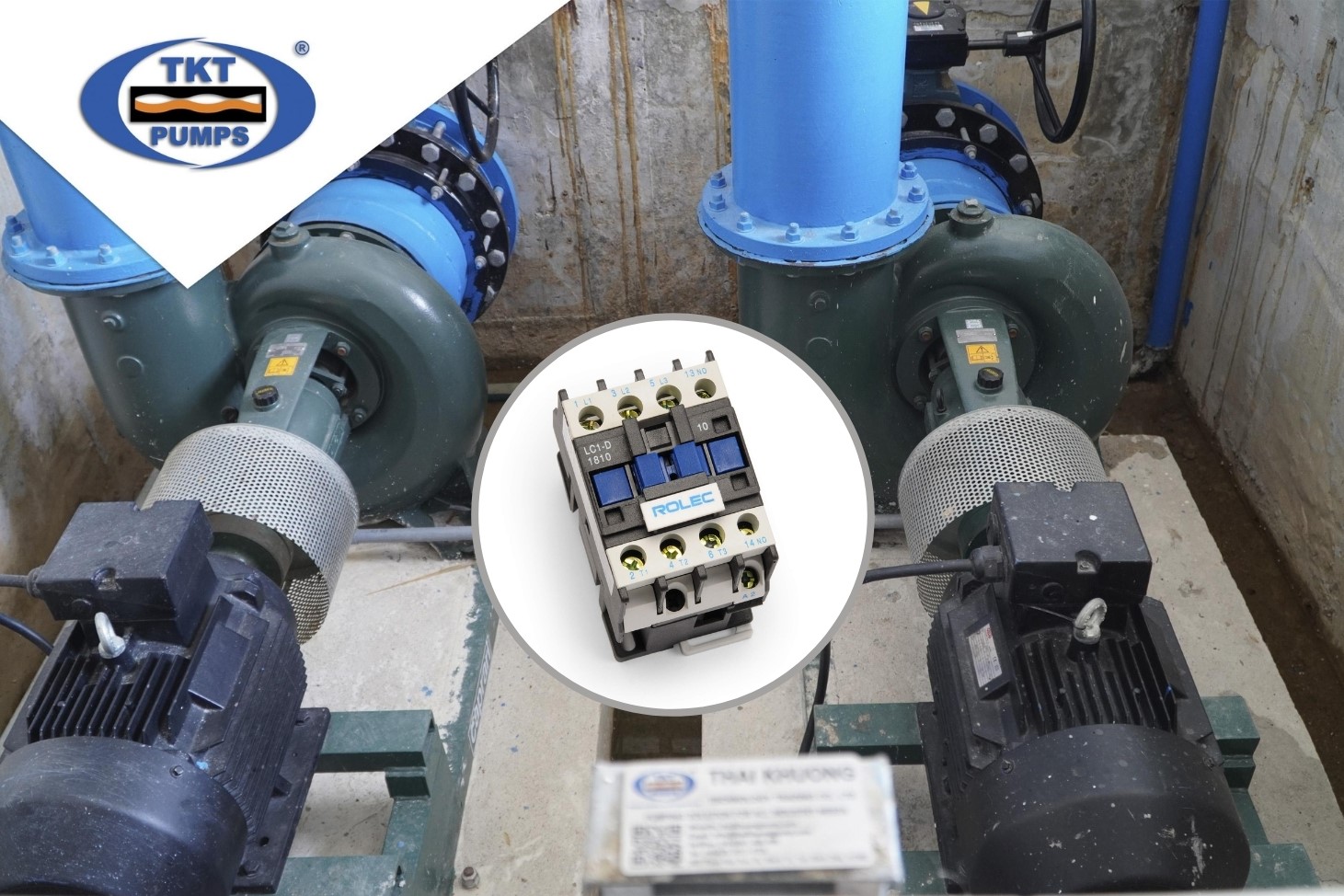
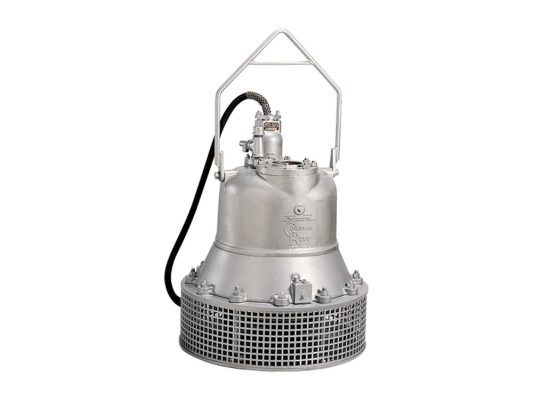
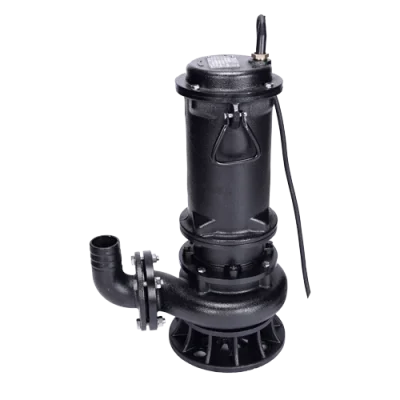
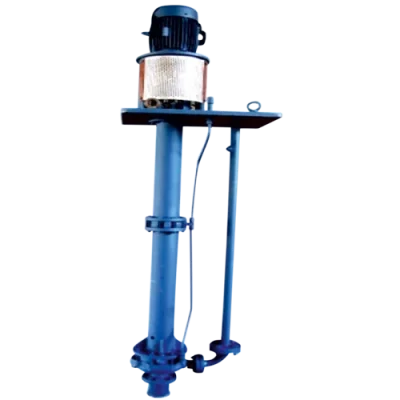
Examples include: magnetic starter contactors used to control wastewater treatment pump systems, sump submersible pumps, and pumps in the mining industry.
Contactor for Power Factor Correction Capacitor Control
Switching power factor correction capacitors in and out of the power grid. The purpose is to compensate for reactive power consumed from the grid by electric motors running in the system.
This article introduces an essential device in a pump system — the contactor. Do you need advice on solutions or selecting a pump for industrial fluid pumping applications? Contact Thái Khương today!