













The submersible sludge pump was first invented in 1928 by Armais Arutunoff. He was an engineer working in the Armenian oil and gas supply and transportation chain. At that time, the device was called the submersible oil pump and was used exclusively in the oil and gas industry.
Then in 1929, pump manufacturer Pleuger designed and improved this pump line. The pump was integrated with a sealed motor, completely airtight, allowing the entire device to be installed submerged in liquid. This was a groundbreaking design at the time, helping to minimize the risk of cavitation during pump operation.
What is a submersible sludge pump?
Why is it called a submersible sludge pump rather than simply a sludge pump?
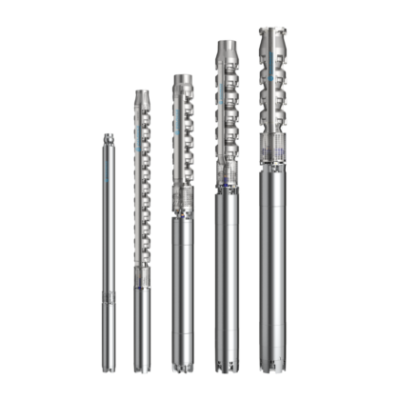
Submersible pumps capable of handling sludge, or pumps installed submerged under sludge (submersible pumps), function exactly as their name suggests. The pump is specifically designed for deep submerged installation. It can be fully submerged and draw fluid from beneath sludge, wells, tanks, reservoirs, or any application environment that requires treatment…
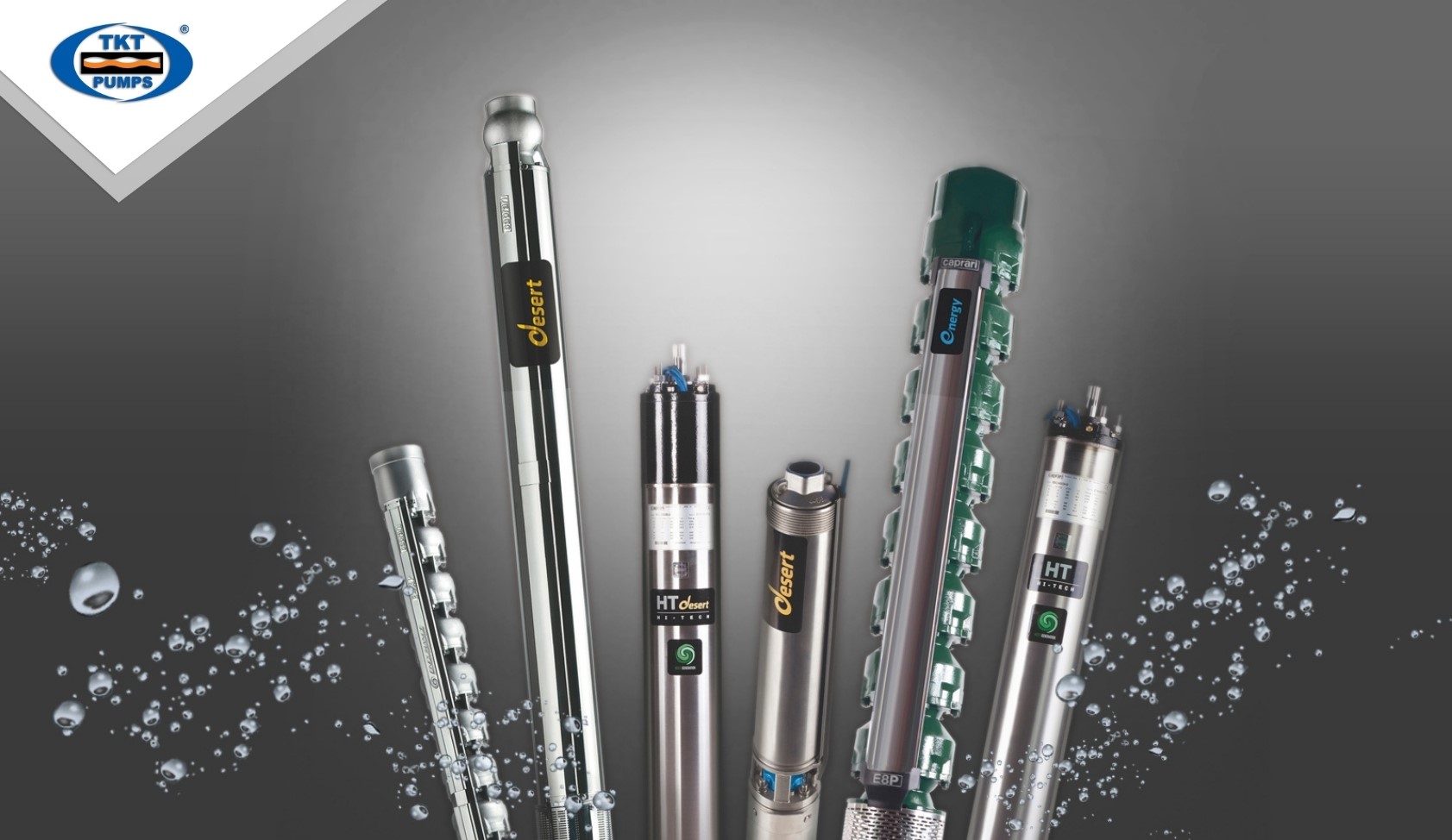
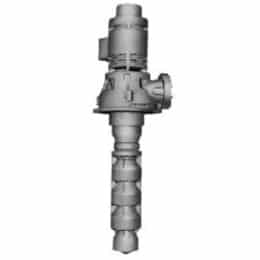
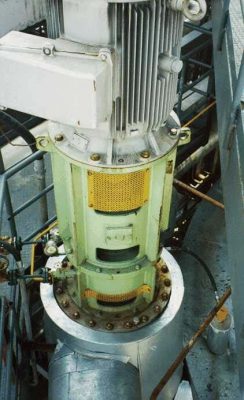
The pump comes in two versions: single-stage impeller and multi-stage impeller (multi-stage being the more common variant). In addition, there is another variant called the vertical immersible pump (immersible pumps), where only part of the pump body is submerged, with the motor mounted on a pedestal above the liquid.
The identifying characteristic of a submersible sludge pump is that the motor is rigidly attached to the pump body and installed within oil-filled chambers, isolated from all types of pumped liquid or any liquid in contact from the external environment.
Working Principle of Submersible Sludge Pumps
The submersible sludge pump operates by pushing the liquid flow outward. This is a highly efficient working principle because the pump utilizes the pressure of the surrounding submerged liquid to operate. Therefore, the device does not need to expend energy to draw liquid into the machine. At the same time, the pump also uses the surrounding liquid environment to cool its own motor, preventing overheating.
In addition, there are electric submersible pumps widely used in the oil and gas sector. The motors of electric submersible pumps can operate under high temperature and pressure. Using electric submersible pumps is a cost-effective solution for lifting large volumes of liquid from deep wells, but it requires high-quality cable connections for the pump. The energy consumption of the machine is also very high.

Classification of Submersible Sludge Pumps
What types of submersible sludge pumps are available, and which line is most suitable?
Bottom-inlet submersible pump
Bottom-inlet submersible pumps are widely used in water and sludge pumping applications. Specifically installed in ponds, lakes, and rivers. The pump features a bottom inlet port with high-head characteristics. This pump uses the water source to cool its electric motor system.
Stainless steel submersible sludge pump
The pump is made entirely from stainless steel material. Generally speaking, it offers higher durability than cast iron material and greater resistance to acid corrosion.
Borehole submersible pump
This is a widely used pump line that can be installed in urban boreholes. The pump body is integrally constructed with the motor for use submerged in water, sludge…

Characteristics of Submersible Sludge Pumps
Submersible pumps have several notable characteristics compared to other pump types, as follows:
No manual priming required
The pump does not require manual priming by the user. This is a self-priming pump because the device operates below the surface of the liquid being pumped.
Cavitation resistance
Because the pump is fully submerged, cavitation is very unlikely to occur. While centrifugal pumps and positive displacement pumps are prone to cavitation if not operated correctly.
Read more about: Pump cavitation phenomenon
Operating efficiency
The operating principle of a submersible pump is to use the liquid pressure at the suction port to draw liquid inward. Therefore, most of the machine’s energy is used to push the liquid outward, resulting in very high efficiency in liquid transportation.
Pump submerged deep in sludge for operationNoise
The pump is fully submerged in sludge and water. Therefore it produces almost no noise, or very little noise. The surrounding liquid environment itself serves as an effective sound insulation medium.
However, the pump also has some limitations as follows:
Difficult maintenance and repair
Maintenance and repair of submersible sludge pumps is not straightforward, especially when the pump is installed in wells or deep tanks. Therefore, accessing a submersible pump is more difficult compared to surface-mounted pumps.
In many cases, users may allow the pump to operate until the end of its service life, then replace it with a new unit to minimize repair costs. However, it is better to inspect the pump regularly when possible. Because it is very difficult to assess the condition of the pump when it is fully submerged in liquid or sludge.

Wear
Any pump that is in prolonged contact with a particular liquid will experience wear over time. Submersible sludge pumps are no exception. The component most at risk of damage due to wear is the pump seal. When the seal corrodes, it leads to leakage and quickly damages the motor.
To minimize wear, users should opt for submersible pumps made from non-corroding, high-corrosion-resistant materials. Although this type of submersible sludge pump is more expensive than pumps of equivalent power output, it ensures durability for long-term use.
Applications of Submersible Sludge Pumps
Submersible pumps offer reliable operating performance and can function well under many harsh conditions. Most submersible pump lines currently on the market are made of cast iron at a reasonable price, with a robust design and epoxy corrosion-resistant coating.
Main operating applications of submersible sludge pumps:
Wastewater treatment
This can be considered the primary operating field for submersible pumps. Thanks to their compact size, easy installation, and high corrosion resistance, and because the pump impeller can handle liquids containing solid particles — minimizing blockages during pumping — they are installed extensively in treatment systems, lifting stations, and wastewater pumping stations…
Using submersible sludge pumps in wastewater treatmentSeptic tank and pit pumping
Submersible pumps are commonly used to push liquid from a specific area at moderate depth. This includes ponds, waste pits, or pumping water from a building after flooding.
Dredging and sludge pumping
Pumps used in dredging are typically deployed at docks, ports, and dikes. The submersible pump must have a specialized design to handle and draw in sludge and liquids with high solids content.
Boreholes and wells
Using submersible pumps to lift and push water to the surface. Similar in principle to lifting oil from deep wells.
Mining
Has a specialized design compared to other industrial fields, because liquid from mineral mines has very high acidity and contains suspended solid particles.
Installing submersible pumps in mining applicationsMarine applications
Submersible pumps can be installed on ships and barges to pump and drain water when a vessel is flooded.
In addition, pumps are also used in irrigation, domestic water supply, and dewatering. Used in swimming pools, factories, and more.
How to Select a Submersible Sludge Pump
Submersible sludge pumps are highly versatile in terms of application, power, flow rate, and energy consumption. With the ability to pump many types of liquids with moderate viscosity, the interchangeability of submersible pumps is higher than that of other pump types.
Therefore, technical specifications should be used as the basis for selecting the appropriate submersible pump.
- First, understand the characteristics of the application where the pump will be installed.
- Then determine the flow rate from the pump’s discharge port.
- The pump’s pressure and head can be used to determine the maximum flow rate, and from there select the appropriate equipment.
We hope the information shared above helps you better understand the classification and functions of submersible sludge pumps.
Thái Khương currently supplies submersible sludge pump lines from the Caprari brand, manufactured in Italy, meeting EU and G7 quality standards. Customers in need of consultation or product pricing information for submersible sludge pumps are welcome to contact us.
Thái Khương Pumps is always ready to listen and support you.