









Industrial chemical pumps — select correctly by chemical, material & application
No single pump suits every chemical. Select based on the three-factor combination chemical × operating conditions × safety requirements. This page consolidates a pump type selection matrix, a material compatibility table (PP/PVDF/PTFE/inox 316) and frequently asked questions to help you finalize the correct configuration for acids, alkalis, and solvents.

The Vietnamese pump market is estimated to reach ~USD 789 million (2023) and is forecast to reach ~USD 1.59 billion by 2032 (CAGR ~8.1%) — demand is growing primarily due to tightening environmental compliance and explosion safety requirements, not just new plant construction. (source: GMI Research, 2024)
What is a chemical pump and how do you choose the right type?
A chemical pump is not a single product but a group of specialized pumps for safely conveying acids, alkalis, solvents and corrosive chemicals. The "right pump" depends simultaneously on the chemical type, operating conditions (flow rate, temperature, solid particles, dry running) and the safety level required (leak-tight, explosion-proof).
Quick selection rules: need leak-tight, zero leakage → magnetic drive pump (mag-drive); need flexibility, self-priming, dry-run capability → AODD diaphragm pump; high flow rate, corrosive → plastic-lined centrifugal pump; precise metering → metering pump. The table below maps real-world requirements to the appropriate pump type.
| Requirement / fluid | Recommended pump type | Why | Go to |
|---|---|---|---|
| Acid / alkali / solvent — leak-tight, zero-leakage required | Magnetic drive pump (mag-drive, sealless) | Eliminates mechanical seal = eliminates leak point. Not compatible with solid particles or dry running. | Mag-drive |
| Corrosive + self-priming / dry running / moderate flow rate | Pneumatic Diaphragm Pump (AODD) | Safe dry running, suction ~6 m, suitable for hazardous areas. Air consumption ~3× that of electric pumps. | AODD |
| Solid particles / abrasive / very high viscosity | AODD or screw pump / PCP | No impeller to wear; PCP for latex, shear-sensitive slurries. | Screw |
| High flow rate, moderate pressure, corrosive | Plastic-body centrifugal pump (PP/PVDF) | Plastic body resists chemicals; good electrical efficiency for high flow rates. | Affetti |
| Precise metering (PAC / polymer / chlorine / pH) | Metering Pump | Small, accurate, adjustable dosing — for chemical preparation & wastewater treatment. | Metering |
| Suction / transfer from drums & IBC | Drum Pumps | Long PP / PVDF / stainless steel dip tube for cans, drums, IBC tanks. | Drum |
| Flammable solvents / hazardous areas | ATEX configuration (mag-drive / AODD / SS316 + explosion-proof motor) | Meets explosion-proof requirements per ATEX / IECEx for solvents, paints, petroleum products. | ATEX configuration |
| Ultra-pure / semiconductor / HF | Fluoropolymer PTFE / PFA sealless | Chemically inert, does not contaminate ultra-pure fluids. | Affetti |
Selecting pump body material by chemical
Wrong material is a common cause of chemical pump failure. The table below ranks the compatibility of the four common pump body material groups (PP, PVDF, PTFE/PFA, inox 316) with representative industrial chemicals — use as a guideline; confirm against actual concentration and temperature.
| Chemical | PP | PVDF | PTFE/PFA | 316 stainless steel | Note |
|---|---|---|---|---|---|
| Dilute H₂SO₄ (10–75%) | A | A | A | D | >75% concentrated → PVDF mandatory |
| HCl 20% | A | A | A | D | Chlorides pit-corrode stainless steel |
| HF (axit flohydric) | C | A | A | D | PVDF / PTFE only — extremely hazardous |
| HNO₃ 20% | A | A | A | A | Stainless steel resistant to dilute nitric acid |
| NaOH (caustic soda) 20–50% | A | B | A | B | PP preferred for alkalis |
| NaOCl (javen / Clo) | C | A | A | — | PVDF is the standard choice |
| FeCl₃ (ferric chloride) | A | A | A | D | Chloride is incompatible with stainless steel |
| Acetone (ceton) | A | D | A | A | PVDF is incompatible with acetone → use PP / PTFE |
| Toluene / Xylene (aromatic solvents) | C | A | A | A | PP is incompatible with aromatic solvents → PVDF / PTFE |
PP and PVDF are complementary opposites. PP is resistant to alkalis, dilute acids and acetone but incompatible with aromatic solvents (toluene, xylene); PVDF is resistant to concentrated acids, aromatic solvents and NaOCl but incompatible with acetone and hot alkalis. PTFE/PFA is inert with most chemicals but at higher cost. When the chemical formula is uncertain, have a TKT engineer confirm the material before finalizing the configuration.
Strengths: alkalis, dilute acids, acetone · Avoid: aromatic solvents
Strengths: concentrated acids, solvents, NaOCl · Avoid: acetone, hot alkalis
Inert with most chemicals · higher cost
Strengths: nitric acid, moderate alkalis · Avoid: clorua (HCl/HF/FeCl₃)
Gasket / diaphragm material (elastomer)
- EPDM: resistant to acids, alkalis and ketones — incompatible with aromatic solvents and mineral oils.
- FKM / Viton: resistant to solvents and oils — incompatible with ketones and hot alkalis.
- PTFE: inert with most chemicals — choose when compatibility is uncertain.
- Bearings / wear-resistant: Ceramic or SiC for fluids with abrasive particles.
Three key questions for quick selection
- What chemical, what concentration & temperature? → select casing and gasket material from the table above.
- Is leak-free sealing or an explosive atmosphere required? → mag-drive or ATEX configuration.
- Flow rate, head, solids content — is dry running required? → AODD, plastic-lined centrifugal or metering pump.
- Exact model match for each operating point — contact for datasheet
Six common chemical pump types
Each pump type has specific strengths based on chemical and operating conditions. Select quickly from the matrix above, then explore each product page to view model range, materials and specifications.
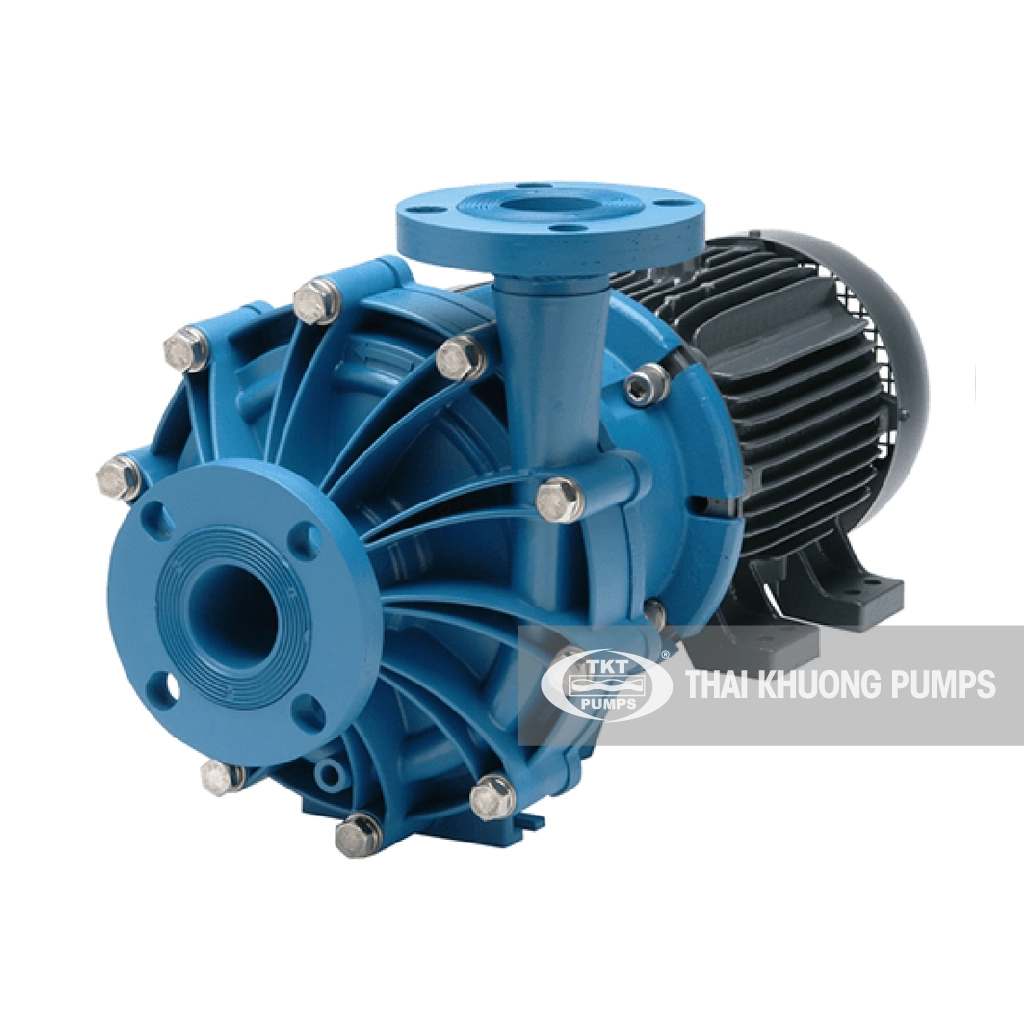
Power transmitted through a magnetic coupling eliminates the mechanical seal, removing leak points — suitable for acids, alkalis and solvents requiring high containment. Note: requires clean fluid; incompatible with solids and dry running.
View magnetic drive pumps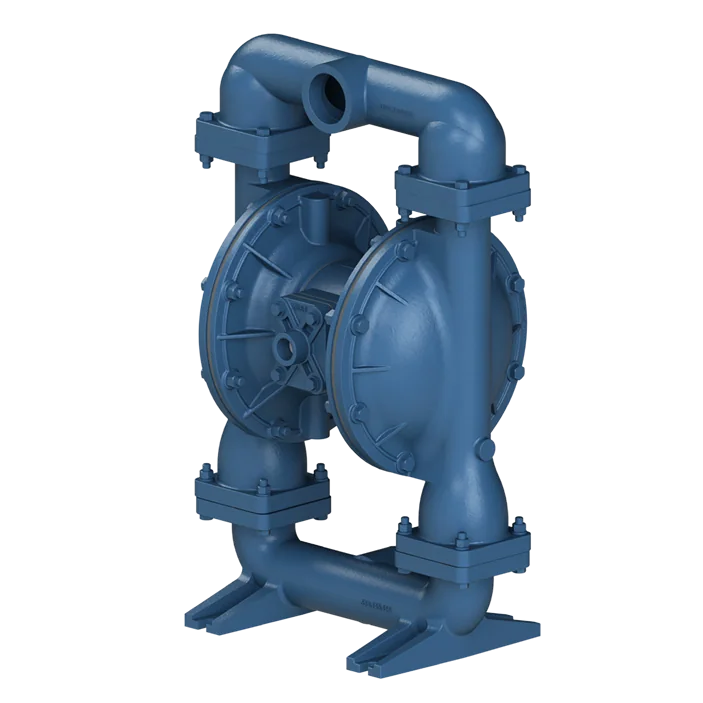
Pneumatically driven with no electric motor in contact with the fluid — safe dry running, self-priming, handles solids and suitable for explosive atmospheres. Note: compressed air consumption is higher than electric pumps.
View AODD diaphragm pumps
PP/PVDF plastic-casing centrifugal pump (Affetti) for acids, alkalis and solvents at high flow rates with good electrical efficiency — an economical choice for large-scale corrosive chemical handling.
View Affetti plastic-casing centrifugal pumps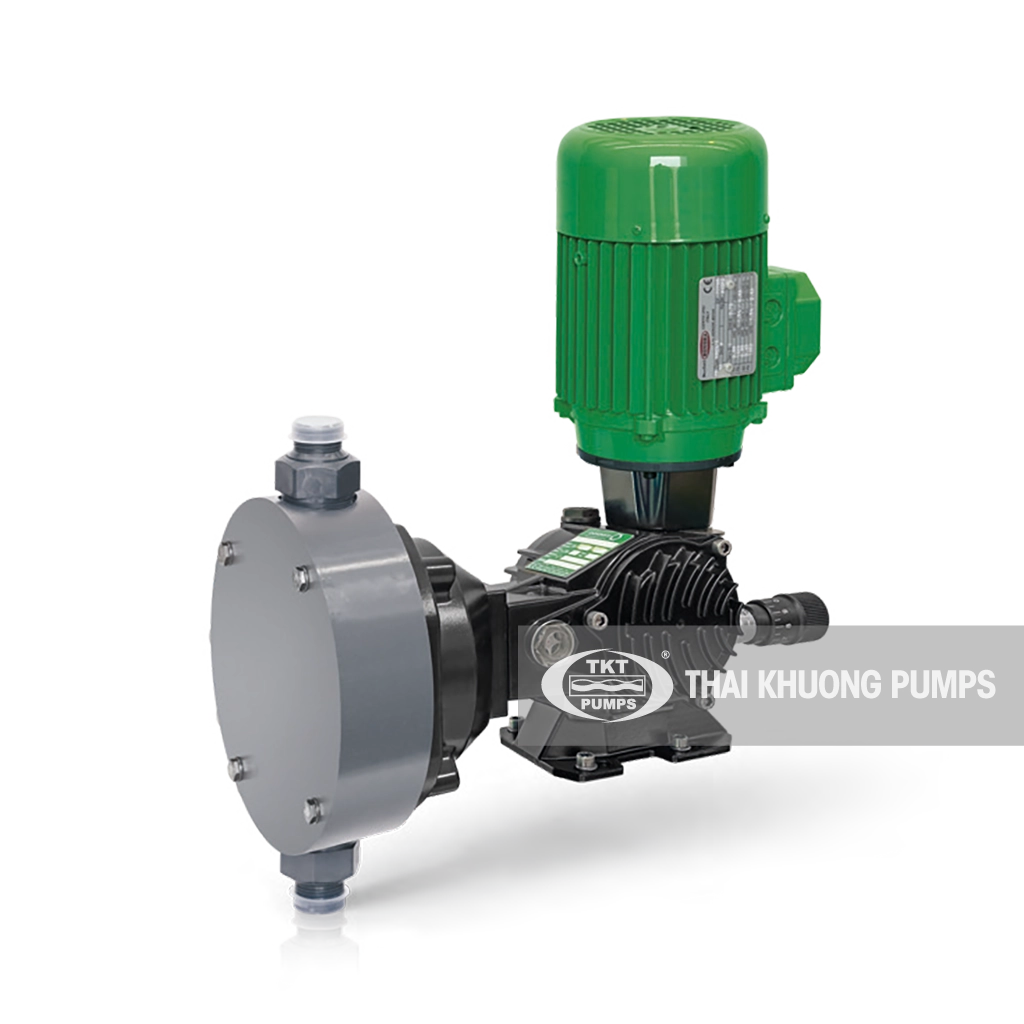
Diaphragm/piston/solenoid pumps deliver precise, adjustable micro-dosing — standard for dosing PAC, polymer, Chlorine and pH adjustment in wastewater treatment and chemical blending.
View metering pumps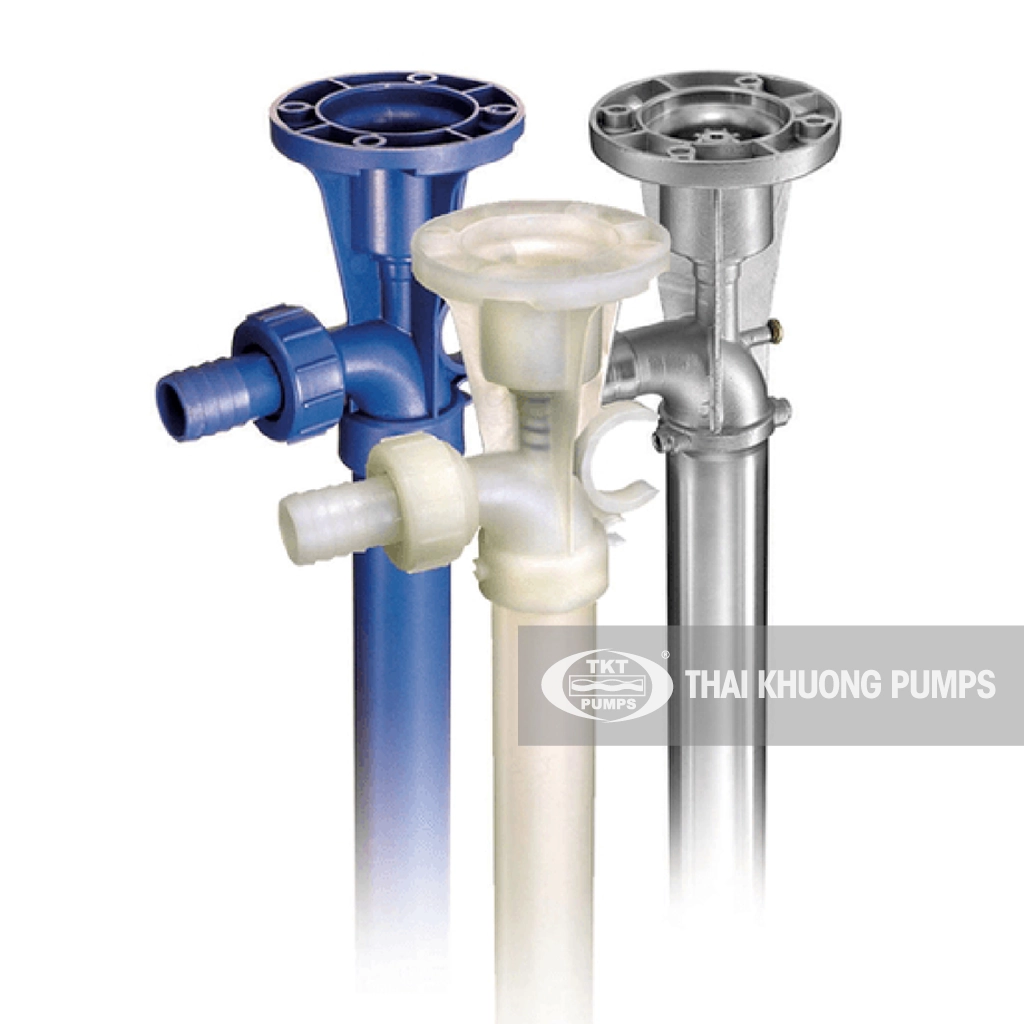
Long-tube immersion pump in PP/PVDF/stainless steel for transferring and dispensing chemicals from canisters, drums and IBC tanks — compact, safe and quick to switch fluids.
View drum pumps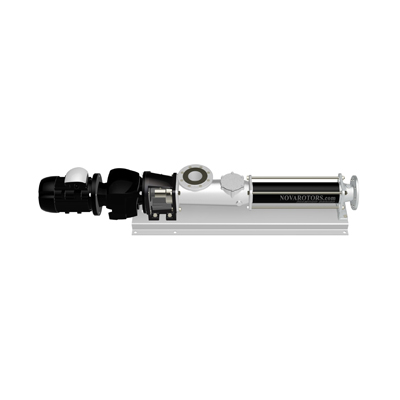
Positive displacement pump for high-viscosity fluids, latex, slurry and shear-sensitive chemicals — smooth flow, stable flow rate, minimal structural degradation of the fluid.
View screw pumpsChemical pumps by manufacturing industry
Each industry has its own chemicals, fluids and compliance requirements. Select your industry to view suitable pump solutions; industries without a dedicated page are still served by TKT — contact us for consultation.
Brands distributed by TKT for chemical applications
TKT distributes genuine chemical pump brands from EU/G7 markets, with CO/CQ documentation and warranty. Each brand serves a different application group — from plastic mag-drive, AODD, metering to high-viscosity pumps.
Magnetic drive and PP/PVDF/PTFE plastic-casing centrifugal pumps for acids, alkalis, solvents and ultrapure fluids — strength in the sealless, leak-free category.
View Affetti brand
Drum pumps and plastic-casing magnetic drive pumps for acids and solvents from drums/IBCs. TKT is the authorized distributor (per FTI authorization letter 06/2022).
View Finish Thompson brand
Sealless air-operated diaphragm pumps for corrosive chemicals, slurry and shear-sensitive fluids — dry-run capable, self-priming, multiple casing and diaphragm material configurations.
View Sandpiper brand
Piston/diaphragm metering pumps for precise chemical dosing — suitable for wastewater treatment, chemical blending and pH adjustment across a wide flow range.
View Doseuro brand
Stainless steel gear/lobe pumps for viscous and semi-sanitary fluids — suitable for cosmetics, additives and fluids requiring stainless steel wetted parts.
View CSF brand
Progressive cavity pump (PCP) for high-viscosity, solids-laden and shear-sensitive fluids such as latex, sludge and concentrated chemicals — smooth flow, stable flow rate.
View Nova Rotors brandApplicable standards
- ISO 2858 / 5199 — chemical centrifugal pumps (dimensions & technical requirements).
- ISO 15783 — magnetic drive, sealless centrifugal pumps.
- API 685 — sealless pumps for oil & gas and demanding chemical applications.
- ATEX / IECEx — explosion protection for solvents, paints and hazardous areas.
- EHEDG / 3-A / FDA — hygienic for F&B and pharmaceuticals.
- QCVN 13-MT:2015/BTNMT — textile dyeing wastewater (metering pump role).
Commitments & documentation
- Genuine with CO/CQ: origin and quality documentation for each pump batch.
- Warranty & spare parts: replacement parts and maintenance support in Vietnam.
- Material confirmation by engineer: cross-checking chemical type, concentration and temperature before confirming configuration.
- Request technical documentation per model — contact for datasheet
Site-wide links — catalog, solutions, services & spare parts
From the chemical pump reference page, continue to the pump catalog, related solutions, technical services and spare parts inventory — everything for a complete chemical pump project.
Pump catalog
Related solutions
Technical services (TKS)
Pump spare parts
Q&A on chemical pumps
What type is a chemical pump and how do you choose one?
What material is used for pumping concentrated H₂SO₄ / HCl / HF acids?
PP or PVDF — what is the difference?
Mag-drive (magnetic drive) pump vs AODD — which to choose?
Are chemical pumps available in explosion-proof (ATEX) configurations?
Can chemical pumps run dry / self-prime?
What pump is used for chemical dosing (PAC, polymer, Chlorine, pH adjustment)?
What material should be selected for gaskets / diaphragms?
Do chemical pumps come with CO/CQ documentation and genuine certification?
Which pump type has lower operating costs?
Have a TKT engineer confirm materials for your specific chemicals
Provide the chemical (type, concentration, temperature), flow rate, head and safety requirements — enough for us to recommend the pump type, casing material and gasket. Call directly, message via Zalo or submit a request through the form.
- Chemical & concentration
- Temperature
- Flow rate & head
- Safety requirements (sealed / ATEX)
Chọn nhanh bơm hóa chất ăn mòn theo thông số của bạn
Kéo 2 thanh thông số — nhận ngay dòng bơm phù hợp từ danh mục chính hãng EU/G7, kèm mức độ phù hợp và báo giá kỹ sư trong 24h.