













What is a peristaltic pump? What are the benefits of this type of peristaltic pump? And where are they commonly used? This article provides detailed information about peristaltic pumps currently available on the market.
What Is a Peristaltic Pump
A peristaltic pump is a type of positive-displacement pump. These pumps use the peristaltic principle as the basis for their design. Intestinal peristalsis, in the biological sense, is a series of muscular contractions that move food to different parts along the digestive system.

What Is a Peristaltic Pump in English
In English, peristaltic pumps are called Peristaltic pumps. This pump type is widely used in industrial environments as well as in laboratories around the world.
Working Principle of Peristaltic Pumps
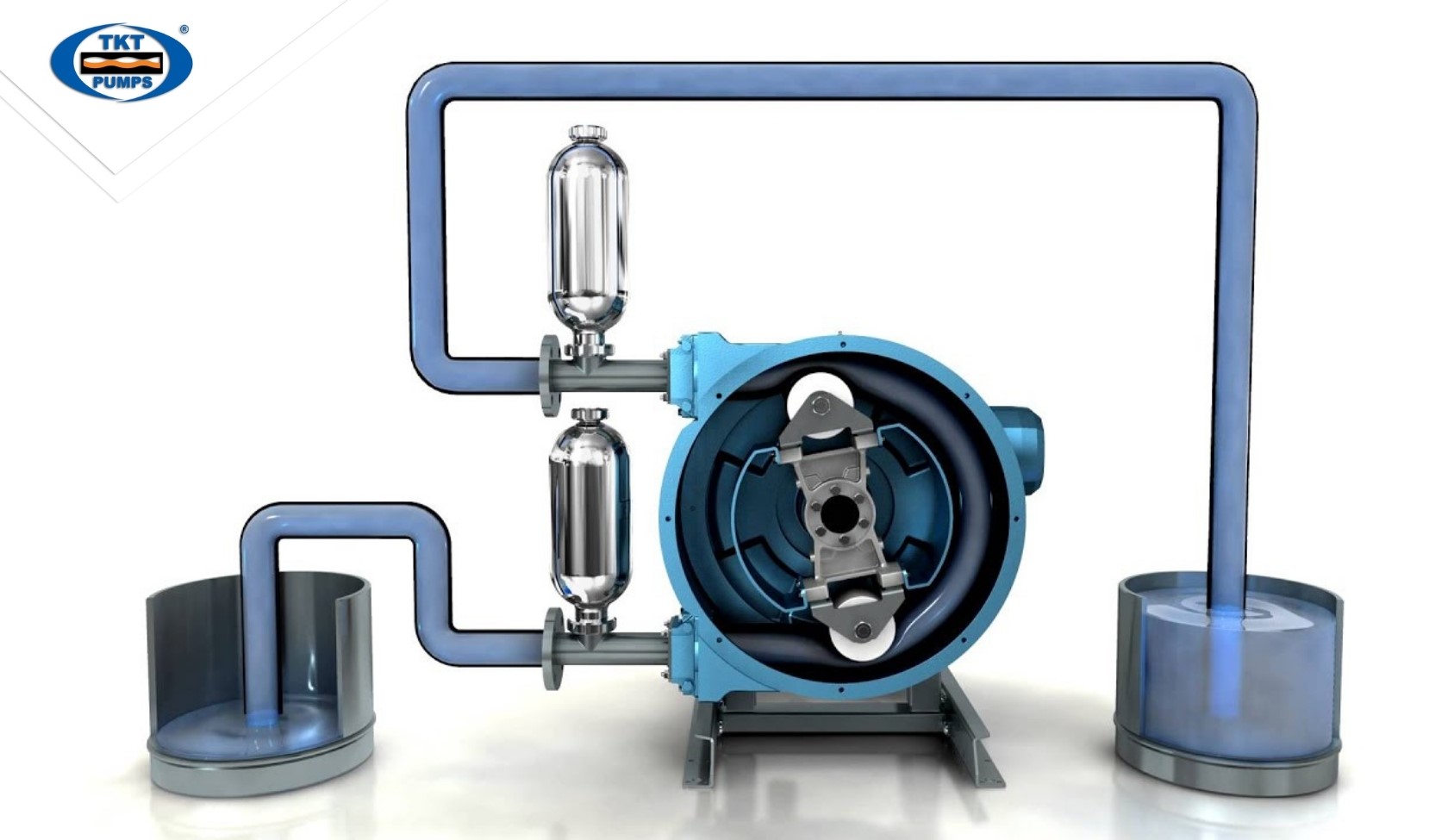
A peristaltic pump is a type of positive-displacement pump used to convey a wide range of fluids. The fluid is contained in a flexible tube or hose fitted inside the pump casing. The actual pumping principle, known as peristalsis, is based on the alternating compression and relaxation of the tube, drawing fluid in and pushing it out of the pump.
A rotor or rollers travel along the length of the tube, creating a temporary seal between the suction and discharge sides of the pump. As the pump rotor turns, this sealing pressure moves along the tube or hose, forcing fluid to move out of the pump and into the discharge line. Once the pressure is released, the tube recovers and creates a vacuum, drawing product into the suction side of the pump — producing the priming mechanism.
The combination of these suction and discharge principles results in a robust, self-priming positive-displacement action.
Where Are Peristaltic Pumps Used?
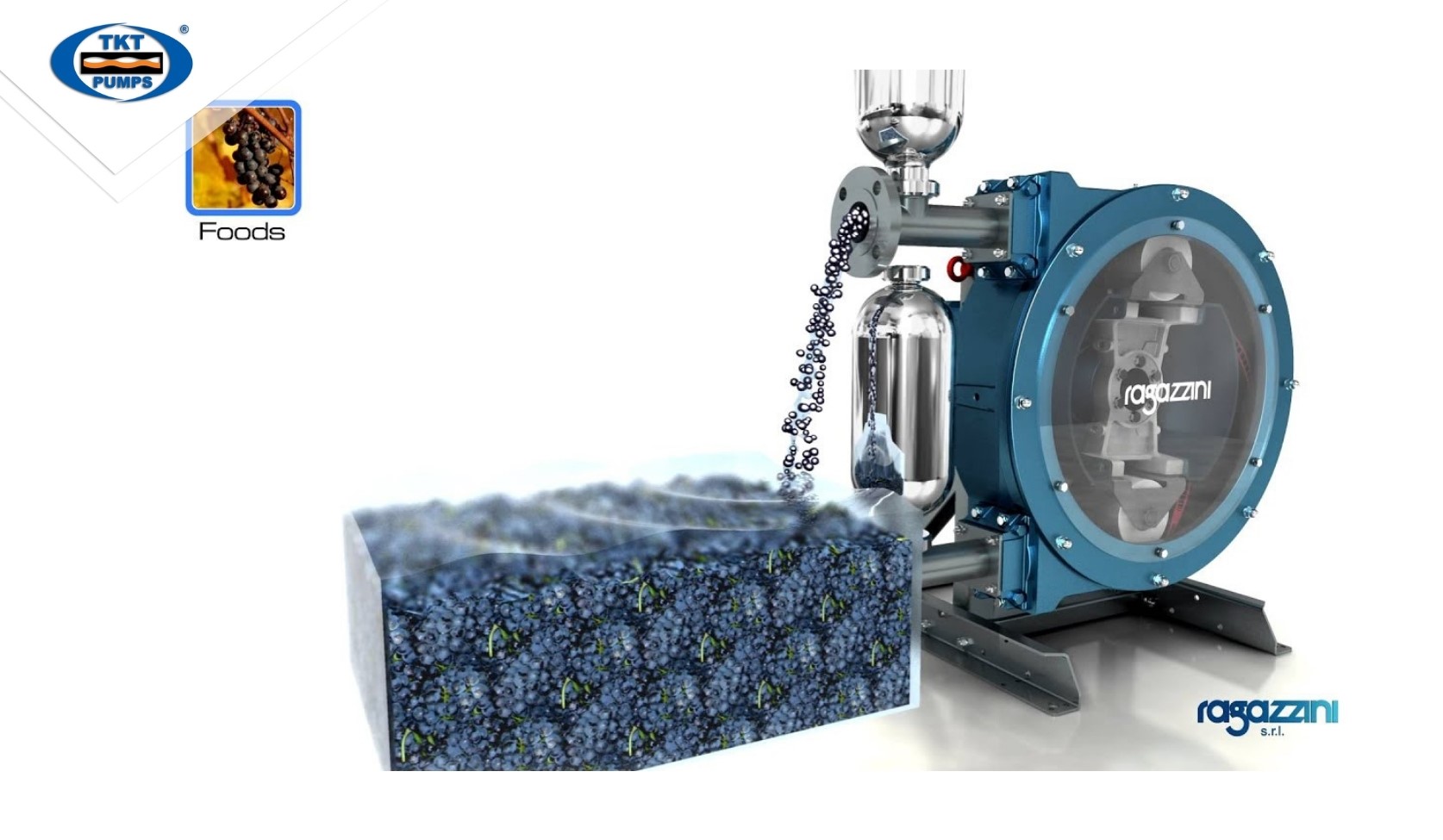
Peristaltic pumps are well suited for use with corrosive and viscous fluids, as the only pump component in contact with the fluid is the tube. With easily replaceable tubes or pump heads, the pump is relatively inexpensive to maintain and requires minimal upkeep. As a result, industrial peristaltic pumps and medical peristaltic pumps are among the common applications for this pump type.
Examples:
-
- In the medical device industry, peristaltic pumps are used to handle sterile fluids, dialysis, filtration, or bioprocessing.
- In food, agriculture, or sterilization, they are used to dispense food or beverages, vitamins, or chemicals.
- The environmental sector uses peristaltic pumps to treat wastewater or remove condensate in gas-analysis applications.
What Are the Benefits of Peristaltic Pumps?
Some of the benefits we can observe from peristaltic pumps (also called peristaltic dosing pumps) include:
-
- Dry-run capability
- Self-priming of the fluid to be pumped
- Reversible operation (with DC power supply)
- Flow regulation
- Well suited for viscous or aggressive media
- Tolerant of contamination by particles
- Good flow generation
What Types of Motors Are Used in Peristaltic Pumps?
Common motor types for peristaltic pumps include:
-
- Brushed DC motors (DC),
- Brushless DC motors (BLDC),
- AC motors (AC)
- Or stepper motors.
If a peristaltic pump is driven without a gearbox, varying the motor speed can control flow. Typical motor speeds for peristaltic pumps range from 0 to 400 rpm. DC and BLDC motors are commonly used together with a gearbox to set the speed according to flow rate requirements. Stepper motor speeds can be adjusted using an external control panel.
How Can the Flow Rate of a Peristaltic Pump Be Controlled?
Flow rate is proportional to motor speed. This makes peristaltic pumps suitable for dispensing and metering applications.
To select the correct motor, several aspects should be considered:
-
- DC motors come in various quality grades, ranging from 500 to 4,000 operating hours. The limiting factors of these motors are the brush system and the bearings.
- For AC motors, service life ranges from 1,000 hours to more than 10,000 hours for capacitor-run versions.
When it comes to stepper and brushless DC motors, the limiting factor is typically only the bearing system. In BLDC and stepper motors, speed can be adjusted during operation very easily. These motor types are commonly used when variable flow rates are required.
If you are interested in learning about Italian-brand peristaltic pumps or would like advice on solutions using metering pumps, please contact Thái Khương right away for support!