



A booster pump increases water pressure and flow rate from your tap or showerhead. Living with low water pressure is a constant inconvenience. If you have ever tried to shower under a trickle of water and had to spin around just to get wet, you already know what a booster pump can do for you!
Low water pressure can turn simple tasks like showering or brushing your teeth into a frustrating ordeal, but a booster pump can be the solution.
See also: booster pump systems (variable-frequency drive pump sets) — DOOCH / SyncroFlo VFD booster pump sets, flow & head tables, and how to select the right unit for your project.
What Is a Booster Pump?
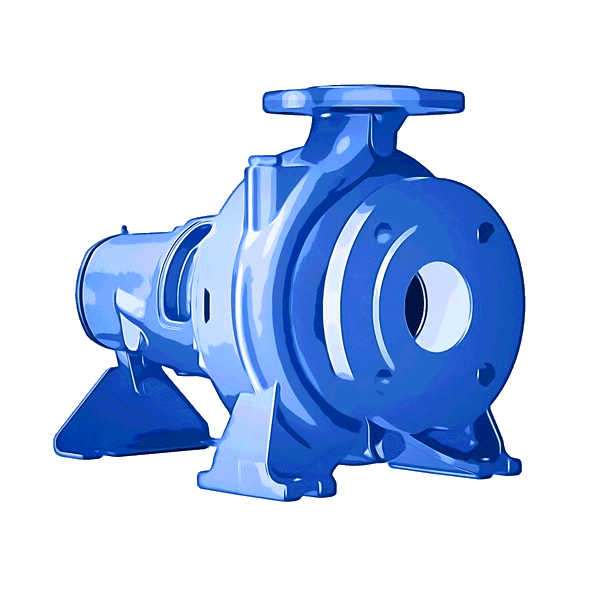
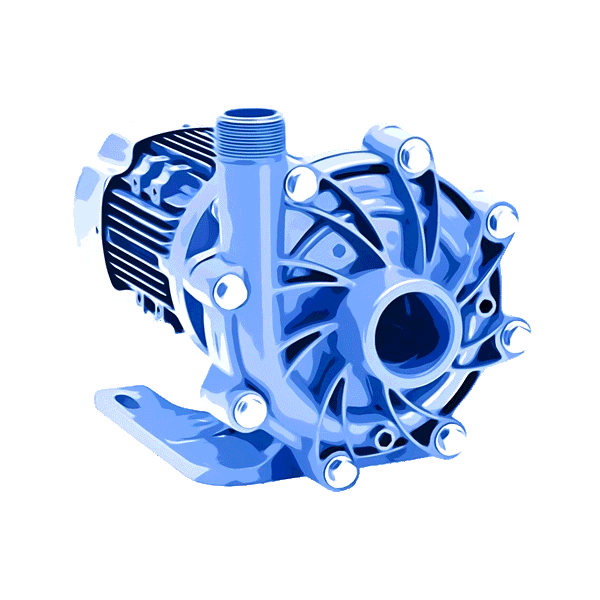
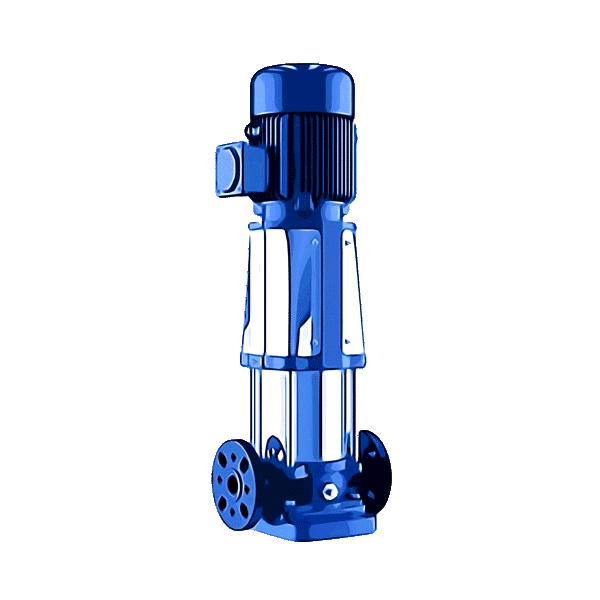
What is a booster pump? A booster pump is a device used to increase pressure in low-pressure water supplies. It delivers the necessary increase to bring your water pressure up to the desired level. A booster pump creates pressure to move water from a storage tank throughout an entire house or production facility. As the name suggests, the primary function of this pump type is clearly implied.
What is a booster pumpMore broadly, a booster pump is a machine that increases the pressure of a fluid. It can be used with liquids or gases, and the internal construction varies depending on the fluid being handled.
A gas booster pump is similar to an air compressor, but is generally a simpler mechanism — typically single-stage — and is used to raise gas pressure above ambient. Booster pumps can be used to increase gas pressure, transfer high-pressure gas, fill gas cylinders, and more.
Construction of a Booster Pump
What components does a booster pump consist of?
Most water booster pumps, regardless of manufacturer, share the same core components:
-
- Motor
- Impeller
- Inlet and outlet
- Pressure or flow sensor
A booster pump has an impeller that moves water in through the inlet and out through the outlet.
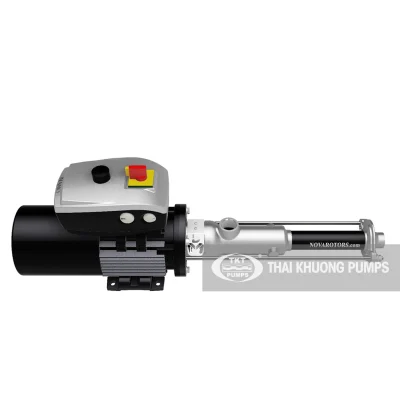
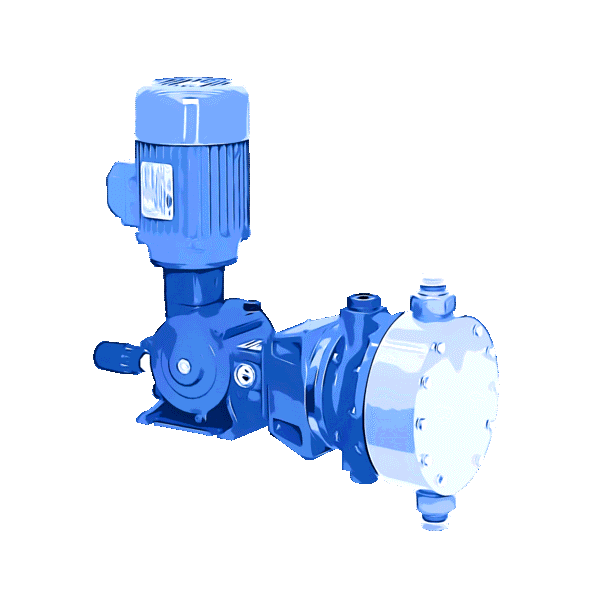
Construction of a mini booster pumpA motor drives the impeller to rotate. Booster pumps differ in the way they draw water in and push it out. Some water booster pumps use a rotating impeller, while others use an oscillating diaphragm.
Working Principle of a Booster Pump
A booster pump increases water pressure and, in many cases, improves flow rate. A booster pump works much like a fan. A fan has rotating blades that increase air movement; a booster pump has internal impeller blades that increase water flow rate and pressure in the same way.
A booster pump can also be understood as a type of centrifugal pump whose impeller blades draw water in and increase pressure as it passes through. The impeller rotates on a shaft, pulling water inward. As water enters, the curved blades of the impeller spin and expel the water outward by centrifugal force.
Booster pump diagramTypes of Booster Pumps
There are several ways to classify booster pumps. The two most common approaches are presented below by Thái Khương.
Classified by impeller stage, we have:
Single-Stage Booster Pump
- Contains a single impeller
- Used where lower pressure is required
Multi-Stage Booster Pump
- Contains multiple impellers for high-pressure applications
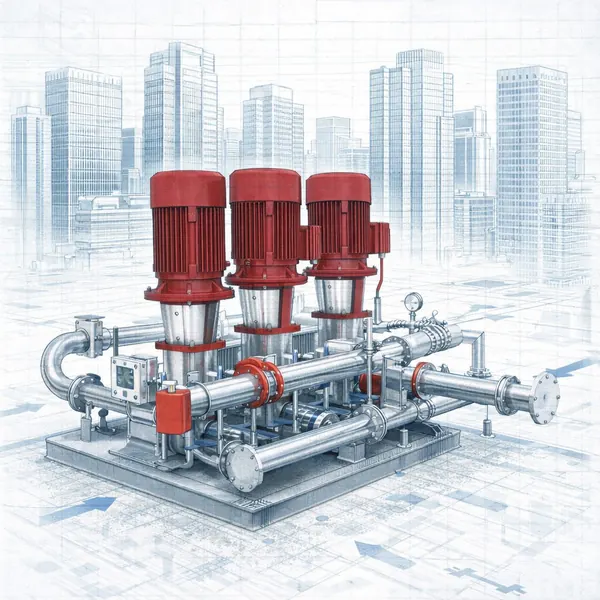
- Used to deliver water through large pipe networks and multi-story buildings
Next, classified by intended use, we have two cases:
Residential Booster Pump
A single water booster pump can increase water pressure throughout an entire house. In some cases, users drawing from a well want to increase the flow from the well to their home. Wells may not produce enough water to meet household demand. The booster pump draws water from the well storage tank and pressurizes the water supply inside the house.
Residential booster pumpWhen water storage tanks are not elevated high enough to generate the pressure required for household use, installing a booster pump solves this problem. The booster pump will start automatically and shut off automatically whenever a tap is opened or closed.
Industrial Booster Pump
In industrial settings, booster pumps address water pressure issues in facilities with high water consumption across large premises. For large factories, boosting both water pressure and flow rate is a critical requirement.
When water is also a raw material or a process support medium, using a booster pump further improves plant production efficiency — for example in F&B or textile-dyeing industries.
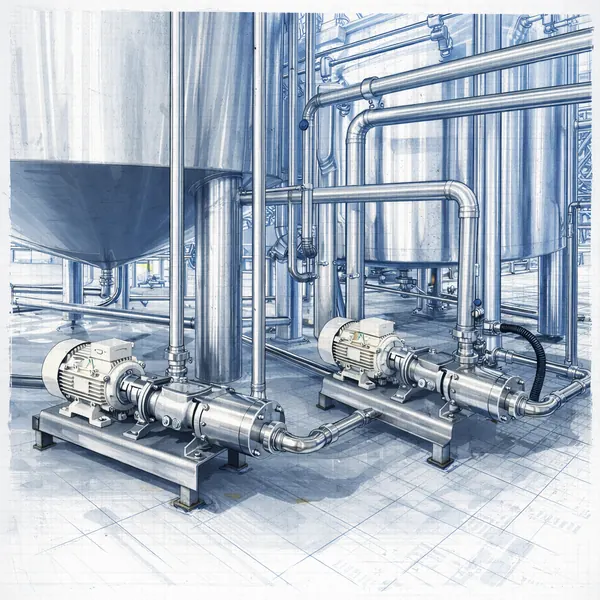
Industrial booster pumpWhat Causes Low Water Pressure?
There are many causes of low water pressure. In this article, Thái Khương shares the five most common causes. Specifically:
Gravity
Gravity can drive or slow water flow. The higher the elevation to which water must be delivered, the lower the water pressure. If water travels uphill or across multiple floors, gravity immediately pulls it back down. Buildings located below the water supply source may not face the same issue. High-rise buildings, apartment complexes, residential homes, and multi-story commercial facilities all need a sufficiently sized booster pump to deliver water to upper floors.
Distance from the Water Source
The distance from the water source and the diameter of the supply pipe both affect water pressure. If your home or facility is located at the end of a supply line, flow rate may be low by the time water reaches you. And if your pipes are too small, only a limited volume of water can pass through.
Distant water sourceLow Pressure from the Supply Source
Your home or facility may still experience low water pressure even after the pipework has been inspected. Sometimes low flow is caused by low-pressure water from your local water utility.
Additional Water Treatment Systems
Additional water treatment systems or other in-house water treatment devices provide clean water, but may reduce water pressure. Adding a booster pump at the outlet can restore water pressure when needed.
Plumbing System Issues
If low water pressure results from gravity, distance, or additional treatment systems, a water booster pump can resolve the problem. However, if the cause is a plumbing system issue, inspect your pipework first. Pipes may be clogged or the pressure-reducing valve may need adjustment before purchasing a booster pump.
When Do You Need a Booster Pump?
“Do I need a booster pump?” is a question many people ask and search for an answer to.
If you are experiencing low water pressure that is not caused by a leak, or if you need to increase water pressure for a specific application, a booster pump is a suitable solution.
Will a water booster pump increase both pressure and flow rate?
A booster pump increases water pressure, forcing water to flow faster through the supply pipes. However, note that: as the pressure required to move water increases, the flow rate decreases.
A helpful analogy: think of placing your thumb over a tap. When you do this, water exits at higher pressure, but the flow rate is restricted by your thumb. A booster pump works the same way. It delivers the highest volume of water at the greatest flow rate under lower pressure.
If water exits the pump without any restriction, it will move at a greater flow rate. But when a pump is installed in a plumbing system where water must travel uphill and around bends in the pipe, the flow rate is slower and the pressure from the pump is higher.
When do you need a booster pump?Why Is My Booster Pump Not Running?
There are several reasons why a booster pump may not run, but the most common situations are:
- Power loss due to a broken electrical wire
- Faulty or incorrectly operating flow switch
- Water pressure in the pipeline is already sufficient
- Pump motor burnout
- Jammed pump impeller…
To resolve this issue definitively, perform a general inspection and systematically eliminate each potential cause to identify an effective corrective action.
Why Does My Booster Pump Run Continuously?
This is one of the two most common troubleshooting scenarios when using booster pumps. Similarly, several causes can lead to a booster pump running continuously:
- Faulty flow switch
- Damaged or incorrectly signaling water pressure sensor
- Leaking or cracked pipeline causing persistently low pressure
- Continuous water consumption…
A general inspection and systematic elimination of causes is still required to find the right corrective action for this situation.
Applications of Booster Pumps
Booster pumps increase low water flow within water systems or industrial equipment, and transport water from lakes, ponds, or storage tanks for use in residential homes or commercial buildings.
A household that does not receive adequate pressure from the municipal water supply will need a pump to boost low water pressure.
A hotel needs a large booster pump to deliver water all the way to the top floor.
Booster pumps are also used to re-pressurize water from storage tanks and distribute it to taps throughout a building. For example, in rainwater harvesting systems with a storage tank — to use the collected water for toilet flushing or laundry, the water must be pumped from the tank into the building. A booster pump is used to move the water.
Booster pump applicationsBooster pumps are also widely used in applications such as:
- Agricultural and irrigation water supply stations
- Cooling and air-conditioning systems
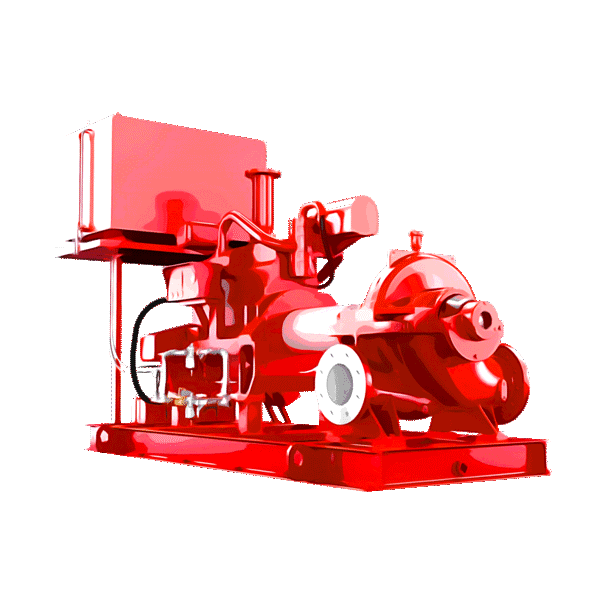
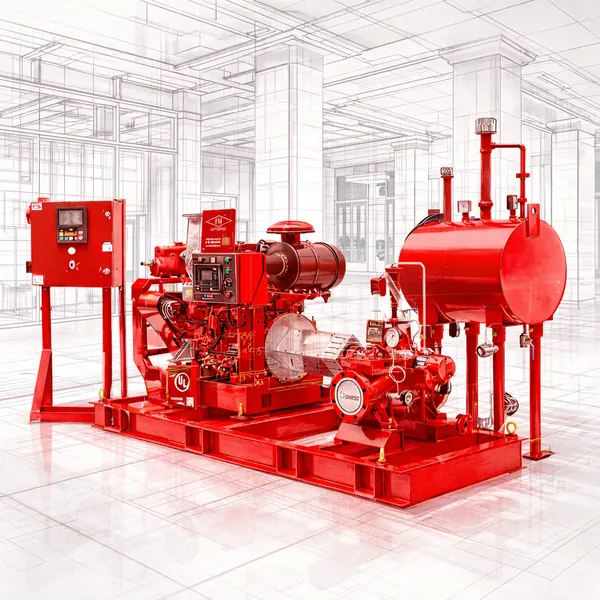
- Fire-fighting pump stations
- Hydroelectric power plants, and more
Booster Pump Pricing
Booster pumps are a very common and widely used pump type. As a result, many manufacturers compete in the booster pump market.
This is also why booster pump prices can vary considerably in the market.
For personal or light domestic use, purchasing genuine pumps from Asian manufacturers — such as those from Japan, Korea, or China — is a practical way to manage investment costs.
However, for large systems, production plants, or fire-fighting water supply stations, technical specifications, operating characteristics, and product quality must be evaluated before considering price. Larger, higher-grade booster pumps originating from the EU or UK are not inexpensive.
When you have a requirement for booster pumps or high-pressure pumps, contact Thái Khương immediately for consultation and support. With 16 years of industry experience, Thái Khương Pumps is confident in meeting your requirements fully.