




What Is a Drilled Well? How Is a Drilled Well Constructed?
Drilled wells have become increasingly common in recent years, appearing in greater numbers and density. This is driven by our growing demand for water, while at the same time groundwater levels continue to decline — causing traditional hand-dug wells to run dry. In many locations, dug wells have gone completely dry and can no longer be used.
That is why drilled wells came into existence and are being adopted more widely. So how is a drilled well constructed? What makes them different from the dug wells we already know? This article will answer those questions.
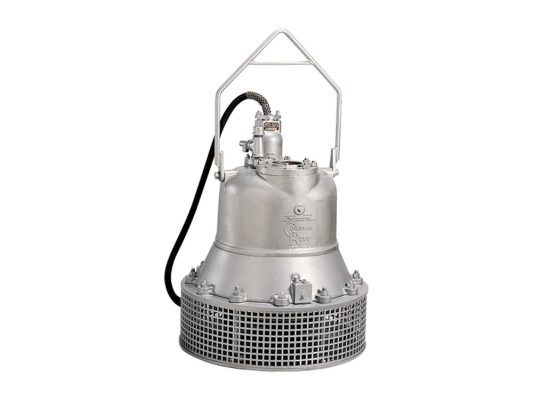
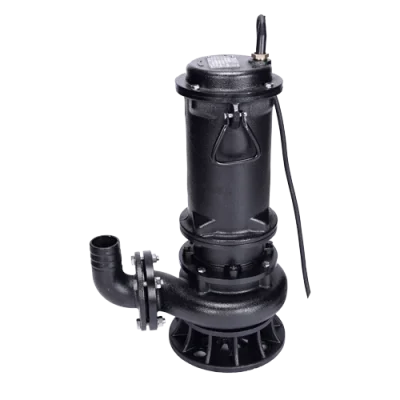
Looking for equipment? Need a pump for a deep drilled well? Browse our submersible borehole pump catalog — deep-well submersible pumps with a wide range of flow rates and heads.
What Is a Drilled Well
Approximately 97% of the world’s available fresh water lies underground. Drilled wells supply groundwater for domestic use, community and municipal water supply, industrial processes, crop irrigation, and agriculture.

Some wells extract hot water or geothermal resources. In other cases, certain wells are drilled purely to study water quality or quantity; these are called monitoring wells or observation wells.
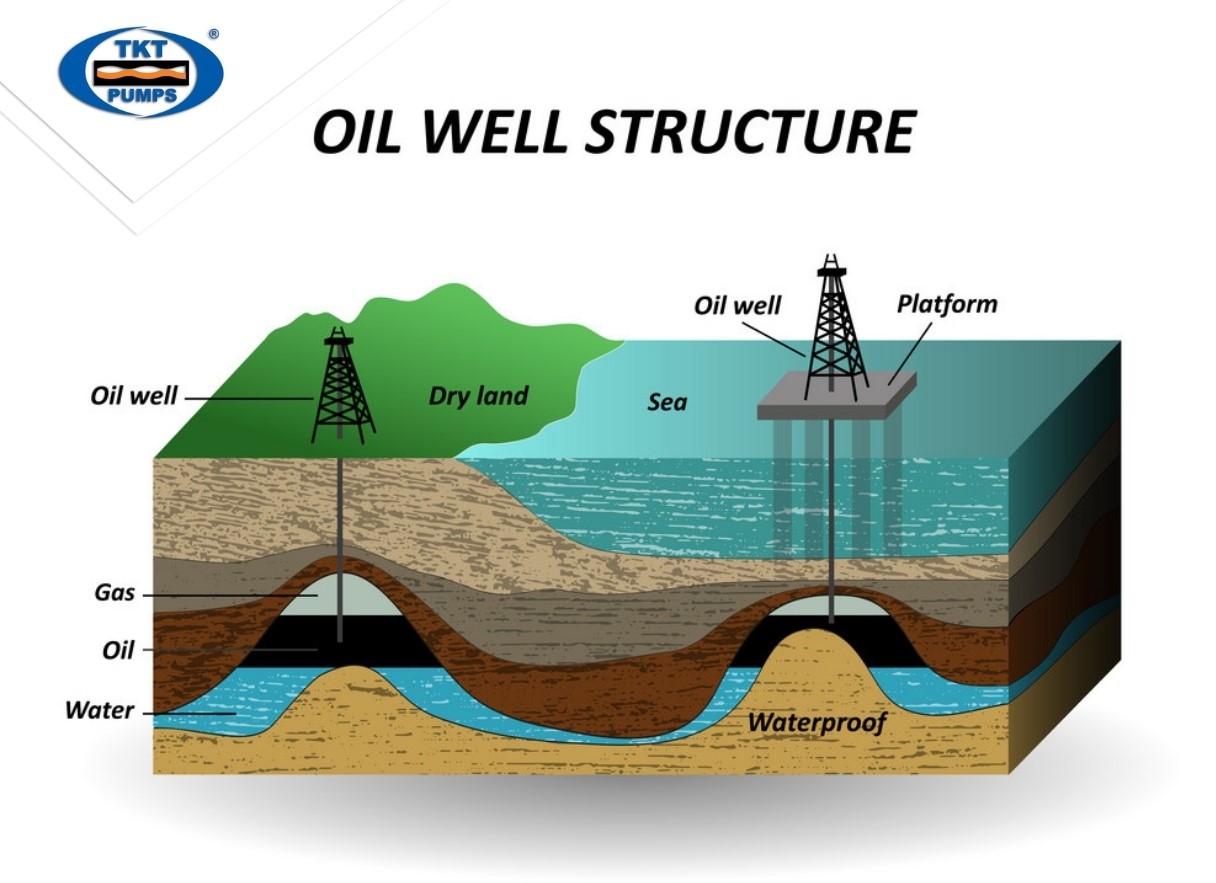
Regardless of its purpose, a well is defined as an artificial opening in the ground created to access a fluid. It typically has a small diameter — usually less than 3 metres — and depth is normally measured in metres. Wells may be drilled to extract water, oil, or natural gas.
The depth of a drilled well varies depending on the geology of each area. It may be as shallow as 50 m or may need to reach several hundred metres before a usable water source is found.
Types of Drilled Wells
In practice there are many different types of drilled wells worldwide. In Vietnam, however, two types are most common:
- Return-suction drilled well
- Direct-suction drilled well
Each type has slightly different construction characteristics, which Thái Khương will explain in more detail in the sections below.
In addition, wells can also be classified by application as:
- Residential drilled well construction
- Industrial drilled well construction
Construction of a Drilled Well
A drilled well is made up of the following detailed components:
Well casing: a tubular structure installed inside the well to maintain an open pathway from the groundwater source to the surface. Together with cement, the casing prevents soil and unwanted water from entering the well bore. This helps stop contaminants from less desirable groundwater sources from entering the well and mixing with drinking water. Common materials for well casing include carbon steel, plastic, and stainless steel. Local geological authorities typically regulate which pipe types may be used as well casing.
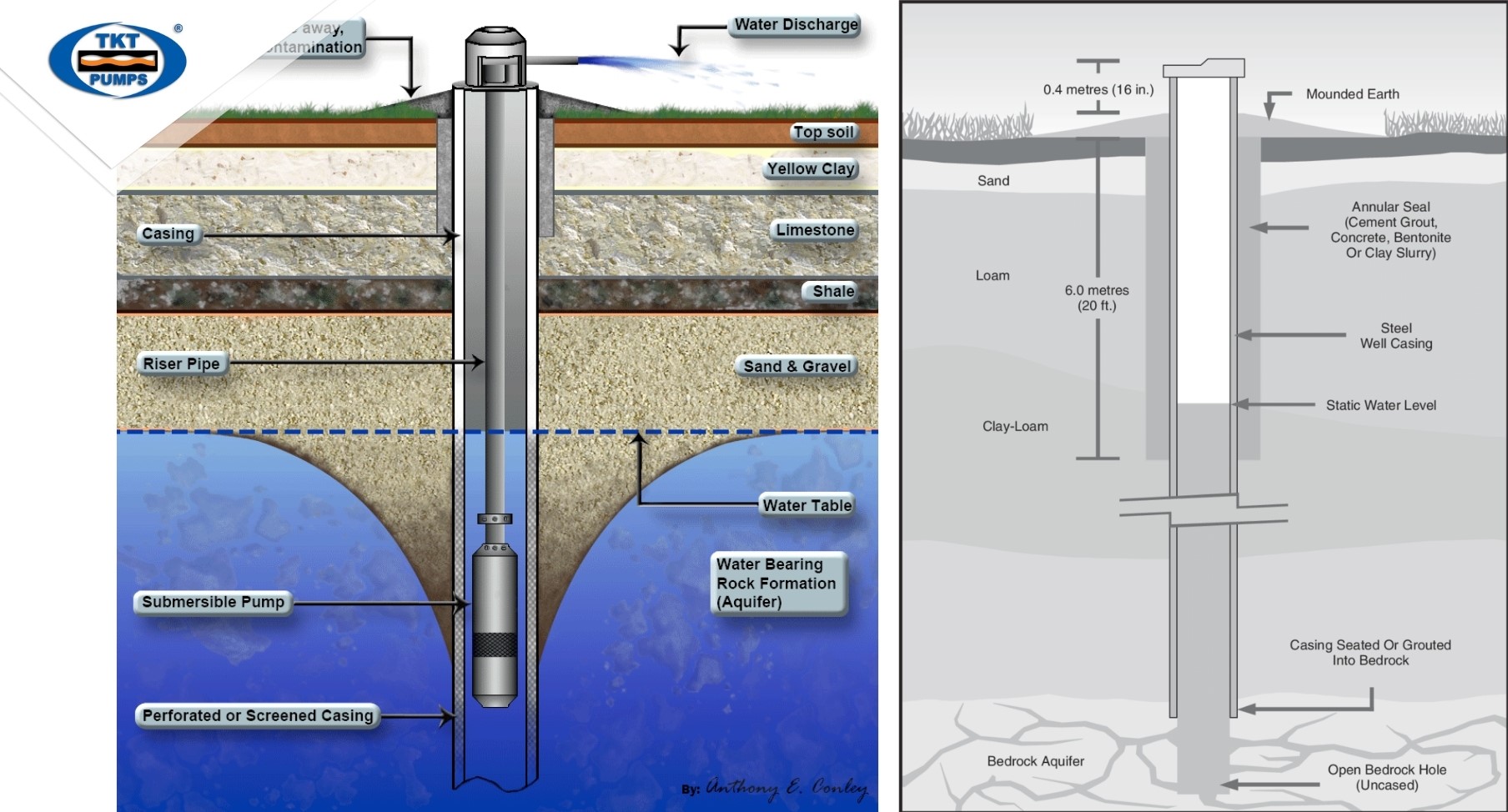
Well cap: placed on top of the well to prevent debris, insects, or small animals from entering. Well caps are usually made of iron or plastic, or a protective box can be built around the well head. They must include a vent opening to control pressure inside the well.
Well screen: attached to the bottom of the casing to prevent sand and silt from entering the well bore. Common well screen types include slotted screens, louvred pipe, and perforated pipe.
A jet pump (submersible borehole pump) is the type most commonly used for shallow wells. Jet pumps are mounted at ground level and use suction to draw water up from the well.
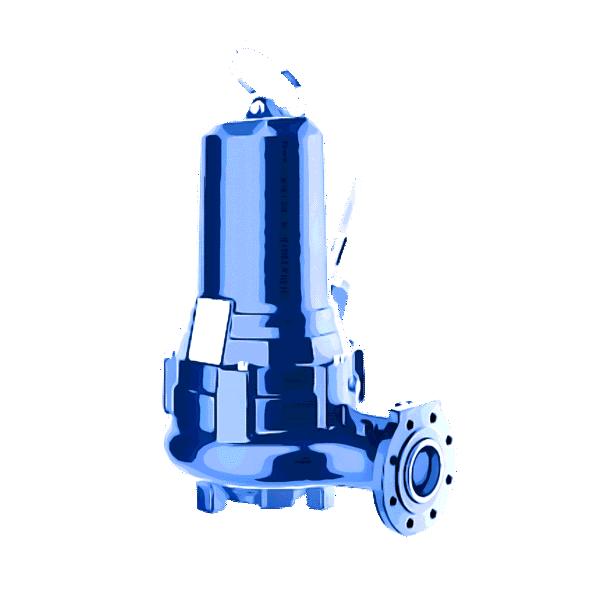
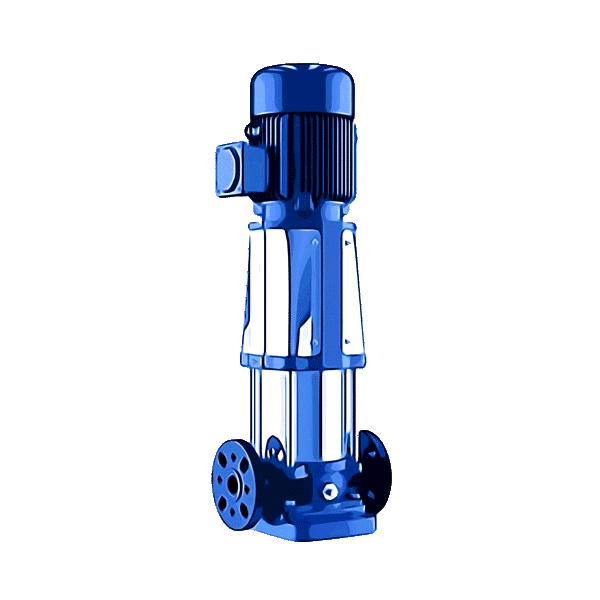
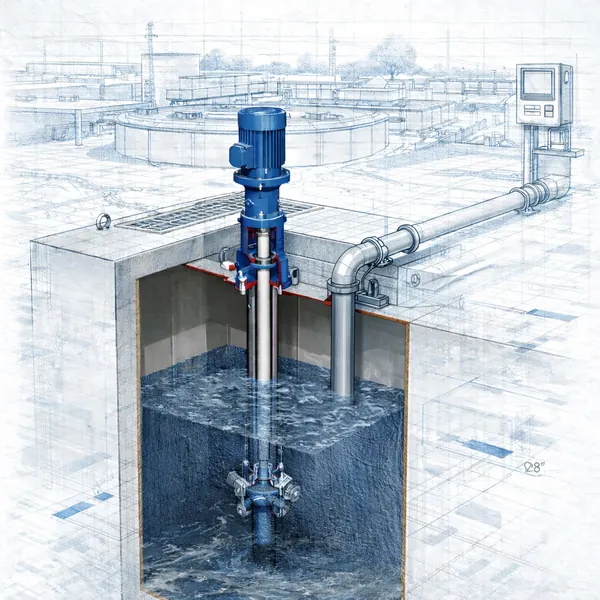
A submersible pump is the type most commonly used for deep drilled wells. The pump is placed inside the well and lowered close to the casing, connected to a power supply at the surface.
Construction of a Direct-Suction Drilled Well
A direct-suction drilled well consists of several different structures, but can be summarised by two main components:
Well casing
The well casing requires the following components to form a complete casing assembly:
- Multiple PVC plastic pipes with diameters ranging from Ø48 to Ø60
- Reducer cone
- Coupling sleeve
- Filter pipe
- Filter plug
For optimal protection of the well bore, the casing must be set at least 5–10 metres below the static water level. The annular space between the soil and the casing can be filled with sand or gravel to stabilise the casing pipe.
Well bore
The well bore has a relatively straightforward construction, using commercially available components such as:
- Ø27 suction pipe (multiple sections required)
- Check valve fitted at the end of the suction pipe
- Coupling sleeve
- Elbow fitting
- Compression fitting
- Machine thread adapter
Construction of a Return-Suction Drilled Well
If the static water level in your area is more than 10 m below ground, a return-suction drilled well should be used. Fundamentally, the construction of both well types is the same — both consist of two main components:
Well casing
The well casing is made up of the same components as the direct-suction drilled well:
- Plastic pipe Ø48 to Ø60
- Reducer cone
- Coupling sleeve
- Filter pipe
- Filter plug
Well bore
The well bore is constructed from standard components such as:
- Suction pipe,
- Check valve,
- Reducer cone,
- Coupling sleeve,
- Elbow,
- Pressure-regulating valve
Pumps for Drilled Wells
Many types of pumps can be used with the drilled wells described above. However, in terms of widespread use and effectiveness, the submersible pump is the one that meets all the required criteria.
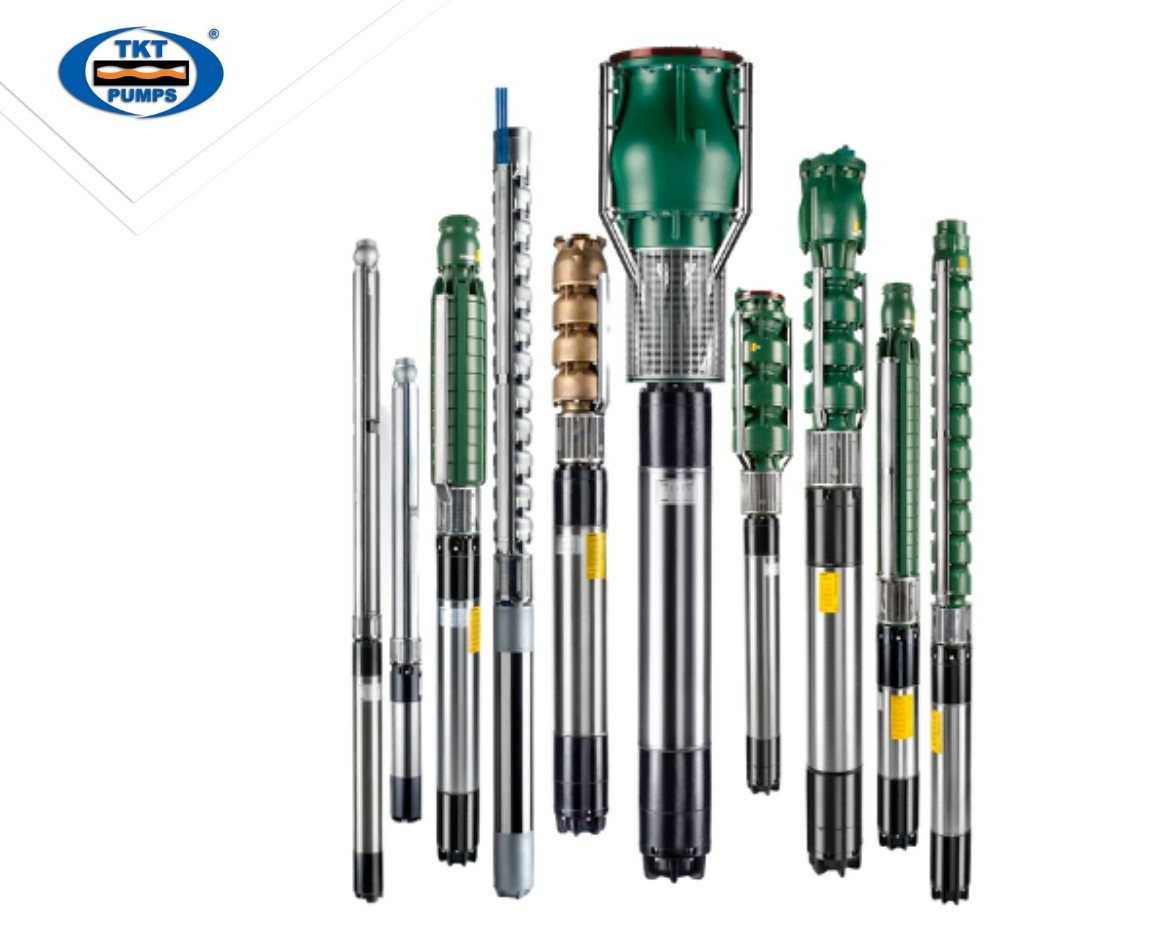
Why? Because the submersible pump was designed specifically to serve deep drilled wells like these.
Submersible pumps deliver high head and high power output to push water from deep underground up to the surface for use.
How do you select the right submersible pump for a drilled well?
There are many technical specifications to consider when selecting a submersible pump. Choosing the correct pump is of critical importance in optimising the efficiency of the system. First and foremost, the submersible pump is selected based on pump type and application.
- Next, the maximum discharge flow rate must be determined.
- Head is used to establish the maximum flow rate of the submersible pump.
- At that point, the maximum discharge pressure of the pump must be considered. This relates to the maximum pressure the pump is capable of handling.

In addition, the power of the submersible pump must also be taken into account. The discharge port and discharge piping of the submersible pump also require careful calculation.
Through this article, you now have a clear understanding of the basic construction of a drilled well, and know which technical specifications to evaluate when selecting a submersible pump for drilled well applications.
Furthermore, industrial submersible pumps are also used in oil drilled wells, where they must handle fluids containing solids and fluids with high viscosity.
If you need consultation on submersible pumps for fluid handling, please contact Thái Khương directly for prompt support!