












In agriculture, alongside land and seedlings, water is an essential condition for the growth and development of crops. To draw on a sufficiently strong water source, reliable agricultural water pump heads are required.
That is why, as technology advances, agriculture advances with it! In this article, we will explore how to choose an agricultural water pump head for optimal results.
The role of agricultural water pump heads
Selecting the right pump plays an important role in meeting the irrigation requirements of the agricultural sector. A suitable agricultural water pump head ensures that water supply requirements for crops are met, while also delivering efficient performance to make the most of field layout.

Although several irrigation techniques exist in practice, the objective is the same — pumping water from a source and distributing it evenly across fields and gardens. The aim is to keep energy demand low while ensuring that all plants receive an adequate amount of water — neither too little nor too much.
Modern irrigation techniques can achieve these goals with the help of the right water pump. To ensure uniform irrigation across a field, the entire cultivable area is divided into smaller zones called sectors. Sectors can be separated based on soil type, the crops being grown, and irrigation requirements, among other factors. Each zone is irrigated with the help of pipes, conduits, sprinklers, and valves, all connected to an agricultural water pump head.
The entire field is divided into zones because a single sprinkler does not have the pressure and flow rate needed to irrigate the entire area at once. An irrigation controller (which may be mechanical, electrical, or digital) is responsible for switching sprinklers on and off in a specific zone at a specific time.
Steps to choose an agricultural water pump head
To select an agricultural water pump head that meets requirements, many factors must be identified. Right below, Thái Khương shares the steps to carry out this process. The details are as follows:
Identify the irrigation system
Different systems require different amounts of water and pressure. Therefore, it is important to choose your irrigation system before selecting your pump. While choosing the irrigation system, also research the controller.
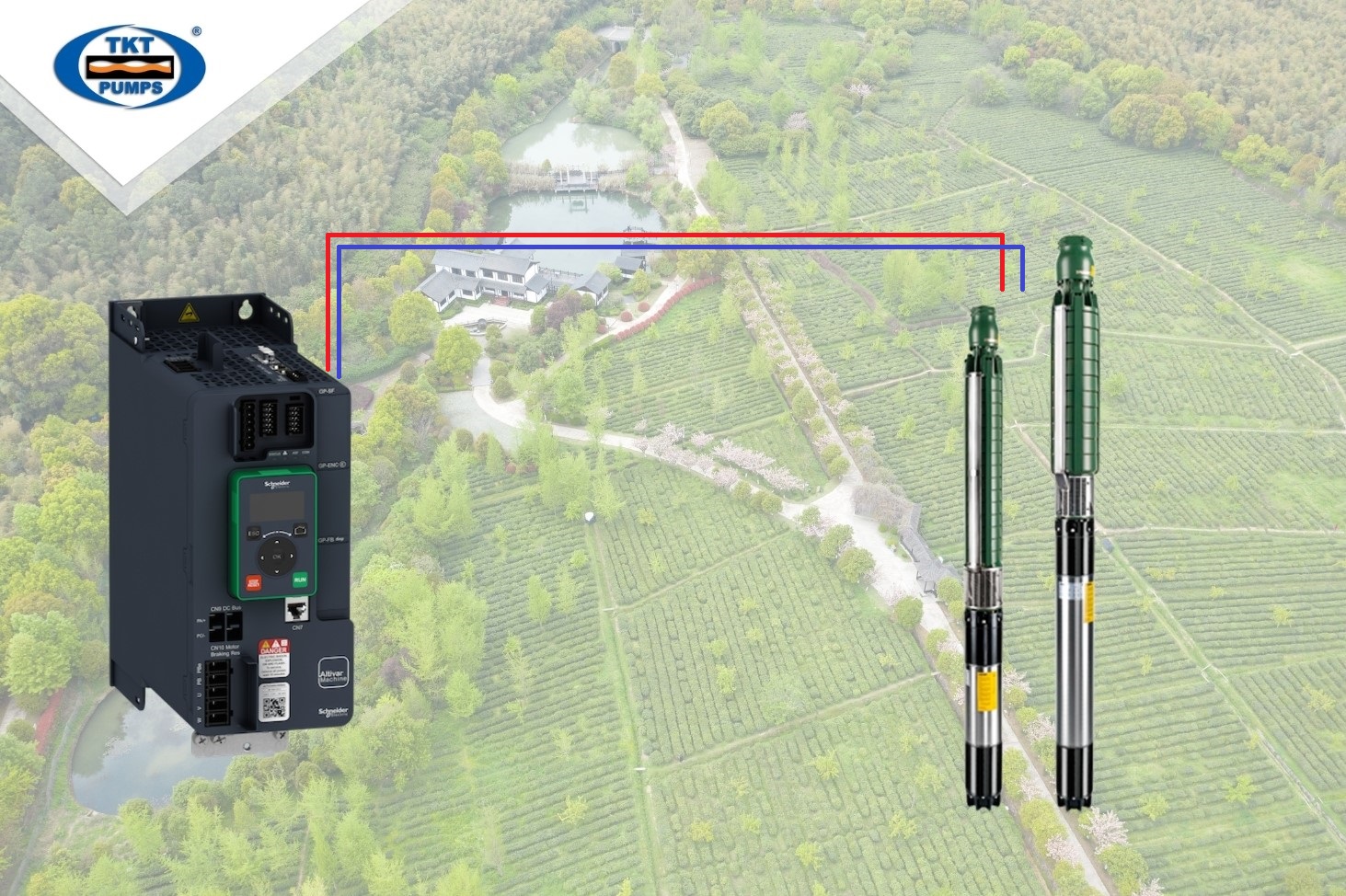
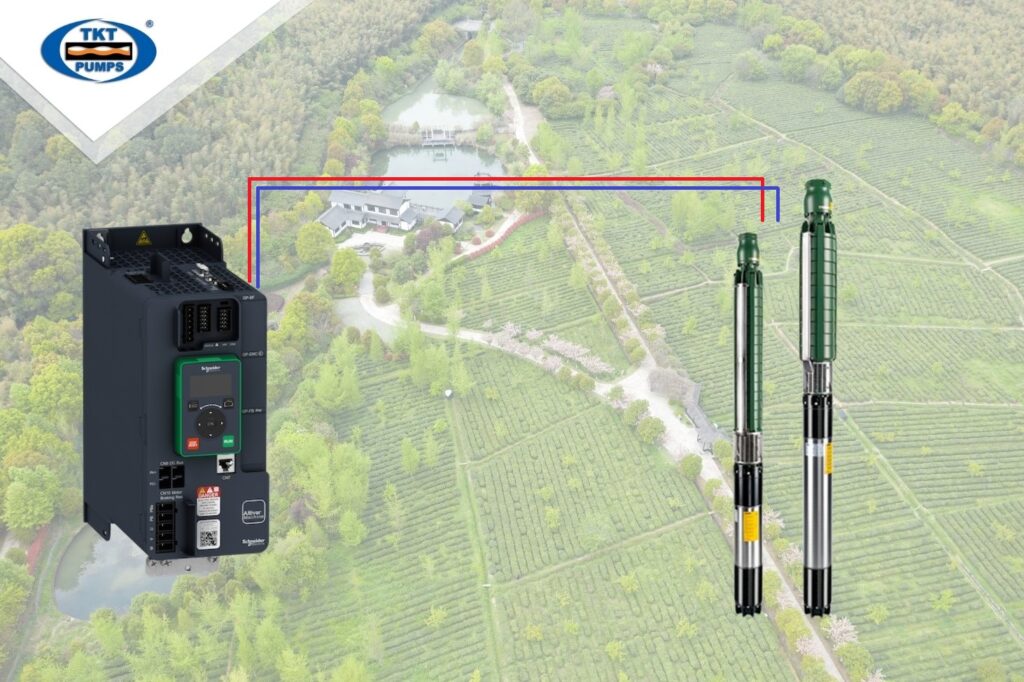
The controller plays an important role in turning the water supply on and off at specific intervals, or when it rains, when there are strong winds, direct sunlight, and so on, so that water is adequately absorbed into the soil.
Today, smart pump controllers are becoming increasingly common. These devices use a range of data such as soil moisture, weather conditions, humidity, and rain sensors to determine the optimal water requirements for your crops.
Consider the type of water source
The general rule for successful irrigation is that crops have access to sufficient water. Only a few decades ago, water was considered an unlimited resource. Unfortunately, the situation today has reversed and water scarcity is severe across all regions of the country. This means you need to take appropriate steps to ensure that water is managed efficiently on your farm and in your fields.
Common irrigation water sources include groundwater from wells, springs, or boreholes; surface water from lakes, rivers, and reservoirs; and unconventional sources such as reclaimed water, drainage water, desalinated water, wastewater, and more.

Determine the type of agricultural water pump head
The location of the water source plays a decisive role in determining the pump type. Below is a general guide on which pump type works well for different water sources:
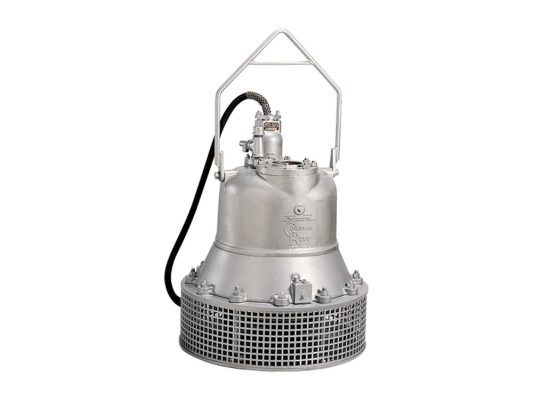
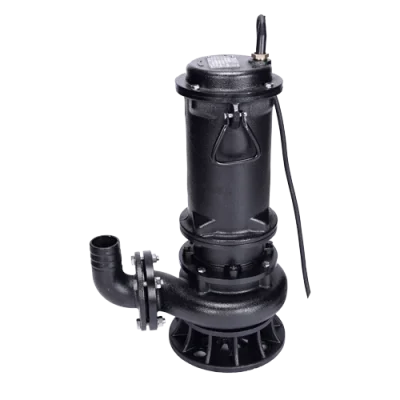
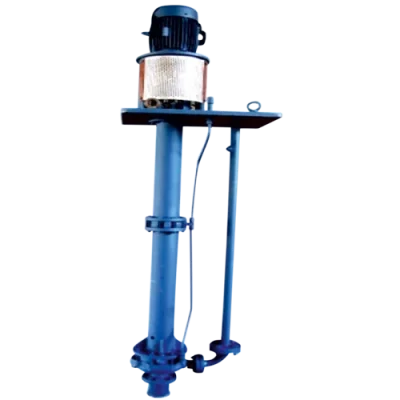
Turbine pumps and deep-well submersible pumps are suitable for drawing water from deep underground, dug wells, boreholes, and similar sources.
When it comes to surface water, several different pump types can be used. One advantage of using a submersible pump with groundwater is that the pump is not visible, thereby reducing the risk of theft and lowering the operating noise of the pump.
Two essential factors for ensuring steady flow are — having a sufficient water supply and meeting the specific requirements of the crops.
When selecting a water pump, consider using more than one pump. Rather than a single large pump, using several smaller pumps offers various advantages — reducing aquifer drawdown, lowering energy consumption, and allowing pumps to be easily switched on or off based on varying requirements such as when a fault occurs or when reduced irrigation volume is needed.
Determine the right pump size
Irrigation pumps used in irrigation systems come in a wide range of sizes (both large and small). Choosing the correct pump size is essential for the efficiency of your irrigation system.

Some factors to consider when deciding on pump size are:
- Energy consumption
- System pressure
- Variable speed control
- Motor protection
Pumping equipment of EU origin generally meets stringent requirements for performance and efficiency. Notable examples include centrifugal pumps and submersible pumps from Caprari, Salvatore Robuschi, and others.
Calculate pump efficiency
Calculating the overall efficiency of the system is mandatory before making the final selection. Electricity costs depend on how many kW the motor consumes. Pumps and motors in the system have varying levels of efficiency.
Below is a simple formula for calculating efficiency (for reference):
Efficiency % = Q*H/3.67*P1
Where,
- Q = Flow rate measured in m³/h
- H = Head measured in metres
- P1 = Motor power
Most pump manufacturers provide all the necessary data. This helps calculate efficiency accurately. Keep in mind that your pump must do more than simply deliver water to the pipes and ultimately to the crops.
Do not forget system integration
Today, pumps are no longer standalone devices. They must be integrated with the rest of the irrigation system. This means the pump you choose must be well matched to the irrigation equipment for good results.
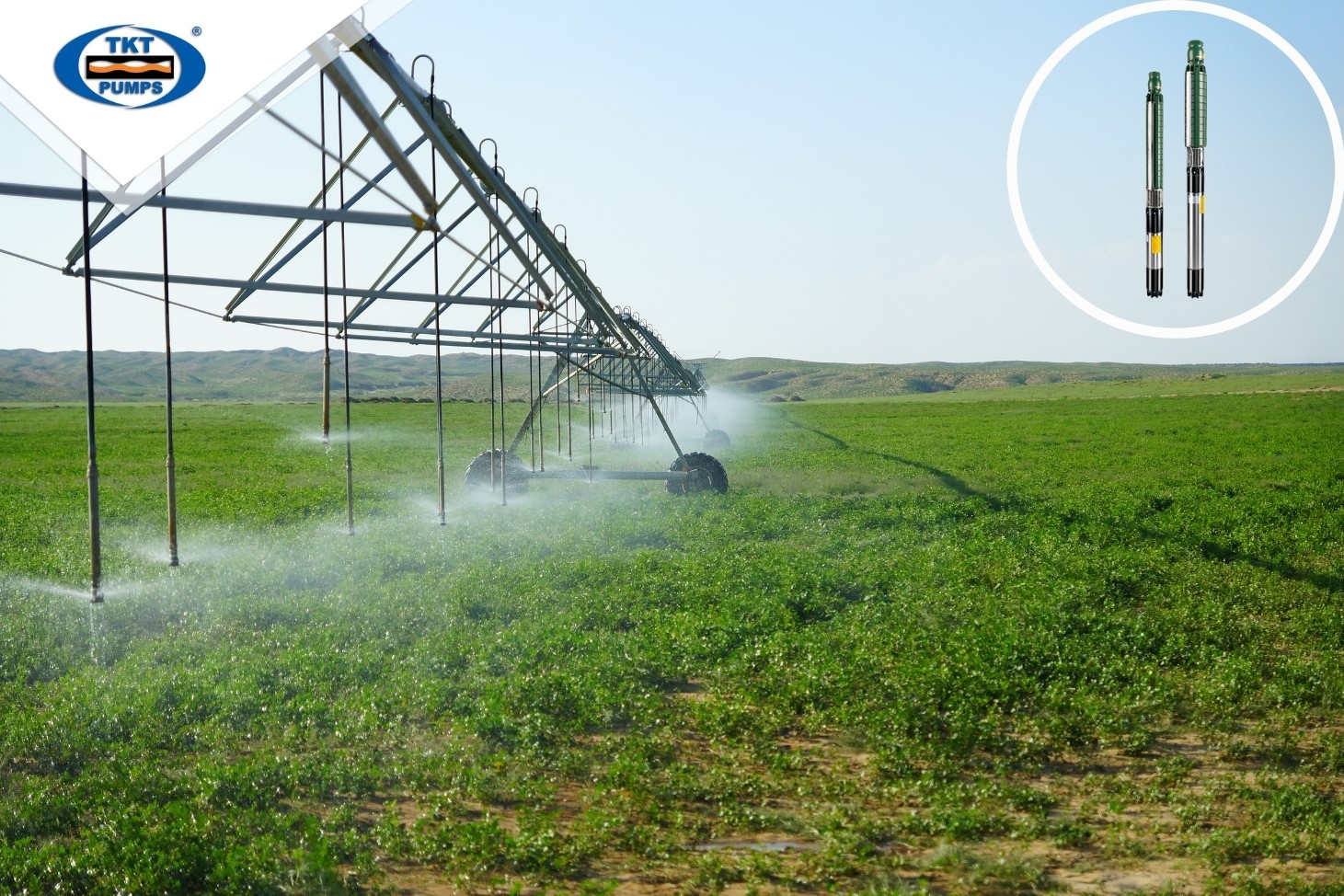
All the factors listed above must be integrated to achieve maximum cost savings for the modern farmer. You can reduce operating costs by ensuring that water pressure is no higher than required and by using appropriate controls. Similarly, maintaining precise flow rate and water pressure leads to greater energy savings.
Water delivered at the right precision and at the right time for crops will yield higher productivity and better harvests, thereby increasing profitability. Beyond profitability, the right pump also ensures better water management, making sustainable agriculture achievable.
Through this article, you can see that choosing an agricultural water pump head is not a simple matter. Thái Khương is ready to advise and assist you in finding a solution that suits your farm!
Contact Thái Khương right away when you have a requirement!