




Electric motors today are more diverse and easier to use than ever before. When planning a motion control system, selecting the right motor is extremely important. The motor must suit the purpose and overall performance objectives of the system.
Electric motorWhat Is an Electric Motor
An electric motor is a device that converts electrical energy into mechanical energy. In other words, devices that generate rotational force are called motors.
Construction of an Electric Motor
A basic electric motor consists of certain components, which are:
Rotor Coil
The coil is made of copper wire, because copper is an excellent electrical conductor. It is wound around an armature. The coil becomes an electromagnet when electric current flows through it.
Armature
The armature supports the coil and can help make the electromagnet stronger. This makes the motor operate more efficiently.
Permanent Magnets
There are two permanent magnets. They create a stable magnetic field so that the coil will rotate when electric current flows through it.
Some motors have electromagnets instead of permanent magnets. These are made from more copper coils.
Commutator
Each end of the coil is connected to one of the two halves of the commutator. The commutator switches the coil connections every half turn.
Electric motor constructionBrushes
The brushes press against the commutator. They maintain contact with the commutator even as it rotates. Electric current flows in and out of the motor through the brushes. In motors, the brushes are typically made from carbon.
Steel Plate
Made from magnetic material, it connects the two permanent magnets. In effect, it turns them into a horseshoe-shaped magnet.
Working Principle of Electric Motors
The working principle of electric motors depends primarily on the interaction between magnetic fields and electric fields. Electric motors are mainly divided into two types: AC motors and DC motors. AC motors take alternating current as their input, while DC motors take direct current.
Types of Electric Motors
There are several common types of electric motors currently available on the market. Specifically, these include:
Types of electric motorsBrushless AC Motor
The brushless AC motor is a common type of motor in motion control. They use the induction of a rotating magnetic field, created in the stator, to rotate both the stator and rotor at synchronous speed. Brushless AC motors operate based on permanent electromagnets.
Brushed DC Motor
A brushed DC motor uses a configuration consisting of wound coils and an armature, operating as a two-pole electromagnet.
The direction of the current is reversed twice per cycle by the commutator, a mechanical rotary switch. This allows current to flow through the armature; thus, the poles of the electromagnet attract and repel the permanent magnets along the outside of the motor. The commutator then reverses the polarity of the armature electromagnet when its poles cross the poles of the permanent magnets.
Brushless DC Motor
Brushless DC motors were first developed to achieve higher efficiency in a smaller space compared to brushed DC motors, and they are smaller than equivalent AC models. Embedded controllers are used to operate them in the absence of slip rings or commutators.
Direct Drive Motor
A direct drive motor is any motor in which the load is connected directly to the motor, without mechanical transmission elements such as gearboxes or belt-and-pulley systems. In other words, the motor drives the load directly.
Direct drive motors are a high-efficiency, low-wear technology implementation that replaces conventional servo motors and their associated gearboxes. In addition to being easier to maintain over time, these motors accelerate faster.
Linear Motor
A linear motor is an electric induction motor that produces motion in a straight line rather than rotational motion. In a conventional electric motor, the rotor (rotating part) spins inside the stator (stationary part); in a linear motor, the stator is unrolled and laid flat. The “rotor” then moves through it in a straight line.
Servo Motor
A servo motor is a rotary or linear actuator that allows precise control of angular or linear position, velocity, and acceleration. It consists of a suitable motor coupled with a sensor for position feedback.
Servo motorStepper Motor
A stepper motor uses an internal rotor, electronically controlled by external magnets. The rotor can be made of permanent magnets or soft metal. When the coils are energized, the teeth of the rotor align with the magnetic field. This allows them to move from one point to another in fixed increments.
DC Electric Motor
A DC motor is a motion component that takes electrical energy in the form of direct current (or some form of controlled direct current) and converts it into mechanical rotational motion. The motor accomplishes this by using the magnetic field generated from the current to drive the rotational motion of the rotor, which is fixed to the output shaft. Output torque and speed depend on the electrical power input and the motor design.
A DC motor is an electrical machine that converts electrical energy into mechanical energy.
DC motorAC Electric Motor
An AC electric motor is an electric motor that runs on alternating current (AC). AC motors generally consist of two basic parts: an outer stator with coils supplied with alternating current to produce a rotating magnetic field, and an inner rotor attached to the output shaft that produces a second rotating magnetic field. The rotor’s magnetic field can be created by permanent magnets, reluctance, or DC or AC electrical coils.
Synchronous Motor
The working principle of a synchronous motor depends primarily on a 3-phase power supply. The stator in the electric motor generates a rotating current at a stable speed based on the AC frequency. Similarly, the rotor speed depends on the stator current. These motors are used in automation, robotics manufacturing, etc.
Induction Motor
Electric motors that run at asynchronous speed are also known as induction motors. Induction motors primarily use electromagnetic induction to convert energy from electrical to mechanical. Based on the rotor construction, these motors are classified into two types: squirrel-cage type & wound-rotor type.
Inside an electric motorSingle-Phase Motor
This is an electric motor that uses a single-phase power supply. It is powered by two wires: live and neutral. Their power can reach 3kW and the supply voltage varies simultaneously.
They have only one AC voltage. The circuit operates with two conductors and the current flowing through them is always equal.
In most cases, these are small motors with limited torque. They do not produce a rotating magnetic field; they can only produce an alternating field, meaning they need a capacitor to start.
They are easy to repair and maintain, as well as affordable.
This type of motor is used primarily in homes, offices, shops, and small non-industrial businesses. Common applications include household appliances, residential and commercial HVAC, and other equipment such as drills, air conditioners, and garage door systems.
Three-Phase Motor
A three-phase motor is a type of AC motor. These motors can be induction motors (also known as asynchronous motors) or synchronous motors. The motor consists of three main components: the stator, the rotor, and the housing.
Three-phase motorStator consists of a series of alloyed steel laminations surrounded by wire windings to form induction coils, one coil for each phase of the power supply. The stator coils are powered from the three-phase power supply.
Rotor also contains induction coils and metal bars connected together to form an electrical circuit. The rotor surrounds the motor shaft and is the rotating motor component that generates the motor’s mechanical energy.
Housing of the motor holds the rotor with its motor shaft on a set of bearings to reduce friction from the rotating shaft. The enclosure has end caps that hold the bearing brackets and contains a fan mounted on the motor shaft, which rotates when the motor shaft rotates. The rotating fan draws surrounding air from outside the housing and forces air through the stator and rotor to cool the motor components and dissipate the heat generated in the various windings from coil resistance. The housing also typically has raised mechanical cooling fins on the exterior to conduct heat out into the air. The end caps will also provide a location to house the electrical connections for the three-phase power supply to the motor.
Applications of Electric Motors
Electric motors are very widely used. From residential to light industrial to heavy industrial applications.
They are present in almost all engineered systems that involve motion.
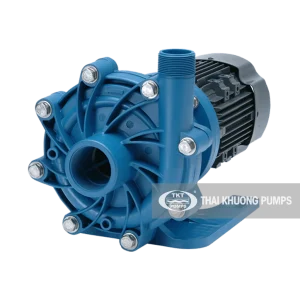
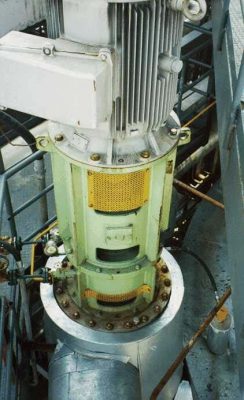
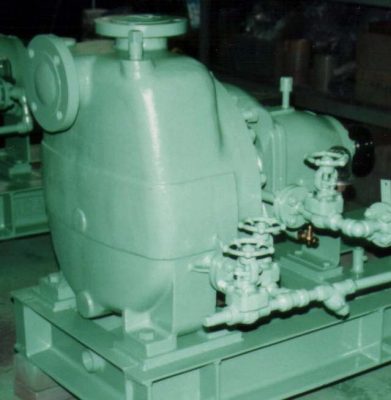
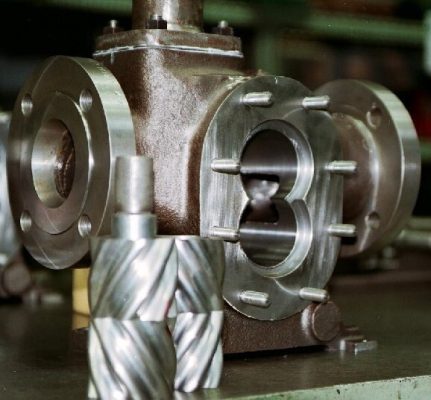
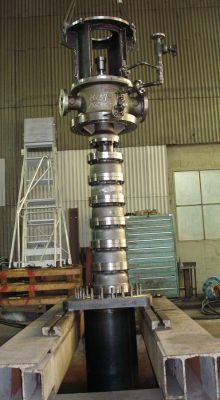
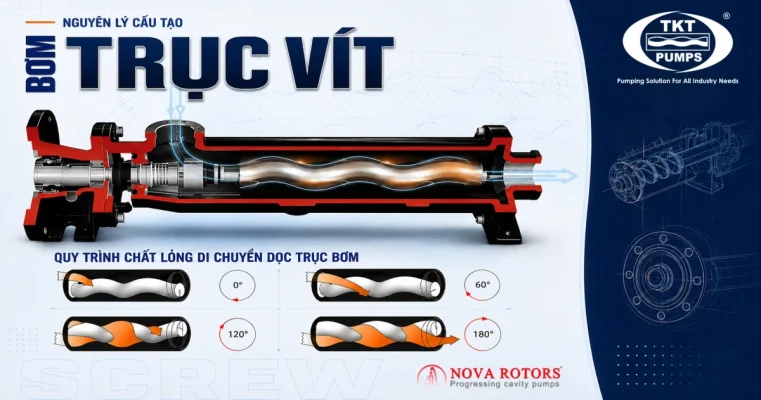
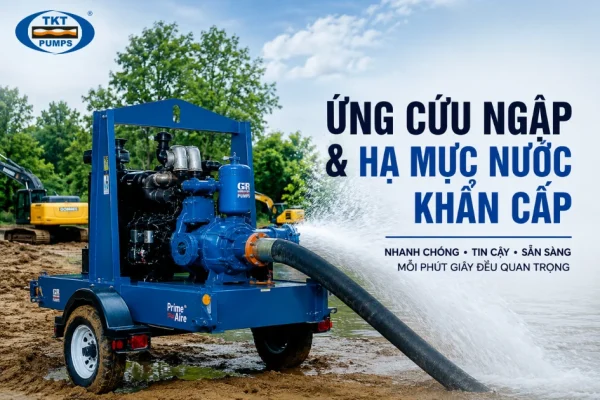
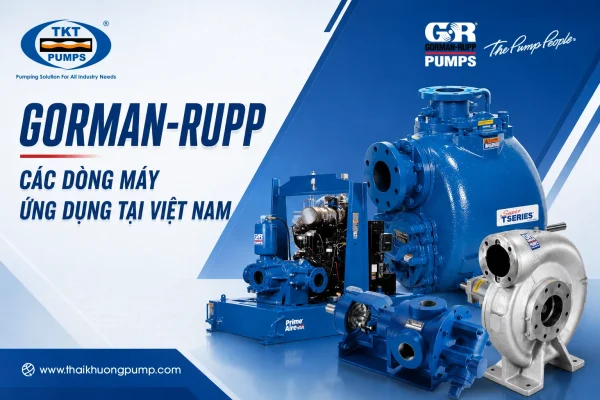
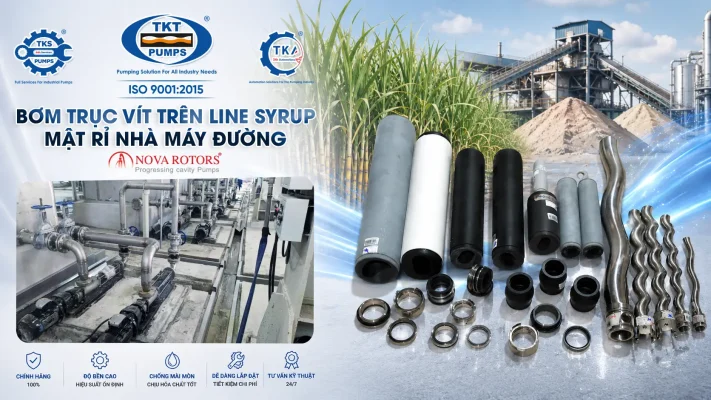
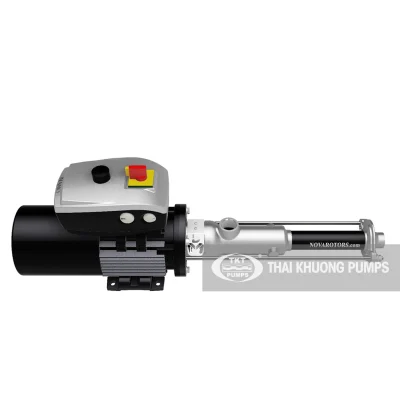
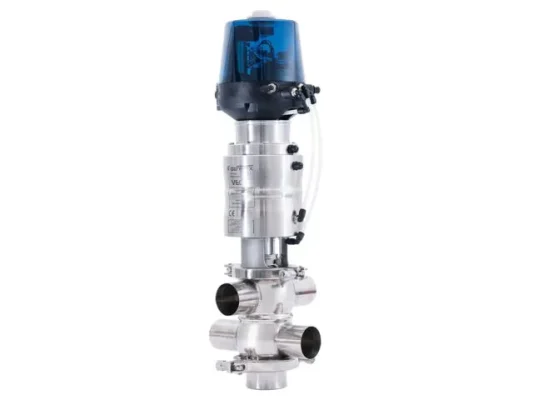
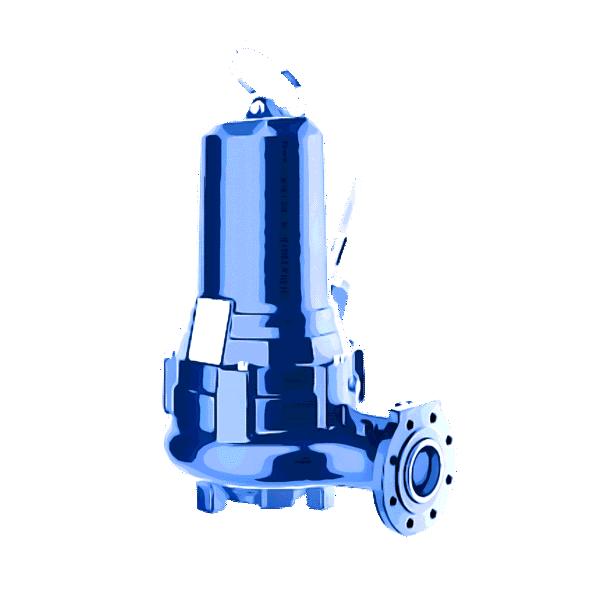
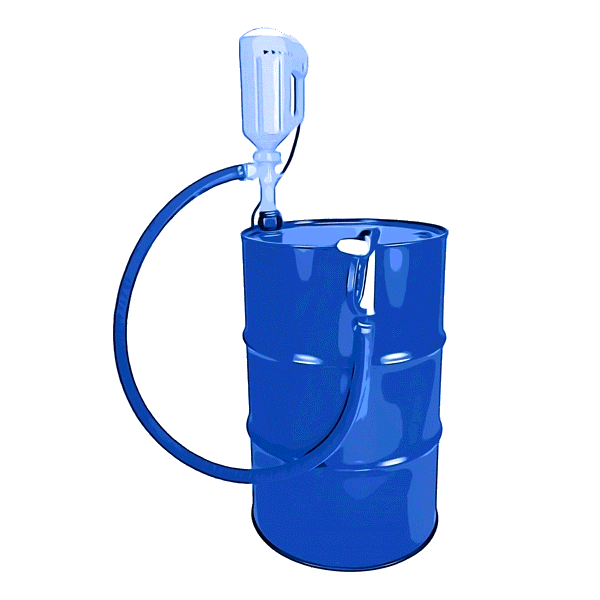
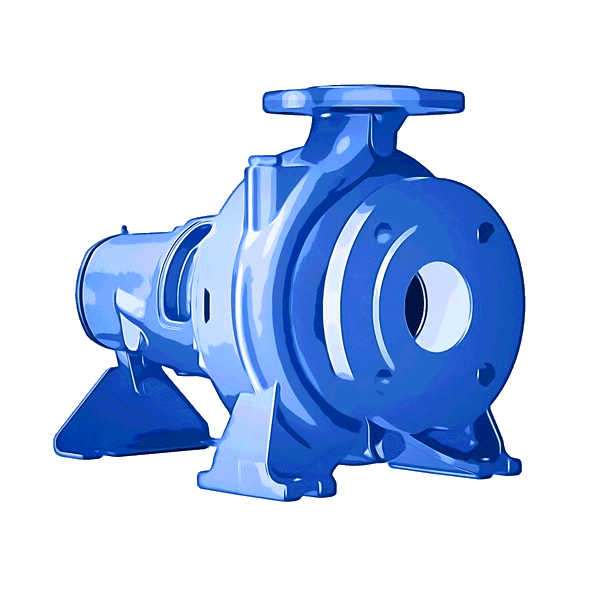
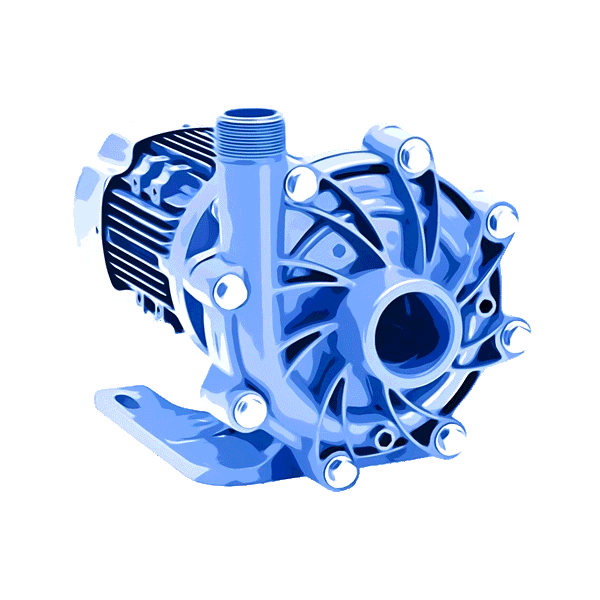
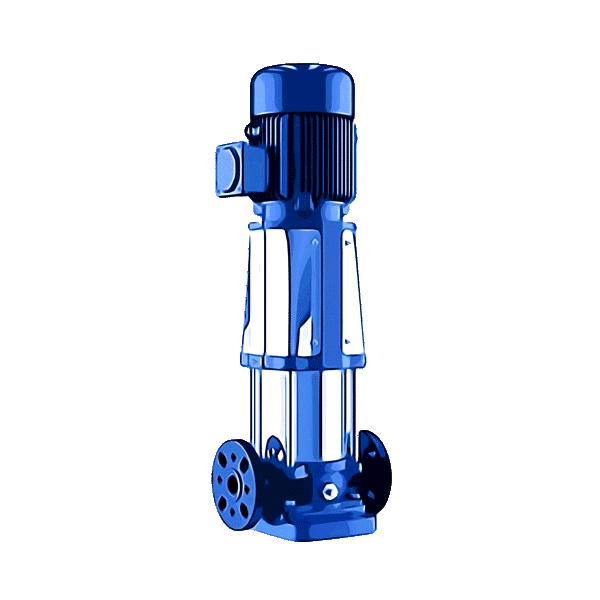
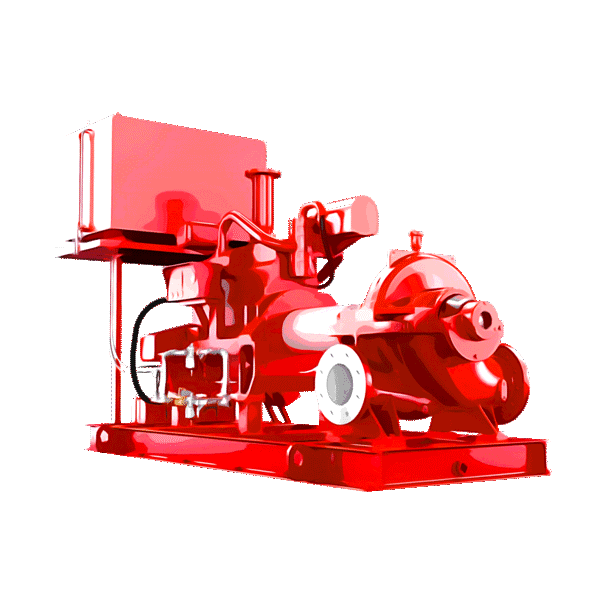
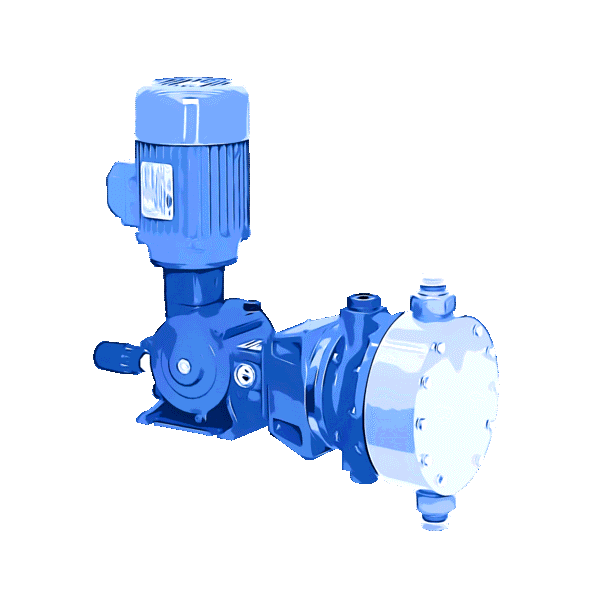
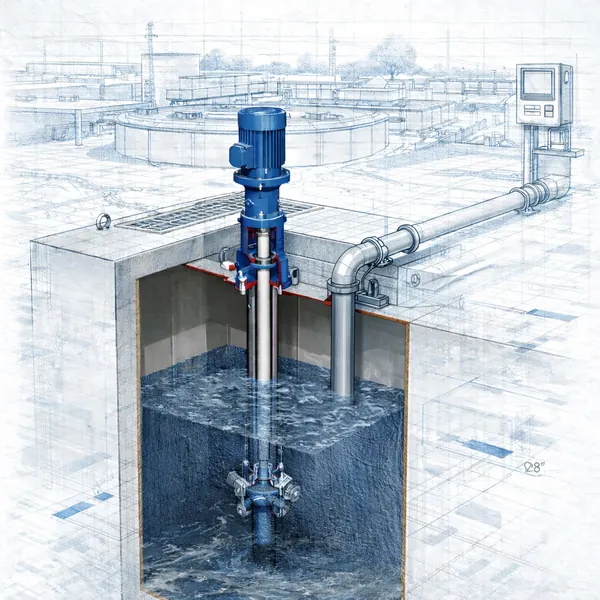
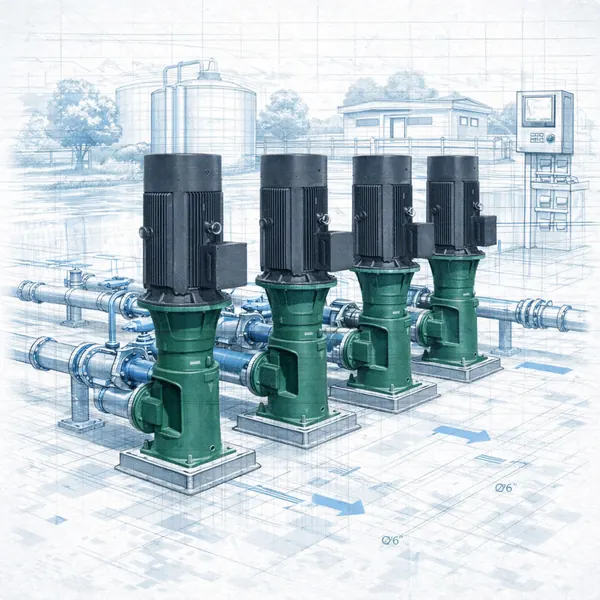
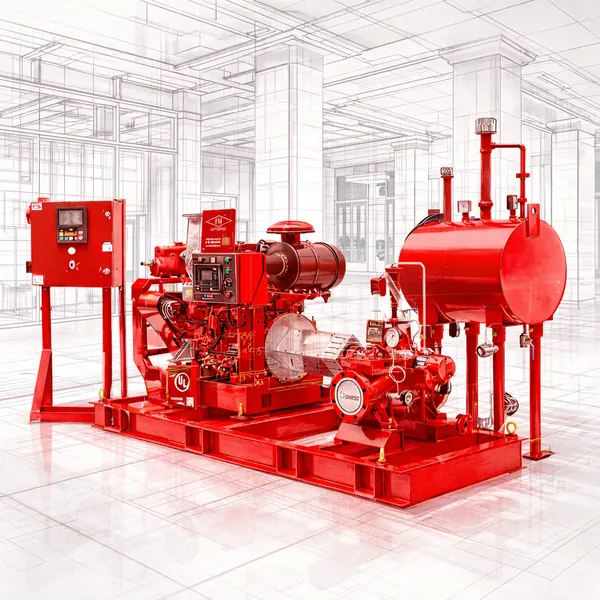
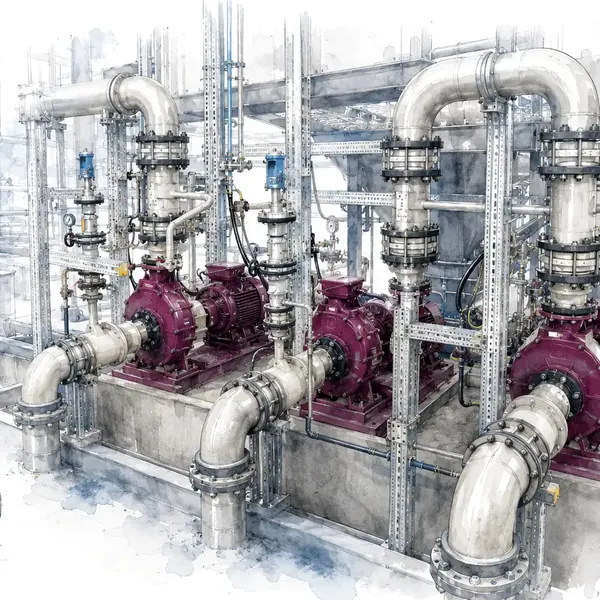
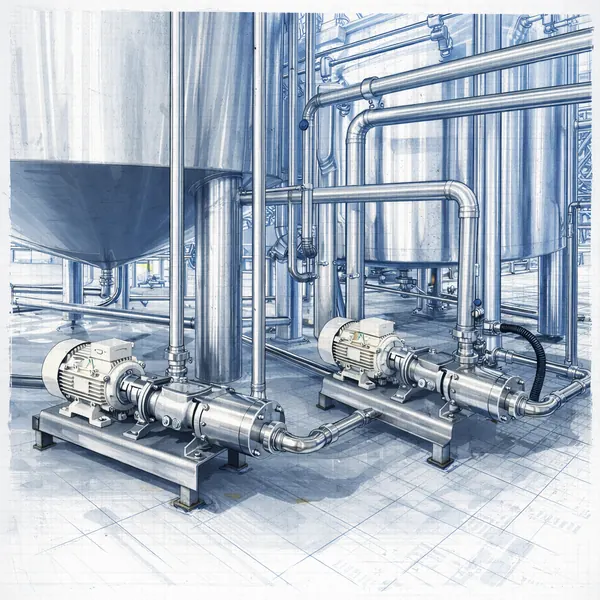
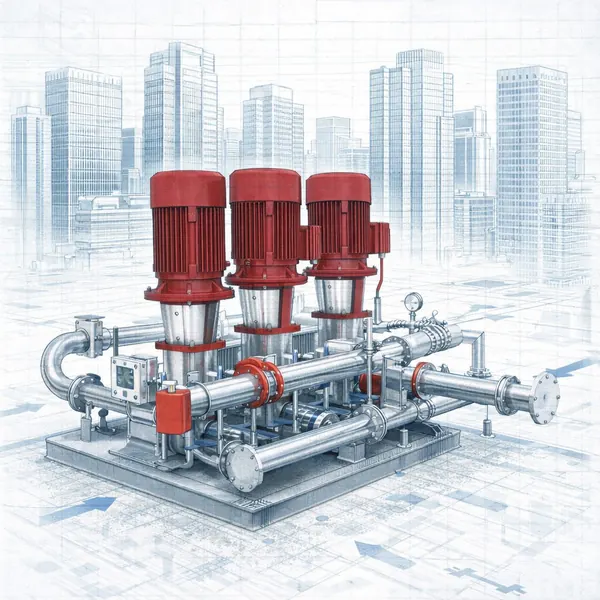
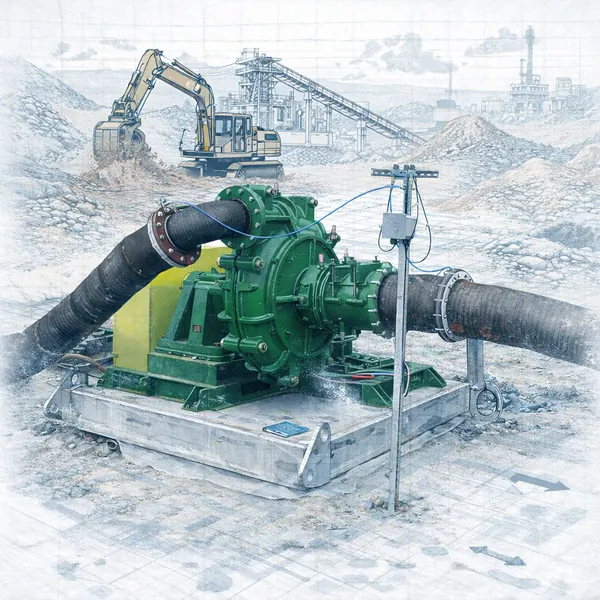
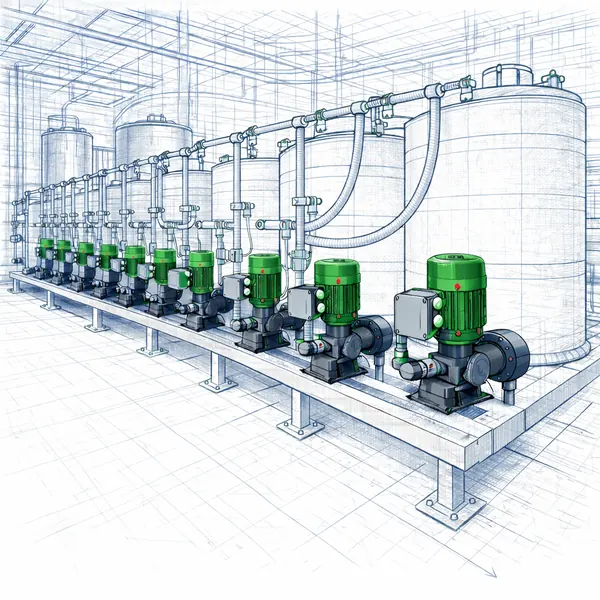
Electric motor applicationsFor example: An electric motor is used to drive a centrifugal pump or screw pump… in fluid pumping applications in industrial plants such as: F&B, petroleum, textile dyeing, wastewater treatment, etc.
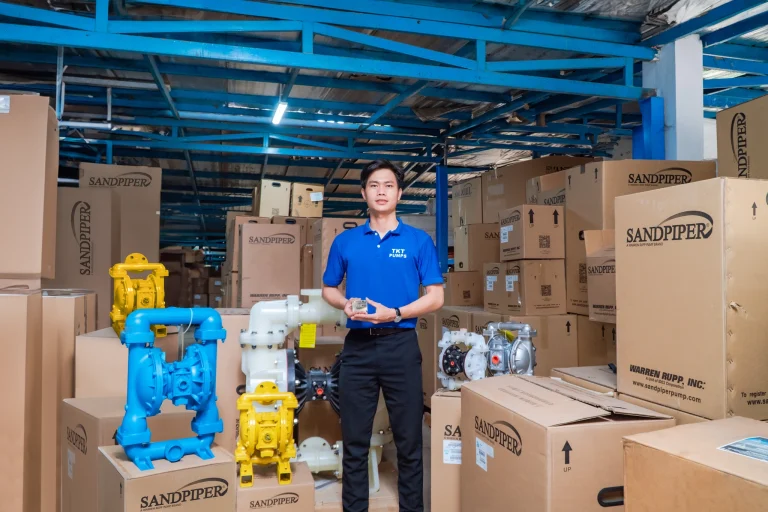
Through this article, you have learned about the types of electric motors currently available on the market, as well as how they combine with various industrial pump lines.
If you need advice on selecting industrial pumps or choosing the right electric motor for a pump, contact Thái Khương today!