












Comprehensive Booster Pump Solutions for High-Rise Buildings (A-Z)
Have you ever experienced the frustration of a weak shower at the penthouse level of a modern building, or waited a long time for a water tank to fill? These are signs of a water supply system that has not been properly optimized — a core challenge that every high-rise building must address. The heart of a water supply system, which determines the comfort and convenience of residents, is none other than the booster pump system.
In this comprehensive A-Z guide, the engineers at Thái Khương Pumps will walk you through every aspect of a booster pump system for high-rise buildings: from construction and working principle, to how to select the right system, installation standards, and efficient operation.

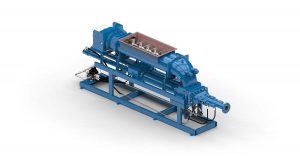
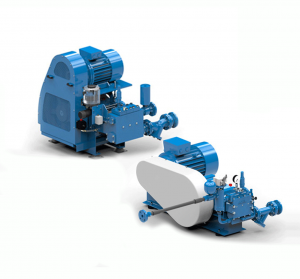
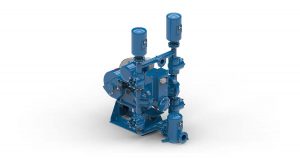
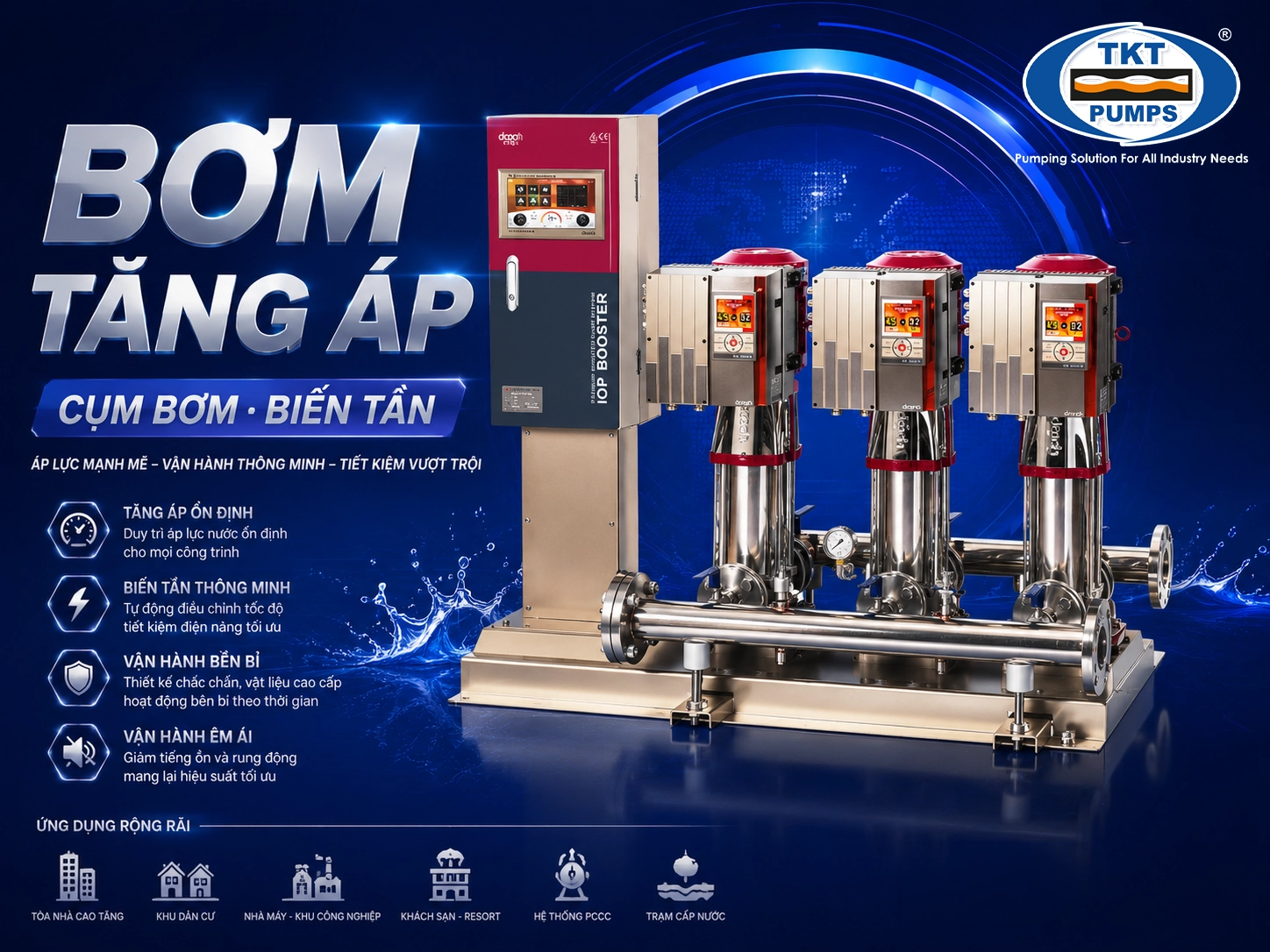
Vertical booster pump system for high-rise buildings supplied by Thái Khương Pumps
1. What Is a Building Booster Pump System and Why Is It Critical?
Simply put, a booster pump system (Booster Pump System) is an assembly of equipment designed to increase and maintain water pressure within the piping network, ensuring that every water outlet in the building — whether on the lowest or highest floor — has strong and stable water pressure.
If the building’s pipe network is the bloodstream, then the booster pump system is the heart, continuously pumping and regulating pressure so that flow is never interrupted.
Key Components of a Standard Booster Pump System
A complete system is more than just a pump. It is a combination of multiple devices working in harmony:
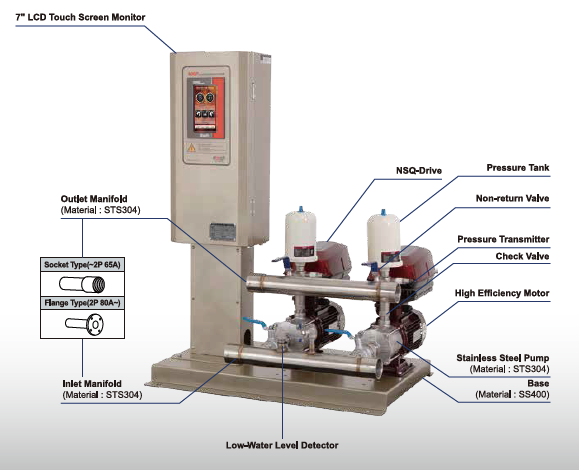
Construction diagram of a booster pump system for high-rise buildings
- Pumps: Typically vertical multi-stage centrifugal pumps, chosen for their ability to generate high head while saving floor space. A system commonly uses 2–4 pumps operating alternately and in parallel.
- Pressure Vessel: Stabilizes system pressure, reduces the frequency of pump starts and stops, thereby saving energy and extending pump service life.
- Control Panel: The brain of the entire system. The control panel receives signals from pressure sensors and commands the pumps to start/stop or adjust speed to meet actual water demand precisely. Variable Frequency Drive (VFD) control technology is now the gold standard.
- Sensors and Accessories: Including pressure transmitters, pressure gauges, check valves, gate valves, flexible couplings, and more.
Learn more: VFD technology offers significant advantages in energy savings and smooth operation. Read our in-depth article: [Internal Link] VFD Booster Pump Systems: An Energy-Saving Solution for Buildings.
[H2 Heading]
2. Comparing Common Types of Booster Pump Systems
There are two main control methods for booster pump systems, each with its own advantages and disadvantages.
| Criterion | On/Off Control System | VFD Control System |
|---|---|---|
| Working principle | Uses a pressure relay. The pump runs at 100% capacity when pressure drops and stops when pressure is sufficient. | Uses sensors and a VFD. The pump adjusts its rotational speed to maintain a constant preset pressure level. |
| Advantages | Lower initial investment, simple construction. | Significant energy savings (30–60%), highly stable pressure, extended pump and pipe service life. |
| Disadvantages | Causes sudden pressure drops, high power consumption, noise, and reduced pump service life due to frequent starts. | Higher initial investment cost. |
| Suitable for | Low-rise buildings with relatively stable water demand. | All modern high-rise buildings, hotels, hospitals, and commercial centers. |
3. 4 Key Steps for Selecting the Right Booster Pump System
Choosing the wrong booster pump system can result in energy waste, high operating costs, or insufficient capacity. Follow these 4 steps:
Step 1: Determine the Total Flow Rate (Q)
Flow rate is the total volume of water required at peak usage, expressed in m³/h or l/s. It is calculated based on the number and type of plumbing fixtures in the building.
Step 2: Determine the Total Head (H)
Head is the pump’s driving force, expressed in meters (m). This is the most important parameter and is calculated using the formula:
H (total) = H (static) + H (friction losses) + H (required pressure)
- H (static): The vertical height from the pump to the highest water outlet.
- H (friction losses): Pressure losses due to friction along the piping (depending on length, diameter, and pipe material).
- H (required pressure): The pressure required at the highest water outlet (typically 15–20 m).
Step 3: Select the Pump Type and Material
Based on the calculated (Q, H) pair, you select the appropriate pump model from the manufacturer’s performance curve chart. Vertical multi-stage centrifugal pumps are the most widely used choice.
Step 4: Decide on the Control System
As analyzed above, a VFD-based system is a smart and sustainable investment choice for most high-rise buildings.
Detailed guide: Accurate calculations require technical expertise. Refer to our step-by-step article: [Internal Link] Detailed Guide on How to Select & Calculate a Booster Pump System for Buildings.
4. Installation and Operation Standards for Booster Pump Systems
A quality system must be installed correctly to operate at full effectiveness.
- Foundation: The pump base must be level, solid, and capable of bearing the load and vibration of the system.
- Piping: The suction pipe diameter must be equal to or larger than the pump’s suction port. Valves, flexible couplings, and check valves must be installed in the correct positions.
- Electrical: The power supply must be stable and at the correct voltage. The electrical panel must be placed in a dry location with proper grounding.
- Operation: Always verify the pump’s rotation direction before the initial run, and ensure the pump is fully primed with water.
- Maintenance: Schedule regular inspections and servicing to detect issues early and ensure the system always operates at its rated condition.
Technical reference: To ensure safety and efficiency, always follow standard procedures. See: [Internal Link] Technical Guide to Installing & Maintaining Building Booster Pump Systems.
5. Thái Khương Pumps — Providing Comprehensive Booster Pump Solutions
Understanding the technical challenges and stringent requirements of high-rise projects, Thái Khương Pumps does not simply sell a product — we provide a COMPLETE SOLUTION.
- In-depth consulting: Our experienced engineering team surveys and calculates to recommend a system configuration that fits your project.
- Genuine, high-quality products: As the authorized distributor of reputable global pump brands such as DOOCH (South Korea), we supply products with high efficiency, durability, and energy savings — notably the VFD booster pump systems Dooch N747D Series and XQP Series.
- Turnkey service: We support you from design, equipment supply, installation supervision, and commissioning, through to after-sales maintenance and servicing.
Conclusion
A booster pump system is an important investment item that directly affects the quality of life and the value of a high-rise building. A clear understanding, correct selection, and accurate installation will deliver long-term benefits in user satisfaction and operational cost-effectiveness.
Do you have a project and need a professional booster pump solution?
Let the engineers at Thái Khương Pumps be your trusted partner.
Contact us via Hotline or fill in the form below to receive a free consultation today!