













Luppe is a term commonly heard in the context of motorbikes in Vietnam. In the pump industry, however, it refers to a specific device. A luppe is a component closely associated with suction-lift systems. What exactly is its purpose? What functions does it serve? This article will clarify everything!
What Is a Luppe?
What is a luppe? Anyone who works with pumps has almost certainly searched for this term at least once. In Vietnam, the device is commonly called a “luppe.” In the rest of the world, however, it has a more technical and self-explanatory name: the foot valve.

When you hear the term “foot valve” (which can be understood literally as a valve at the foot or bottom of the pipe), the concept becomes much clearer and easier to picture.
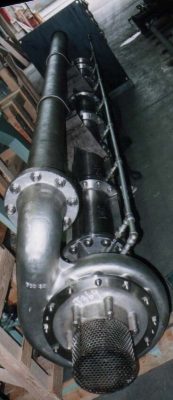
A foot valve, or bottom valve, is a one-way valve assembly installed at the end of the suction pipe. Its purpose is to retain fluid (water) inside the pump casing and suction line whenever the pump stops running, preventing backflow. At the same time, the strainer screen attached to the outside of the valve — commonly called a suction strainer or basket — keeps debris, roots, and large particles from entering the piping system.
Other Names for Luppe
As mentioned above, “luppe” is the Vietnamese term. The device is also known by several other names:
- Rọ bơm (pump strainer basket)
- Chõ bơm (pump foot fitting)
- Van chân (foot valve)
- Van đáy (bottom valve)
- Foot valve
If you want to research this device in greater depth, use the term FOOT VALVE. Searching with the word luppe will not return the technical information you are looking for!
Functions of a Luppe
A luppe — or foot valve / one-way valve — serves two main functions in a pump system:
- It keeps the fluid (water) present inside the pump casing and suction line whenever the pump is not running, maintaining continuous suction pressure within the pump system. This compensates for the non-self-priming limitation common to many pump types, particularly centrifugal pumps.
- It prevents debris, roots, and large stones or gravel from entering the pump system. This is achieved by the external strainer basket or mesh screen fitted around the valve body. Refer to the images in this article for a clearer picture.
In general, suction-lift (negative suction head) systems will always require a luppe to assist with pump priming. In flooded-suction (positive suction head) systems, a one-way check valve at the discharge end fulfills a similar function.
Common Types of Luppe
All luppe types on the market share broadly the same construction and working principle. The main differentiating factor — and the most common basis for classification — is the material from which they are made. In practice, quite a range of materials is used in the manufacture of foot valves.
Common materials include:
Plastic Luppe
Plastic luppe is a relatively recent addition to the market. It has gained wide acceptance due to its low cost, ready availability, and ease of use. In terms of durability, however, it is less robust than metal alternatives.
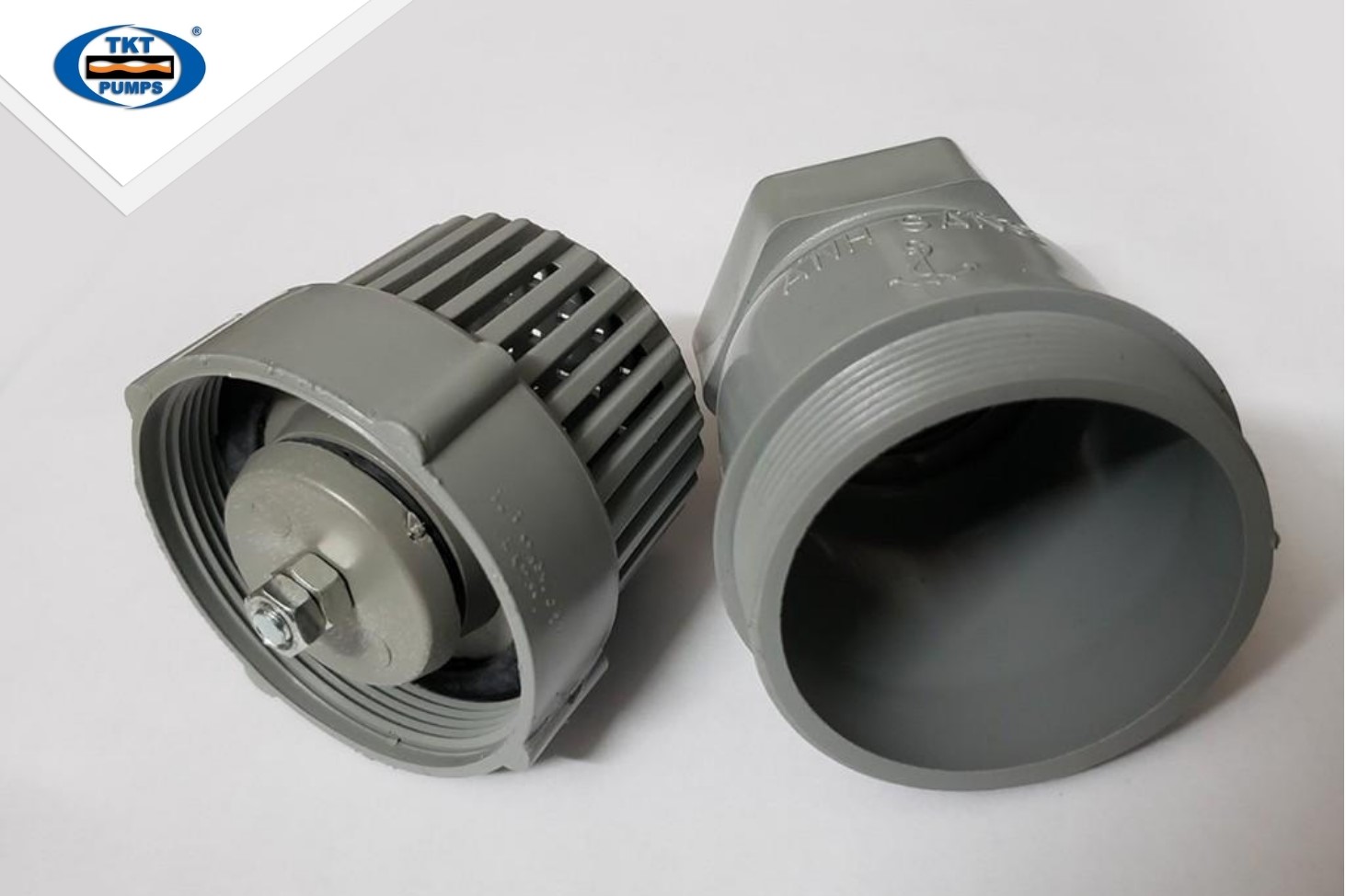
In wastewater treatment environments, this type is commonly used in tanks that handle water treated with chemicals.
Stainless Steel (Inox) Luppe
Stainless steel (inox) luppe, or stainless steel foot valves, are used in environments where hygiene is a priority — for example, in potable water supply systems.
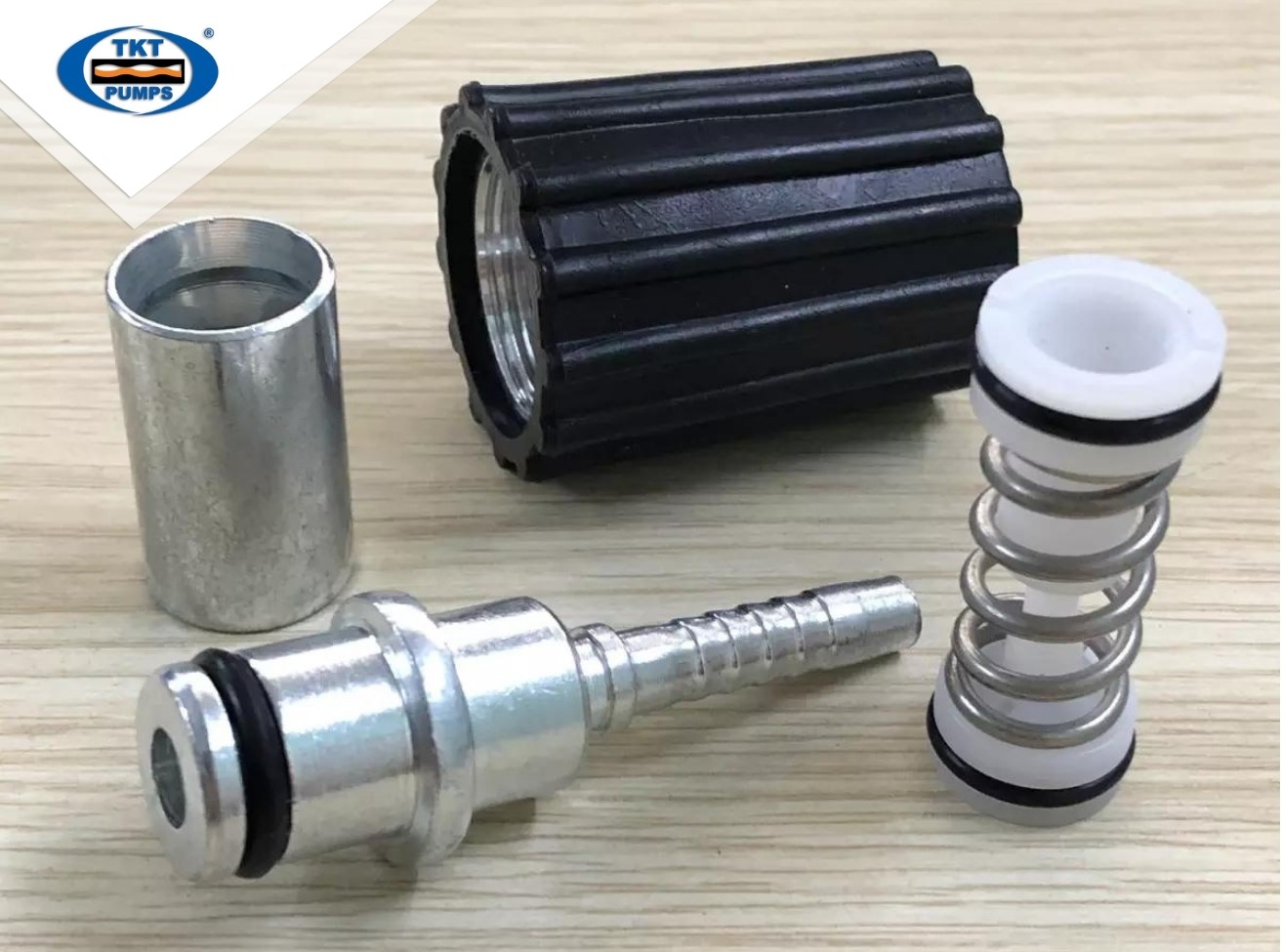
Some are also used in water extraction and water treatment applications where corrosive chemicals are involved.
Cast Iron Luppe
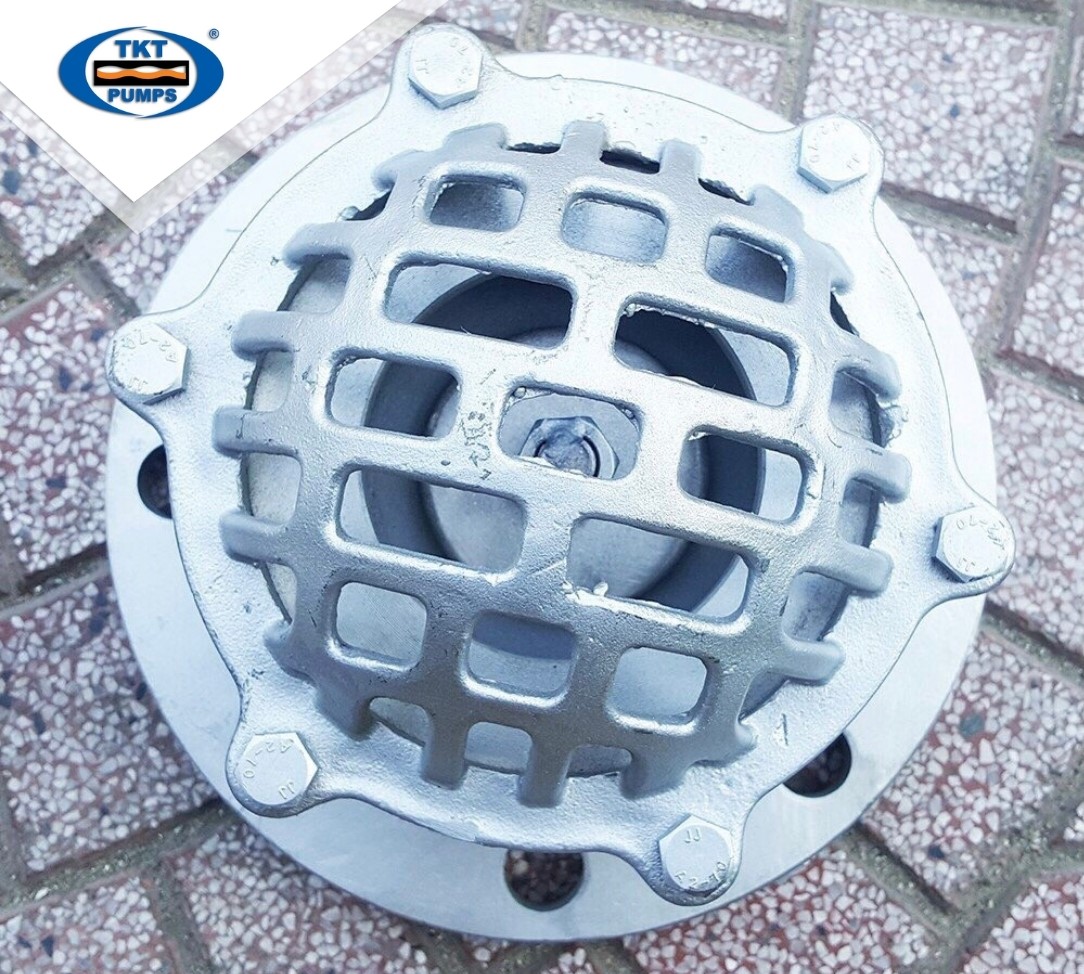
Cast iron luppe is a widely used type, commonly paired with residential centrifugal pumps. These pumps are typically installed above ground — mounted on a platform or suspended at a safe height above the water surface.

Cast iron luppe is generally used with pipe sizes ranging from DN50 to DN500.
Cast iron luppe does not require frequent cleaning, although it should be monitored regularly so that any debris lodged in the strainer basket can be cleared.
Brass Luppe
Constructed from brass, this type has one notable drawback: it requires frequent cleaning, as it tends to oxidize when submerged in water for extended periods. This oxidation can also affect water quality.
Brass foot valves are typically used in small-bore piping systems and are often supplied in a threaded (screwed) configuration.
Brass luppe is generally suited to intermittent-duty applications — for pumping from ponds, rivers, and streams rather than continuous-service installations.
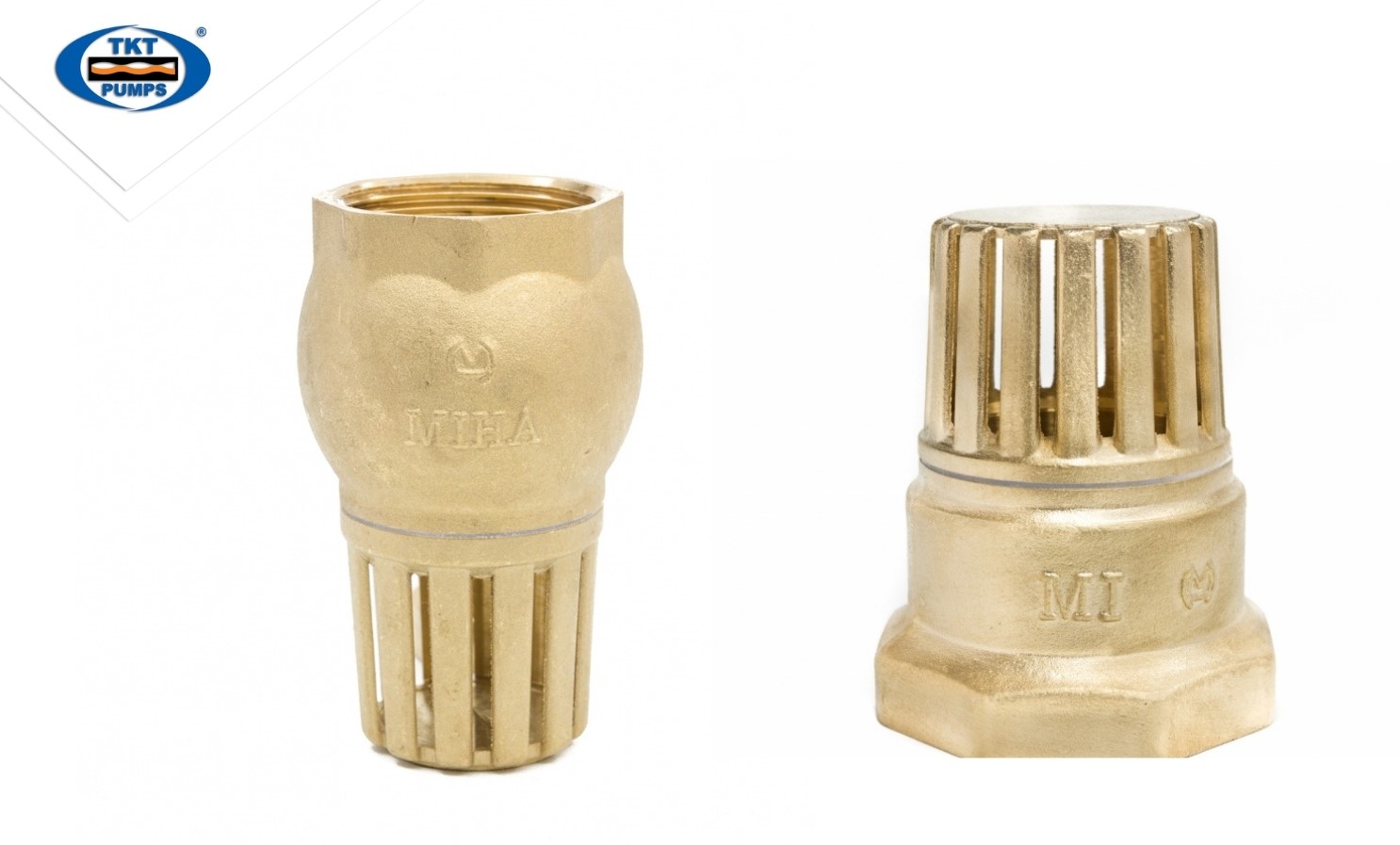
Beyond material-based classification, luppe are also categorized by application or design, including: metering pump luppe, well luppe, one-way luppe, pump luppe, spring luppe, flanged luppe, strainer basket luppe, and more.
They are also sized by pipe diameter, for example:
- Luppe Ø27
- Luppe Ø60
- Luppe Ø76
- Luppe Ø90
- Luppe Ø140
Applications of Luppe
Luppe — whether called a foot valve, bottom valve, or suction strainer — is an accessory component that forms part of a pump system. Its applications are therefore closely tied to those of the pump itself.
Typical applications include:
- Dug-well water pump systems
- Borehole (drilled-well) water pumps
- Pumping water from rivers, lakes, and streams to irrigation fields
- Water pump systems in wastewater treatment
- Pumping water from storage tanks to high-rise buildings
- Strainer baskets used in fire-fighting pump systems

Selecting the Right Foot Valve
There are many situations that call for a foot valve. Whenever an application requires one-directional fluid flow, a foot valve is necessary. A well-chosen foot valve helps save energy and protects the water pump from damage, extending the overall service life of the system.
Bear in mind that it is important to use the highest-quality foot valve you can source, since these components can be difficult to access once they have been installed.
PVC foot valves are a suitable choice for most applications — they are cost-effective and lightweight. However, PVC luppe cannot be used in applications involving elevated temperatures or pressures. For applications requiring resistance to specific chemicals, metal valve options such as brass and stainless steel are available.
This article has clarified what a luppe is and its role as an accessory in a pump system. If you need advice or further support in selecting a centrifugal pump for your facility’s treatment system, contact Thái Khương today!