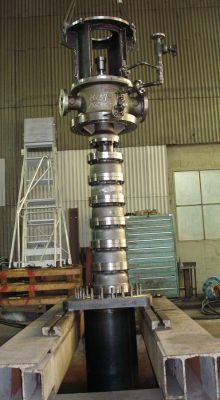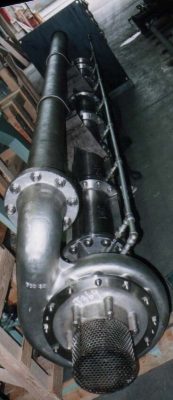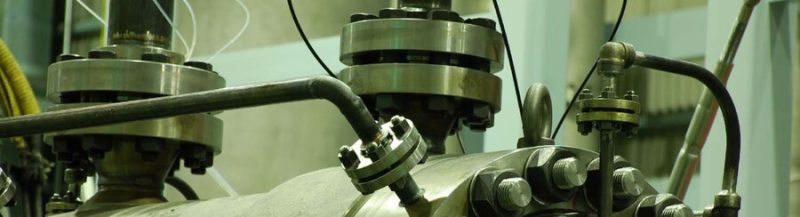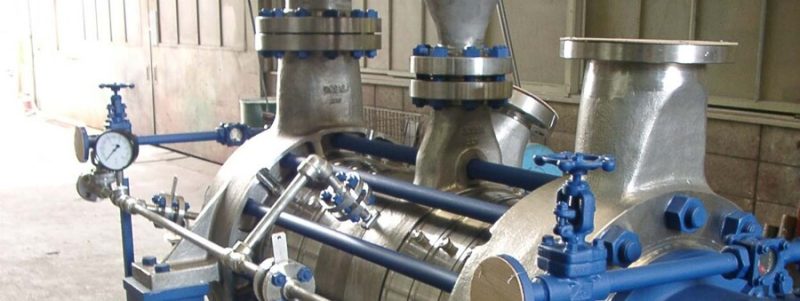














When it comes to pump overload, those of us working in technical fields often wearily respond: “It happens all the time!” So why do water pumps overload? What causes it? Is there any way to fix the problem? This article may have the answers for your situation!
Water Pump Overload
In manufacturing lines at factories, pumps are almost indispensable equipment. Not only for supplying water, but also for pumping other fluids such as chemicals, tomato sauce, flour, milk, chocolate… The condition of a water pump overloading or running with excessive noise is usually caused by cavitation, or other mechanical and electrical faults that must be diagnosed before corrective action can be taken.
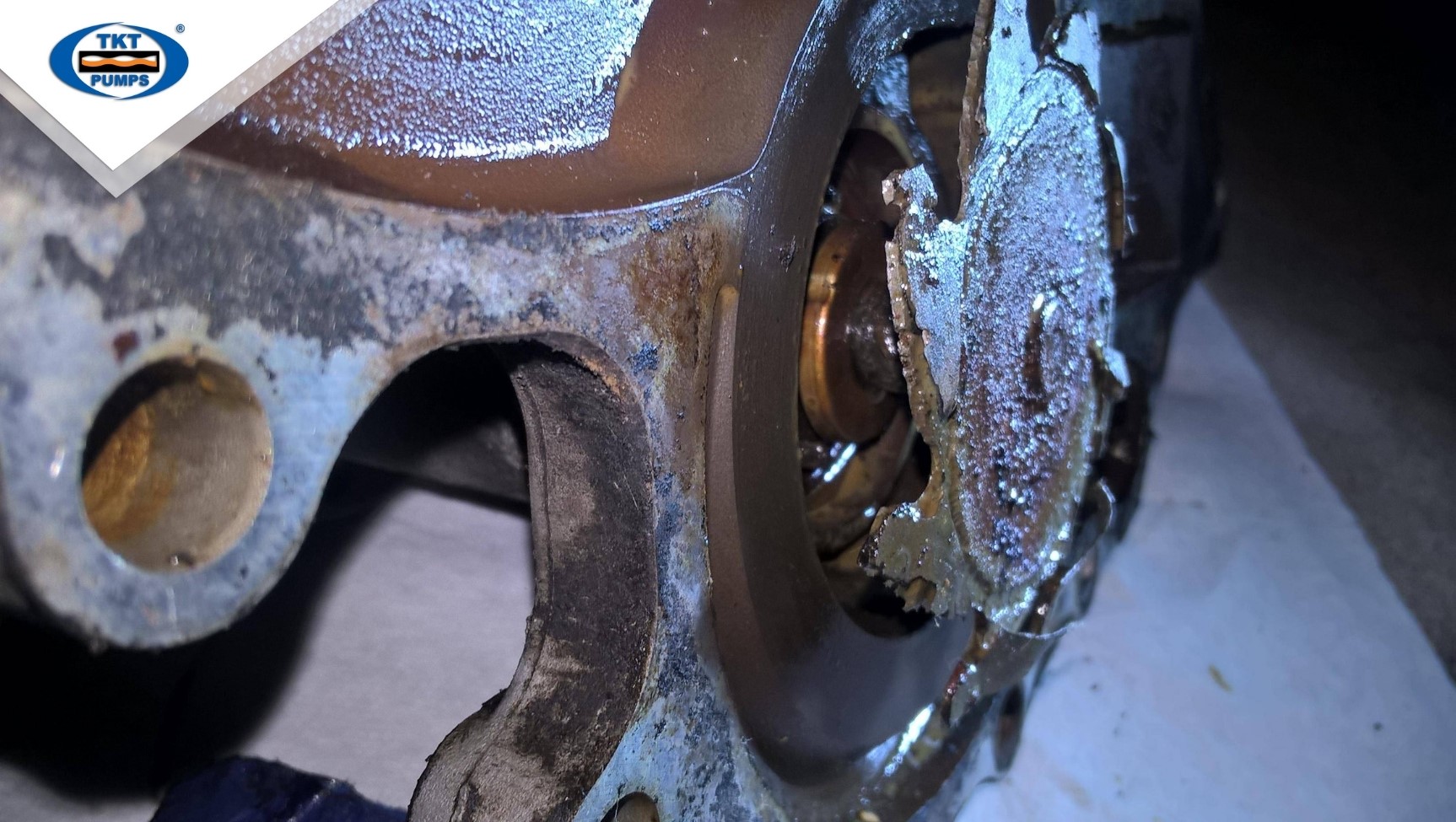
For centrifugal pumps experiencing overload, the condition typically has a direct impact on the drive motor. The causes of pump overload can stem from many reasons; below are some of them:
- Centrifugal pumps driven by AC induction motors should be started with minimum load at startup
- Careful adherence to certain procedures during startup of industrial pumps helps avoid the risk of sudden high current spikes acting on the motor when the pump is started
- Centrifugal pumps with radial impellers consume more power as flow rate increases. Therefore, when the system resistance of the pump decreases, more fluid is pumped, leading to increased power consumption. In such cases, there is a tendency for the motor to trip due to overload.
Pump Hydraulic Power Requirement Equation
The hydraulic power requirement to operate a pump can be calculated using the following equation:
P (KW) = (Q*H*Sp.Gr)/(3.6*10^6)
Where:
- Q is the flow rate in m³
- H is the head measured in meters
- Fluid density (Kg/m³).
- Sp.Gr is the specific gravity of the fluid (m/s²)
Operating Centrifugal Pumps to the Right of the BEP (Best Efficiency Point)
Centrifugal pump operation can present various problems due to cavitation, or the shaft may become misaligned, with mechanical seals and bearings subject to high loads. This can cause water pump overload, reducing pump efficiency and increasing pump power consumption, which may seriously affect the motor.
The pump operating curve is commonly used as the basis for estimating the safe operating range for a pump. Most users prefer their pump to have an Nss within the range of 8000–11,000 FPV for stable operation without issues.
Causes of Pump Overload and Noisy Operation
During the operation of pump equipment — for example centrifugal pumps — overload and failures are difficult to avoid. What we need to do is identify the causes and then develop solutions that are as cost-effective as possible in terms of money, labor, and time. The following are some cases where pump overload may be caused by:
- Pump operating at excessively high speed for extended periods
- Process fluid with viscosity higher than the pump’s rated capacity
- Impeller oversized, not matching the dimensions recommended by the manufacturer or specialist
- Total system pressure higher or lower than expected
- Misalignment between pump and driver
- Poor contact between the drive component and the pump impeller
- Bearings worn or damaged
- Seals exerting excessive pressure on the pump shaft
- Pump positioned too far from the operating point (water source, outlet)
Now that we know the causes, let’s discuss how to remedy water pump overload!
How to Fix Water Pump Overload
As you can see, there are many causes that can lead to water pump overload. We need to identify and rule out the causes when looking for ways to remedy the situation and return the pump to safe operating condition. Below, Thái Khương shares remedies for some common situations and causes of water pump overload.

- The phenomenon of a noisy pump — as we know, the cause of loud noise during pump operation is due to problems with internal components in the pump casing. Bearings may be broken, impeller blades chipped or fractured due to prolonged cavitation, generating loud noise. For this phenomenon, the pump casing must first be disassembled and the internal components evaluated. Then replace and service the sealing components and parts. Establish a scheduled maintenance timeline for the pump.
- Another cause of pump overload that we most commonly encounter is the pump starting and stopping repeatedly. This causes the pump to heat up faster, and mechanical seals, gaskets, and bearings wear out sooner. To remedy this situation, we need to plan pump usage appropriately. Perform regular pump maintenance. For high-capacity pumps, use startup assistance equipment such as soft starters, variable frequency drives (VFDs), etc.
In addition, there are many other causes of water pump overload during operation. If you are not familiar with pumps, or have a need for comprehensive pump system maintenance services in your factory… please contact the TKS technical team at Thái Khương right away. We will help you minimize downtime and improve your pump system’s performance!
Thái Khương is a supplier specializing in industrial pumps with brands from Europe, the United States, and more. High quality, with reliable after-sales support. Do you need solution consulting or need to select a pump for your project? Contact Thái Khương now for prompt and dedicated technical consultation!