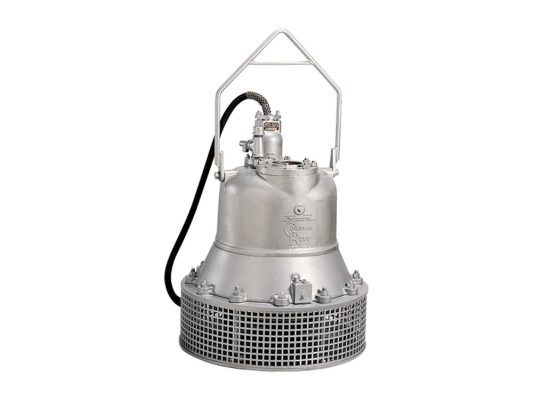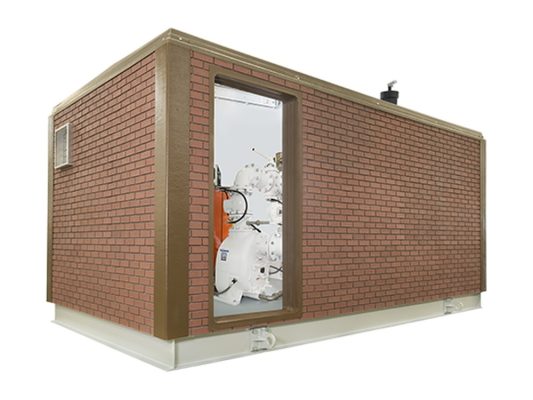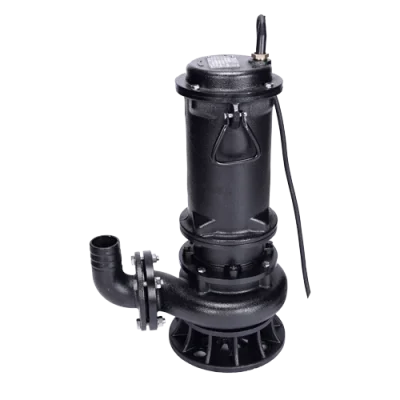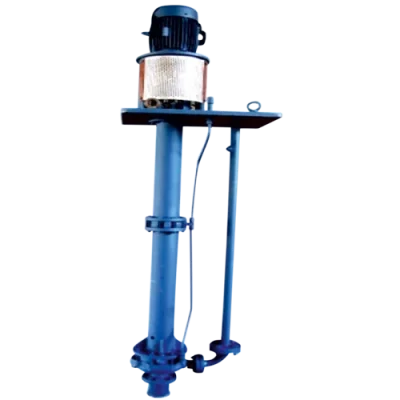














During the dredging process, a dredging machine is used to remove silt and sediment from the bottom or sides of a body of water. A dredging vessel is equipped with a submersible pump that operates on suction force to excavate debris. How do they work? A long pipe transfers the sediment from the bottom of the water to the surface. The handling of dredged material must be carried out in compliance with local government laws and regulations…
Why Is Sediment Dredging Necessary?
You may have heard of a naturally occurring process called sedimentation — the accumulation of silt, sand, and other debris at the bottom of rivers, lakes, canals, or streams over time. Excessive sediment accumulation can cause a wide range of problems. For example, it can reduce the depth of waterways and prevent vessels from passing through. It can also lead to pollution that threatens aquatic plants and wildlife. In coastal areas, sediment buildup can cause beaches to erode.
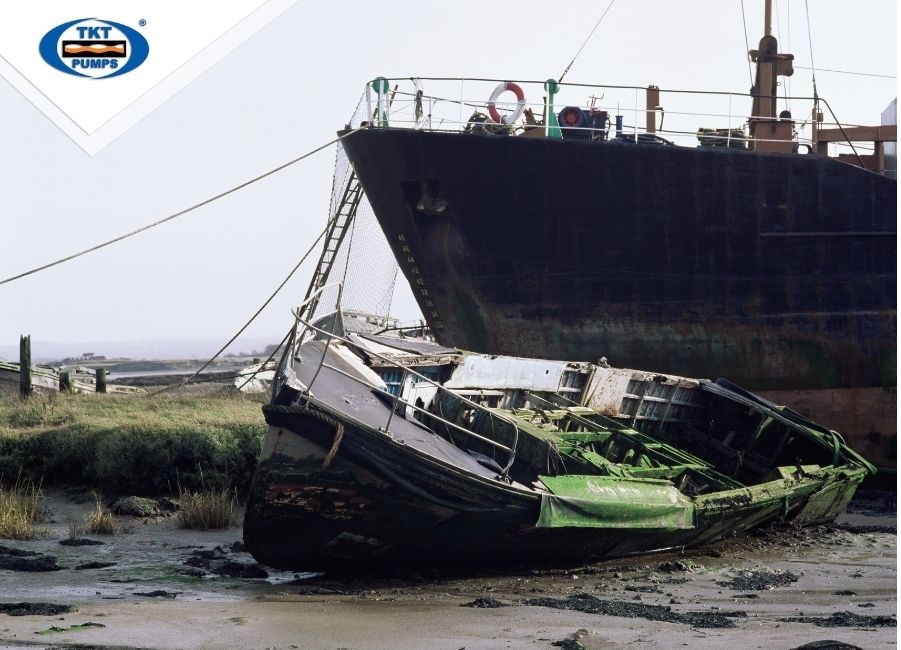
Waterways such as rivers, lakes, harbors, and bays serve everything from freight transport to commercial fishing and recreation. Over time, these waterways can become filled with sand, silt, and debris — or sediment — making them difficult to navigate and sometimes posing environmental hazards.
In most cases, it becomes necessary to find a way to remove large volumes of accumulated sediment in order to maintain clear waterways and allow their continued use for commercial applications. A process known as dredging can provide an efficient and timely sediment removal solution. There are various dredging methods that can be employed for the sediment removal process.
The sediment removal process may use a machine called a dredger to excavate accumulated silt and debris. A dredging vessel is partially or fully submerged in water, allowing the operator to easily collect sediment and transport it to another location. Once dredging is complete, the silt and sand are transferred to a new location and put to various uses. There are also other types of machines such as excavators that can be used to remove silt and sand.
Dredging Pumps
Dredging pumps — what are they exactly? Are they simply water pumps repurposed for pumping silt?
They are still pumping devices, but they are purpose-built for the task — not the household or general industrial water pumps you might be familiar with.
You will most commonly see them deployed in mines, construction excavation pits, and particularly in projects involving the dredging of canals, rivers, and harbors.
They can be large, heavy-duty units — or even massive machines — fitted with large-diameter pipes made of steel or PVC, enabling soil, mud, and sand to flow through freely.
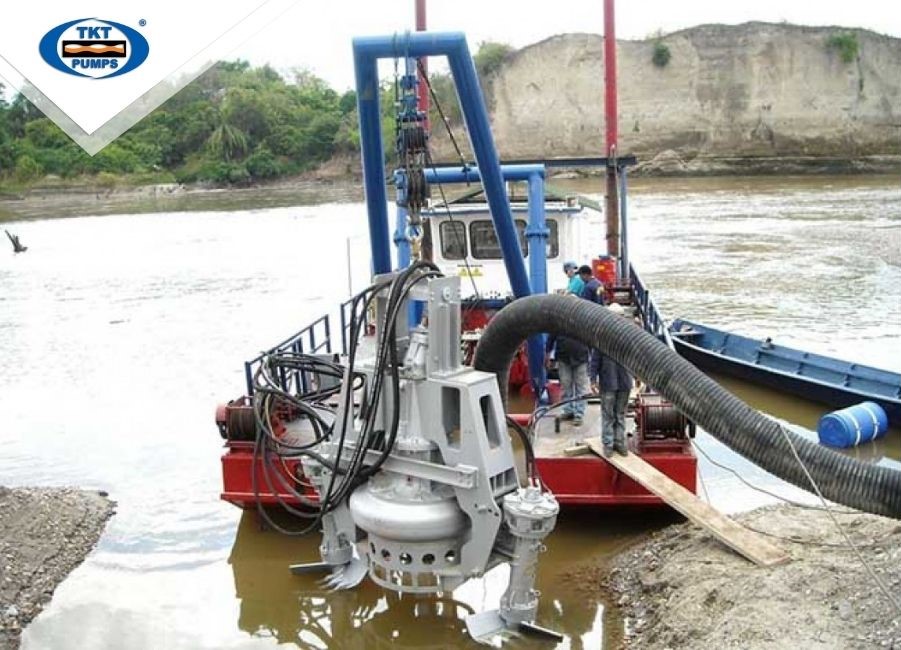
The most common type of dredging pump is the submersible pump.
How Dredging Machines Work
During the dredging process, a dredging machine is used to remove silt and sediment from the bottom or sides of a body of water. A dredging vessel is equipped with a submersible pump that operates on suction force to excavate debris. How do they work? A long pipe transfers the sediment from the bottom of the water to the surface. The handling of dredged material must be carried out in compliance with local government laws and regulations.
During operation, the operator lowers the dredging arm to the bottom (or side) of the body of water. The submersible pump then draws in material while an agitator loosens and removes debris from the bed of the waterway. The silt and debris are then transported away for final disposal.
Characteristics of Dredging Machines
Dredging pump models vary by manufacturer in terms of integrated technologies and functions. However, the general characteristics of this pump category are:
- Heavy-duty pumping equipment
- Large, robust, and heavy construction
- Very large inlet and outlet ports to handle solid-laden fluids of significant particle size
- Noisy in operation, but highly durable
- Impeller construction typically uses materials with strong resistance to corrosion and erosion
- Predominantly diesel-engine driven; some models also operate on three-phase electrical power
What Are the Benefits of Sediment Dredging?
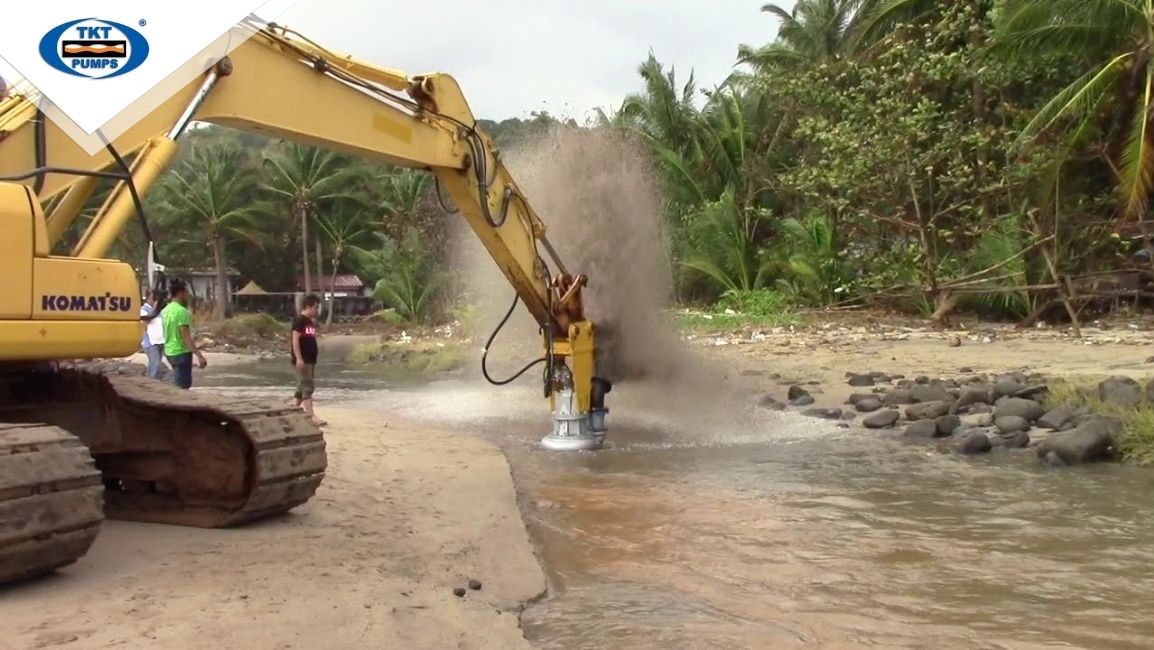
Dredging delivers a range of benefits for transportation, construction, and other projects. The advantages of dredging include:
- Widening and deepening waterways
- Waterway project preparation
- Land reclamation projects
- Dredging also offers numerous environmental benefits, including:
- Environmental remediation: Removing sediment can help restore coastlines or beaches to their original condition by reversing the effects of soil erosion.
- Cleanup applications: Dredging can clean up waterways after spills of hazardous materials, or through the removal of waste, debris, decomposing vegetation, silt, or other materials that may contaminate water and soil.
- Aquatic habitat conservation: Dredging can create a healthier aquatic ecosystem, in turn providing a more suitable habitat for fish and other wildlife.
- General pollutant removal: Removing sediment can prevent the buildup of contaminants and keep waterways clean and healthy.
- Remediation of eutrophic bodies of water
Applications of Dredging Machines
Typical applications of dredging machines include:
Waterway maintenance: Dredging is a key waterway maintenance step — arguably its most important application. By removing accumulated debris, dredging can restore a waterway to its original depth and condition. It also eliminates dead vegetation, pollutants, and waste concentrated in these areas.

Creating new waterways: Many ports are developing new waterway routes through dredging to reach new commercial hubs and improve freight transport efficiency. Dredging ensures that cargo vessels of all sizes can berth safely without running aground.
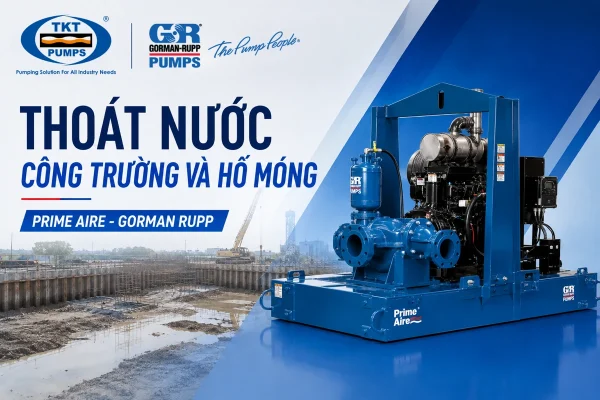
Excavation: Sediment removal plays an important role in preparing for construction projects such as bridges, docks, and piers by carrying out the necessary underwater excavation work.
Remediation: Dredging can remove contaminants resulting from chemical spills, sewage accumulation, decomposing organic matter, and stormwater runoff.
Increasing waterway depth: When sediment accumulates at the bottom of a waterway, it reduces water depth. Dredging removes the accumulated debris, which can restore the body of water to its original depth and reduce the risk of flooding.
Beach nourishment: Storms, offshore extraction, natural disasters such as tsunamis, and human-caused events can cause coastlines to erode over time. Dredging can help restore beaches to their original condition. Coastal areas subject to persistent erosion can alter the landscape and impact local ecosystems. Dredging reverses the effects of soil erosion, preserving the local ecosystem along with its native aquatic species and plant life.

Construction material collection: The sediment removal process is sometimes used to gather sand, gravel, and other debris used as concrete aggregate for construction projects.
Precious metal recovery: In certain bodies of water, sediment may contain traces of precious metals such as gold and diamonds. Dredging can assist in excavating mineral-rich sediment layers.
Pond and lagoon cleaning: Because ponds and lagoons hold stagnant water, they can often become slimy and malodorous. Through dredging, the accumulated sediment that causes this can be removed, resulting in a cleaner body of water.
Need advice on selecting a dredging solution for your waterway or mining project? Contact Thái Khương today!