



Join Thái Khương in exploring the common types of industrial pump troubleshooting issues and how to address them effectively:
Pumps are indispensable equipment across many industries. And with the rapid pace of industrial development today.
To meet these demands, industrial pumps must operate continuously, function in harsh environments, and handle highly corrosive fluids — not to mention the unexpected issues that may arise during use and affect pump performance.
As a mechanical device, malfunctions and failures are unavoidable. However, given the cost and maintenance expenses of an industrial pump, troubleshooting and repair have never been straightforward.
It is important to note that once a pump fails, beyond the inconvenience and high cost of repair, it can also significantly affect operational efficiency and other production processes along the line.
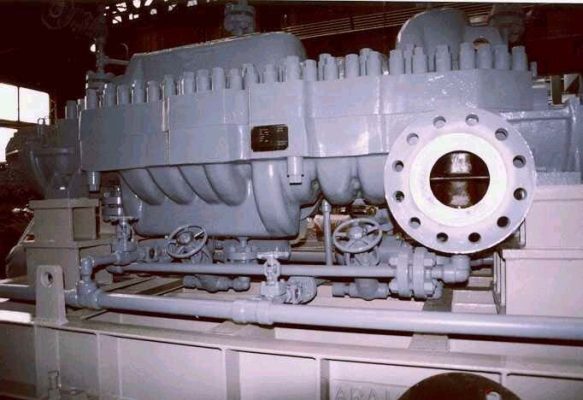
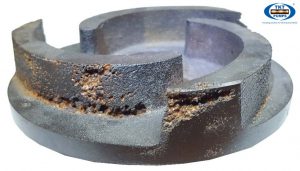
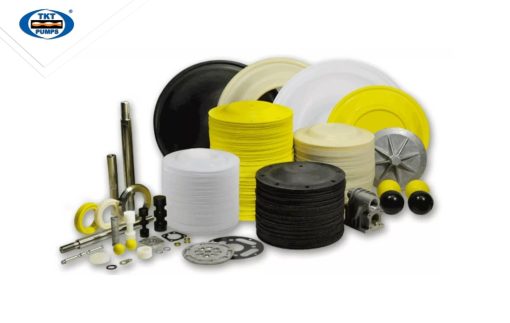
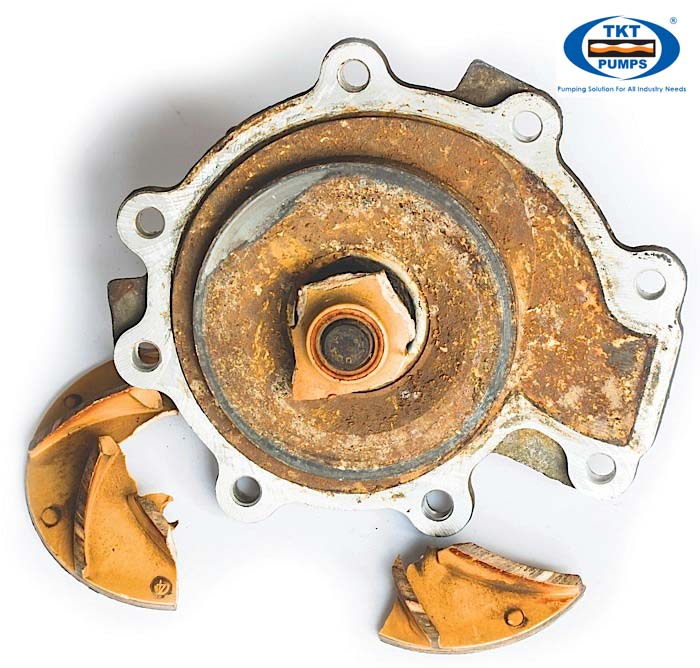
Worn pump components“Prevention is better than cure” — the most effective way to minimize unwanted pump issues is for users to understand the main causes of pump failures, so they can adopt appropriate preventive measures and operating practices.
Let’s work with Thái Khương Pump to “diagnose” these issues and identify repair solutions for the following common pump troubleshooting cases:
Insufficient Pump Capacity
The main causes of insufficient pump capacity are typically:
- The suction pipe is not fully filled with fluid.
- Insufficient NPSH value.
- Excessive gas content in the fluid.
- Air leaking into the pump or suction pipe.
- Pump impeller is clogged.
- Bearings are worn.
Pump Fails to Deliver Fluid
The main causes of a pump failing to deliver fluid may include:
- Pump is not primed.
- Insufficient NPSH value.
- Air bubbles present in the suction pipe or air leaking in.
- System head exceeds the total head of the pump.
- Pump is operated in parallel with applications having different characteristics.
- Foreign objects present in the impeller.
Pump Loses Prime After Starting
The main causes can be identified as follows:
- Suction pipe is not filled.
- Insufficient NPSH due to pressure fluctuations during suction.
- Air or gas leaking into the pump.
- The submergence level changes during pump operation.
Pump Motor Overload
The main causes of pump motor overload are:
- Pump operates at a speed higher than the manufacturer’s rated speed.
- System head during operation is higher or lower than the manufacturer’s specified parameters.
- Pumping fluids with different specific gravities.
- Pumping fluids with varying viscosity.
- Improper motor installation and repair.
- Rotating parts of the pump contacting or rubbing against other components.
Frequent Bearing Failure
The main causes can be explained as follows:
- Misalignment during installation.
- Pump shaft is bent or deflected.
- Bearings worn (counterfeit parts).
- Pump shaft misaligned due to improper installation.
- Excessive pump thrust due to worn or clogged balance holes.
- Insufficient lubrication.
- Inaccurate bearing installation.
- Bearing housing cover overcooled.
- Bearings corroded due to water ingress.
Pump Impeller Seizure
The main causes of this condition may include:
- Foreign objects becoming lodged in the pump.
- Impeller rubbing or collision.
- Bearings worn.
- Insufficient clearance for the wear ring.
- Impeller not lubricated.
Pump Vibration
The main causes that may lead to pump vibration during operation:
- Gas leaking into the pump.
- Pump operating below minimum flow rate.
- Foreign objects in the impeller causing imbalance.
- Pump misalignment during installation.
- Damaged bearings.
- Pump shaft bent or deflected.
- Unstable pump mounting base.
Identifying Troubleshooting Issues Across Other Pump Types
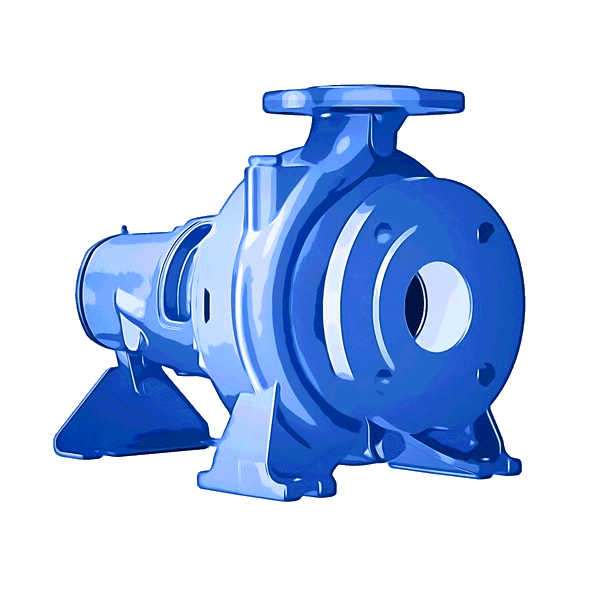
Centrifugal pump: Common issues are hydraulic system failures. The pump failing to discharge fluid and low discharge pressure are frequent problems encountered. According to estimates, excluding mechanical structural defects, approximately 85% of failures originate from the suction side of the pump.
Piston pump: Common issues with piston pumps include failure to discharge, low discharge pressure, piston stroke being too short or too long, high-speed operation, vibration, and abnormal pressure fluctuations at the discharge outlet.
Vane pump: Common pump failures include failure to discharge, excessive noise during operation, rapid wear, reduced output, high power consumption, and failure to draw fluid.
We hope the above information helps you in understanding and preventing potential industrial pump failures.
If you have any questions or need consultation, please contact Thái Khương immediately for support.
Thái Khương Pumps