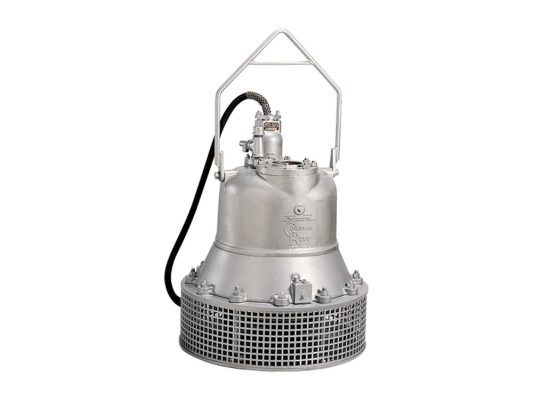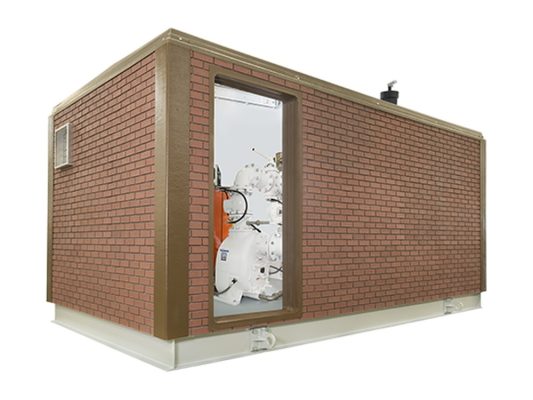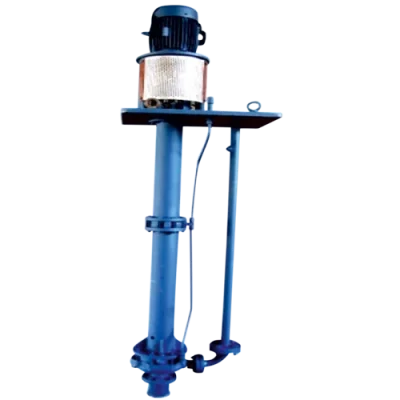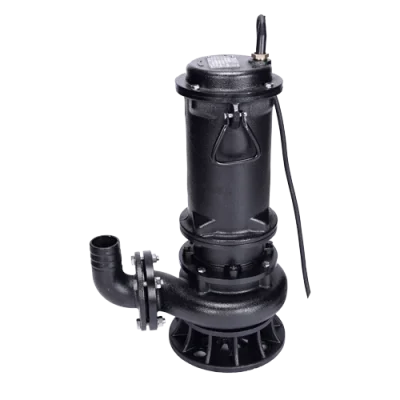




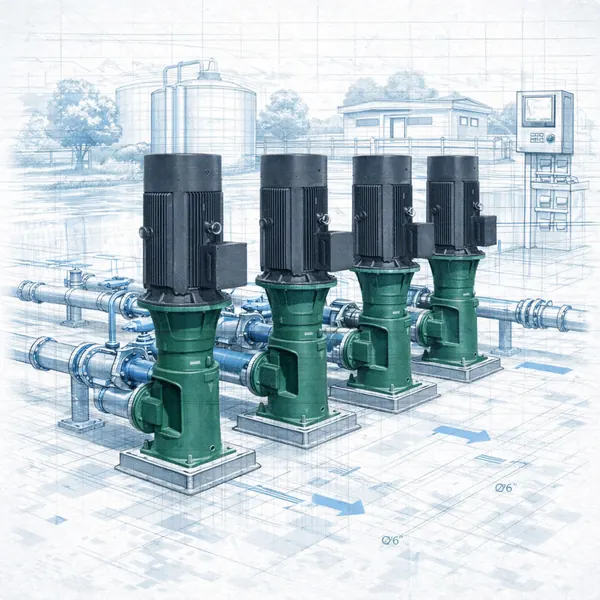
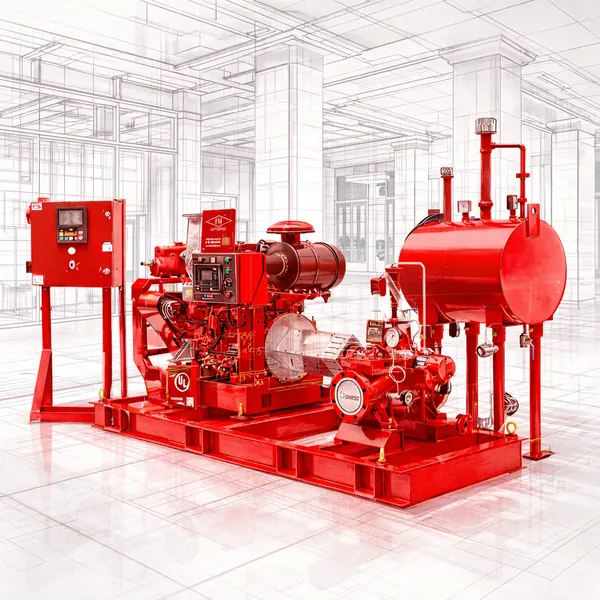
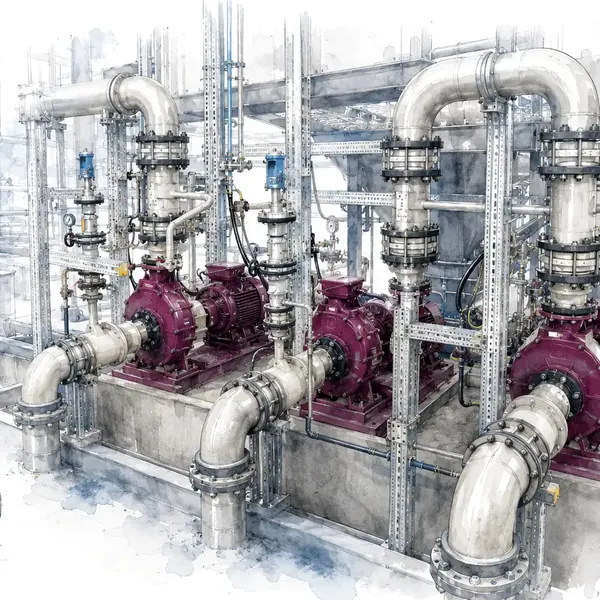
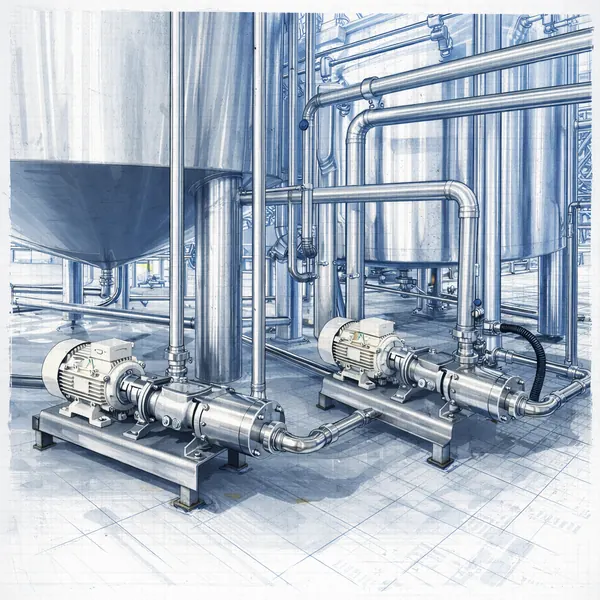
A pumping station is a type of mechanical system used to transport fluid from one location to another without requiring direct human or animal contact. These systems can supply water to irrigation channels, circulate fluid within treatment systems, and even drain water from low-lying areas.
What is a Pumping Station
A pumping station is an electromechanical system used to lift and distribute water or wastewater when gravity cannot naturally move it away from a given location.

Pumping stations are used across a wide range of applications, including residential buildings, schools, hospitals, commercial facilities, and industrial production.
They are also used in situations where fluid cannot naturally move by gravity to its intended destination, and can be installed in oil and gas extraction sites, wastewater treatment plants, clean water supply stations, and manufacturing facilities.
Pumping Station in English
In English, a pumping station is called a Pumping Station. These systems exist in virtually every country in the world. Their function varies depending on the intended purpose.
How Does a Wastewater Pumping Station Work?
First, wastewater is collected and stored in a holding tank. When the level reaches a preset threshold, an integrated pump uses pressure to lift the wastewater through a discharge pipe system and pump the liquid into a gravity sewer or wastewater treatment facility.
The level is closely monitored by liquid level sensors or float switches, which turn the pumping station on and off. Pumping stations may use a single pump or multiple pumps depending on the application.
Classification of Pumping Stations in Vietnam
Vietnam is an agricultural country currently undergoing development and integration. As a result, pumping stations are found throughout the country. Their primary purpose is to supply irrigation water for the agricultural sector. In addition, they serve to provide clean water for the daily needs of the population.
Below, Thái Khương introduces the common classification methods for pumping stations in Vietnam.
Classification by tier:
-
- Tier 1 pumping station: Draws water from wells, rivers, or lakes into the treatment area. If the water source is already clean, the treatment stage may be skipped and the water used directly for irrigation or daily consumption.
- Tier 2 pumping station: Draws water from water treatment plants. Used specifically to supply clean water for irrigation, household use, and production.
Classification by application:
-
- Domestic water supply pumping station: A system supplying water to entire cities, residential areas, and communities for daily use and production.
- Wastewater treatment pumping station: A station dedicated to pumping wastewater from residential areas, schools, hospitals, and industrial production zones.
- In industrial production, there are also auxiliary pumping stations such as booster pump stations and recirculating water pump stations to serve production requirements.
In theory, there are also two additional classification groups:

Classification by control method:
-
- Fully automatic pumping station
- Remote-controlled pumping station
- Semi-automatic pumping station
- Manual pumping station
Classification by installation method:
-
- Submersible pumping station
- Semi-surface pumping station
- Surface pumping station…
Water Supply Pumping Station
What components and zones make up a basic water supply pumping station? Thái Khương shares a typical water supply pumping station model below:
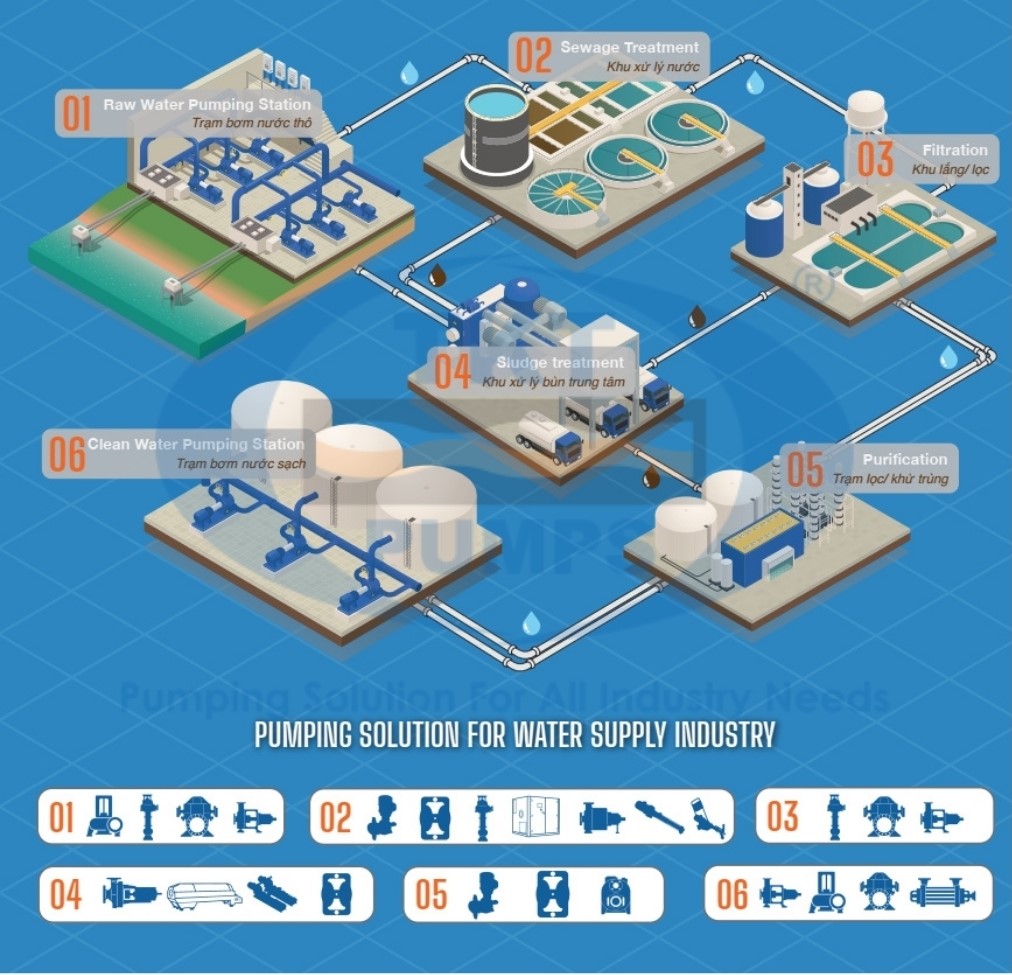
A water supply pumping station includes:
-
- Raw water pumping station, typically using submersible pumps and centrifugal pumps
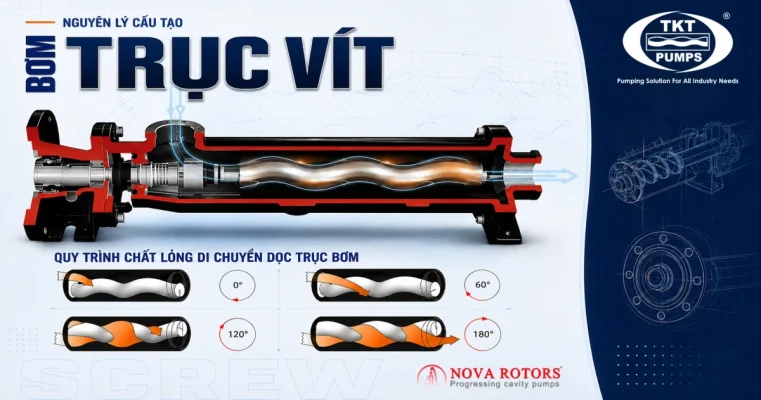
- Water treatment zone, using equipment such as: air blowers, metering pumps, screw pumps
- Sedimentation/filtration zone, using pump equipment such as: vertical-shaft centrifugal pumps
- Central sludge treatment zone, using equipment such as: decanter centrifuges, screw pumps, diaphragm pumps
- Filtration/disinfection station, using pump equipment: metering pumps, diaphragm pumps
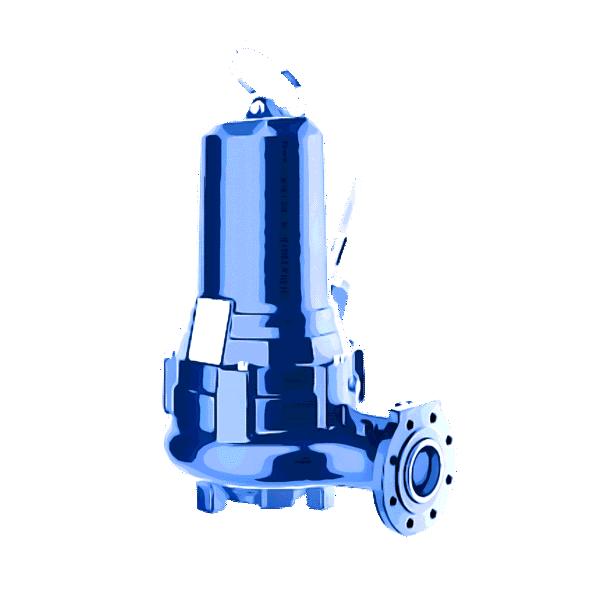
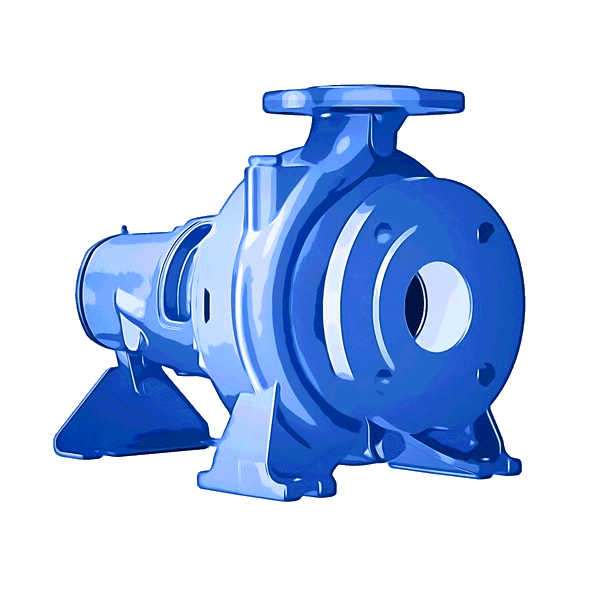
- Clean water pumping station, using pump types: submersible pumps, centrifugal pumps…
Wastewater Treatment Pumping Station
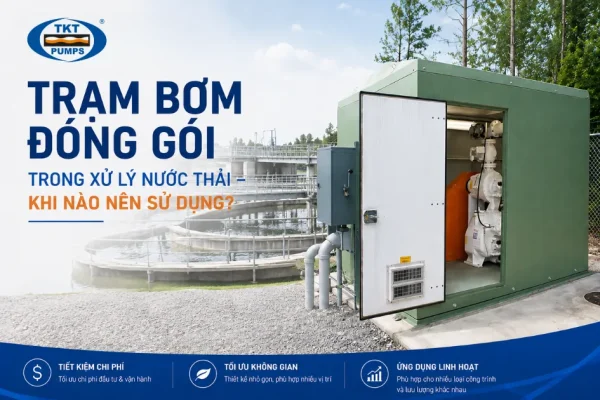
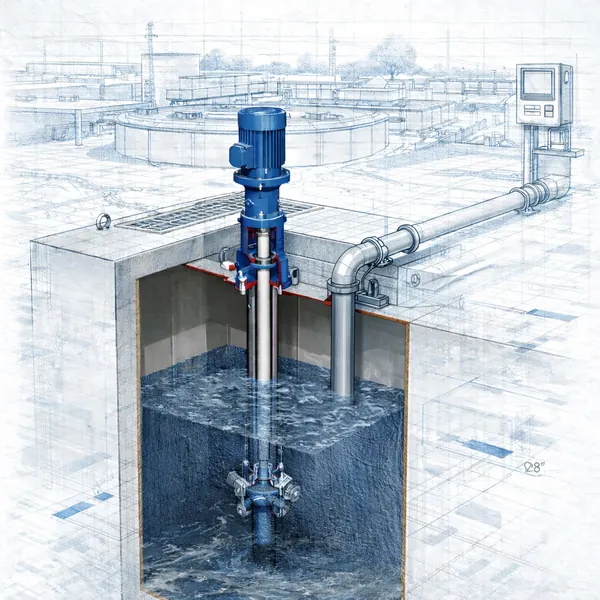
A wastewater pumping station (also known as a lift station) is used to convey wastewater to higher elevations to allow the water to flow by gravity. The wastewater is fed into and stored in an enclosed underground pit, commonly referred to as a wet well.
When the water level rises to a predetermined point, a pump is activated to lift the wastewater upward through a pressure pipe system, from which it is discharged back into a gravity manhole. The cycle then repeats until the wastewater reaches its final destination — typically a treatment plant.
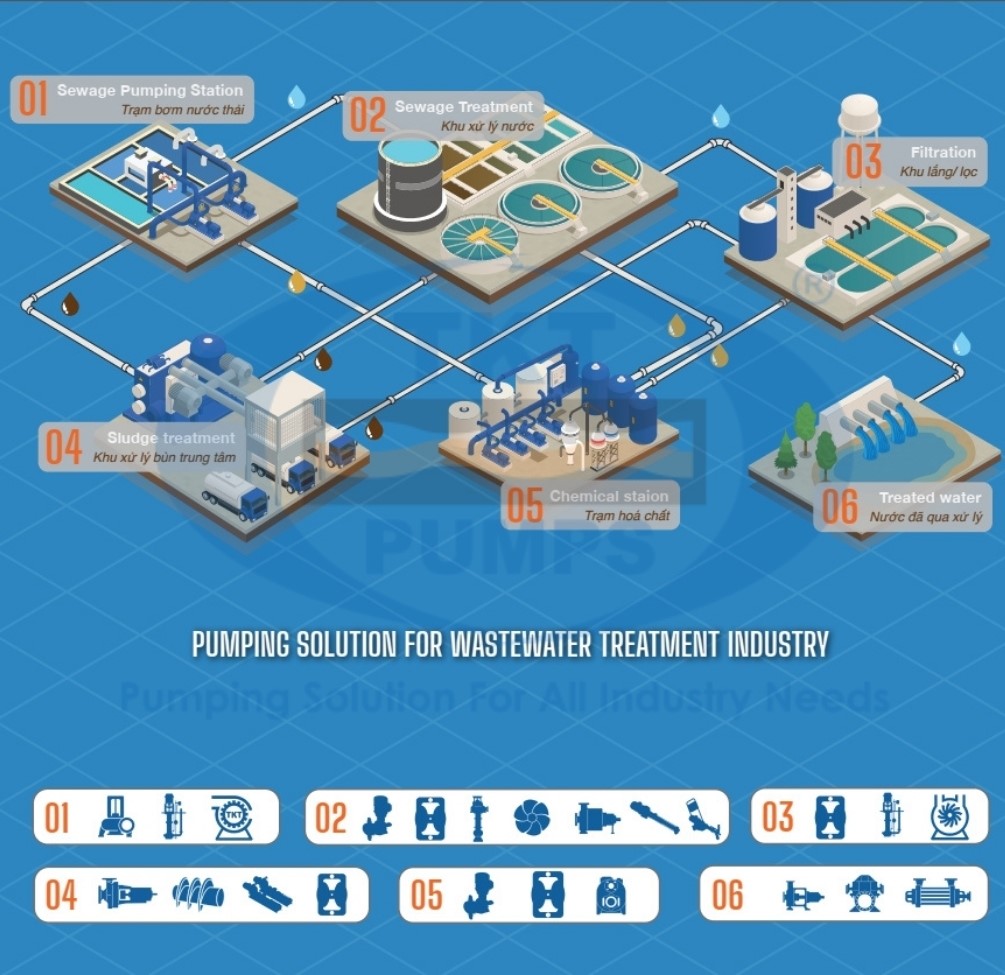
A wastewater treatment pumping station typically goes through the following basic stages:
-
- Wastewater pumping station, which may use pump types such as centrifugal pumps, vertical-shaft pumps…
- Water treatment zone: metering pumps, diaphragm pumps, screw pumps
- Sedimentation/filtration zone, using diaphragm pumps, vertical-shaft pumps
- Central sludge treatment zone, using diaphragm pumps, screw pumps, centrifugal pumps
- Chemical station: metering pumps, diaphragm pumps
- Treated water zone: centrifugal pumps…
Thái Khương has shared information about pumping stations, including an overview of the processing stages found in both water supply pumping stations and wastewater treatment pumping stations. If you need consultation on pump solutions for these types of stations, please contact Thái Khương directly for specific advice!