









Definox
 EU · G7 Pumps
SINCE · 2007
EU · G7 Pumps
SINCE · 2007
Butterfly, ball, tank-bottom mixproof, sampling valves and pigging solutions for food, beverage, cosmetics and pharma processing — 3-A / EHEDG compliant, genuine Definox (France).
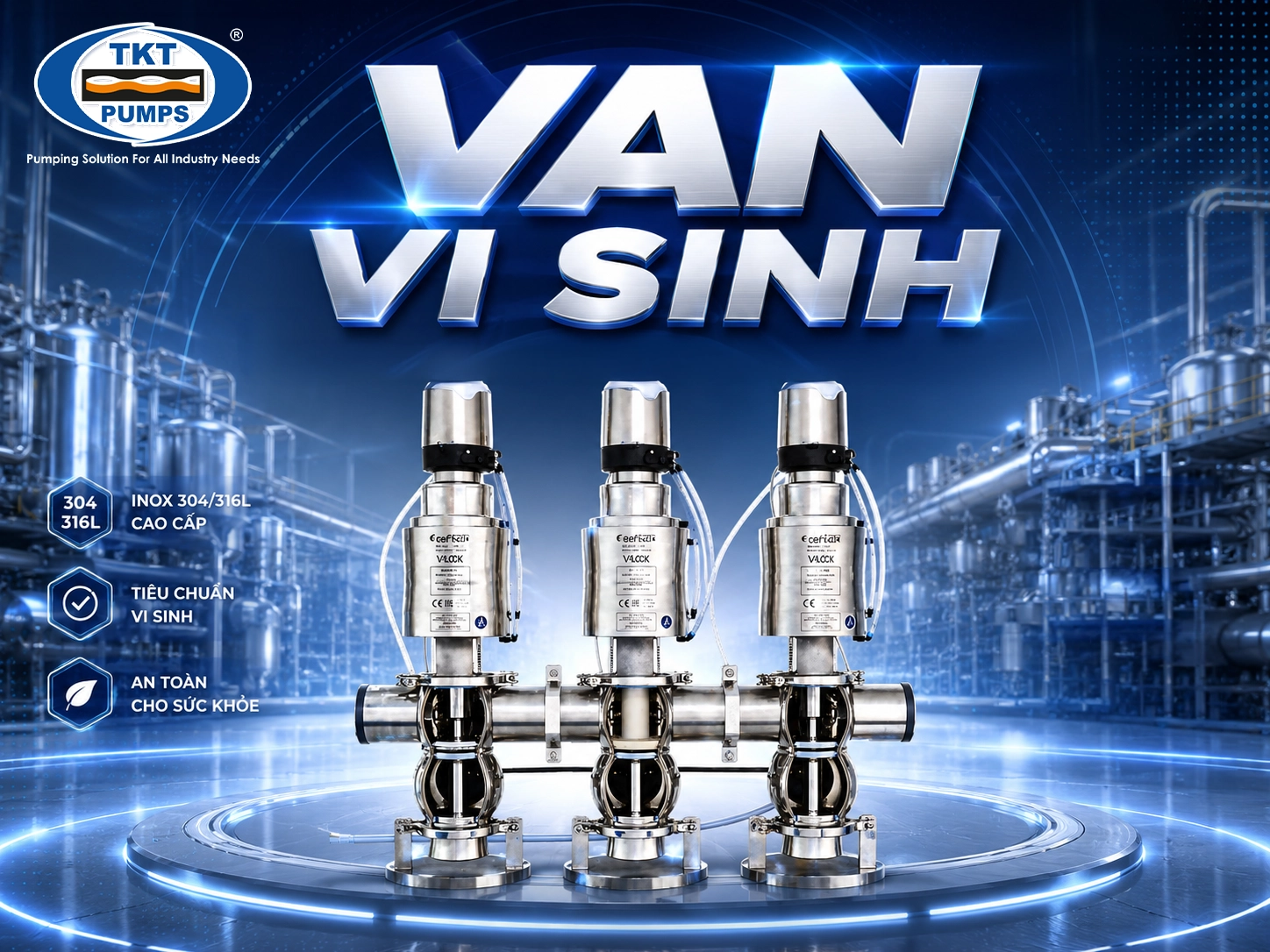
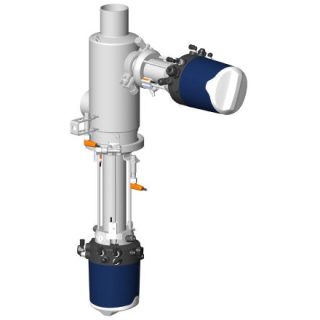
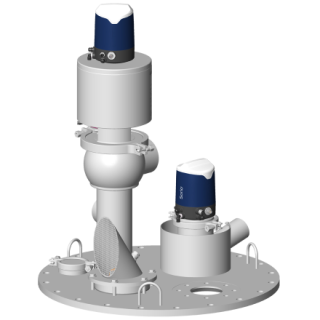
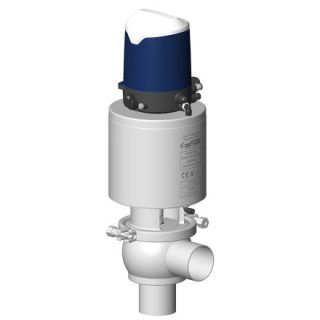
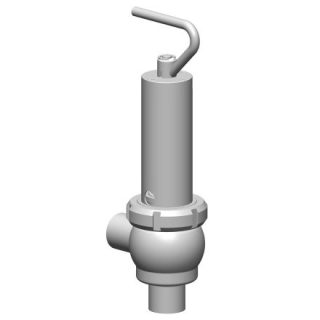
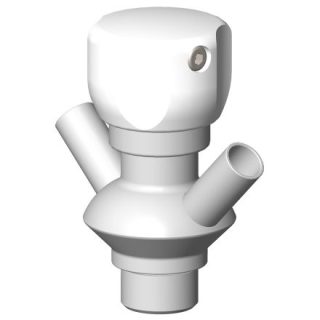
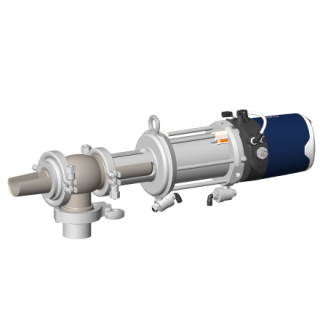
Hygienic valves are stainless-steel valves designed for food, beverage, dairy, cosmetics and pharmaceutical process lines — product-contact surfaces in 1.4404/316L polished to Ra 0.8 µm, dead-leg-free design, CIP/SIP cleanable in place, compliant with 3-A / EHEDG. Main types: DPX/DPAX butterfly valves (DN25–150, up to 14 bar), DBX/DBAX ball valves (up to 20 bar, −30…+160°C), DCX3/DCX4 shut-off and divert valves, VEOX double-seat tank-bottom mixproof valves (DN38–125), DMX diaphragm valves, PEX/PEV aseptic sampling valves and the STARMOTION pigging system for product recovery. Thái Khương Pumps is the authorized distributor of Definox (France) hygienic valves in Vietnam — advising on valve type, seal material and control head per process, alongside SlurryFlo control valves for industrial slurry lines.
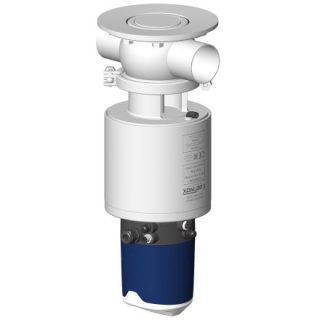
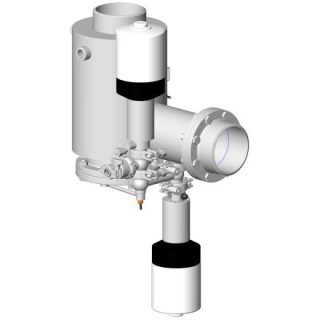
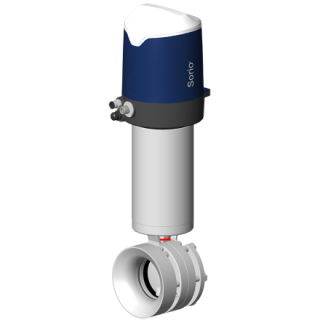
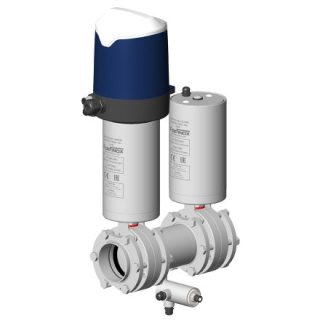
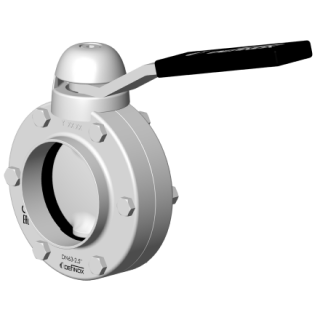
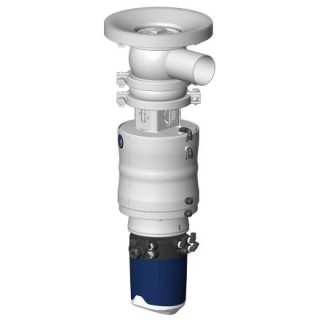
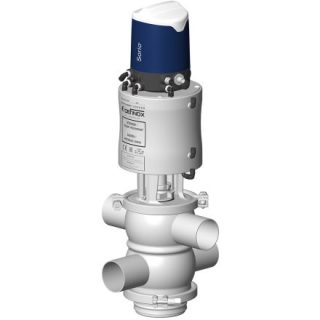
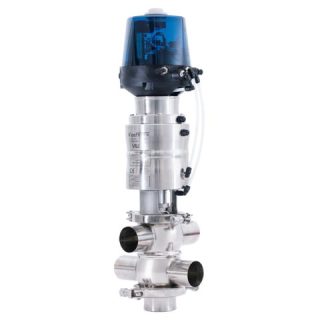
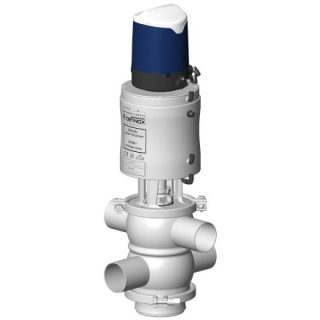
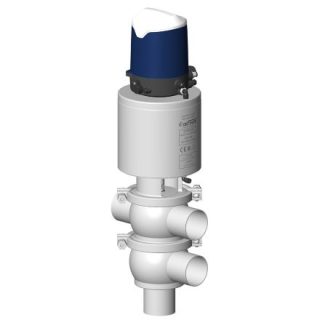
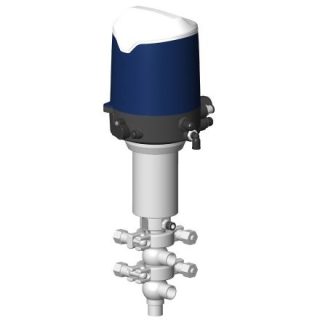
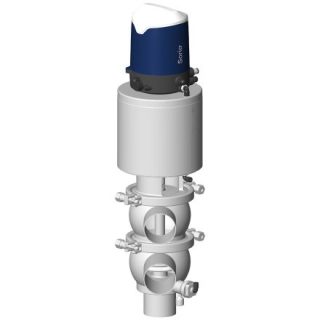
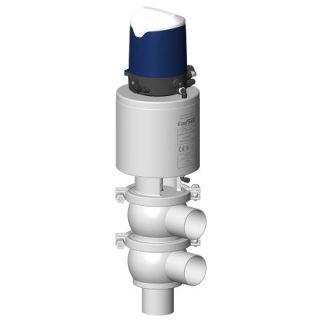
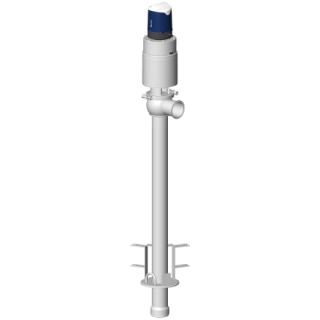
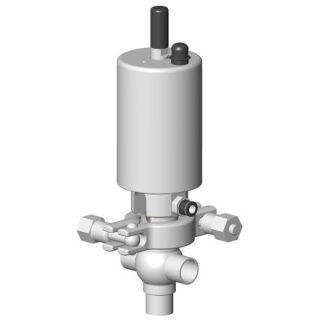
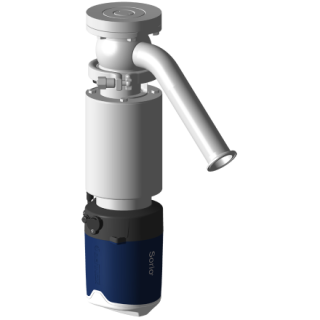

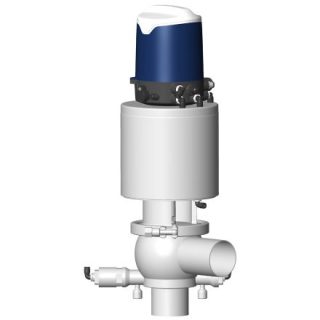
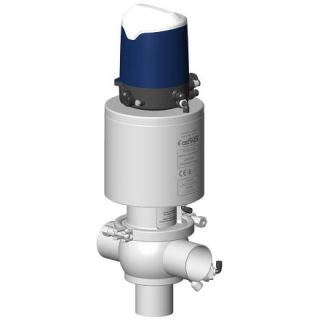

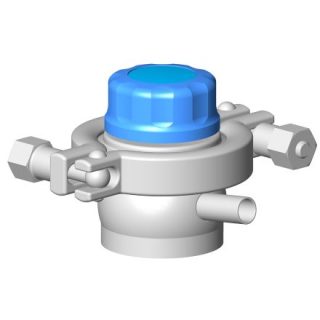
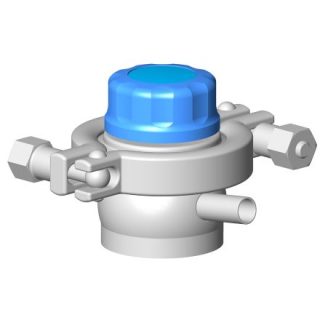
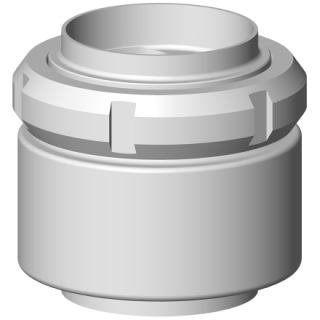
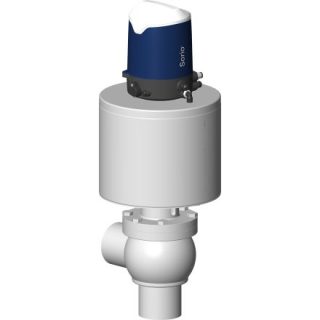
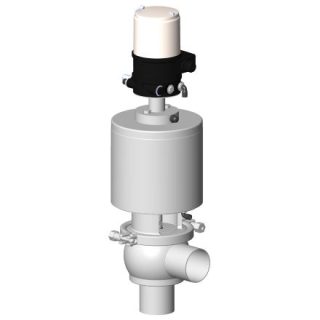
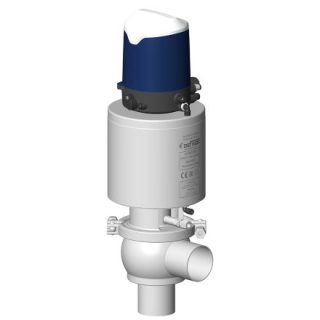
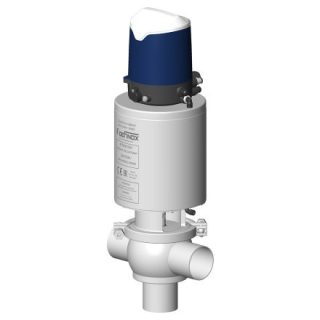
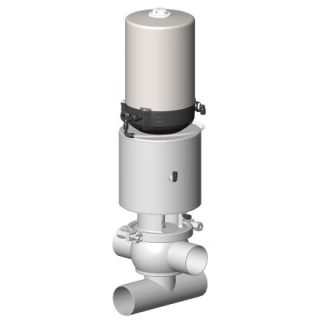

From definition and spec ranges to a 3-step model picker — all in one flow.
Hygienic valves are engineered for sanitary processing: all product-contact surfaces use polished 1.4404/316L stainless steel at Ra 0.8 µm internal / 1.2 µm external roughness, crevice-free design and food-grade EPDM/FKM/silicone seals — withstanding chemical and steam CIP/SIP cycles without disassembly.
By function: shut-off (DPX/DPAX butterfly, DBX/DBAX ball, DCX3 single-seat), flow diversion (DCX4), double-seat mixproof protection (VEOX / NEOS — safe CIP on one line while the other is in production), pressure relief – air venting, aseptic sampling (PEX/PEV), and STARMOTION pigging to recover product left in the line before rinsing.
Line shut-off → butterfly/ball/DCX3; flow splitting – diversion → DCX4; mix protection during CIP parallel to production → VEOX mixproof; QC sampling → PEX/PEV; recovery of high-value product in the line → STARMOTION pigging.
Match DN to the existing line (SMS/DIN/US); check working pressure and CIP/SIP temperature. EPDM for general duty and steam, FKM for fats and aggressive cleaning agents, silicone for heat contact; PFA for demanding mixproof duty.
Manual valves for low-frequency points; pneumatic (DPAX/DBAX/DCX3) for automation — combined with Sorio control heads for position feedback and PLC connectivity. Review the valve matrix and CIP diagram with an engineer before finalizing.
Two levels of product separation safety in a hygienic plant. Compare to specify the right level — avoiding overspend or cross-contamination risk.
| Criteria | Single-seat (DCX3) | Mixproof (VEOX) |
|---|---|---|
| Principle | One seat, one seal between two sides | Two independent seats + leakage chamber vented outside |
| Mix protection | Basic separation — sufficient for single lines | No cross-contamination even on seal failure — leakage drains out |
| CIP parallel to production | Not recommended on the same node | Yes — CIP one line while the other carries product |
| Size range | Per DCX3 catalogue | DN38 – DN125 (up to DN150) |
| Working pressure | Per configuration | Up to 10 bar (13 bar PEEK version) |
| Investment | Lower | Higher — offset by batch-loss risk reduction |
| Suited for | Standard shut-off points, small tank farms | Tank bottoms, dairy/brewery/beverage valve matrices |
Industries that commonly use this pump line. If your need differs, quickly switch to the other lines.
Mixproof valve matrices for tank farms, CIP lines parallel to production — dairy, brewery, soft drinks.
Butterfly, ball and divert valves for jam, chocolate and petfood lines.
DMX diaphragm valves, aseptic stem valves and PEX sampling valves for sterile processes.
Air-relief valves, pressure-reducing valves and Sorio control heads for clean-in-place stations.
Match valves with diaphragm, lobe and hygienic pumps (CSF/OMAC) on the same line.
SlurryFlo control valves for abrasive slurry — mining, wastewater treatment.
The difference is in product-contact surfaces: hygienic valves use 1.4404/316L stainless polished to Ra 0.8 µm, crevice-free design, food-grade seals and sanitary quick connections (clamp/hygienic weld) — withstanding chemical and steam CIP/SIP cycles. Standard valves cannot meet this surface finish and cleanability, so they are unsuitable for food or pharma contact lines.
A mixproof valve (double-seat, such as Definox VEOX) has two independent seats with a leakage chamber in between: if one seal fails, liquid drains outside through the chamber instead of crossing into the other line. Required at tank bottoms and valve matrices where CIP runs parallel to production — common in multi-line dairy, brewery and beverage plants.
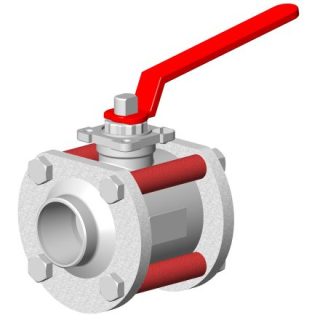
DPX/DPAX butterfly valves are the standard choice for shutting off regular liquid products (DN25–150, up to 14 bar, ≤120°C, cost-effective). DBX/DBAX ball valves suit higher pressure (up to 20 bar), wider temperature (−30…+160°C) or viscous/particle-laden fluids thanks to the straight-through bore. Both come in manual and pneumatic versions.
By fluid and cleaning regime: EPDM is the general-purpose default with good steam and caustic CIP resistance — standard for dairy, brewery, beverages; FKM handles fats, alcohol and aggressive cleaning chemicals; silicone offers heat resistance and taste neutrality, common in pharma. Demanding mixproof duty has PFA seal options. Confirm against actual CIP chemical concentrations and SIP temperatures.
Yes — it is a core design requirement: dead-leg-free bodies let cleaning solution reach every surface, and materials resist CIP caustic/acid and saturated SIP steam within each series' temperature limit (butterfly ≤120°C, ball up to 160°C). Definox air-relief and pressure-reducing valves protect the line during cleaning cycles.
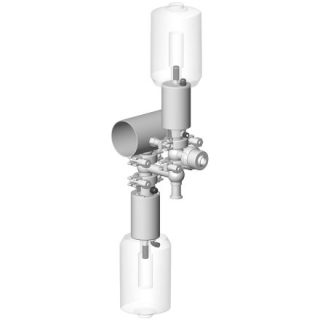
Pigging pushes a 'pig' (a sanitary projectile) through the line to recover product left inside before rinsing — cutting losses of high-value product and reducing effluent load. Worth considering for expensive products or frequent changeovers: jam, chocolate, cosmetics, paint, even lithium battery slurry. STARMOTION uses a 316L body with premium alloy options.
Definox pneumatic valves (DPAX, DBAX, DCX3/DCX4) mount Sorio control heads: open/closed position feedback, integrated solenoid valves and signal connection to PLC/SCADA — the foundation of automated CIP valve matrices. Thái Khương supports valve diagrams and control-head configuration to match the plant's existing control system.
TKS technical service & after-sales team serves all pump brands — 24/7 repair, laser alignment, rotating equipment overhaul, and genuine spare parts for 28+ EU/G7 pump brands.