











The UASB tank is a single treatment unit within industrial wastewater treatment systems, or centralized and decentralized anaerobic black-water treatment systems, designed to remove high-concentration organic pollutants.
What is a UASB Tank?
In countries with warm climates year-round, the high volume of wastewater generated makes it practical and preferable to apply anaerobic treatment to the entire wastestream — not just the sludge fraction. Anaerobic treatment systems such as UASB do not require energy-intensive aeration and can be constructed far more simply than aerobic treatment methods.

They convert organic matter into biogas, which can be recovered. Nutrient-rich effluent can be used for agricultural irrigation. The sludge, which is at least partially stabilized (mineralized), can be used as organic fertilizer after composting or drying.
The UASB tank can treat all types of high-strength wastewater. It can be deployed at large scale (for example, agricultural waste) or as decentralized treatment systems for domestic wastewater; however, domestic wastewater treatment using UASB is still relatively new and is not always successful because domestic wastewater generally has a lower organic strength.
What does UASB stand for?
UASB is an acronym for “Upflow Anaerobic Sludge Blanket“. In Vietnamese terminology it is commonly referred to as an anaerobic tank. This is a treatment system that is no longer new in Vietnam.
What is the Construction of a UASB Tank?
The UASB tank is constructed from concrete or other watertight materials and can be designed in circular or rectangular form.
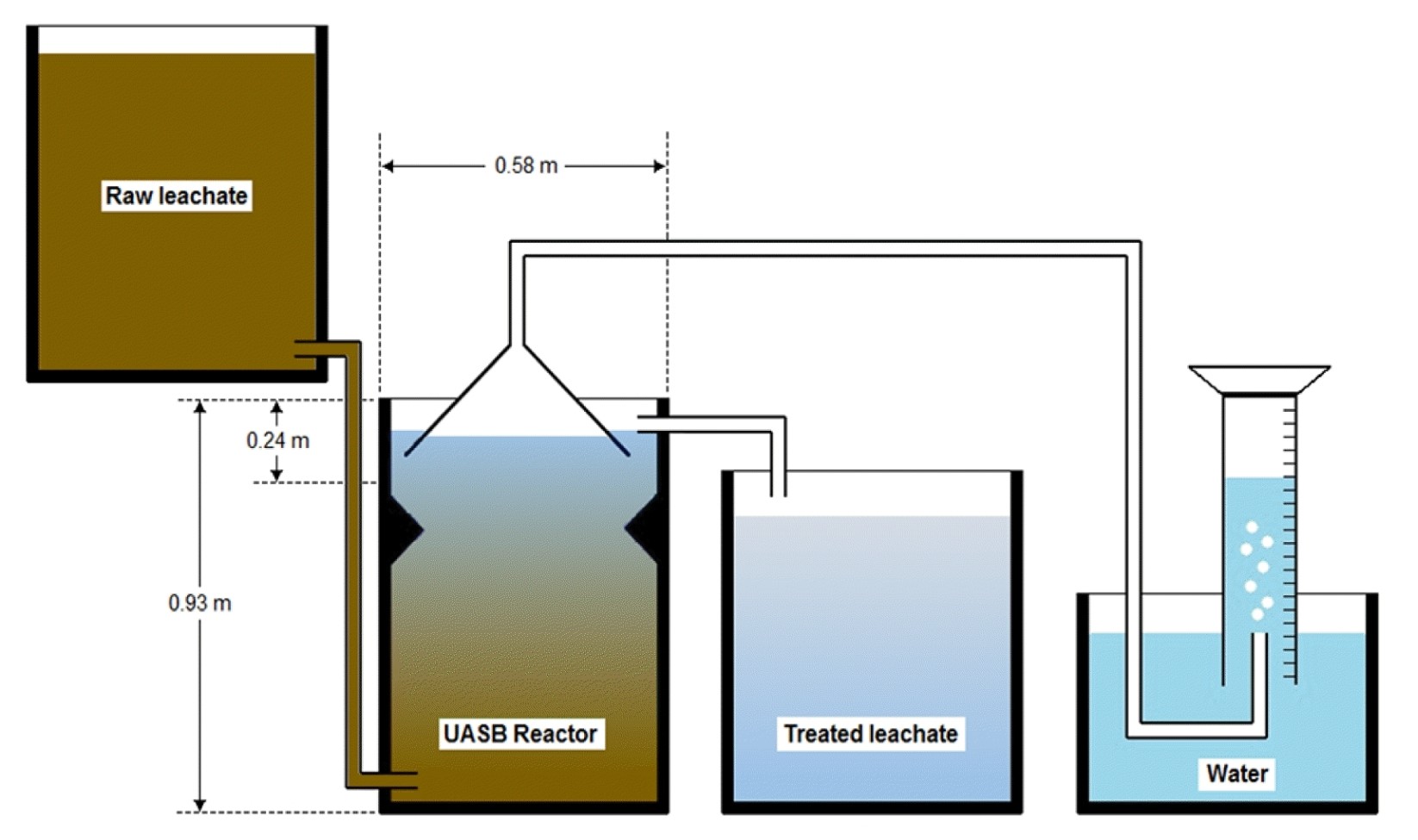
Wastewater is pumped from the bottom into the reactor, where the introduction of suspended solids and the activity and growth of bacteria lead to sludge formation. The sludge blanket consists of microbial granules (1 to 3 mm in diameter) — small microbial aggregates that, due to their weight, are not washed out by the upward flow.
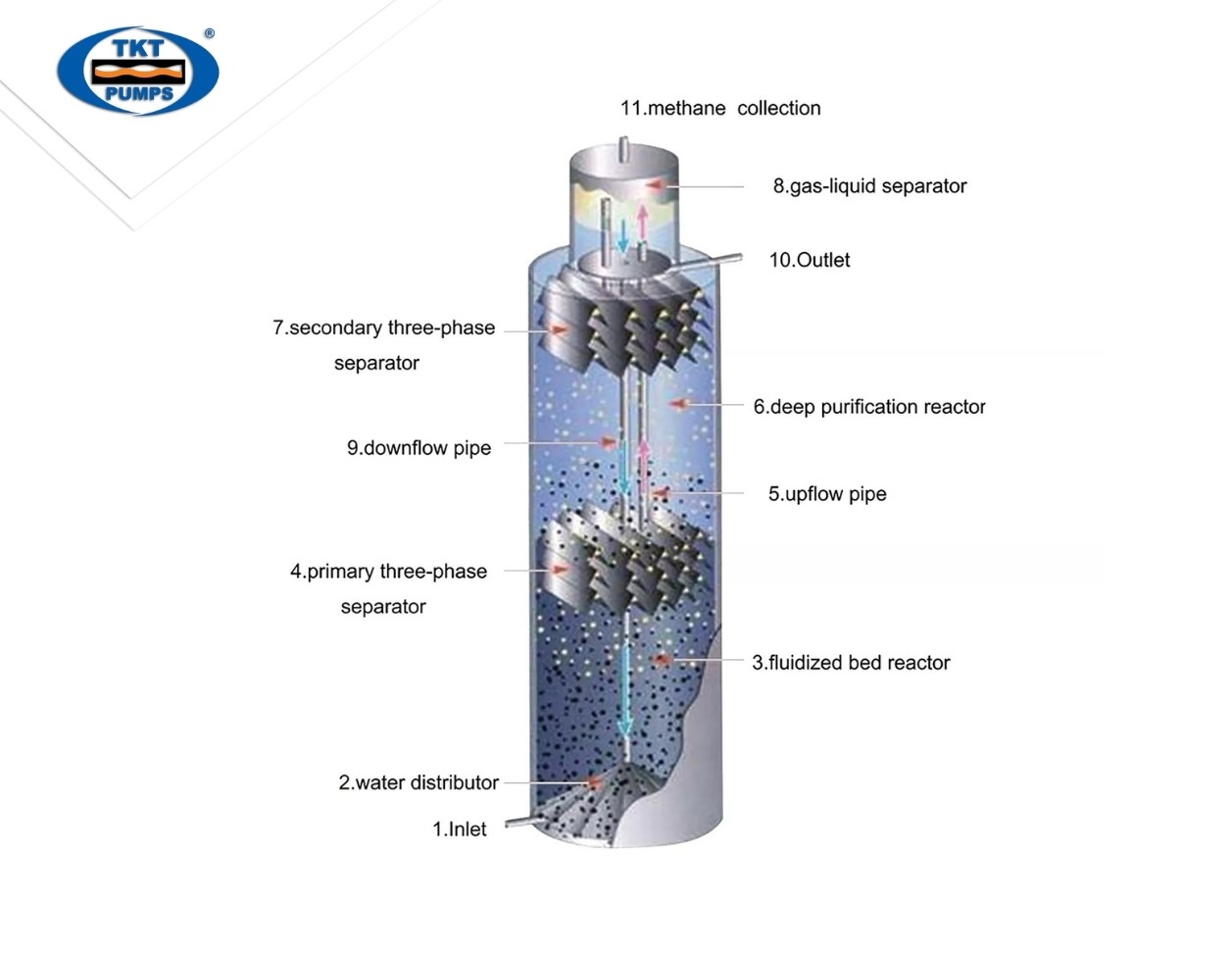
The microorganisms within the sludge layer break down organic compounds. As a result, gases (methane and carbon dioxide, i.e., biogas) are released. The rising gas bubbles mix the sludge without the need for any mechanical components.
The upflow velocity and the settling velocity of the sludge are in equilibrium, forming a relatively stable, locally suspended sludge blanket. Inclined baffles deflect material rising from the top of the reactor back downward. Treated effluent is extracted from the top of the tank in the zone above the inclined baffles. A gas-liquid-solid separator separates biogas from the treated effluent and sludge.
After several weeks of operation, larger sludge granules form that in turn act as filters for smaller particles as the wastewater rises through the sludge blanket. Due to the upflow regime, granule-forming organisms are selectively enriched while other organisms are washed out. Conveniently, these bacteria also produce biogas more efficiently than flocculent biomass.
Operation and Maintenance
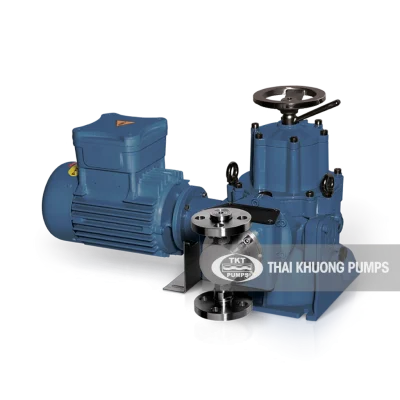
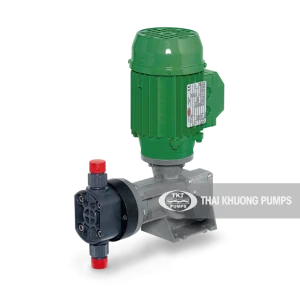
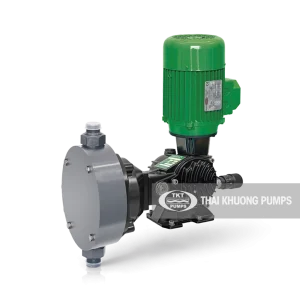
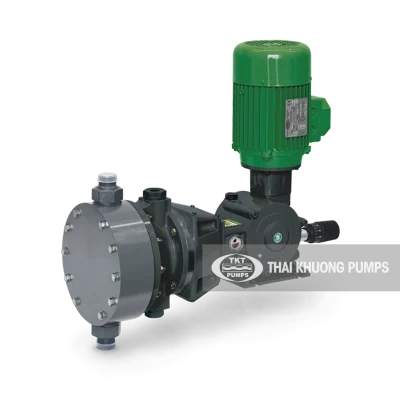
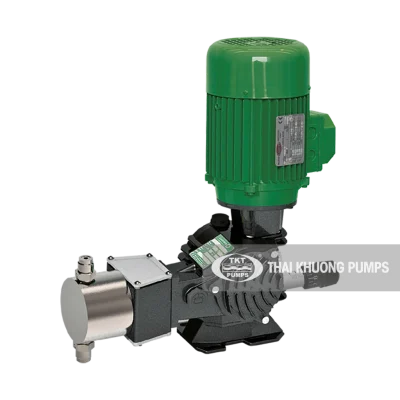
The UASB tank is a centralized treatment technology that must be constructed, operated, and maintained by qualified professionals. Skilled operators are required to monitor the reactor and service its components — for example, specialized pumps such as screw pumps, metering pumps, gear pumps, etc. — in the event of troubleshooting.
UASB tanks require several months to start up. The sludge not only needs to form but also needs to adapt to the specific characteristics of the wastewater being treated. Because domestic or municipal wastewater already contains the nutrient and micronutrient components necessary for bacterial activity and growth, it generally presents fewer problems than industrial wastewater. A high organic loading combined with a lower hydraulic loading rate accelerates granulation during the start-up phase.
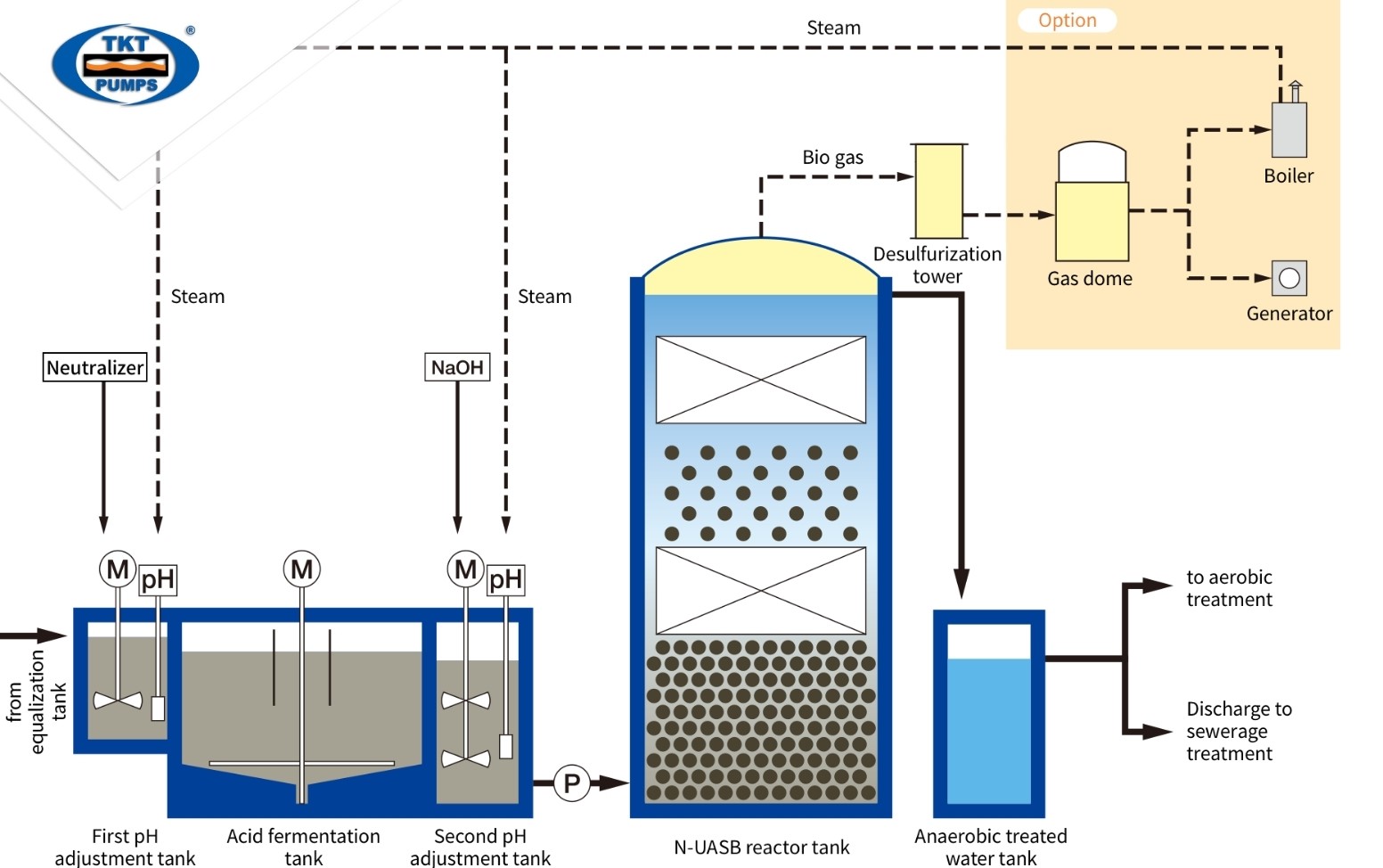
To keep the sludge blanket in the proper position, the hydraulic loading must correspond to the upflow velocity and must be proportional to the organic loading. This means that the flow rate must be controlled and adjusted to match fluctuations in organic loading.
Sludge production is relatively low. Discharge is infrequent and excess sludge is removed only once every 2 to 3 years.
What Are the Advantages and Disadvantages of a UASB Tank?
UASB tanks are used in centralized wastewater treatment processes, where they contribute effectively to waste treatment; however, UASB tanks also have a number of drawbacks. So what are their advantages and disadvantages? Let us explore them together.
Advantages of the UASB Tank
The UASB tank offers many advantages for application in wastewater treatment processes, specifically:
-
- Significant reduction in high BOD levels
- Capable of withstanding high organic and hydraulic loading rates
- Low sludge production (and therefore infrequent waste sludge removal requirements)
- Biogas can be used as an energy source (though it typically requires scrubbing first)
- No aeration system required (resulting in low energy consumption)
- Nutrient-rich effluent that can be used for agricultural irrigation
- Low land footprint; can be constructed underground using locally available materials
- Reduced CH4 and CO2 emissions
Disadvantages of the UASB Tank
The UASB tank also has a number of disadvantages that must be considered or mitigated to achieve more effective use:
-
- Treatment performance can be unstable under variable hydraulic and organic loading conditions
- Requires operation and maintenance by trained personnel; maintaining appropriate hydraulic conditions is difficult (upflow velocity and settling velocity must be balanced)
- Long start-up period before reaching full capacity
- Requires a continuous power supply
- Not all components and materials are locally available
- Requires qualified engineers for design and construction
- Effluent and sludge require further treatment or appropriate disposal
- Not suitable for cold-climate regions
Where is the UASB Tank Applied?
UASB is not suitable for small or rural communities that lack a continuous water supply, continuous electricity, or skilled labor.
It is particularly well suited to densely populated urban areas because it does not require a large installation footprint. The technology is relatively straightforward to design and construct, although the development of granular sludge may take several months.
The UASB tank has the potential to produce higher-quality effluent than a septic tank and can do so with a smaller reactor volume. Although it is a well-established process for large-scale industrial wastewater treatment with high organic loading rates of up to 10 kg BOD/m³/d, its application to domestic wastewater remains relatively new.

UASB tanks are commonly used in breweries, distilleries, food processing plants, and pulp and paper waste treatment facilities, as the process typically removes 80 to 90% of COD.
When the influent is low-strength or contains excessive solids, proteins, or fats, the reactor may not function properly. Temperature is also a key factor affecting performance.
UASB achieves a high treatment level with respect to organic matter, and the biogas produced can be used for energy conversion. However, pathogens and nutrients are not removed. Due to the low nutrient removal, the effluent is suited for reuse in agriculture after further treatment.