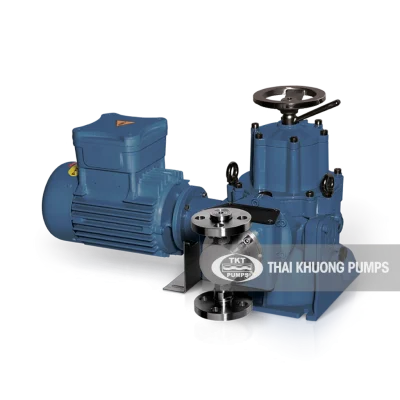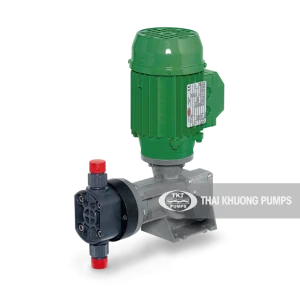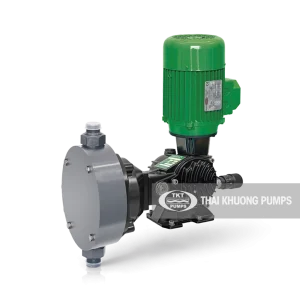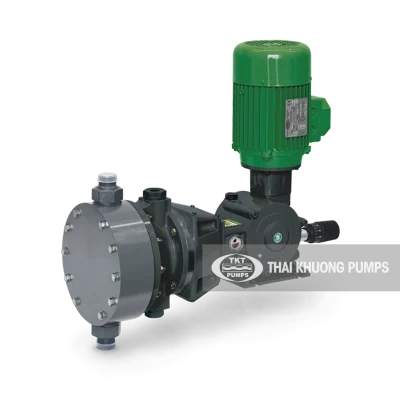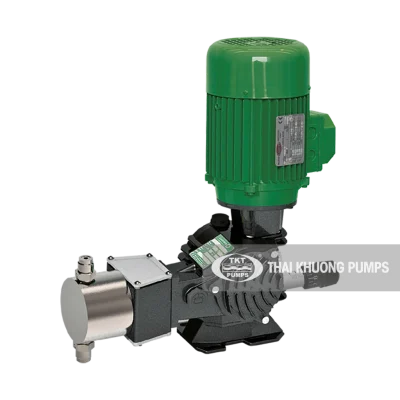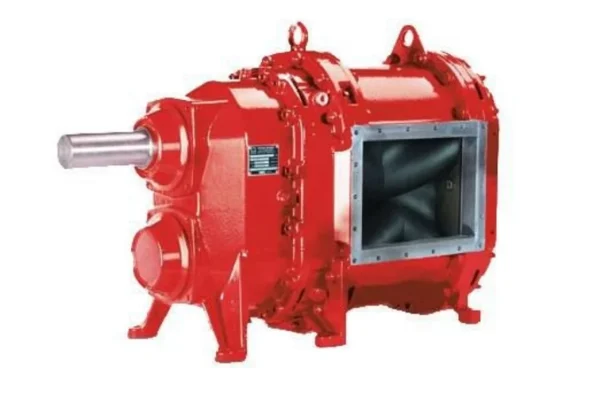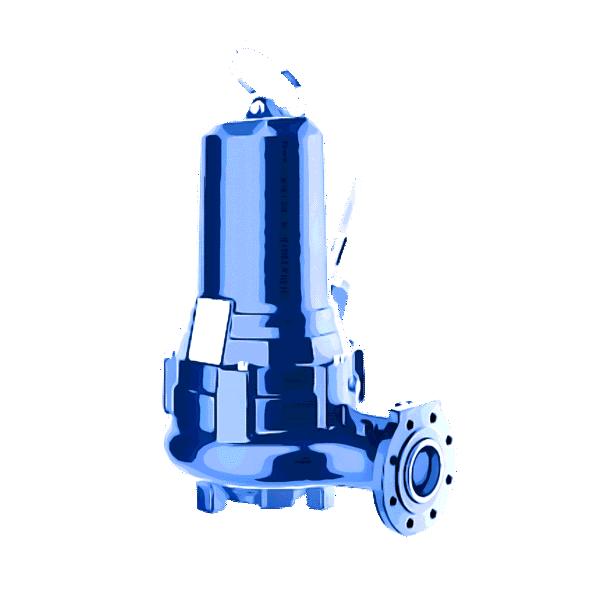
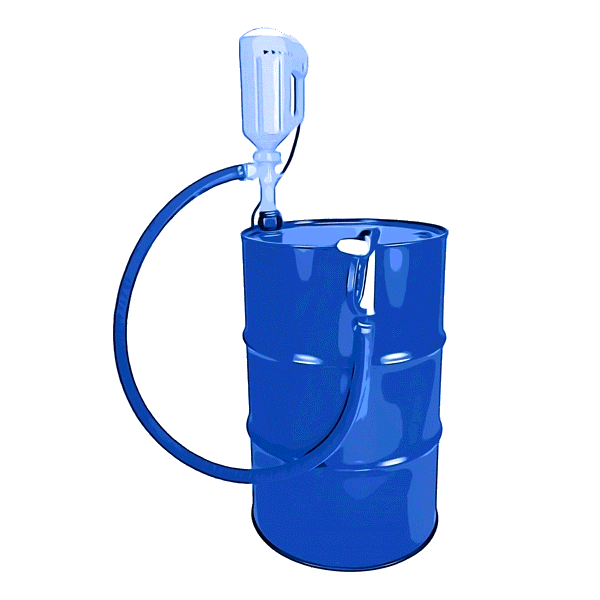
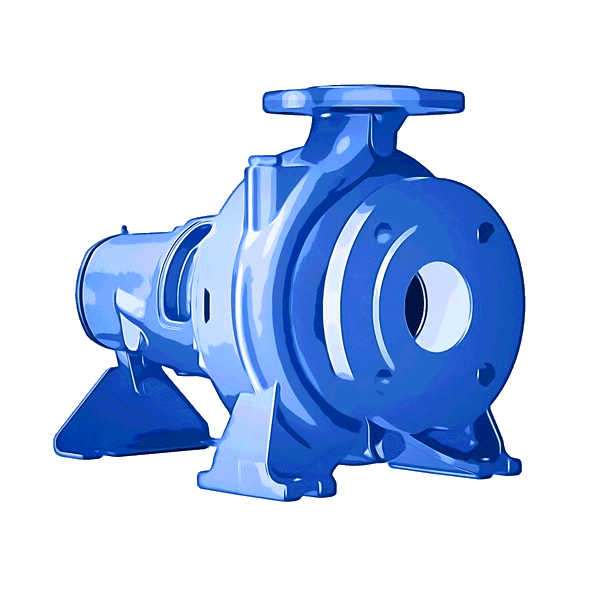
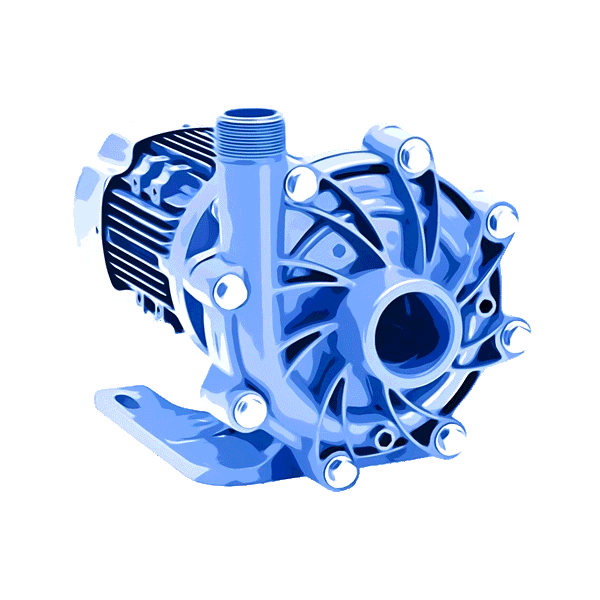
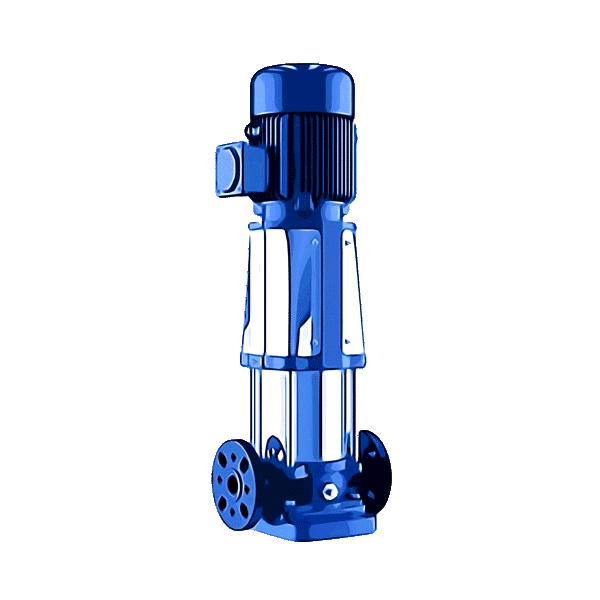




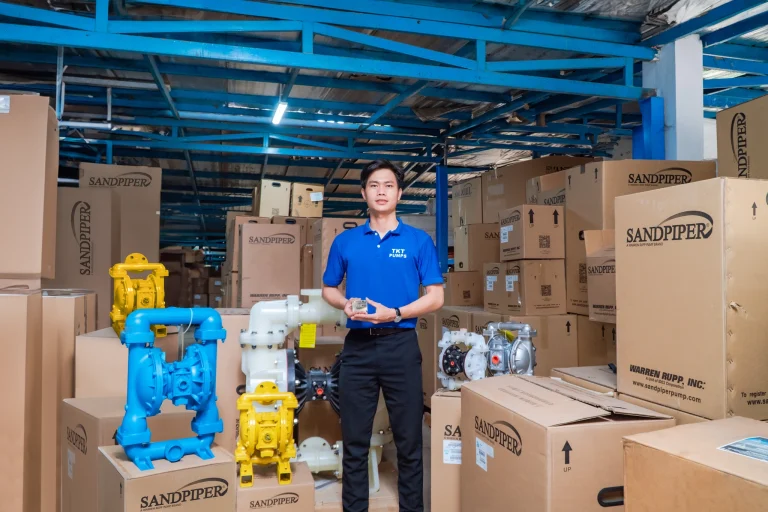
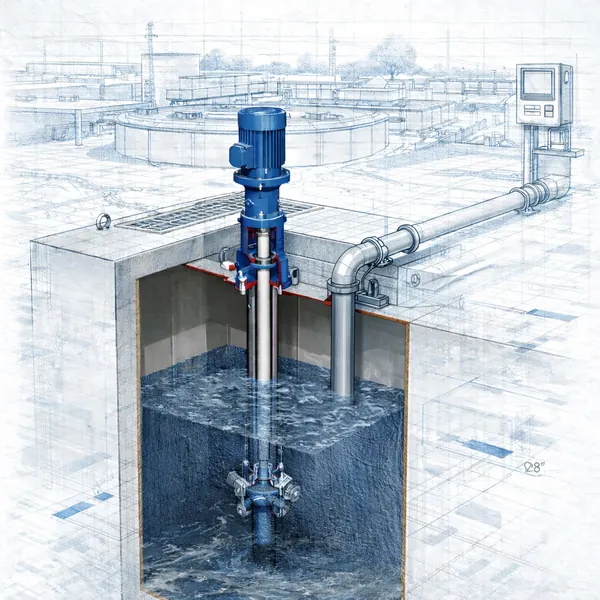
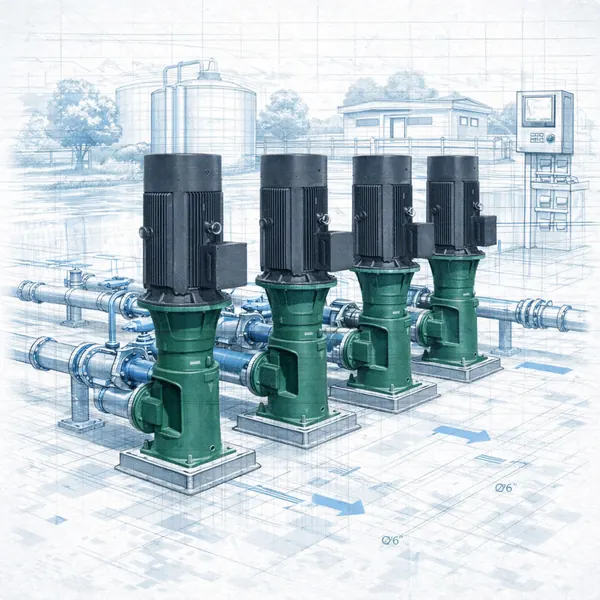
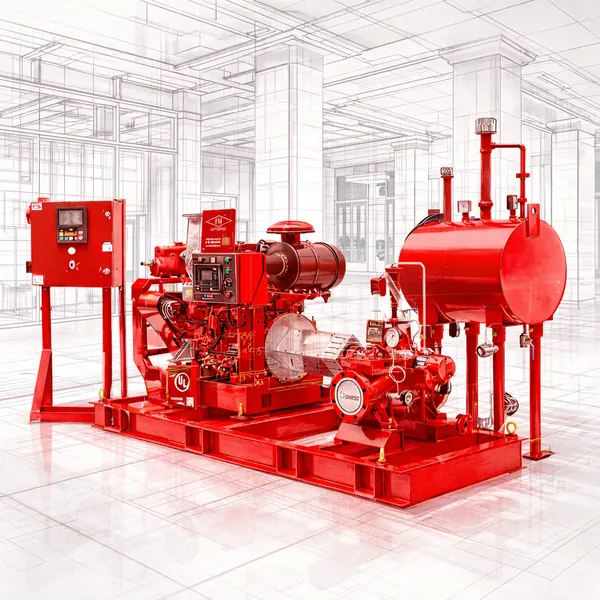
Looking for equipment? Need to select a pump based on your system’s actual flow rate? Browse the industrial centrifugal pump catalog — complete Q–H performance curves for every model.
What Is Flow Rate
As you may know, flow rate is a widely used term across many fields and industries. For example:- Water flow rate, liquid flow rate — used in water supply, water treatment, and fluid handling…
- Airflow rate, gas flow rate — referring to the volume of air or gas passing through
- Traffic flow, data throughput — used in telecommunications and information technology.
- Traffic flow rate — referring to the density of vehicles on a road segment or route…

Flow Rate Units
As the examples above show, flow rate is used widely across many fields. However, within the scope of this article, Thái Khương Pumps will focus only on the term “flow rate” as used in industrial production — specifically in relation to fluids, liquids, and water… In liquid measurement specifically, flow rate is expressed in m³/s or l/s. Flow rate is denoted by the symbol Q.The English Term for Flow Rate
In English-language technical documents — particularly those covering water pumps or water supply and treatment systems — you will frequently encounter the familiar term “Flow“. That is correct: flow is the English equivalent of the Vietnamese term for flow rate. Beyond technical use, the word “Flow” also appears in many other contexts, including the arts. If you watch the Vietnamese rap show Rap Việt, you may have noticed the coaches frequently use the word “flow” when commenting on contestants’ performances.What Is Rainfall Flow Rate
What is rainfall flow rate? Rainfall flow rate belongs to the field of meteorology and climatology. It refers to rainfall intensity used to compare precipitation levels at various points in the year against those of previous years — revealing whether a given year has more or less rainfall than the year before…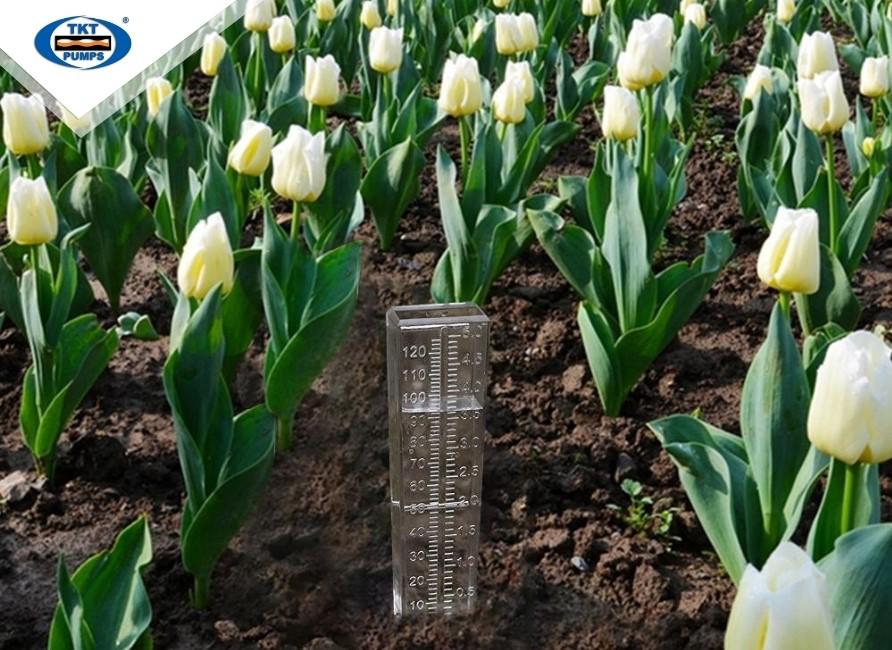
What Is River Flow Rate
River flow rate is another distinct concept. It is defined as the volume of water passing through the cross-section of a river at a specific location at a given moment in time. The standard unit for river flow rate is m³/s.What Is Water Flow Rate
We have now explored two concepts: rainfall flow rate and river flow rate. Finally, how should we correctly understand water flow rate? In physics, water flow rate is defined as the volume of liquid passing through a cross-section per unit of time. In practice, there are numerous methods to measure water flow rate or liquid flow rate in general. In the sections that follow, we will explore these methods and the corresponding measurement instruments in greater detail.How Did People Measure Flow Rate in the Past?
When it comes to measuring flow rate, humans have long had various methods for measuring liquid flow. They drew on the physical properties of the fluid being measured, combining them with scientific principles to develop different measurement methods. For example:- Based on the electrical conductivity and wave characteristics of the fluid
- Based on the differential pressure principle
- Based on the velocity of fluid flowing through a pipe or channel of known dimensions…

What Tools Are Used to Measure Water Flow Rate?
How many methods exist for measuring liquid flow rate? In a pump system, beyond calculating fluid flow rate using positive displacement pumps or metering pumps, integrating one of the following flow measurement instruments or methods can provide more optimal control of your fluid.Measuring Water Flow Rate
Measuring water flow rate specifically, and fluid flow rate in general, is essentially the task of monitoring and tracking the volume of fluid in use. Effective flow rate monitoring improves production efficiency and reduces material consumption for a company. For example: by measuring flow rate while pumping a chemical fluid into a tank, you can determine what parameters to set so the pump completes the task correctly. Another example is the water meter that water supply companies install in our homes — it measures water flow rate to calculate consumption and bill accordingly.What Is a Flow Meter
What is a flow meter? A flow meter is a general term for a range of instruments or sensors used to measure the flow rate of gases, liquids, or gas–liquid mixtures.
Velocity-Based Flow Meters
By measuring the velocity of a fluid flowing through a pipe or channel of known dimensions, one can determine flow velocity over time and calculate the fluid’s flow rate. This principle also underpins many modern flow measurement instruments.Thermal Flow Meters
Based on the temperature differential between two temperature sensors and the cooling rate of the fluid passing through, flow rate can be calculated.Flow Rate Gauges
Flow rate gauges are a widely used, conventional method for measuring flow rate. They come in two main forms:- Analog needle gauges (available in oil-filled and dry types)
- Digital display gauges

Flow Rate Sensors
Flow rate sensors are modern measurement instruments that are continuously improved and developed to achieve more accurate, faster measurements… Currently, flow rate sensors can be broadly classified into four main types:Differential Pressure Sensors
Differential pressure flow sensors operate on the Bernoulli principle. That is, the pressure difference occurring at a constriction in the flow path is used to calculate flow velocity, from which flow rate can be derived. This technology is relatively mature. However, it operates reliably and durably. It is also easy to maintain and is well suited for mixed-phase flow. However, it is only accurate at high flow rates, and installation requires a high degree of precision.- There are 3 basic types:
- Orifice plate
- Pitot tube
- Venturi tube
Electromagnetic Flow Sensors
Electromagnetic flow sensors operate on Faraday’s law. These sensors are specifically designed to measure the flow of electrically conductive liquids. They consist of two electromagnetic coils that generate a magnetic field strong enough to cut across the fluid. According to Faraday’s law: “when flow passes through the pipe, it generates an induced voltage. This voltage is picked up by two electrodes positioned across the pipe. The flow velocity is directly proportional to the amplitude of the measured induced voltage.” Electromagnetic flow sensors are well suited for measuring corrosive, dirty, or viscous liquids such as cement or gypsum slurry, because the sensor does not come into direct contact with the measured fluid. They offer high accuracy, but can only measure electrically conductive liquids and carry a relatively high cost.
Coriolis Flow Sensors
Coriolis sensors operate on the principle of directly measuring the flow rate and mass of a liquid flowing through a tube. The two fluid-carrying tubes are driven to vibrate at a specific resonant frequency by an external magnetic field. When fluid begins to flow through the tubes, it generates a Coriolis force. The vibration of the tubes combined with the linear motion of the fluid creates a twisting effect on the tubes (due to the Coriolis force). Electrode sensors are placed on both the inlet and outlet sides of the tube walls to detect the time difference in the phase shift between the input and output signals. This phase shift is used to directly determine the mass flow rate through the tube.Ultrasonic Flow Sensors
Ultrasonic flow sensors operate on the Doppler effect. Their construction includes:- Transmitter
- Receiver

Key Considerations When Selecting a Flow Measurement Instrument
Selecting the right flow sensor for a specific application can take considerable time. With this in mind, Thái Khương Pumps shares the key considerations to help you more easily choose a suitable flow measurement instrument:- Fluid characteristics (single-phase or two-phase flow, suspended solids, bubbles, viscosity, concentration, corrosiveness, purity…)
- Flow type (turbulent, laminar, transitional, or slow flow…)
- Define the flow rate range to be measured and the required measurement accuracy
- Measurement method, installation location, connection type, data readout method…
What Is Pump Flow Rate
By now, everyone reading this should have a clear understanding of what flow rate is. It is also easy to infer that pump flow rate refers to the flow passing through the pump. That is correct. But in pump selection, what effect does flow rate have, and what role does it play?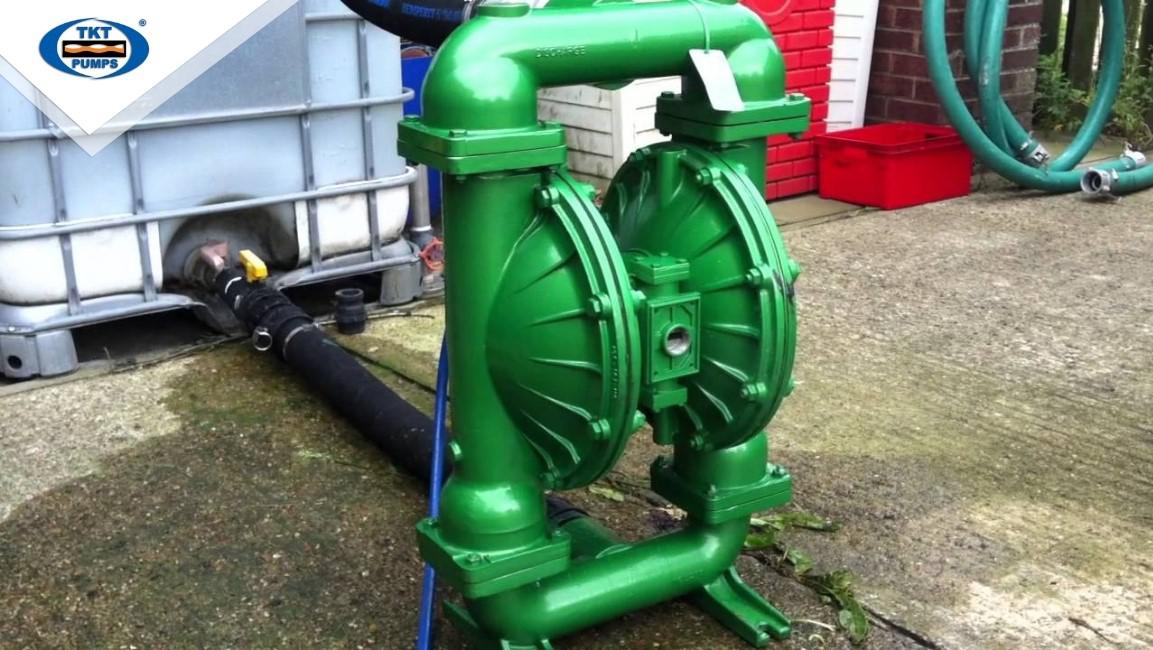
- Head
- Flow rate

- Single-stage impeller pumps deliver high flow rate but low outlet pressure
- Multi-stage impeller pumps generate high outlet pressure, but the fluid flow rate is lower.
🔗 Related Products & Solutions
- Flow rate (Q) and head (H) are the 2 key parameters in pump selection — browse the industrial pump catalog by flow rate.
- Use the industry solution selector to find a pump matched to your operating point.
- Need help calculating flow rate and head? Request a free technical consultation.
Cần tư vấn chọn bơm cho ứng dụng của bạn?Kỹ sư Thái Khương Pumps tư vấn kỹ thuật miễn phí, phản hồi trong 24h. 28+ thương hiệu bơm EU/G7 sẵn kho.