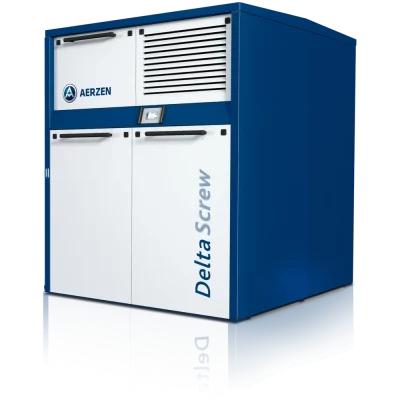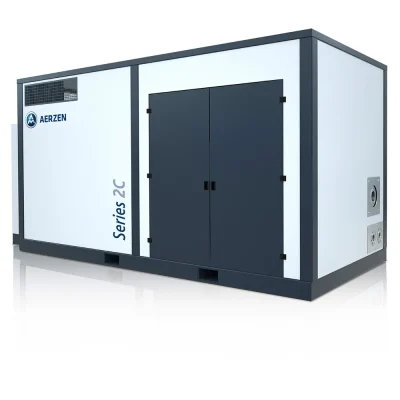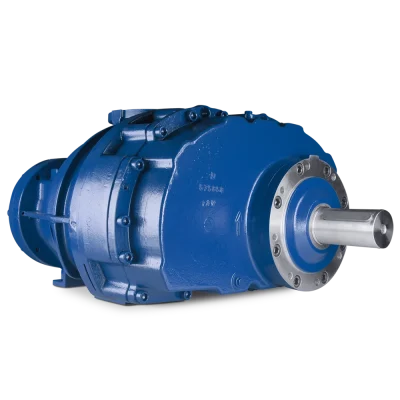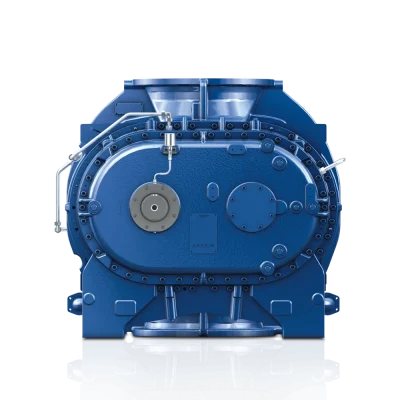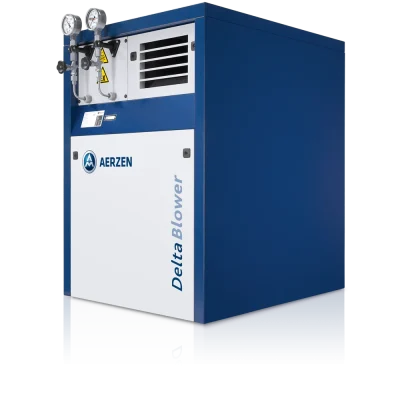













Since we know that air is compressible and all we need is some mechanical equipment to achieve that, the air compressor was born. An air compressor pressurizes this air to a high pressure and delivers it to the other end for various applications.
What is an air compressor
A compressor is a mechanical device that increases the pressure of a gas by reducing its volume. It is a machine used to supply air or another gas at increased pressure — for example, to power a gas turbine. Compressors are used in many applications, most of which involve increasing the pressure inside a gas container, such as:
-
- Compressing gas in oil refineries and chemical plants
- Storing gas in high-pressure cylinders
- Pressurizing aircraft cabins
- Storing air for underwater operations
- Inflating tires
What is “máy nén khí” in English
“Máy nén khí” in English is called a compressor. It is a device found in virtually every manufacturing plant, used for a wide range of operations.

Construction of an air compressor
Air compressors come in many different types, and as a result each type has a different construction. This article will not go into detailed analysis of every type of air compressor available on the market.
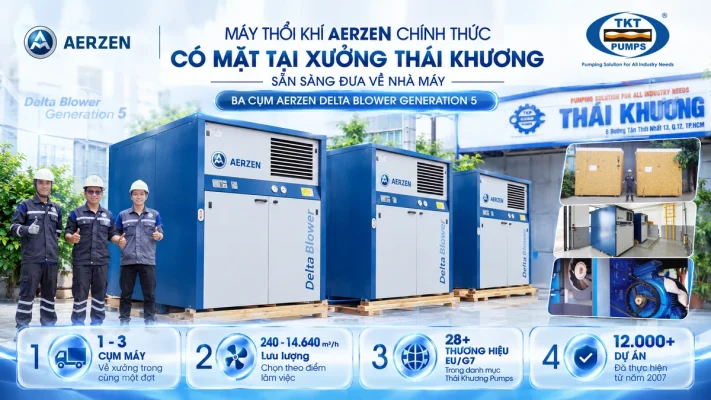
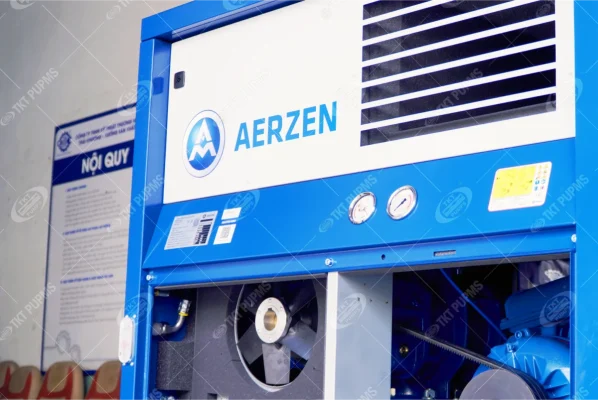
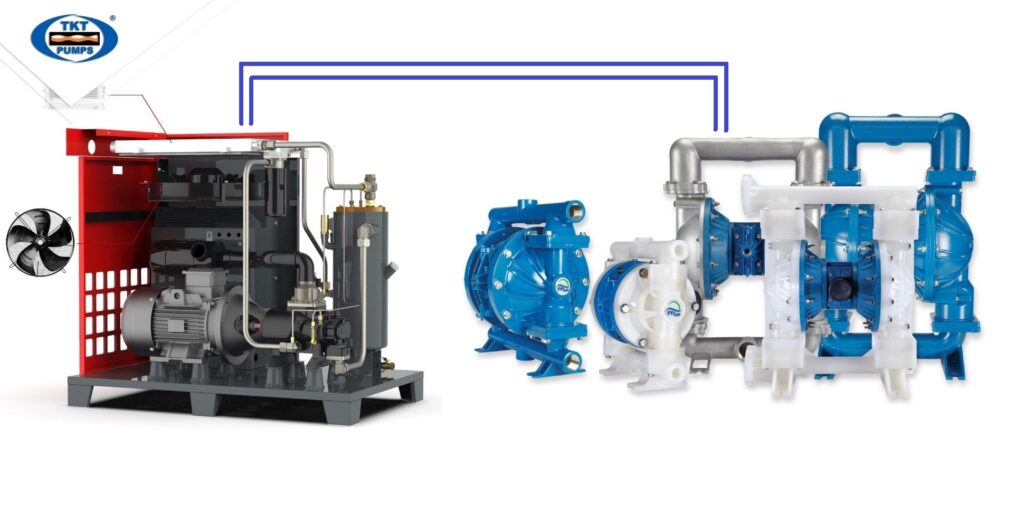
Thái Khương will describe and introduce the construction of the screw air compressor — a type of air compressor that is very common in industry. Virtually every manufacturing plant uses a central screw air compressor to distribute compressed air.
The construction of a screw air compressor includes the following components:
-
- Electric motor
- Electrical cabinet, including: control display, motor starter, relays, push buttons, wiring
- Compressor unit
- Various valves such as: air valve, control valve, pressure-regulating valve, solenoid valve, inlet valve, pressure valve, check valve
- Cooling radiator, oil cooling radiator
- Fans, including: heat-dissipation fan, cooling fan
- Moisture separator, filters, oil-mist separator
- Pressure sensor
- Additional accessories such as: hoses, flexible couplings, rubber couplings, piston rings, bearings, O-rings, gaskets…

Working principle of an air compressor
An air compressor works by forcing air into a tank and pressurizing it. The air is then forced through an opening in the tank, where pressure builds up. Think of it like an open balloon: compressed air can be used as energy when it is released.
Compressors are powered by a motor that converts electrical energy into kinetic energy. This is similar to how an internal combustion engine works, using a crankshaft, pistons, valves, and so on.
From there, the pressurized air can be used to power a wide variety of tools. Some of the more common options are nail guns, impact wrenches, sanders, paint sprayers, and air-operated diaphragm pumps…
There are many different types of air compressors and each has its own characteristics. In general, the differences are not drastic: they all center on how the compressor handles air displacement.

Types of air compressors
Air compressors are among the most essential pieces of equipment found on construction sites, as they can be used as a power source for power tools. There are many different types of air compressors, each with its own capabilities and limitations.
Air compressors are classified as positive displacement or rotary, based on their internal mechanism. The common types of air compressors you will encounter are:
-
- Screw compressor
- Piston air compressor
- Centrifugal air compressor
We will cover what each is optimally used for below, so you can make an informed decision for your project.
Screw air compressor
As a common type of positive displacement compressor, the screw compressor is one of the easier types of air compressors to use because it is equipped with an internal cooling system and requires little maintenance. These are typically large industrial machines that can be oil-lubricated or run oil-free, and are often referred to as oil-free air compressors.
Screw air compressors generate energy through two internal screws rotating in opposite directions. Air is trapped between the two opposing screws and pressure builds up inside the casing. Due to the internal cooling system, these air compressors are designed for continuous use and have power outputs ranging from 5 horsepower to 350 horsepower.

Piston air compressor
Another common type of positive displacement compressor is the piston compressor. These are typically found at smaller worksites such as garages and residential construction projects. Unlike screw compressors, piston compressors are not designed for continuous use. Piston air compressors have more moving parts than screw air compressors, and these parts are lubricated with oil for smoother movement.
These types of air compressors operate through a piston inside a cylinder that compresses and displaces air to generate pressure. Piston compressors can come in single-stage or multi-stage variants, which affects the pressure range they can achieve.
When you need more power, a multi-stage compressor is the appropriate choice. While a single-stage compressor will get the job done for smaller projects such as woodworking and metalworking, a multi-stage compressor delivers the power needed for high-intensity construction work such as automated assembly and maintenance. Multi-stage piston compressors can reach power outputs of up to 30 horsepower.
Centrifugal air compressor
Centrifugal air compressors slow down and cool incoming air through a diffuser to generate potential energy. Because the compression process involves multiple stages, centrifugal compressors can produce a large amount of energy in a relatively small machine.
They require less maintenance than screw or piston compressors, and some types can produce oil-free air. They are commonly used for more demanding industrial sites such as chemical plants or steel production centers, where they can reach power outputs of around 1,000 horsepower to serve air-operated diaphragm pump systems that transfer chemical fluids to points of use.
What are air compressors used for
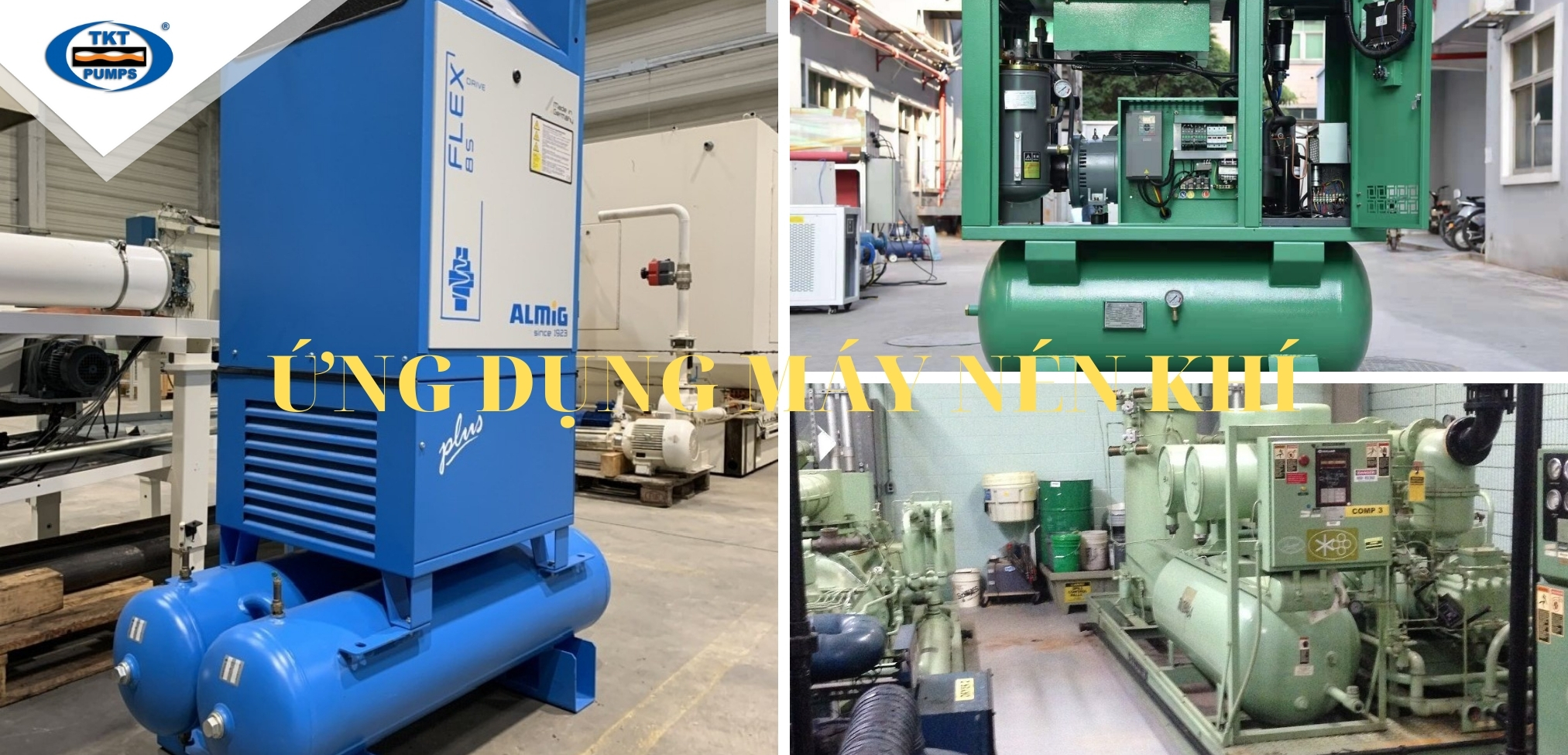
Air compressors can be used for a wide variety of tasks. They appear in virtually every area of daily life and industry. For example:
-
- They can supply air to inflate tires or inflatable pools, and are used for blowing away dust
- Powering pneumatic tools. Some tools that work well with compressed air energy include: drills, nail guns, grinders, spray guns
- Used in manufacturing: production of plastics, films, and paper; supplying air to automated production line systems in factories; as the power source for robotic arms that grip and move objects…
- And notably used as the supply source for air-operated diaphragm pumps that transfer fluids across many sectors of manufacturing.
- Used in medicine: supplying clean oxygen, operating medical equipment…
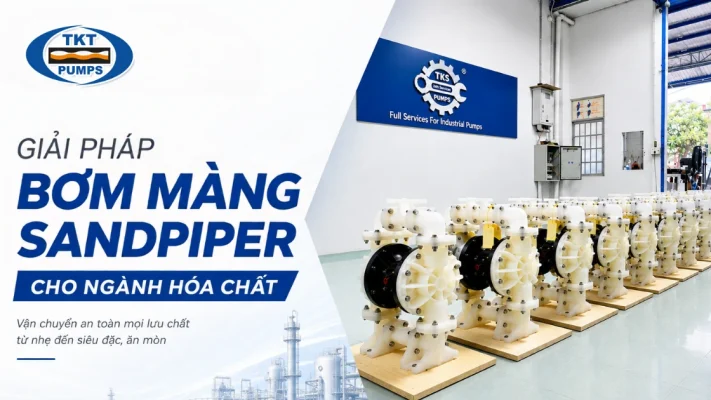
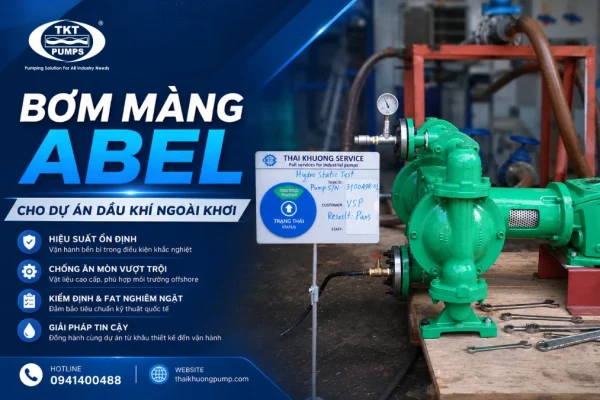
If your plant already has a central air compressor system and you are looking for an industrial pump to utilize this air supply for transferring hazardous fluids such as chemicals, corrosive substances, cosmetics, or food products, contact Thái Khương now for advice on selecting the air-operated diaphragm pump that suits your application and your plant’s compressed-air output capacity.