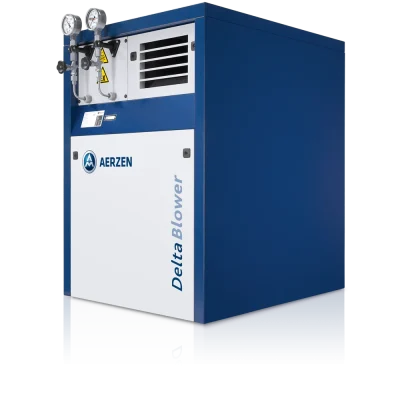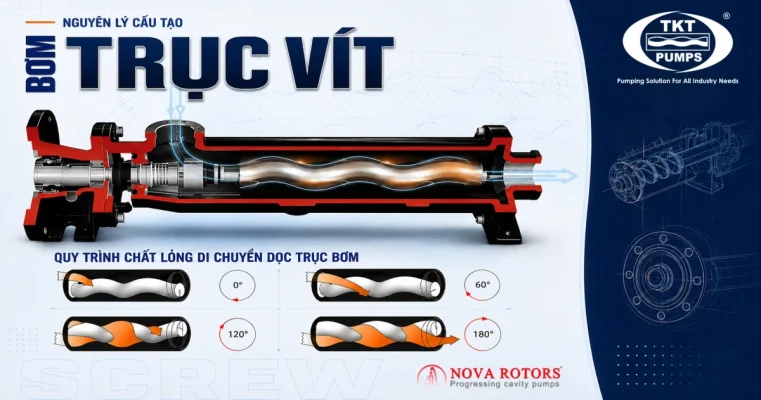





Air blowers for shrimp farming promote better shrimp growth by stabilising dissolved oxygen in the water — a vital requirement for shrimp survival. In this article, let us explore air blowers used in shrimp farming.
See also: high-capacity industrial air blowers — comparison of 4 technologies (claw / Roots / screw / turbo), selection table by application, and Aerzen / Robuschi / FPZ series.
Why Do Shrimp Farms Need an Air Blower
Vietnam is an agricultural country with a diverse range of industries spanning crop cultivation to livestock farming. The aquaculture sector — particularly shrimp and fish farming — has developed strongly and generated significant export orders for international markets.
To achieve those export targets, proper technical practices and the application of advanced technology to shrimp and fish farming are key factors. Among these, the use of air blowers and oxygen aerators for shrimp ponds has delivered measurable improvements in both yield and product quality.
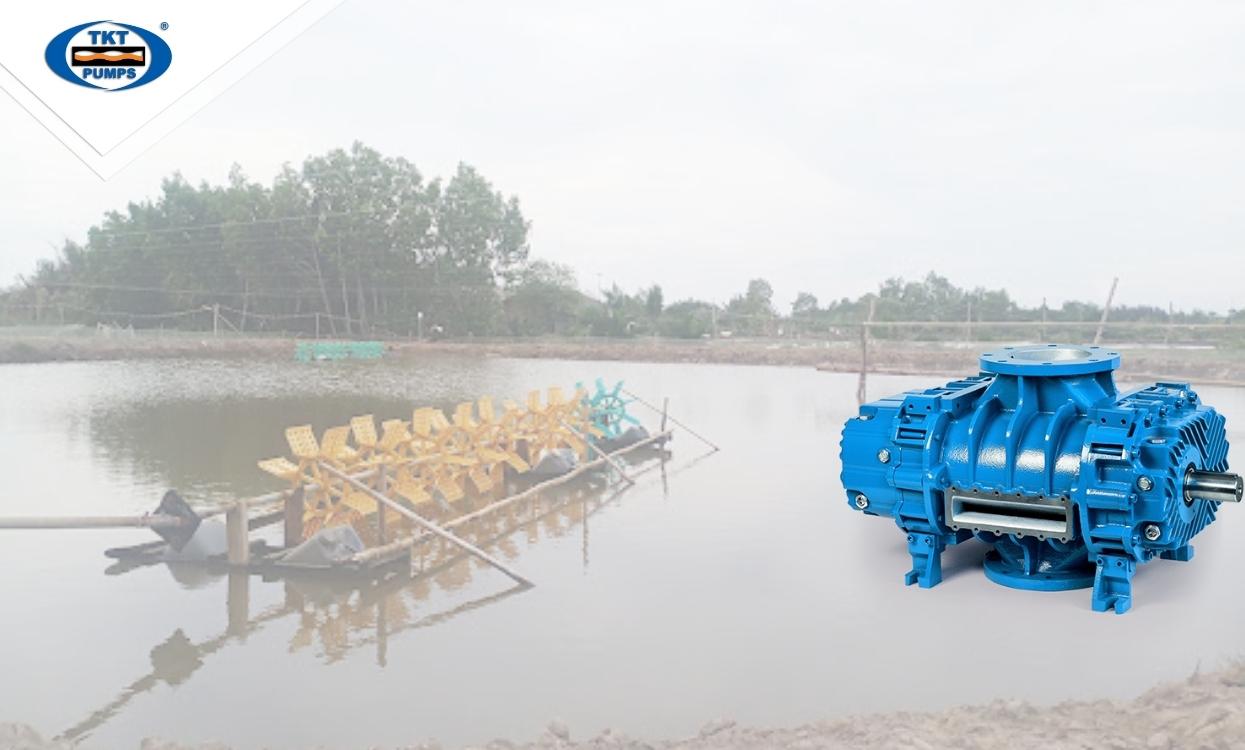
Shrimp farming and aquaculture in general require equipment such as air blowers, aerators, and oxygen generators. The purpose is to maintain adequate dissolved oxygen levels in the water so that farmed animals have the oxygen they need to stay healthy and grow.
Shrimp and fish farmers pay close attention to water quality to maintain a suitable living environment for their stock. Oxygen is an indispensable life source for these animals. Oxygen deficiency prevents shrimp and fish from breathing properly, resulting in poor growth and even mass mortality. Let us look at the three main causes of oxygen depletion in shrimp ponds.
- High pond water temperature: Temperature directly affects dissolved oxygen levels — the higher the temperature, the lower the oxygen content. High temperatures also significantly impact the body temperature and health of farmed animals as well as the microorganisms in the pond.
- High stocking density: Stocking too many juveniles without accounting for growth capacity and living space quickly leads to overcrowding. This directly depletes dissolved oxygen, causing oxygen deficiency for the farmed animals.
- Small pond area: Similar to high stocking density, ponds with insufficient area that are not regularly rehabilitated also cause oxygen depletion. This results in slow growth, uneven development, and a higher risk of other losses.

What Benefits Does an Air Blower Bring to Shrimp Farming?
We have established that the primary factor affecting shrimp and fish growth is dissolved oxygen in the water. The straightforward and effective solution to this problem is the use of air blowers and oxygen aerators for shrimp ponds and shrimp enclosures.
So what are the specific benefits of an air blower for shrimp ponds?
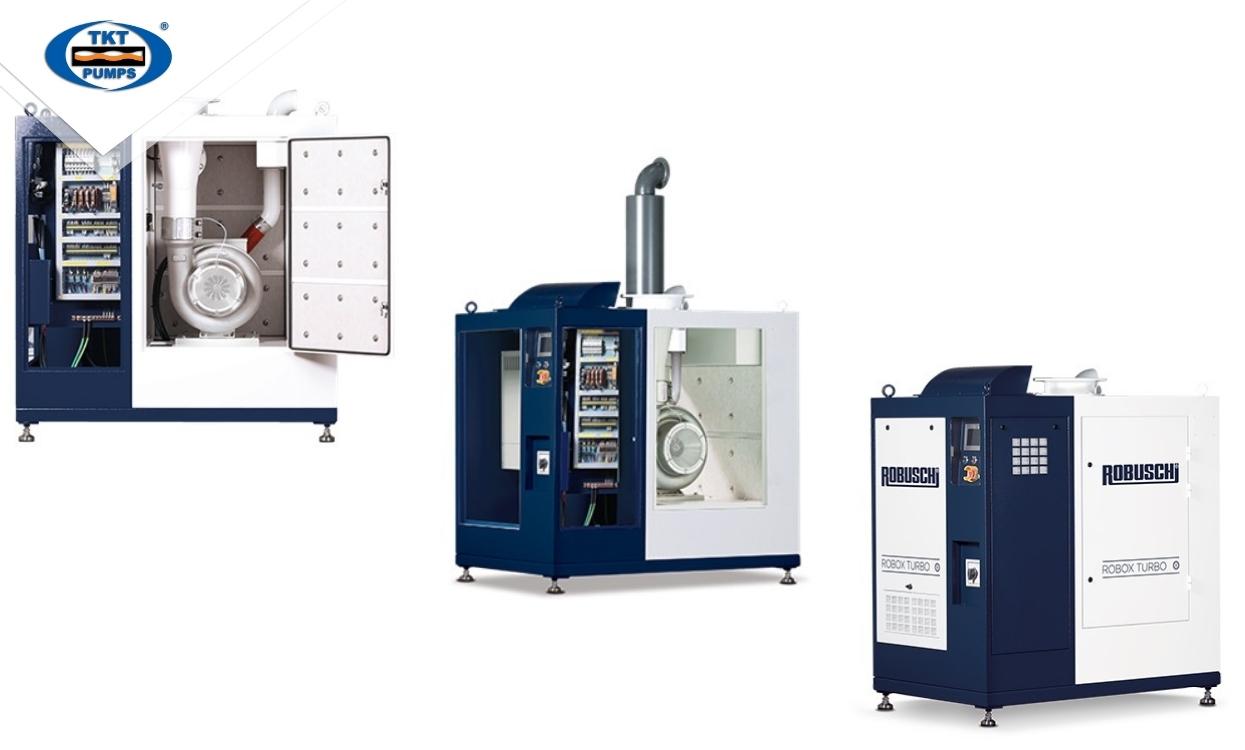
Reliable performance: Air blowers such as Robuschi Robox from Italy deliver assured, dependable durability and stable operation in supplying oxygen to shrimp and fish. They generate strong airflows that keep water in constant circulation, producing oxygen beneficial to shrimp and fish.
Energy savings: Despite delivering high working performance, air blowers are designed to optimise energy consumption. When machines run continuously, electricity costs represent an operating expense that must be carefully considered.
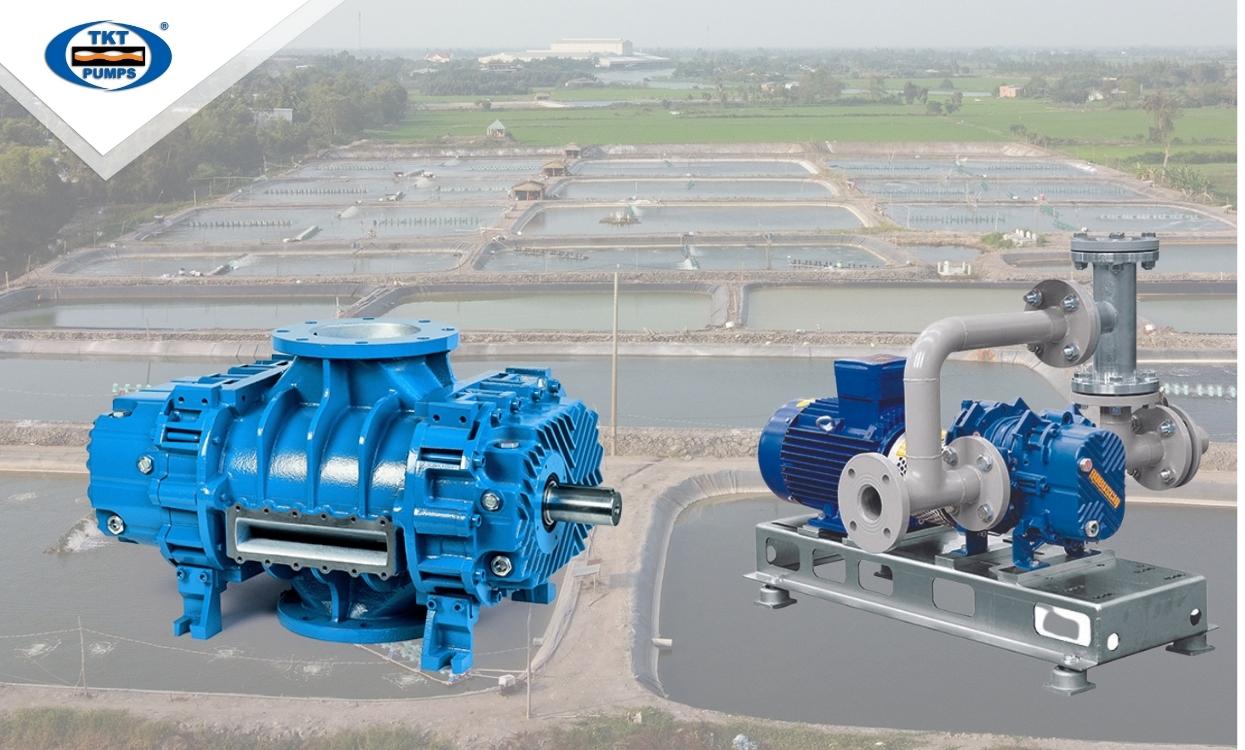
Features of air blowers for shrimp farming:
- High operating efficiency
- Energy saving
- Simple construction
- Easy operation
- Easy maintenance
- Low noise level; some models are available with a soundproof enclosure
Other Applications of the Robuschi Robox Air Blower
Robuschi provides aquaculture solutions to international standards through its product range of air blowers, vacuum pumps, and screw compressors for applications including: fish handling, packaging, fish pond aeration, fish feeding, and wastewater treatment.
Fish Feeding
Feed distribution to fish is arranged through a pressurised compressed-air system conveying feed from barges or vessels to fish in open-water areas (aquaculture cage farming).
Fish Handling
Vacuum pumps are used to transfer live fish together with seawater from fishing vessels, holding tanks, or buffer tanks to processing plants, and from feeding cages to sorting machines. Vacuum pumps are also used in pressure mode to transfer live fish from storage vessels to slaughter points.
Fish Pond Aeration
Dissolved oxygen content in water can be significantly increased using a Roots blower, allowing a greater volume of fish to be raised in the pond. In this process, air is drawn from the atmosphere and delivered through an inlet into a pipe-type aeration device. It is then diffused into the water through fine holes and rises as small bubbles. The increased oxygen in the water promotes rapid fish growth and reproduction, substantially boosting yields.
Packaging
Air and the oxygen it contains have detrimental effects on the quality and shelf life of fresh produce. The classic vacuum application in this field is vacuum packaging. Before sealing, a centralised vacuum system evacuates air from the package. Vacuum units are used in a wide variety of industrial packaging machines.
Wastewater Treatment
Aeration tanks in wastewater treatment plants are oxygenated using compressed air. Thorough mixing of sludge with oxygen increases biogas production and reduces retention time in the tank. Blower or low-pressure screw compressor technology can be found in fish-processing wastewater treatment plants.
Robuschi Robox and Arivent are well-known air blower and aerator brands officially distributed by Thái Khương. For more detailed consultation tailored to your specific requirements, please contact Thái Khương and our engineering team will assist you promptly.
Thái Khương is always ready to serve you!