



Blackmer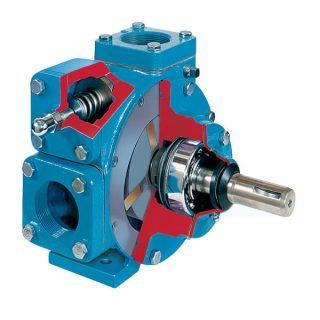
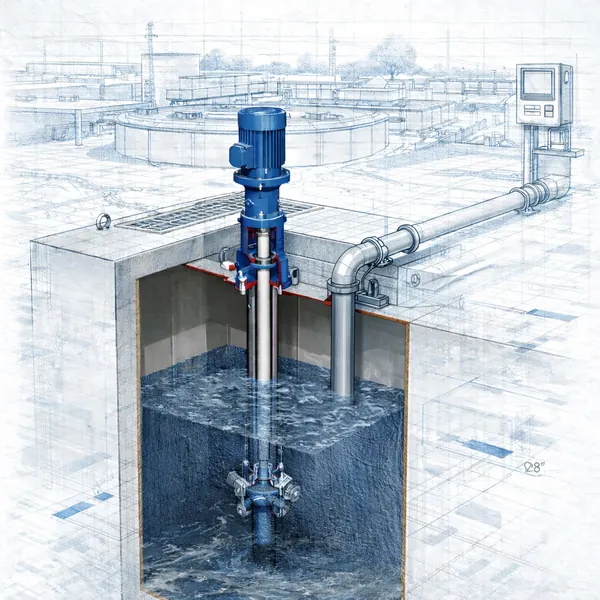 Wastewater treatmentLift stations, non-clog
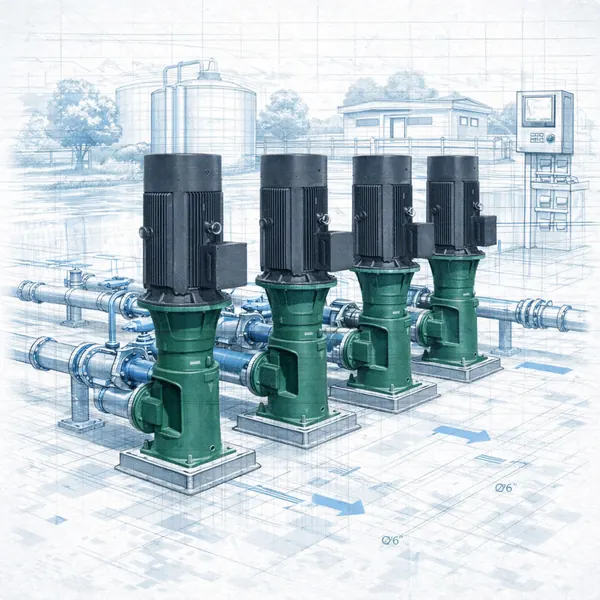 Clean water supplyBoreholes, boosters
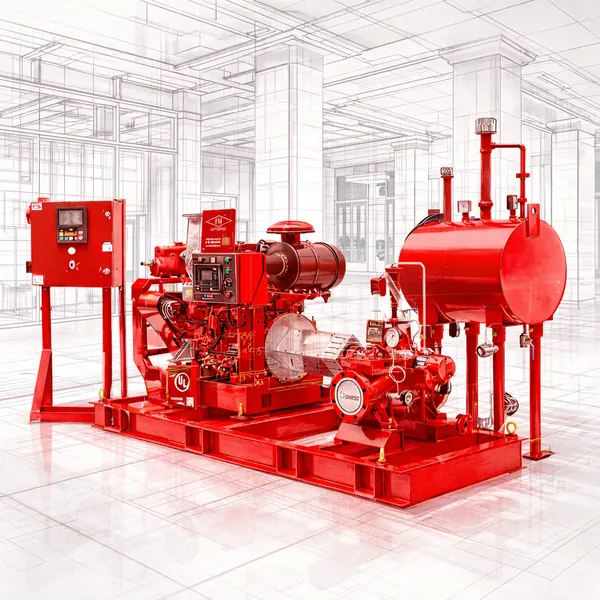 Fire protectionUL/FM · NFPA 20
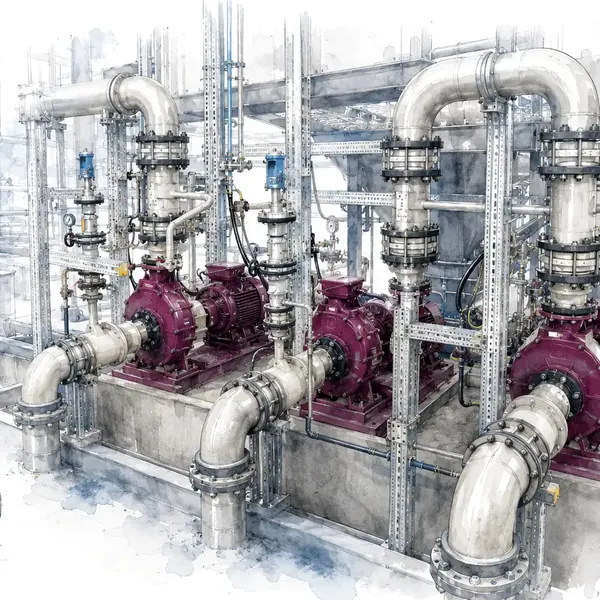 Industrial chemicalsAcids, alkalis, solvents
 Hygienic food & beverageCIP/SIP, 316L
 HVAC & chillerCirculation, buildings
 Slurry & solidsSlurry, dredging
 Chemical dosingDiaphragm, piston
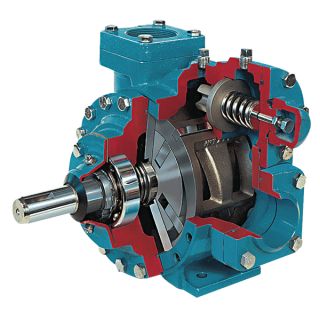
Sliding vane transfer pumps move fuel, LPG, solvents and lube oil between storage tanks, tank trucks and terminals. The vanes self-adjust for wear, so flow stays steady over time. Genuine Blackmer (USA).
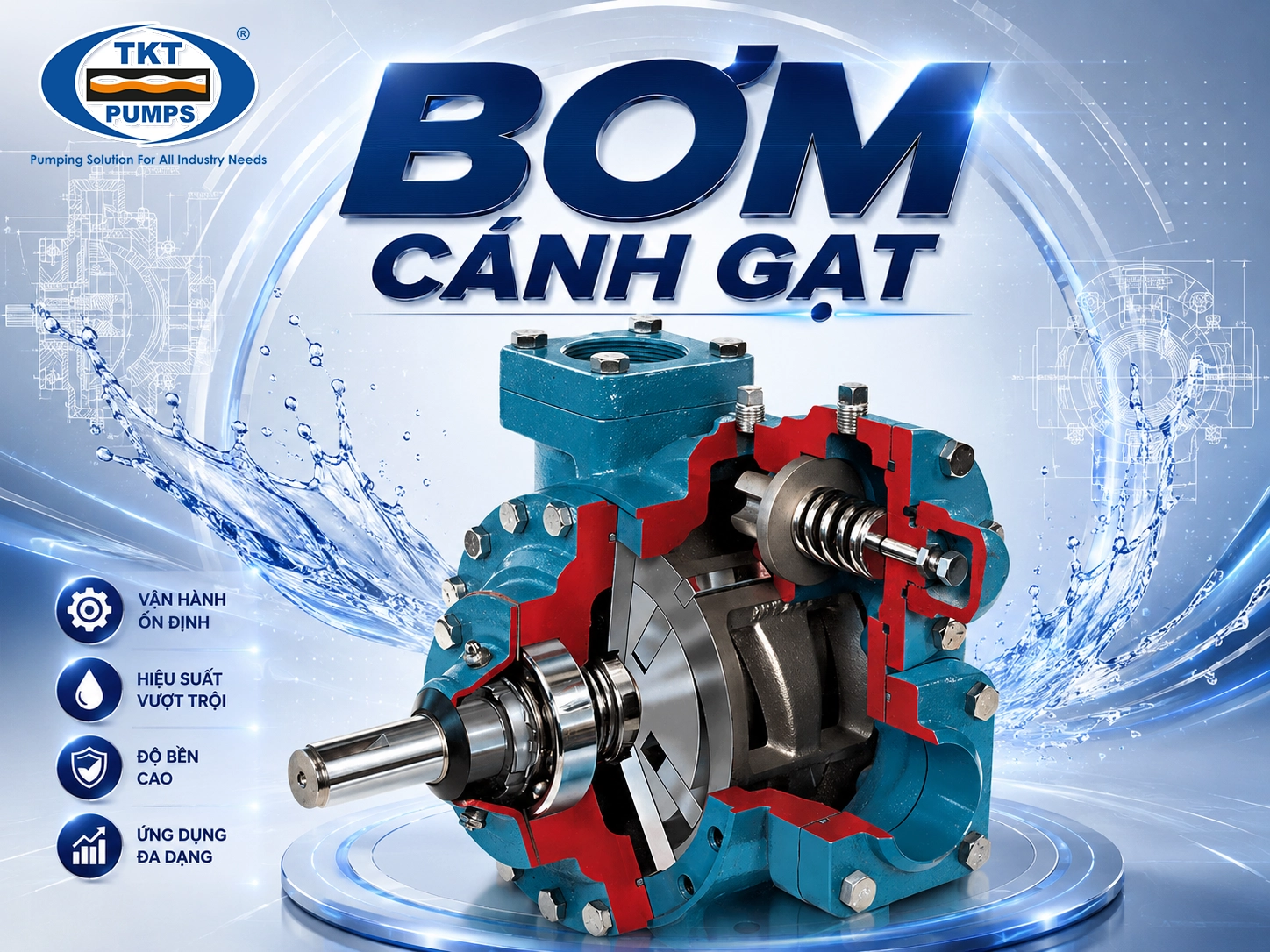
A sliding vane transfer pump is a rotary positive-displacement pump used to move fuel, LPG, solvents and lube oil between storage tanks, tank trucks and terminals. The vanes ride against the casing and compensate as they wear, so flow stays steady over time; the pump is self-priming and strips tanks well. Note: in Vietnam a different pump also goes by the name "bơm cánh gạt" — the hydraulic vane pump (Yuken, Vickers, Parker) used in press and excavator hydraulics; Thai Khuong does not supply those. This category is sliding vane, genuine Blackmer (USA).
From definition and spec ranges to a 3-step model picker — all in one flow.
A sliding vane pump has an eccentric rotor carrying vanes that slide in slots. As the rotor turns, centrifugal force pushes the vanes against the casing wall, forming sealed chambers that change volume to draw in and discharge the fluid. Because the vanes stay in contact, clearances do not widen as they wear — this is why flow holds up over the years, and why the type is chosen for fuel terminals where pumps run many hours a day.
Vanes are wear parts and are replaceable: at service intervals a new vane set restores the original performance instead of replacing the pump. Blackmer (Grand Rapids, Michigan — part of PSG/Dover, since 1903) is a familiar line at fuel terminals and LPG filling stations; the plant holds ISO 9001:2015, with stainless and magnetic-drive (sealless) versions for fluids that must not leak.
Name it specifically rather than saying "oil": diesel, fuel oil, LPG or solvent lead to three different configurations. LPG has high vapour pressure, so it needs pressure-rated design, a relief valve and specific seals. Fluid is the single input that drives the most decisions.
Flow sets pump size and motor rating. Stripping an underground tank and loading a tank truck are two different suction problems — state it up front so the configuration is not reworked later.
Mechanical seal for ordinary fluids; magnetic drive where leakage is not permitted. Fuel areas usually require an explosion-proof certificate for the whole unit, not just the motor. TKT engineers cross-check against CO-CQ.
In Vietnam two very different pumps are both called "bơm cánh gạt". Asking for a price without saying which one returns figures that are far apart. This category is the left-hand column.
| Criteria | Sliding vane (transfer) | Hydraulic vane pump |
|---|---|---|
| Moving fuel or LPG between tank and truck | The right type | Not used for this |
| Moving hydraulic oil inside presses, excavators | Not used for this | The right type |
| Familiar lines | Blackmer, Corken | Yuken PV2R, Vickers 2520/3520, Parker T6 |
| How it is selected | By fluid, flow and hazardous-area rating | By pump code of the hydraulic circuit |
| Where it sits | Fuel terminals, filling stations, tank trucks | Inside machinery and production lines |
| Supplied by Thai Khuong | Yes — the lines below | Not supplied |
Industries that commonly use this pump line. If your need differs, quickly switch to the other lines.
Transferring fuel between storage tanks, tank trucks and loading racks.
Volatile fluid at high vapour pressure — needs pressure-rated design and area certification.
Thin, volatile solvents — selected by material and sealing method.
Tank stripping and filling in lube-oil plants — uses self-priming and dry-strip ability.
Viscous fluids in processing — materials configured to hygiene requirements.
Transferring viscous fluids and oils across plants, stores and production lines.
They are two different pumps that share a Vietnamese name. A hydraulic vane pump (Yuken PV2R, Vickers, Parker T6) moves hydraulic oil inside presses and excavators and is sold by pump code. A sliding vane transfer pump (Blackmer, Corken) moves fuel, LPG and solvents between tanks and trucks and is selected by fluid, flow and hazardous-area rating. Thai Khuong supplies the sliding vane type.
The vanes compensate as they wear, so flow stays steady over time; the pump self-primes and strips tanks well, and it handles volatile fluids such as gasoline and LPG — which is exactly what fuel terminals and tank trucks need.
LPG has high vapour pressure, so it needs pressure-rated design, a relief valve and specific seal materials, plus explosion-proof certification for the whole unit. These items add to the price and cannot be left out.
Purchase price plus periodic vane sets plus seals. Genuine pumps have vanes on the shelf and can be serviced the same day, which cuts terminal downtime compared with waiting for uncertified spares.
Sliding vane lines NP, HXL, XLW, X and MLX for fuel, LPG, solvents and lube oil; plus the S screw pump line (twin and triple screw) for viscous fluids. TKT engineers match the line to the fluid and the installation.
Within 24 hours once the fluid, flow, suction/discharge head and hazardous-area requirement are known. Quotes include a datasheet and a recommended spare-parts set.
TKS technical service & after-sales team serves all pump brands — 24/7 repair, laser alignment, rotating equipment overhaul, and genuine spare parts for 28+ EU/G7 pump brands.