



Robuschi
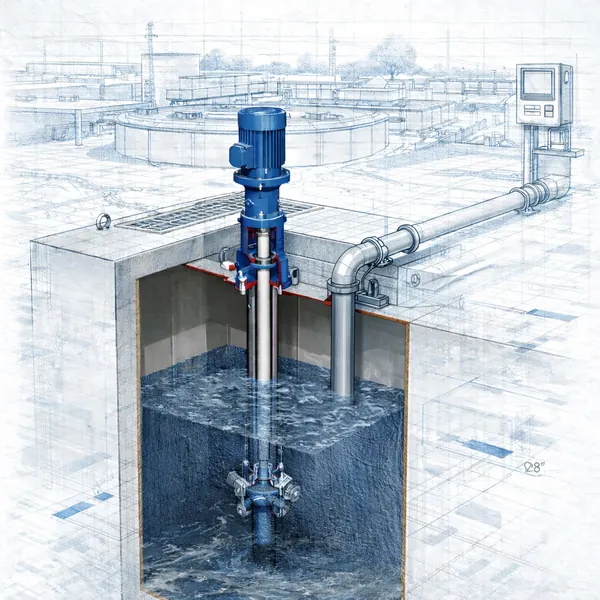 Wastewater treatmentLift stations, non-clog
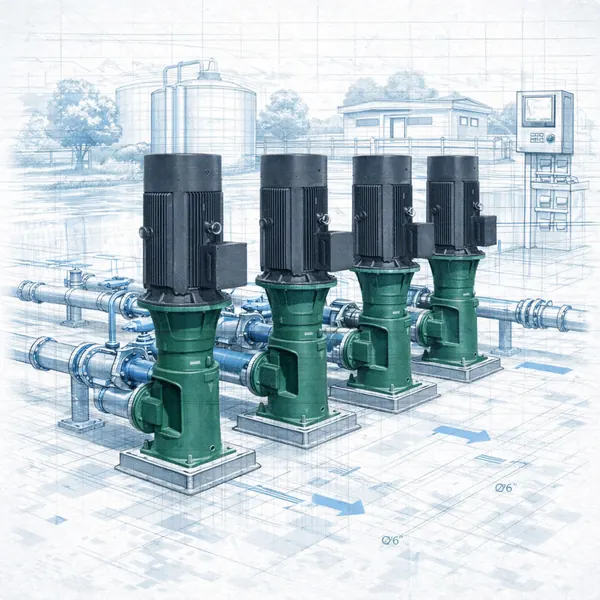 Clean water supplyBoreholes, boosters
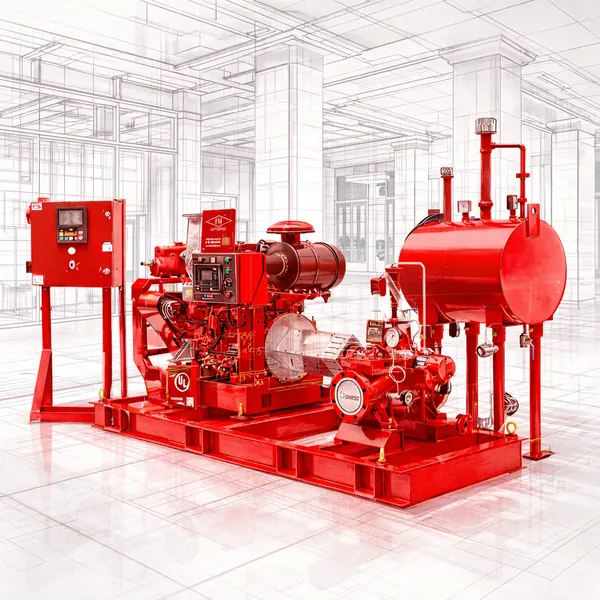 Fire protectionUL/FM · NFPA 20
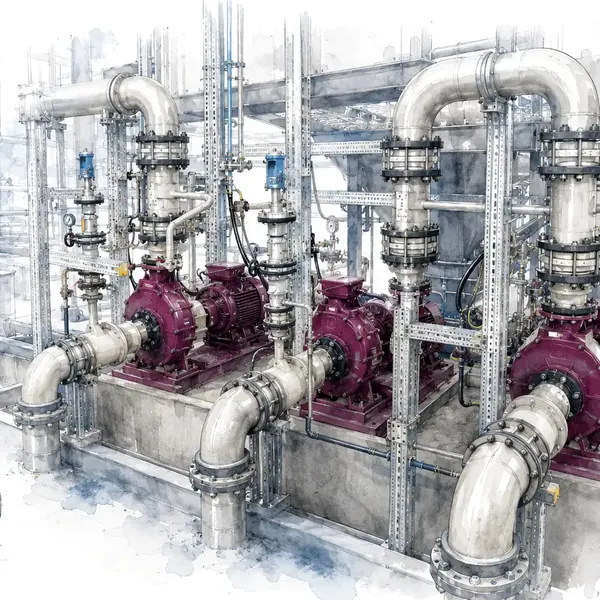 Industrial chemicalsAcids, alkalis, solvents
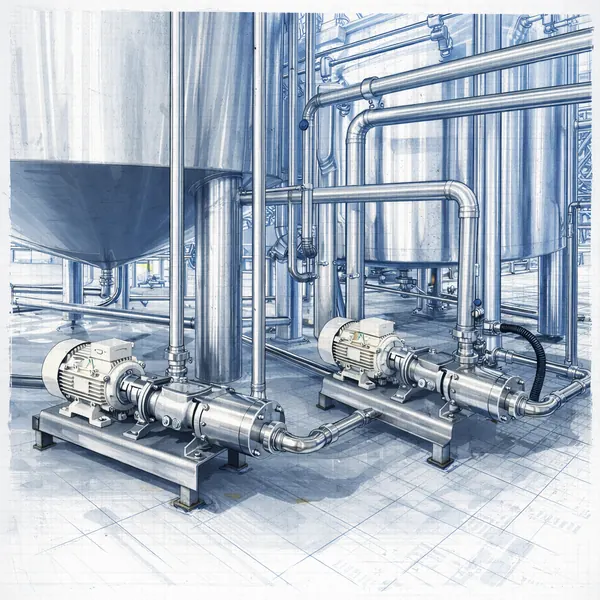 Hygienic food & beverageCIP/SIP, 316L
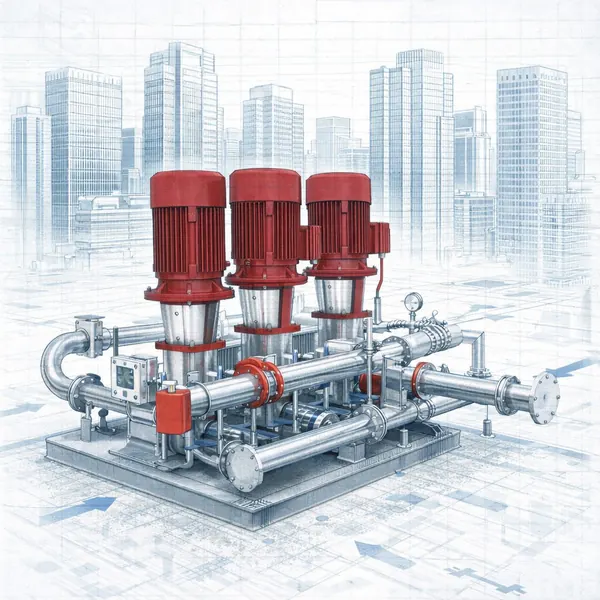 HVAC & chillerCirculation, buildings
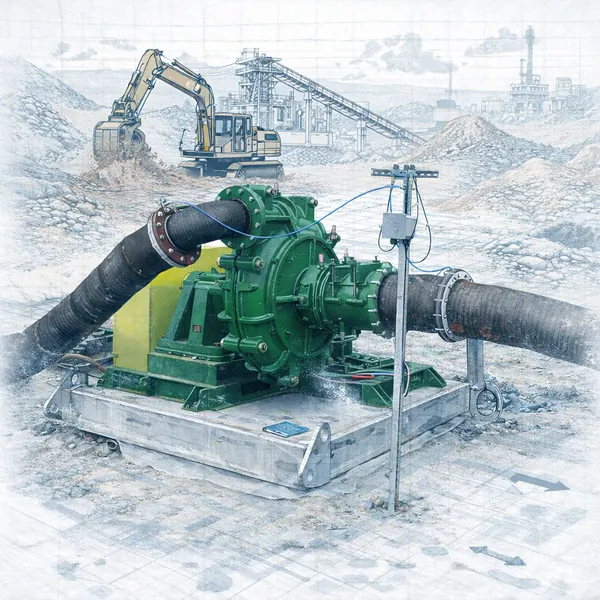 Slurry & solidsSlurry, dredging
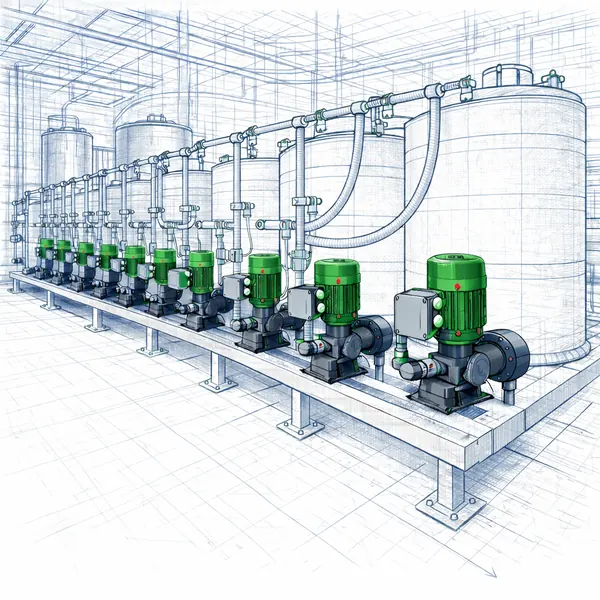 Chemical dosingDiaphragm, piston
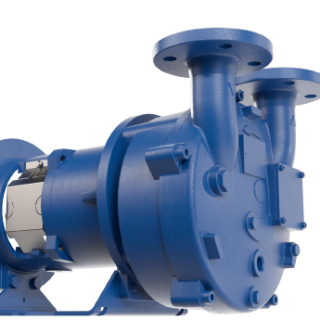
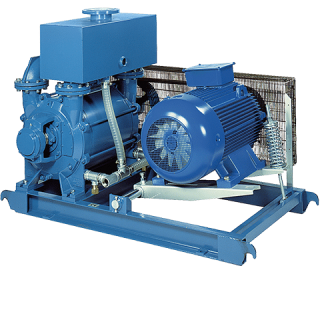
Vacuum pumps evacuate gas to create vacuum for packaging, drying, degassing, filtration and distillation — liquid ring, rotary vane and dry screw technologies. Genuine, imported from EU/G7.
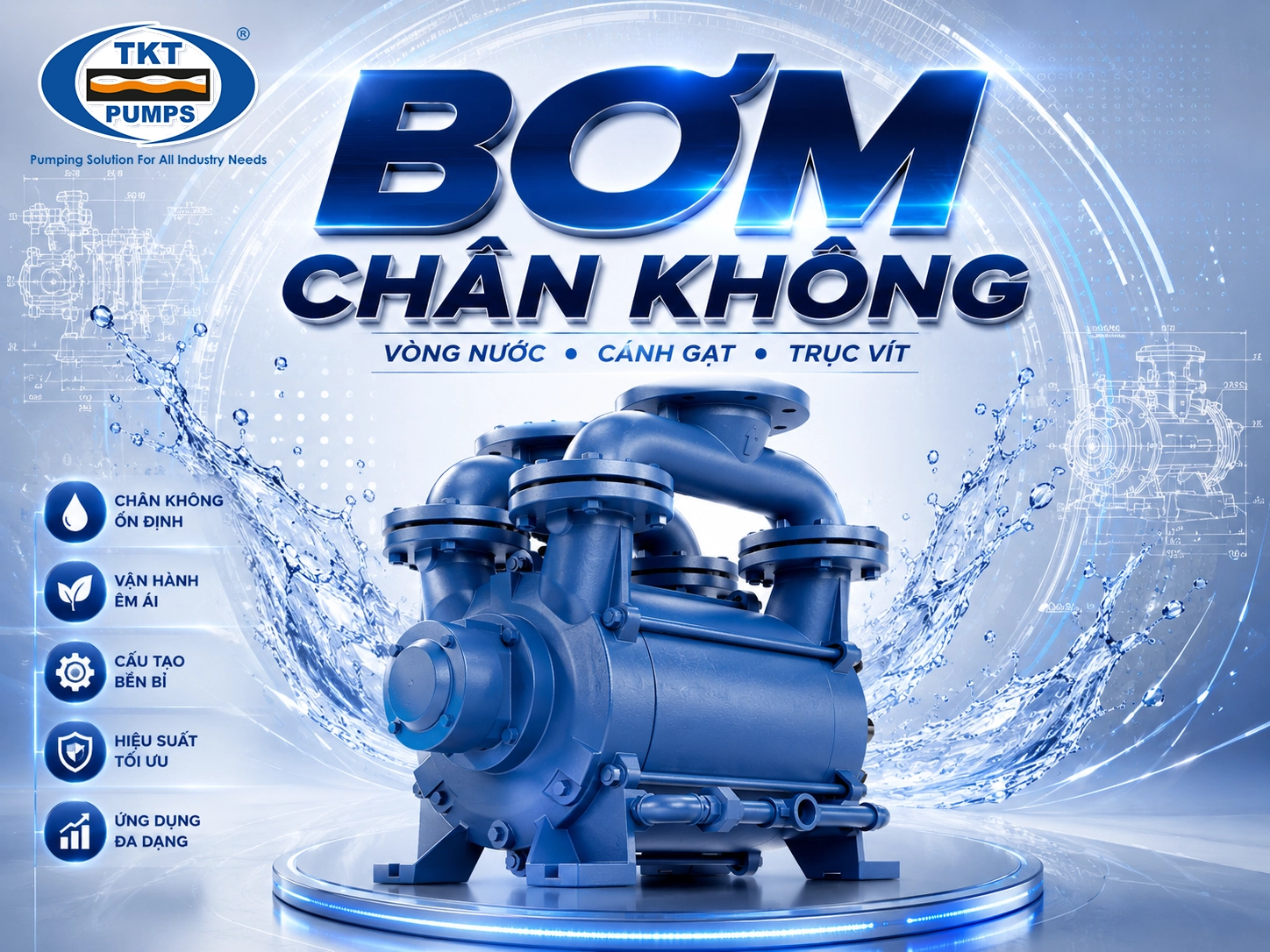
Vacuum pumps evacuate gas from a closed system to create and maintain vacuum. Common technologies: liquid ring (tolerates moisture, dust and mildly corrosive gases, vacuum down to ~33 mbar abs), rotary vane (deeper vacuum, compact, available in dry and oil-lubricated versions), dry screw (deep vacuum, clean oil-free discharge) and Roots (booster staged in series to increase pumping speed). Suction flow rates range up to thousands of m³/h depending on size. Applications include vacuum packaging, drying and degassing, vacuum filtration, distillation, workholding (CNC), and medical/laboratory use. Thái Khương Pumps distributes genuine EU/G7 vacuum pumps — technical consultation on technology selection by vacuum level, flow rate and gas type.
From definition and spec ranges to a 3-step model picker — all in one flow.
Vacuum pumps evacuate gas from a closed system to create and maintain vacuum. Technology selection depends on required vacuum level, suction flow rate and gas characteristics (moisture, dust, corrosive agents, solvents).
Technologies: liquid ring (tolerates moisture/dust, vacuum to ~33 mbar); rotary vane (deep vacuum, dry/oil versions); dry screw (deep vacuum, clean discharge); and Roots (booster staged in series to increase pumping speed). Suction flow rates up to thousands of m³/h depending on size.
Required vacuum level (mbar abs) and suction flow rate (m³/h, based on chamber volume and evacuation time) determine the technology and pump size.
Moist/dusty/mildly corrosive gas → liquid ring; deep vacuum, compact → rotary vane; clean gas, deep vacuum → dry screw; increase pumping speed → add Roots booster.
Dry or oil-lubricated, materials and cooling method to suit the environment. Choose EU/G7 brand with CO-CQ documentation; TKT engineers provide technology consultation.
Select vacuum technology based on gas type and required vacuum level.
| Criteria | Liquid ring | Rotary vane / dry screw |
|---|---|---|
| Moist, dusty gas | Handles well | Limited (requires filtration) |
| Deep vacuum | Moderate (~33 mbar) | Deeper |
| Clean discharge (oil-free) | Contains water | Dry screw: clean |
| Mildly corrosive gas | Tolerates | Depends on materials |
| Water consumption | Yes (liquid ring) | No (dry version) |
| Maintenance | Simple | Depends on type |
Industries that commonly use this pump line. If your need differs, quickly switch to the other lines.
Food packaging, vacuum sealing of containers to extend shelf life.
Vacuum drying, degassing of fluids and heat-sensitive materials.
Vacuum supply for filter presses and belt filters.
Lowering boiling point for distillation and concentration at reduced temperature.
Vacuum clamping of workpieces on CNC machine tables and automated lines.
Vacuum supply for medical equipment and laboratory testing.
A vacuum pump evacuates gas from a closed system to create vacuum. Common technologies: liquid ring, rotary vane, dry screw and Roots (booster). Selection depends on vacuum level, flow rate and gas type.
When the gas contains moisture, dust or mild corrosive agents — the liquid ring handles these well thanks to its internal water ring. Achieves vacuum down to approximately 33 mbar abs, suitable for filtration, slurry handling and many wet processes.
When clean discharge (oil-free and water-free) and deep vacuum are needed — for example in food, pharmaceutical and electronics applications. Dry screw pumps have no oil in the suction chamber, yielding clean gas with minimal contamination.
A Roots pump is staged in series upstream of a backing vacuum pump to increase pumping speed and reach deeper vacuum faster — used for large chambers requiring rapid evacuation.
Vacuum level (mbar abs) is set by process requirements; suction flow rate (m³/h) is based on chamber volume and desired evacuation time, plus leakage allowance. TKT engineers provide application-specific sizing support.
Both oil-lubricated (for sealing and lubrication, achieving deep vacuum) and dry (oil-free, cleaner discharge) versions are available. Selection depends on gas cleanliness requirements and maintenance considerations.
TKT distributes genuine vacuum pumps imported from EU/G7 brands — liquid ring, rotary vane and dry screw — with full CO-CQ documentation. Submit your requirements (vacuum level, flow rate, gas type) for technical consultation.
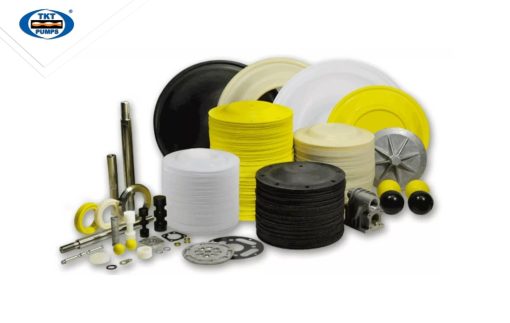
TKS technical service & after-sales team serves all pump brands — 24/7 repair, laser alignment, rotating equipment overhaul, and genuine spare parts for 28+ EU/G7 pump brands.