




CAPRARI
01
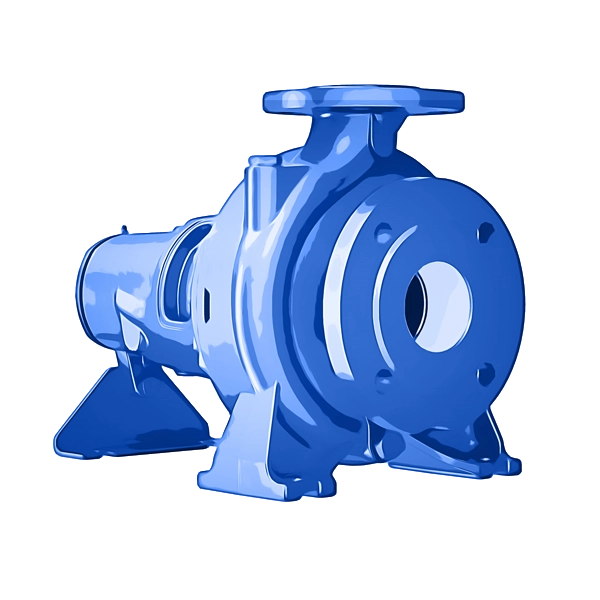
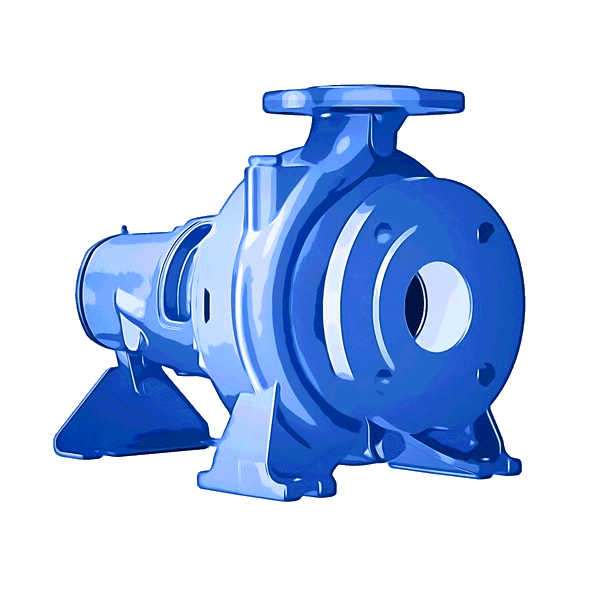
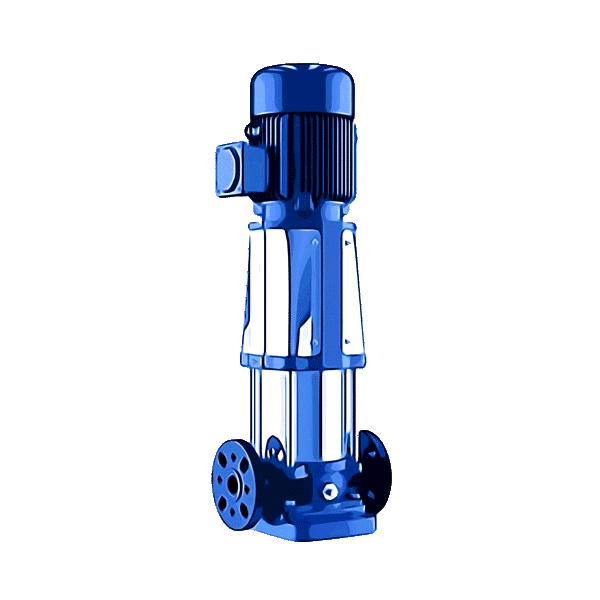
Horizontal Centrifugal Pump
Flow Rate2000 m³/h
Head150 m
View pump line
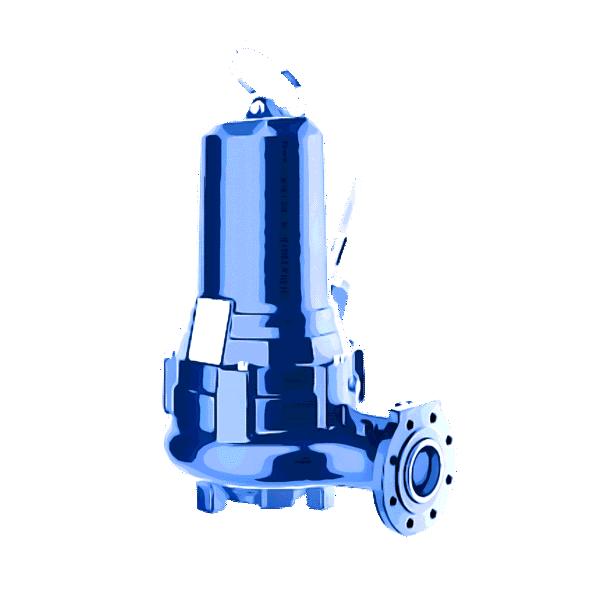
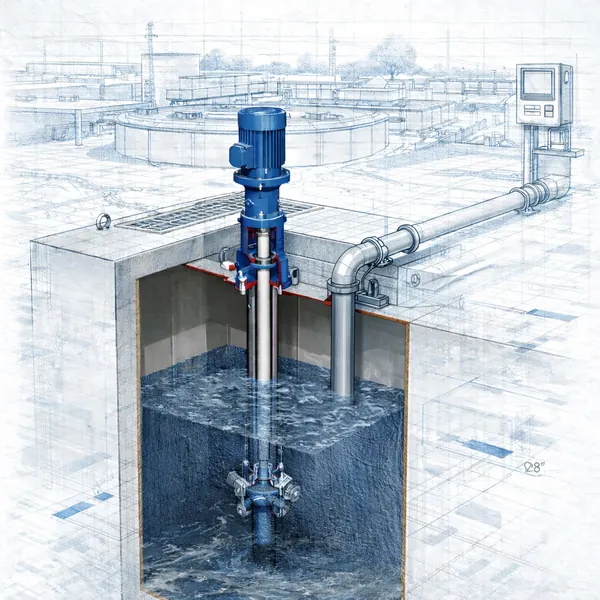 Wastewater treatmentLift stations, non-clog
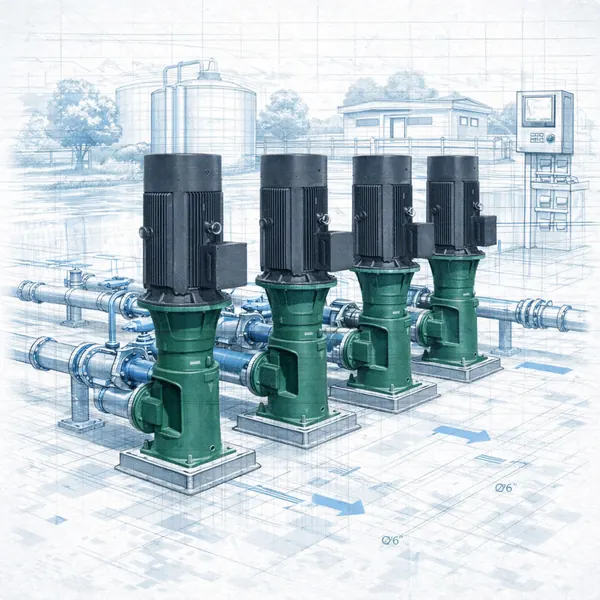 Clean water supplyBoreholes, boosters
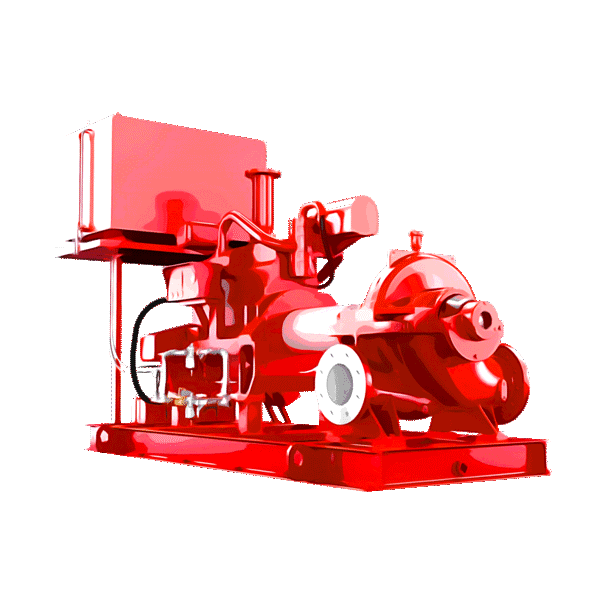
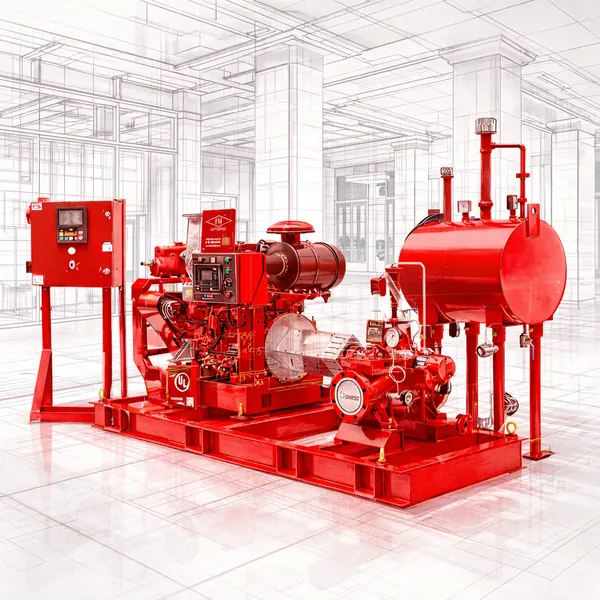 Fire protectionUL/FM · NFPA 20
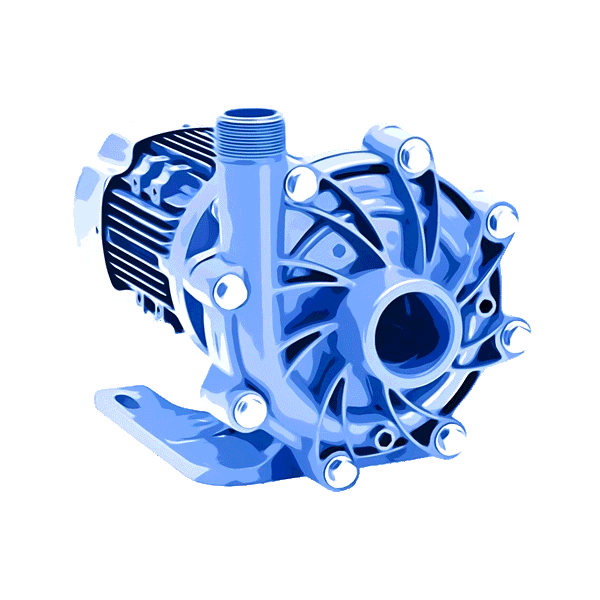
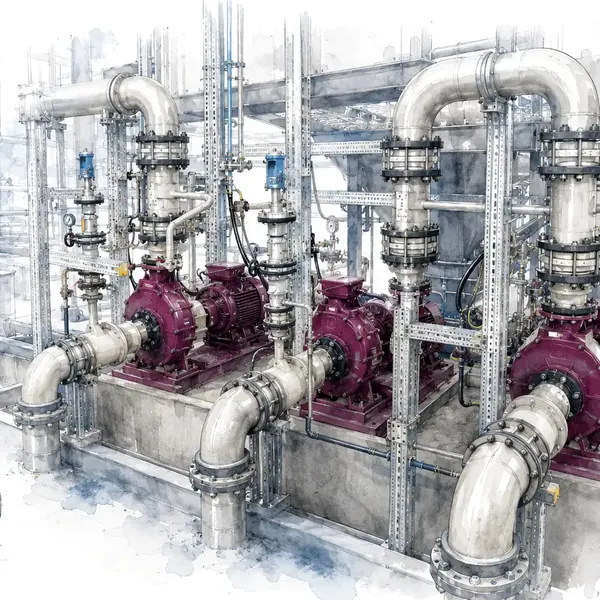 Industrial chemicalsAcids, alkalis, solvents
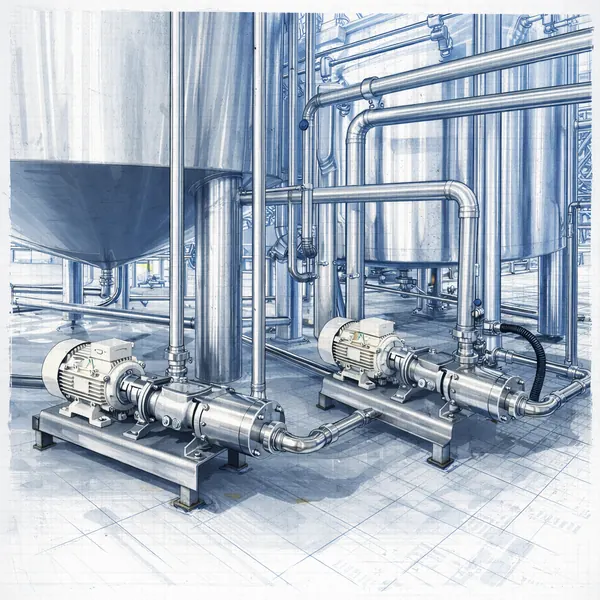 Hygienic food & beverageCIP/SIP, 316L
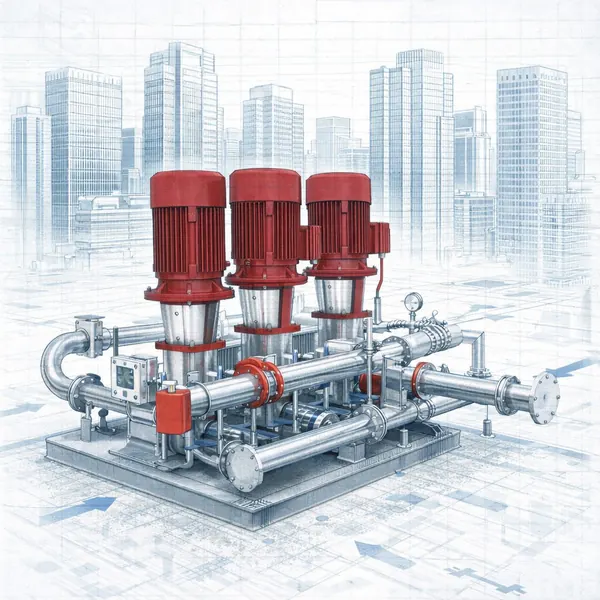 HVAC & chillerCirculation, buildings
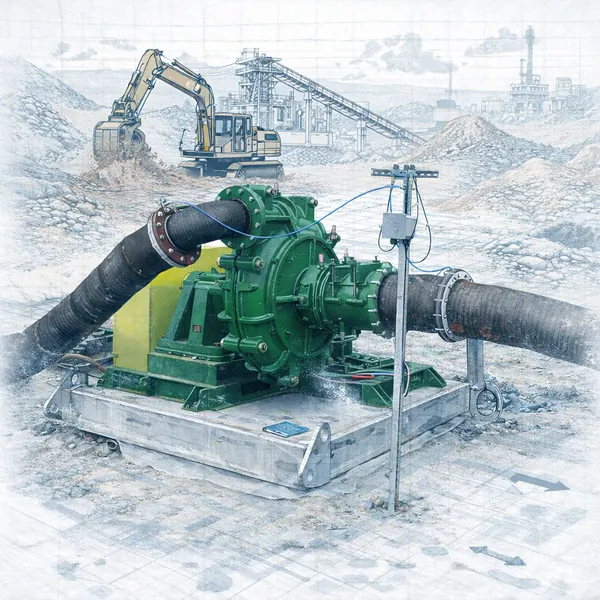 Slurry & solidsSlurry, dredging
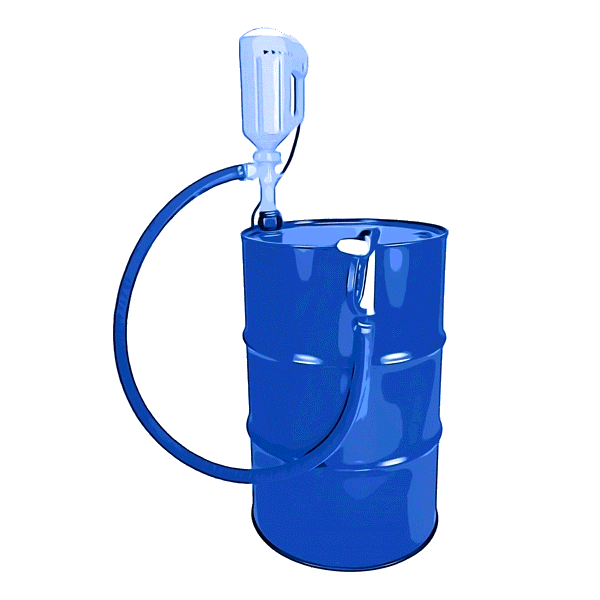
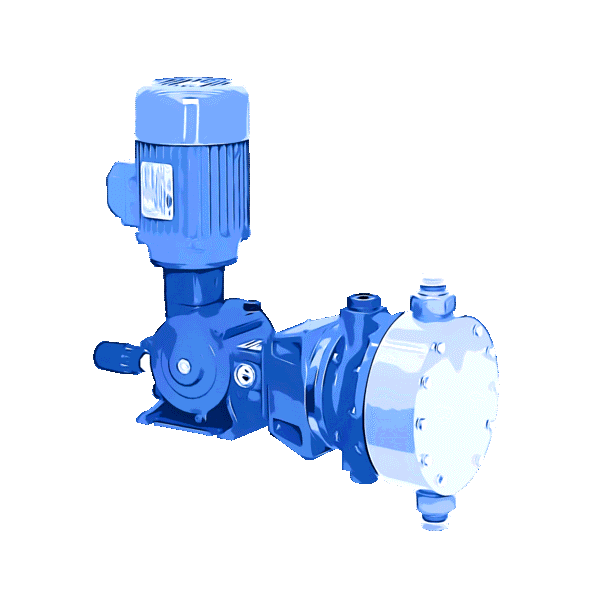
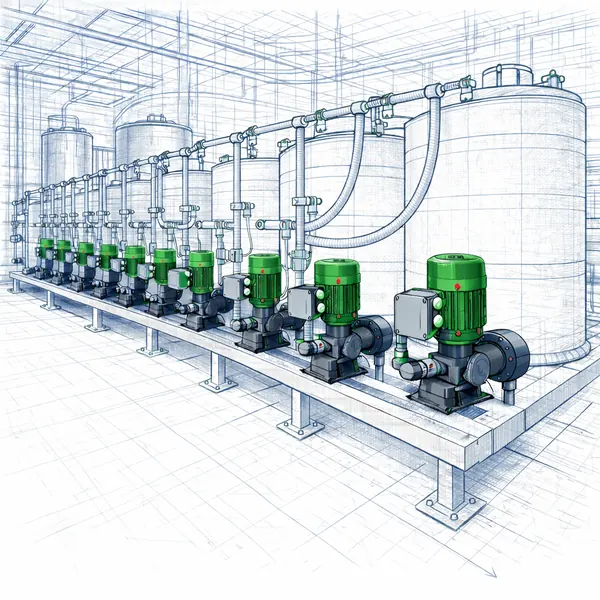 Chemical dosingDiaphragm, piston
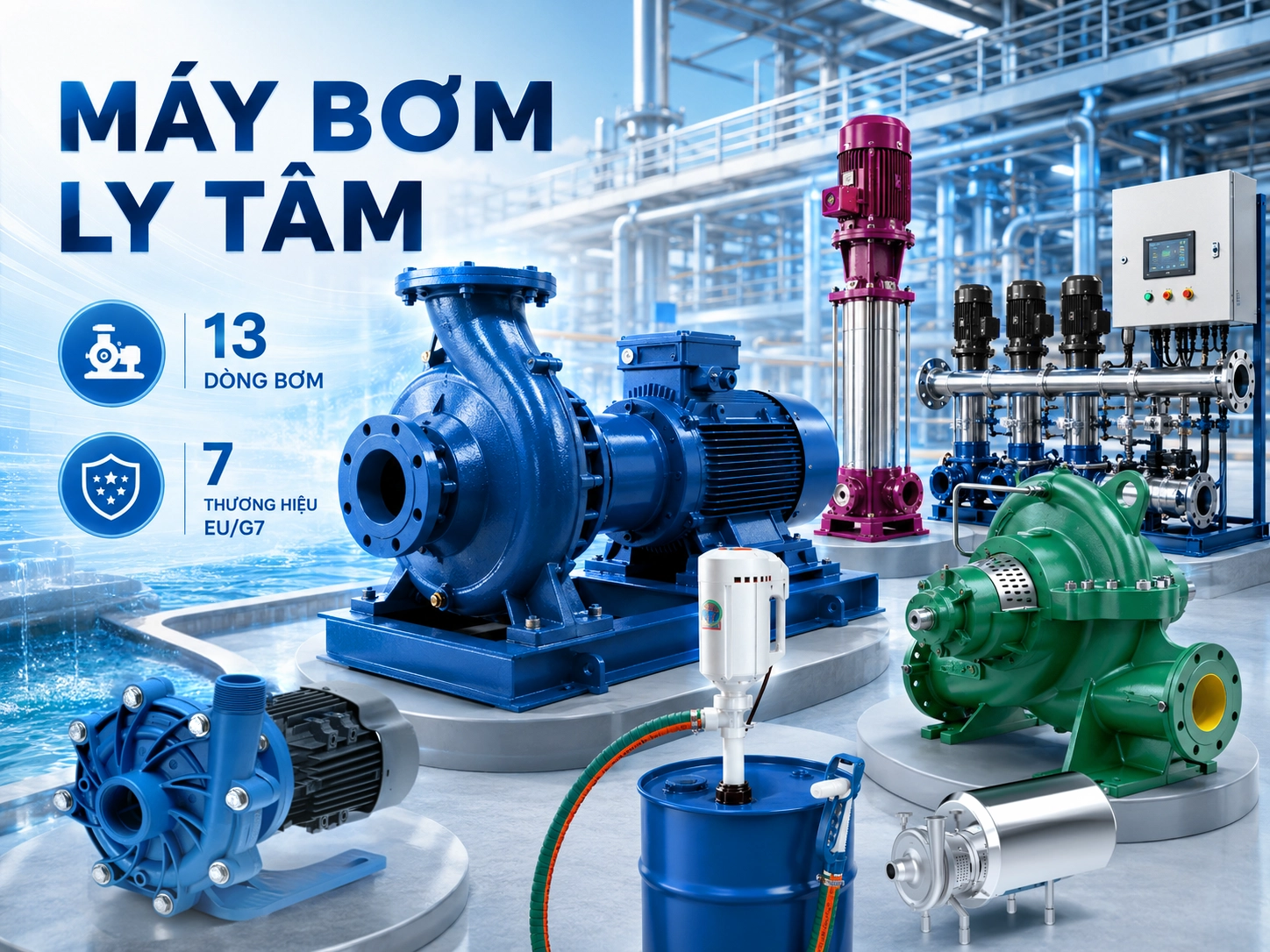
Over 290 genuine centrifugal pump models from EU/G7 brands — serving clean water supply, HVAC, wastewater treatment, and general industry. TKT engineers provide pump selection advice based on the Q–H operating point and deliver a quotation within 15 minutes.
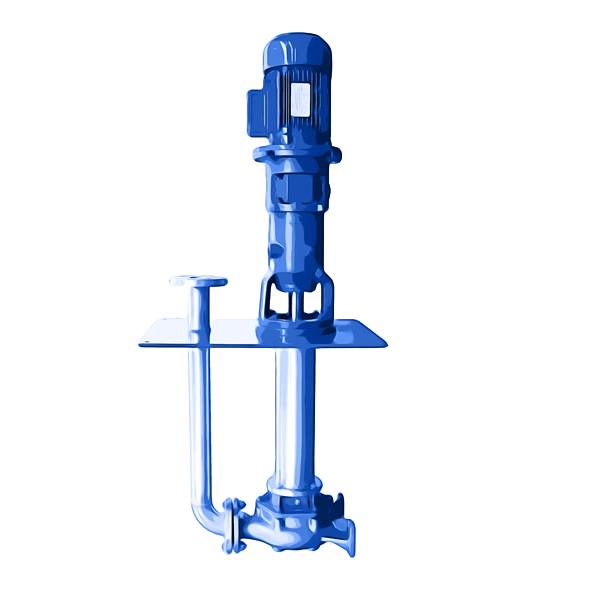
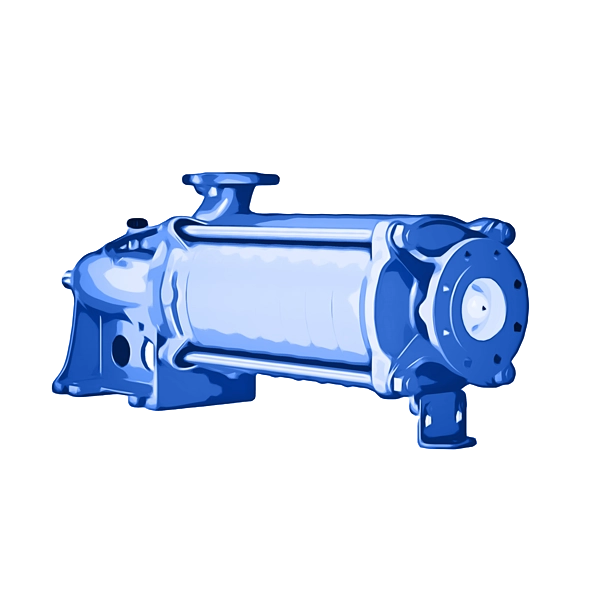
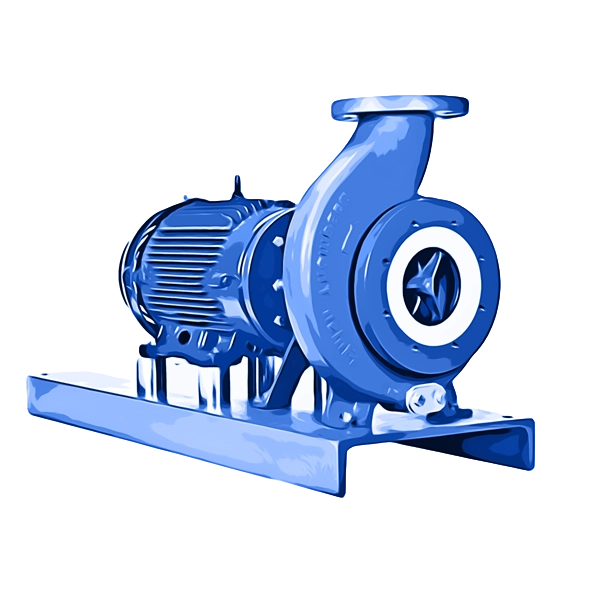
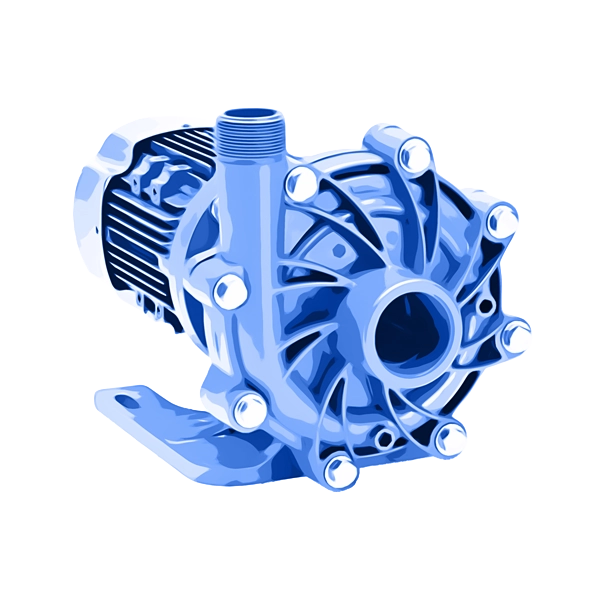
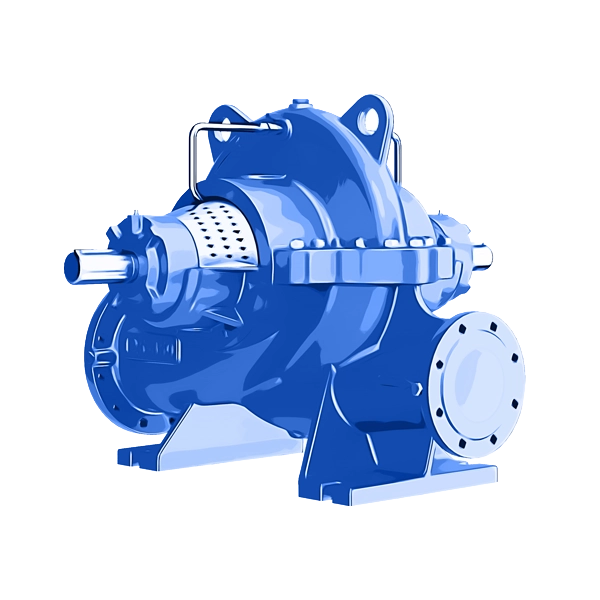
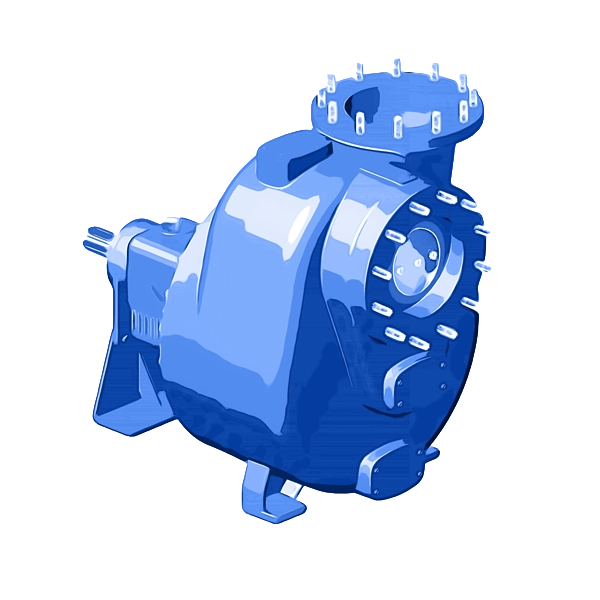
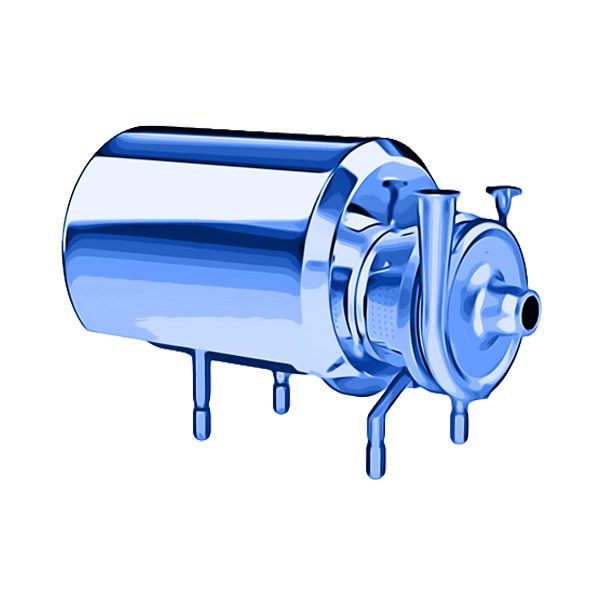
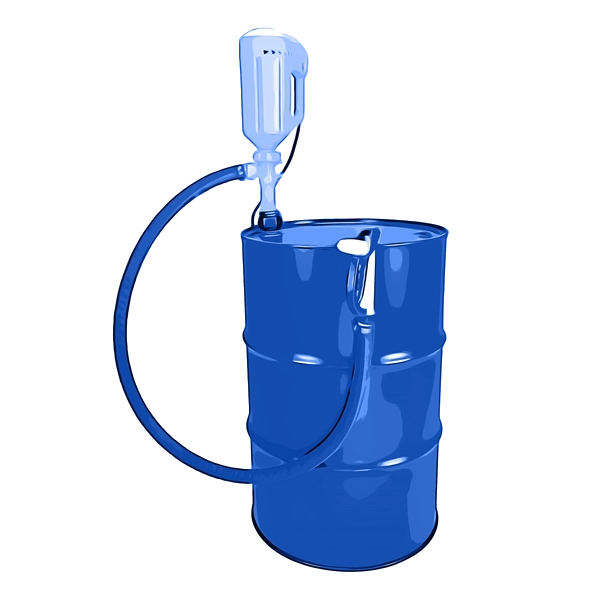
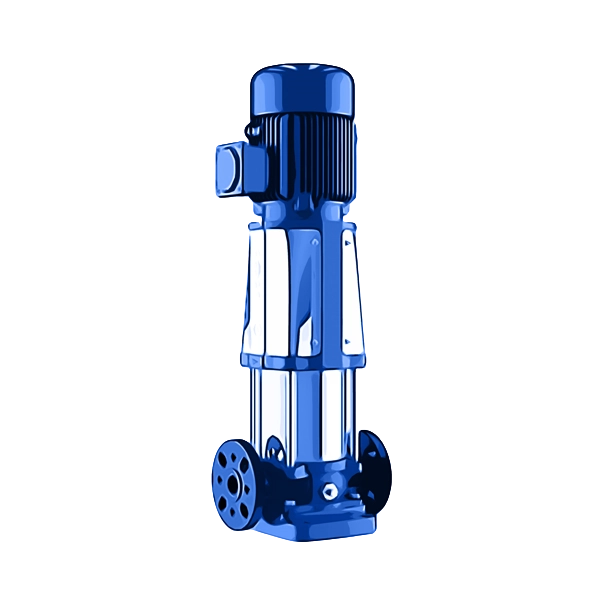
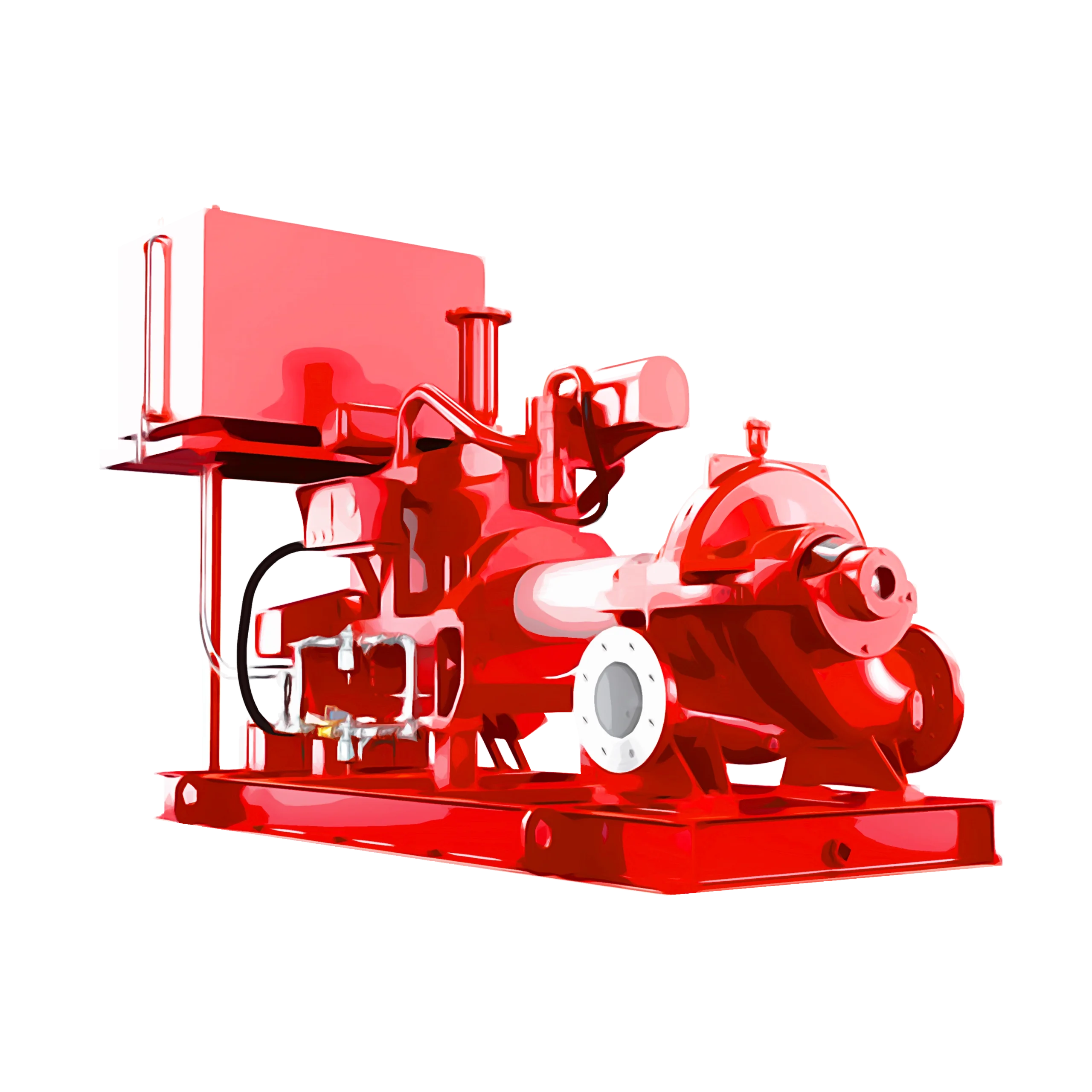
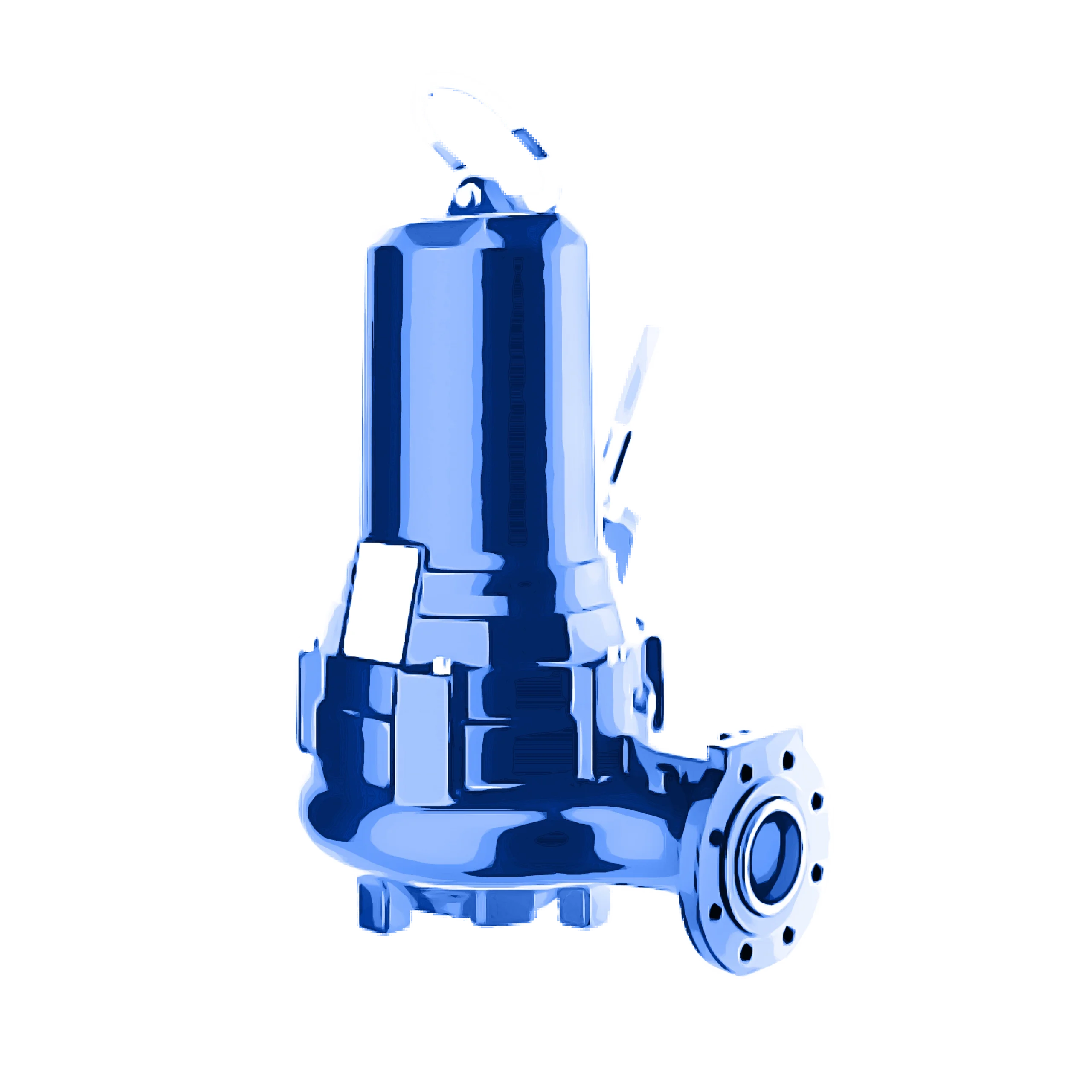
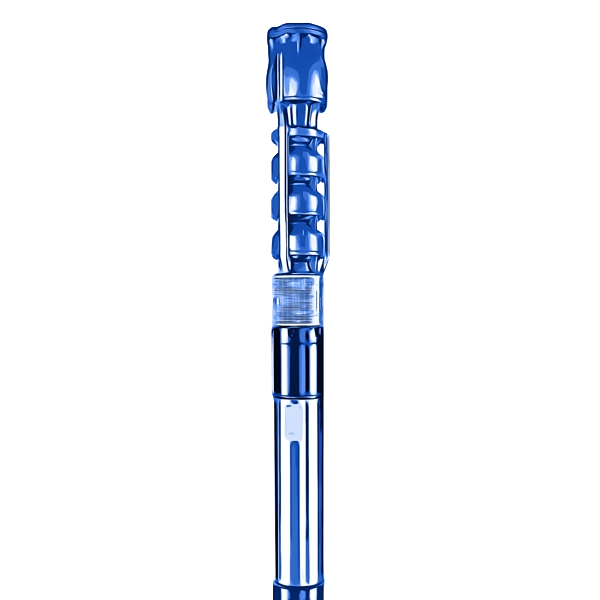
6 industries commonly using this pump line. For other needs, quickly switch to other lines.
Residential buildings, commercial complexes, municipal waterworks.
Chilled water, condenser circuits, cooling towers.
Primary, secondary, and excess sludge pumping at WWTP stations.
Process water supply, machine cooling water.
High-rise building boosting, variable frequency drive control.
Standard fire-fighting pumps, available from warehouse stock.
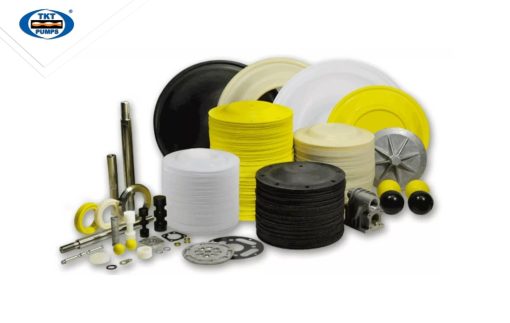
TKS technical service & after-sales team serves all pump brands — 24/7 repair, laser alignment, rotating equipment overhaul, and genuine spare parts for 28+ EU/G7 pump brands.