



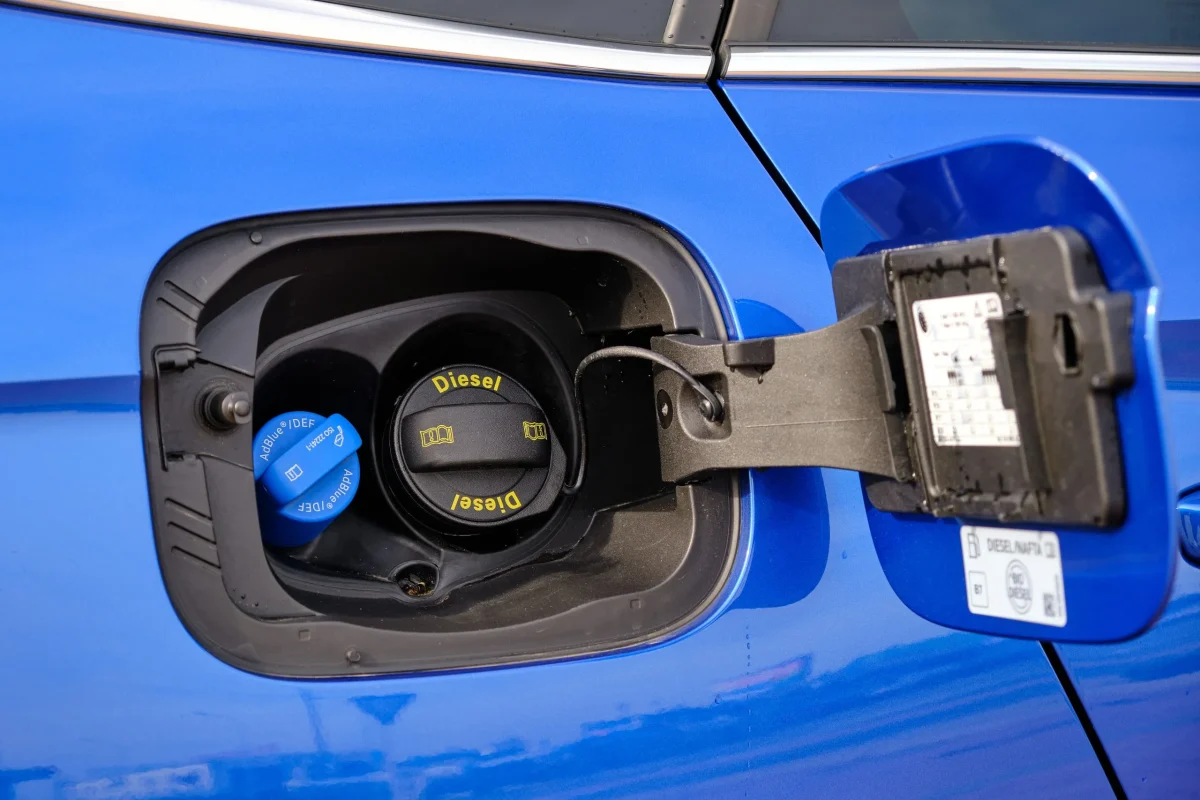
DEF/AdBlue pumps are specialized pumps for transferring Diesel Exhaust Fluid (DEF) — a solution of 32.5% pure urea and 67.5% deionized water — used in diesel engine exhaust treatment systems. Because DEF crystallizes upon contact with air and corrodes many metals, the technically recommended choice is a sealless pump made from chemically inert engineering plastics, rather than conventional mechanical-seal pumps or standard stainless steel.
DEF (commonly marketed as AdBlue) is a sensitive fluid: it both crystallizes and corrodes. Choosing the wrong pump leads to seized seals, fluid contamination, and damage to expensive SCR systems in vehicles and machinery. The following are key parameters to guide DEF pump selection.
- 32.5% urea + 67.5% deionized water — standard composition of DEF/AdBlue
- Sealless pump — eliminates mechanical seals, preventing crystallization-induced seizure and leakage
- Chemically inert engineering plastics — wetted materials must resist urea rather than using standard stainless steel or common metals
- ISO 22241 — international quality standard for DEF that must be preserved during pumping
- 3 pump categories — self-priming, magnetic drive centrifugal, and drum/tote pumps
What Is DEF/AdBlue and Why Is It Challenging to Pump
Understanding the Nature of Urea Solution
DEF (Diesel Exhaust Fluid), also known as AdBlue, is a solution of 32.5% pure urea and 67.5% deionized water. This solution is injected into the exhaust stream of diesel engines within a Selective Catalytic Reduction (SCR) system to convert harmful NOx gases into nitrogen and water vapor, enabling vehicles and machinery to meet emission standards.
The challenge is that DEF is a sensitive fluid in two simultaneous ways. First, DEF crystallizes upon contact with air — urea crystals accumulate on mechanical surfaces, particularly pump seals, causing wear and leakage. Second, the urea content is corrosive to many common metals and alloys. For this reason, DEF must be stored separately from fuels and handled carefully to maintain purity in accordance with ISO 22241.
!Even a small quantity of metallic contaminants in DEF can damage SCR sensors and catalysts — replacement costs far exceed any savings from an incompatible, low-cost pump.
Why Sealless Pumps Are the Technically Sound Choice
Materials and Sealing Construction for DEF Contact
Given these two characteristics — crystallization and corrosion — conventional mechanical-seal pumps are generally not suitable for DEF: urea crystals build up at the seal face, accelerating wear, causing leakage, and introducing contaminants into the fluid. The technically recommended solution is therefore a sealless pump — which eliminates mechanical seals entirely, removing this common failure point.
- Wetted materials should be chemically inert engineering plastics (plastic families such as PP, PVDF, and ETFE are commonly used for water-based chemical solutions), avoiding metals susceptible to urea corrosion.
- The sealless design preserves DEF purity by preventing contamination from seal materials and lubricating environments.
- The sealed construction also reduces loss and evaporation at the shaft — a factor that promotes DEF crystallization.
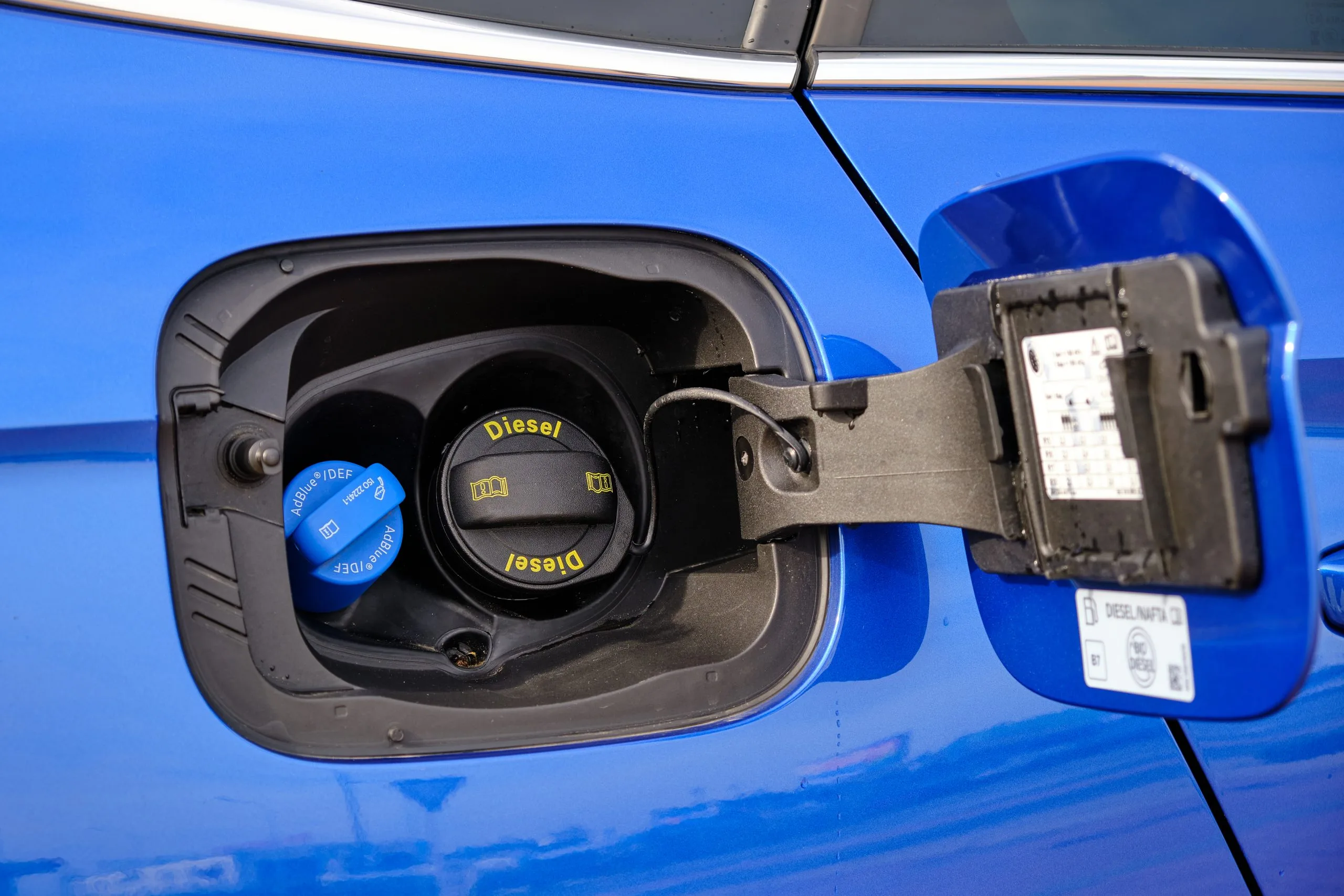
Compared to using conventional mechanical-seal or stainless steel pumps and dealing with crystallization and corrosion failures later, investing in a sealless engineering-plastic pump from the outset is generally the more economical total cost of ownership option for DEF systems.
Three DEF Pump Categories by Application Need
Selecting the Pump Type by Operation Mode
There is no single DEF pump that suits every situation. The appropriate pump category depends on the supply vessel (tank, tote, drum) and required flow rate:
| Pump Category | Suitable Application | Characteristics |
|---|---|---|
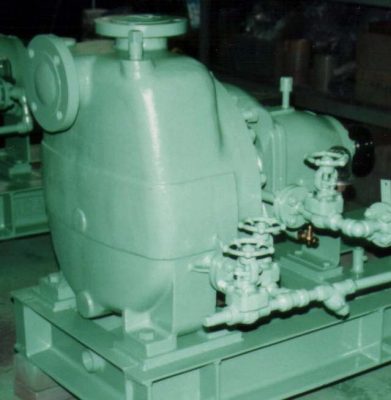
| Self-priming pump | Medium to high flow rate requirements | Self-priming, convenient when the supply vessel is positioned below the pump |
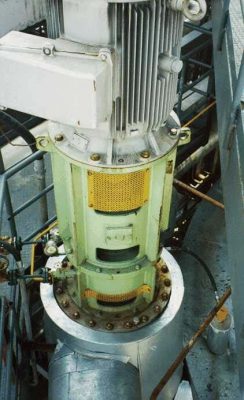
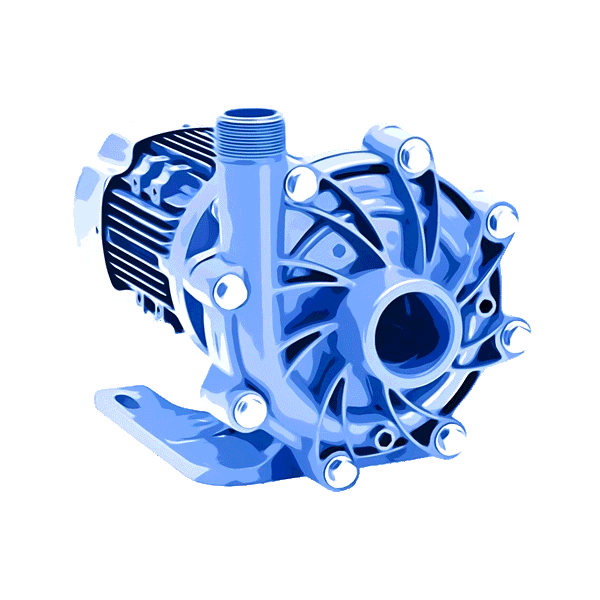
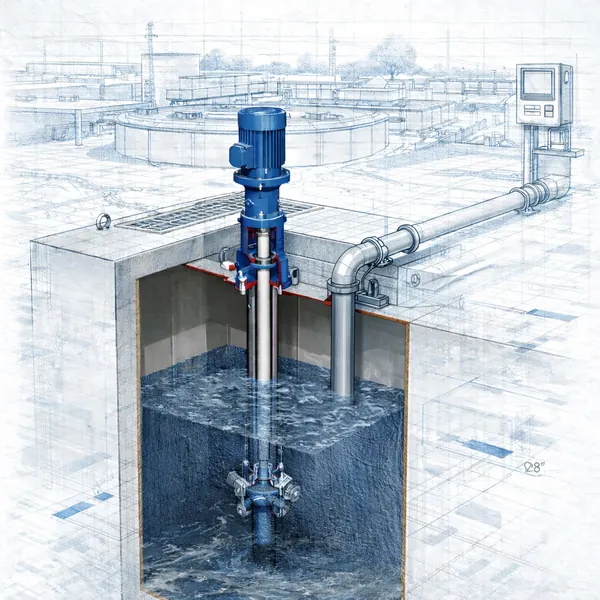
| Magnetic drive centrifugal pump (mag-drive) | Drawing from the bottom of large tanks | Sealless, fully enclosed, capable of draining tank bottoms |
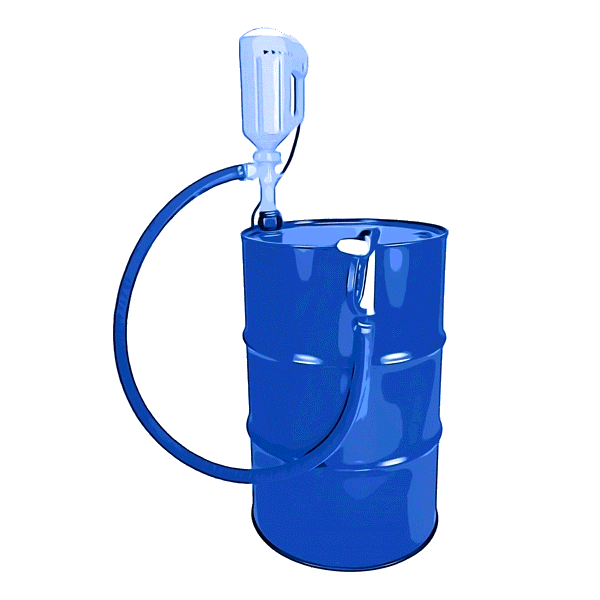
| Drum & tote pump (drum & barrel) | Draining totes, mobile systems | Compact, easy to move, suitable for dispensing |
!When DEF is used for both blending and pumping deionized water, it is even more important to keep wetted materials inert and clean to prevent metallic ions from entering the solution.
DEF Pump Applications and Industries
Where DEF/AdBlue Is Pumped and Dispensed
The need to pump DEF arises at every link in the chain — from production and distribution to fleet and machinery operation:
- Agricultural equipment and construction machinery powered by diesel engines.
- Commercial truck fleets and private pickup trucks requiring periodic DEF refilling.
- DEF dispensing systems at fueling stations and warehouses.
- Mobile dispensing, transferring DEF between containers.
- Blending and pumping deionized water in the DEF manufacturing process.
In industrial environments, DEF pumps belong to the category of water-based sensitive fluid pumps — sharing characteristics with many industrial chemical pump applications that require compatible materials and sealed construction. When tank-bottom drainage is needed without concern over seal leakage, a magnetic drive centrifugal pump is typically the preferred configuration.
Dispensing and transfer systems for diesel exhaust treatment fluid (DEF/AdBlue) serving commercial fleets, agricultural machinery, and construction equipment. The FTI application profile references the case of fueling system manufacturer Fireball Equipment Ltd.
DEF crystallizes upon contact with air. According to Finish Thompson, when mechanical-seal pumps are used, DEF crystals form around the seal, degrading the seal, damaging the pump, and causing leakage — creating environmental and safety risks and increasing maintenance requirements.
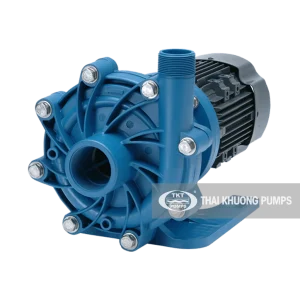
Sealless magnetic drive pump from the DB Series (model DB6H referenced in the profile), with pump body in corrosion-resistant polypropylene or PVDF, eliminating the mechanical seal from fluid contact.
According to FT documentation: reduced maintenance labor hours, fewer component replacements, and minimized DEF leakage; enabling Fireball Equipment to expand into new markets with on-site dispensing systems.
Source: Finish Thompson Inc. application profile — translated and referenced by TKT Pumps for the Vietnamese market.
Finish Thompson Pump Series for DEF/AdBlue
FINISH THOMPSON · USA Sealless Pump Solutions for Urea Solution
Finish Thompson Inc. (FTI, USA) specializes in sealless pumps and engineering-plastic pumps for corrosive chemicals. For DEF/AdBlue, FTI offers products oriented around three equipment groups corresponding to the operation modes described above:
- SP Series (Self-Priming): self-priming pumps for medium to high flow rate requirements, convenient when the supply vessel is positioned below the pump.
- DB Series (sealless plastic pump): plastic-bodied centrifugal pump with sealed construction, suitable when preserving DEF purity is essential.
- Magnetic drive centrifugal pump (mag-drive): draws tank bottoms dry without using mechanical seals.
- Drum & tote pump: used for draining totes and serving mobile DEF systems.
TKT Pumps is the Finish Thompson distributor in Vietnam, with 19+ years of experience, 28+ brands, and a warehouse of 5,000+ spare parts, providing material configuration consultancy and 24/7 maintenance support. The technical team assists in matching wetted materials and pump types to actual DEF requirements at each facility.
Frequently Asked Questions
Are DEF and AdBlue Different?
+
They are not essentially different. DEF (Diesel Exhaust Fluid) is the generic name, while AdBlue is a widely used trade name for the same solution — comprising 32.5% pure urea and 67.5% deionized water, used in SCR systems for diesel engine exhaust treatment.
Why Should Mechanical-Seal Pumps Not Be Used for DEF?
+
Because DEF crystallizes upon contact with air. Urea crystals accumulate at the mechanical seal face, causing wear, leakage, and introducing contaminants into the fluid. A sealless pump eliminates the seal and therefore eliminates this failure point entirely.
What Materials Should a DEF Pump Be Made From?
+
Wetted components should be chemically inert engineering plastics (plastic families such as PP, PVDF, and ETFE are commonly used for water-based solutions), avoiding common metals and alloys since urea is corrosive and can contaminate DEF.
Which Pump Type Is Suitable for Drawing DEF from the Bottom of Large Tanks?
+
A magnetic drive centrifugal pump (mag-drive) is typically preferred for drawing from the bottom of large tanks, as the sealless construction enables complete drainage without concern over shaft leakage.
Which Pump Should Be Used for Draining Totes and Mobile DEF Systems?
+
A drum/tote pump (drum & barrel) is compact, easy to move, and suitable for draining totes and serving dispensing as well as mobile DEF systems.
Is TKT a Finish Thompson Distributor in Vietnam?
+
Yes. TKT Pumps is the Finish Thompson (FTI, USA) distributor in Vietnam, providing consultancy on DEF pump series selection, wetted material matching, spare parts supply, and 24/7 maintenance service.
Need to select the right DEF/AdBlue pump with the correct materials and pump type? TKT’s technical team will advise on the Finish Thompson pump configuration suited to your DEF system.
Submit a Consultation Request or hotline 0941.400.488
Technical source: product documentation and technical blog of Finish Thompson Inc. (USA) on DEF/AdBlue pumps. Compiled and localized for the Vietnamese market by TKT Pumps.