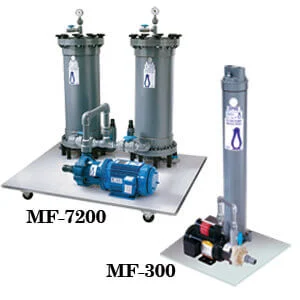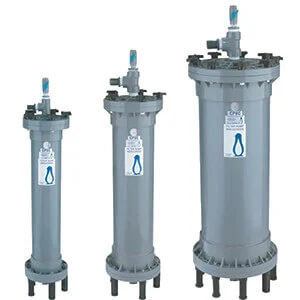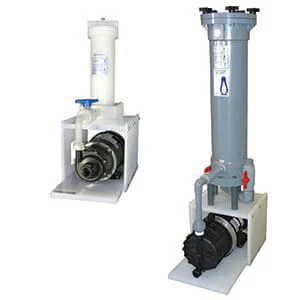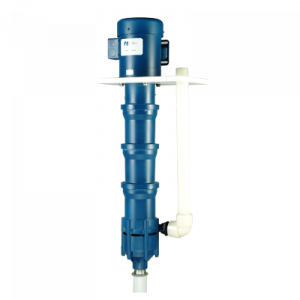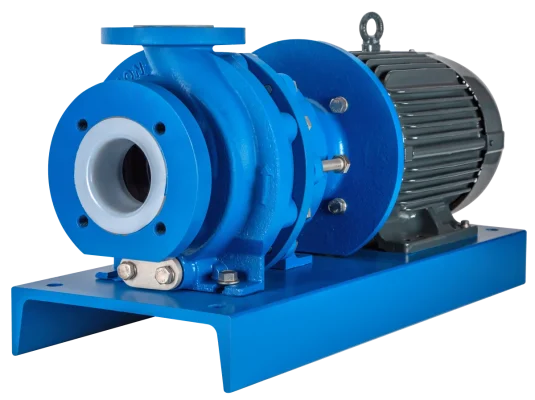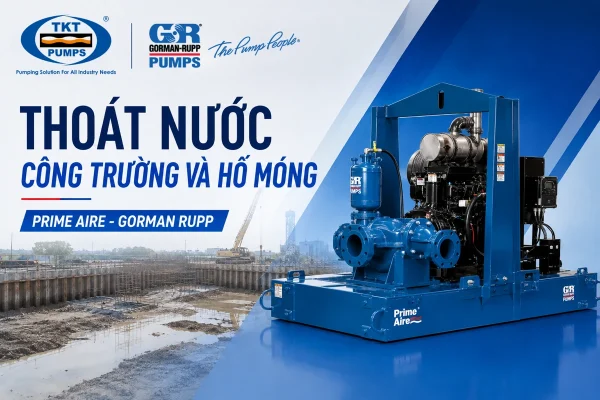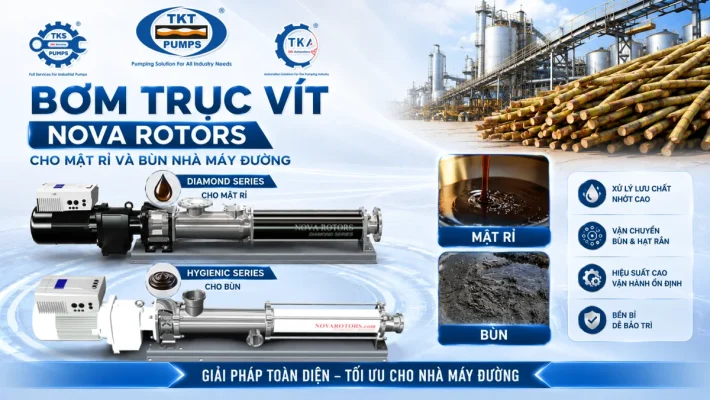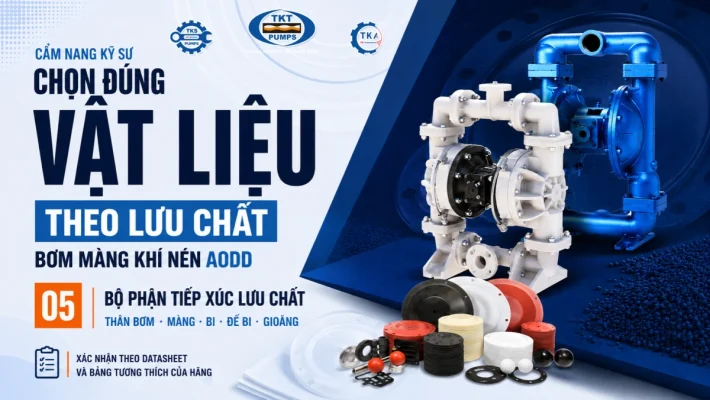




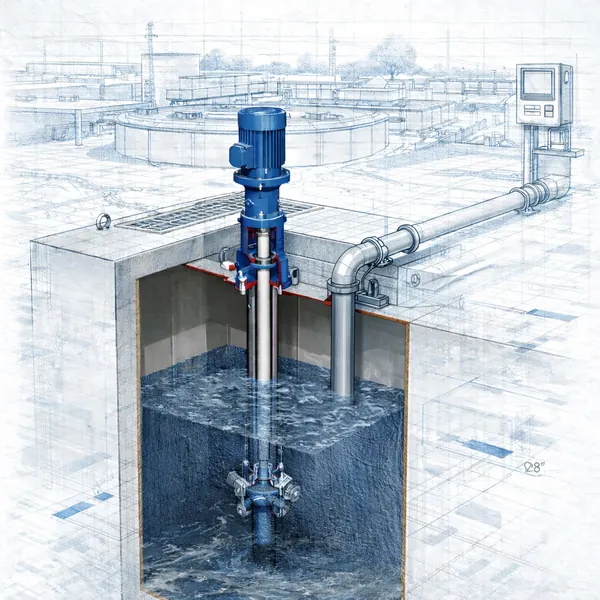
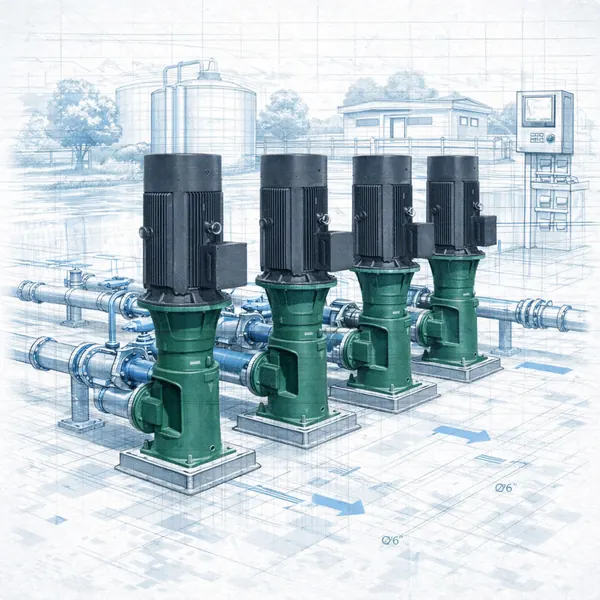
Chemical pumps for power plants are equipment used to dose and circulate corrosive chemicals such as caustic soda (NaOH), sulfuric acid (H2SO4), hydrochloric acid (HCl), and formic acid for boiler feedwater treatment, boiler maintenance, cooling, and corrosion prevention. For these fluids, sealless magnetic drive pumps are the appropriate choice as they eliminate mechanical seals — the most common source of leaks and failures — enabling leak-free operation, reduced downtime, and minimal chemical emissions to the environment.
The performance and reliability of a power plant depend significantly on water treatment and chemical dosing. Key points to understand when selecting pumps for this area:
- 4 key chemicals NaOH, H2SO4, HCl, formic acid used in water treatment and boiler applications
- No mechanical seal magnetic drive design eliminates the most common leak point
- Run-dry capable many FTI series allow short-term dry running without pump damage
- PP / PVDF / ETFE materials engineering plastic casings resistant to corrosion for each chemical type
- Near-zero emissions neodymium magnets enable sealed power transmission with no seal leakage
What Chemicals Do in a Power Plant
Water Treatment, Boilers, Cooling, and Corrosion Prevention

According to Finish Thompson technical documentation, power plants rely on several highly corrosive industrial chemicals — including caustic soda (sodium hydroxide), sulfuric acid, hydrochloric acid, and formic acid. These chemicals play an essential role in water treatment, boiler maintenance, cooling system optimization, and corrosion prevention.
Specifically, processes such as coagulation, flocculation, ion exchange, neutralization, and de-scaling all depend on chemicals to maintain water purity and system integrity. When this stage is unstable, scale buildup on boiler heat-transfer surfaces can cause overheating and increase the risk of failures.
- Boiler feedwater treatment: coagulation, flocculation, ion exchange for hardness removal and impurity reduction
- Neutralization and pH adjustment of effluent streams, condensate, and cooling water
- De-scaling of heat-transfer surfaces to prevent fouling and corrosion
Why Choose a Sealless Magnetic Drive Pump
Eliminating the Mechanical Seal — the Weak Point When Pumping Corrosive Chemicals
In conventional pumps, the mechanical seal is where the shaft passes through the pump casing and is also the most vulnerable point to leakage when in contact with corrosive chemicals. When the seal fails, the plant faces maintenance costs, downtime, and the risk of chemicals escaping to the environment.
The sealless magnetic drive design addresses this problem at the root: instead of a mechanical shaft coupling, torque is transmitted through a magnetic coupling using neodymium magnets. The pump chamber is completely sealed with no leak path through a seal. According to Finish Thompson documentation, this reduces maintenance costs, virtually eliminates seal-related chemical emissions, and improves system reliability.
!With corrosive chemicals such as H2SO4 or HCl, even a minor seal leak can cause corrosion of surrounding equipment and pose safety risks. The sealless design minimizes this scenario at the fundamental level.
- No mechanical seal — eliminates the most common source of leaks and failures
- Short-term run-dry capability in many series, limiting damage when fluid is lost
- Sealed power transmission via neodymium magnets — leak-free operation
Selecting Pump Casing Material by Chemical
PP, PVDF, ETFE — Corrosion Resistance Matched to the Fluid
No single material suits every chemical. Choosing the correct engineering plastic for the pump casing determines equipment service life. The table below is a reference based on common chemical groups in power plants; for specific concentrations and temperatures, the manufacturer’s chemical compatibility chart must be consulted before finalizing the configuration.
| Chemical | Application in Power Plants | Reference Casing Material |
|---|---|---|
| Caustic soda NaOH | pH adjustment, ion-exchange resin regeneration | PP, PVDF |
| Sulfuric acid H2SO4 | Neutralization, water treatment | PVDF, ETFE |
| Hydrochloric acid HCl | De-scaling, resin regeneration | PVDF, ETFE |
| Formic acid | Cleaning, water treatment | PP, PVDF |
!The materials listed in the table are for guidance only. Actual compatibility depends on concentration, temperature, and impurities — please submit your fluid parameters for specific configuration advice.
In a power plant, the transfer of boiler feedwater treatment chemicals and heat-exchanger cleaning fluids involves frequent contact with corrosive media such as caustic soda (NaOH), sulfuric acid, hydrochloric acid, and formic acid.
Corrosive chemicals degrade pump materials; mechanical seals are prone to leakage, generating maintenance demands. A single pump failure can lead to costly downtime and safety risks for plant operation.
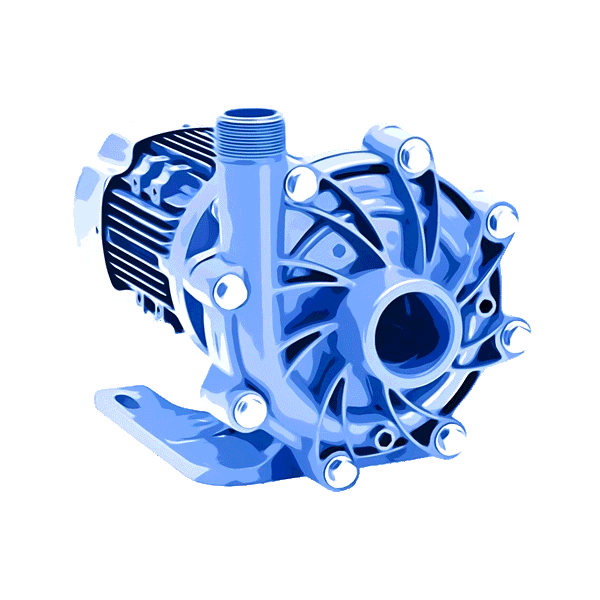
According to Finish Thompson documentation, the sealless magnetic drive centrifugal pump DB Series (and SP Series) is used for this application. Rare-earth (neodymium) magnetic couplings replace mechanical seals; the pump casing is manufactured from polypropylene or PVDF for corrosion resistance.
FT documentation records leak-free operation, elimination of the costs and support systems associated with mechanical seals, and run-dry capability — thereby reducing maintenance and limiting seal-related downtime.
Source: Finish Thompson Inc. application documentation — compiled and localized by TKT Pumps for the Vietnamese market.
Finish Thompson Pump Series for Power Plants
FINISH THOMPSON · USA Chemical Pump Catalog for Power Plants
Finish Thompson Inc. (USA) manufactures pumps for the safe transfer of a wide range of corrosive liquids. The catalog includes sealless magnetic drive centrifugal pumps with run-dry capability, mechanical seal pumps, drum pumps, vertical magnetic drive pumps, multistage pumps, and the FTI Air line — air-operated diaphragm pumps (AODD). Series directly relevant to power plant applications include:
- Sealless plastic pumps DB and MSDB series — transfer and dose corrosive chemicals, engineering plastic casing
- ANSI sealless pumps UC series (UCR, UCP) — for process pump assemblies to ANSI dimensional standards
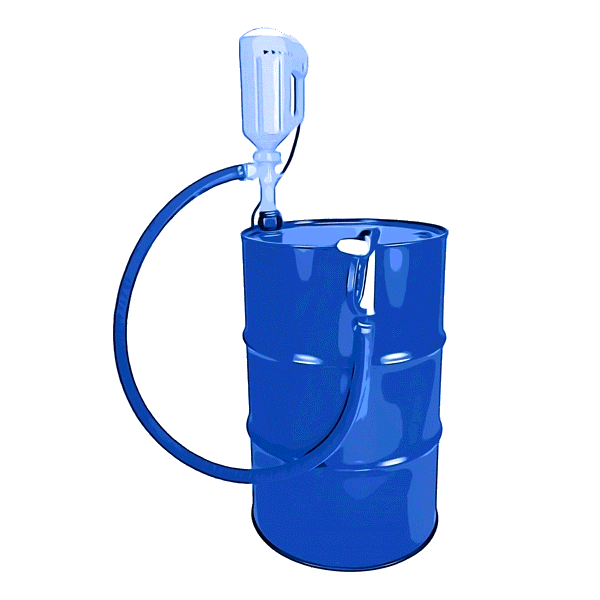
- Drum pumps EF, PF, SF series — withdraw and transfer chemicals from drums / IBCs in storage areas
- FTI Air air-operated diaphragm pumps (AODD) — handle slurries, fluids with solids, or applications requiring run-dry operation
To select the right series by flow rate, head, and fluid, you can start from the industrial chemical pumps overview or the magnetic drive pumps catalog. Brand information and technical documentation are available on the Finish Thompson brand page.
Pump Selection Checklist for Power Plant Chemical Treatment Areas
Five Parameters to Confirm Before Selecting a Pump
Before finalizing a pump configuration for a chemical dosing or transfer point, maintenance engineers should clearly establish the following parameters to avoid selecting the wrong material or insufficient head:
- Chemical name, concentration (%), and operating temperature — determines pump casing material and gasket selection
- Required flow rate and head at the operating point
- Risk of dry running (empty tank, loss of fluid) — prioritize series that permit run-dry operation
- Sealing and emission requirements — toxic fluids should use a sealless design
- Installation environment: whether the area is classified as hazardous and requires a configuration compliant with relevant standards
Once all this information is available, cross-referencing with the sealless magnetic drive pump catalog and chemical compatibility table will yield the appropriate configuration for each location in the plant.
Frequently Asked Questions
What type of chemical pump should be chosen for a power plant?
+
For corrosive chemicals such as caustic soda (NaOH), sulfuric acid, hydrochloric acid, and formic acid used in water treatment and boiler applications, a sealless magnetic drive pump is the appropriate choice. This design eliminates the mechanical seal — the most common point of leakage and failure — enabling leak-free operation, reduced downtime, and minimized chemical emissions.
Why not use a mechanical seal pump for corrosive chemicals?
+
The mechanical seal is where the shaft passes through the pump casing and is prone to leakage when in contact with corrosive chemicals. When the seal fails, the plant incurs maintenance costs, downtime, and the risk of chemicals escaping. Magnetic drive pumps transmit torque through a magnetic coupling using neodymium magnets, keeping the pump chamber completely sealed with no leak path through a seal.
Which casing material to choose — PP, PVDF, or ETFE?
+
It depends on the chemical, concentration, and temperature. PP is typically used for NaOH and dilute formic acid; PVDF and ETFE are suitable for sulfuric acid and hydrochloric acid under more demanding conditions. These are directional guidelines — the manufacturer’s chemical compatibility chart must be consulted against actual operating parameters before finalizing the selection.
Can a magnetic drive pump run dry?
+
Many Finish Thompson magnetic drive pump series have short-term run-dry capability, limiting damage when fluid is temporarily lost. However, the permitted dry-run duration varies by series, so the technical documentation for the specific model must be checked.
What chemicals are typically dosed in a power plant?
+
According to Finish Thompson documentation, the main chemicals include caustic soda (NaOH), sulfuric acid (H2SO4), hydrochloric acid (HCl), and formic acid. They serve water treatment, boiler maintenance, cooling, and corrosion prevention through processes including coagulation, flocculation, ion exchange, neutralization, and de-scaling.
Does TKT Pumps supply Finish Thompson pumps in Vietnam?
+
Yes. TKT Pumps is a Finish Thompson distributor in Vietnam, providing selection advice by fluid, flow rate, and head, supplying spare parts, and offering technical services. With 19+ years of experience, 12,000+ projects, and 24/7 support, the technical team can recommend suitable configurations for power plant chemical treatment areas.
Need to select chemical pumps for a power plant water treatment or boiler area? Submit your fluid parameters (chemical name, concentration, temperature, flow rate, head) and the TKT technical team will recommend the appropriate Finish Thompson pump configuration.
Submit a Consultation Request or call hotline 0941.400.488
Technical source: product documentation and the article “Power Plant Performance Starts With Reliable Pumps” by Finish Thompson Inc. (USA). Compiled and localized by TKT for the Vietnamese market.