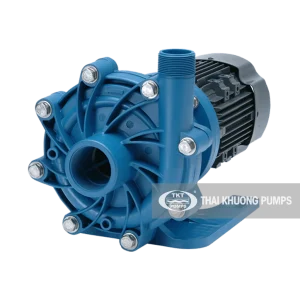
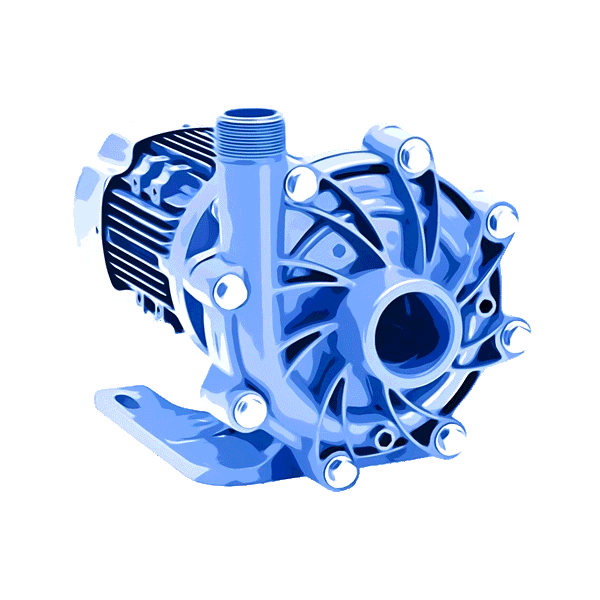





In electronics, semiconductor, and printed circuit board (PCB) manufacturing, the appropriate pump is the sealless magnetic drive pump built from corrosion-resistant engineering plastics such as PP, PVDF, or ETFE. This configuration eliminates the mechanical seal, thereby removing the leakage and contamination points commonly encountered when pumping DI water, plating solutions, corrosive chemicals, and rinse water in environments where even a minor error is enough to ruin an entire product batch.
Electronics processes demand high levels of purity and reliability: pumps must neither leak externally nor introduce contaminants into the chemical stream. Below are the technical factors to consider when selecting a pump for etching, plating, DI water treatment, and wastewater treatment stages.
- Sealless magnetic drive — no mechanical seal, eliminates leakage points and contamination sources
- PP / PVDF / ETFE — corrosion-resistant engineering plastics for acids, bases, and plating solutions
- Self-priming up to 5.5 m — the SP series draws fluid from 18 ft (5.5 m) within 90 seconds
- Safe dry-run capability — bearings withstand short dry-run periods when the tank empties unexpectedly
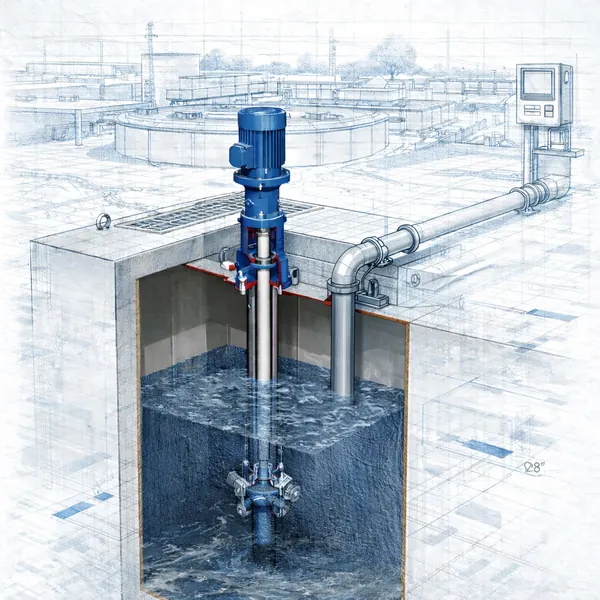
- Air bubble elimination — the vertical VKC series minimizes aeration, reducing micro-bubbles and emissions
Why the Electronics Industry Needs Sealless Leak-Free Pumps
Purity and Leakage Are Two Major Risks
The manufacturing process for circuit boards, connectors, and microchips has virtually no tolerance for error. A trace metal contamination in a plating bath, a drop of acid leaking onto the floor, or an air bubble in the chemical stream can ruin an entire wafer batch or a complete PCB production line. Pump equipment in an electronics facility must therefore simultaneously meet two requirements: complete sealing from the external environment, and no introduction of contaminants into the fluid stream.
The sealless magnetic drive pump addresses both requirements effectively. Instead of using a mechanical seal (which is a typical wear and leakage point), the sealless pump transmits torque through a magnetic coupling across the pump casing wall. The fluid-containing chamber is completely sealed, with no outlet path through the shaft. This is why the sealless pump has become a suitable choice for pumping corrosive chemicals and high-purity chemicals.
- No mechanical seal — eliminates leakage points and periodic seal replacement costs
- Inert plastic fluid path — minimizes metal ion contamination in DI water and plating baths
- Reduces chemical vapor emissions into the clean manufacturing area
!Traditional mechanical-seal pumps carry the risk of trace leakage across the seal face — sufficient to cause corrosion of adjacent equipment or contamination of high-purity chemical tanks in a semiconductor environment.
Pump Applications in Electronics Manufacturing Facilities
From Plating Baths to Wastewater Treatment

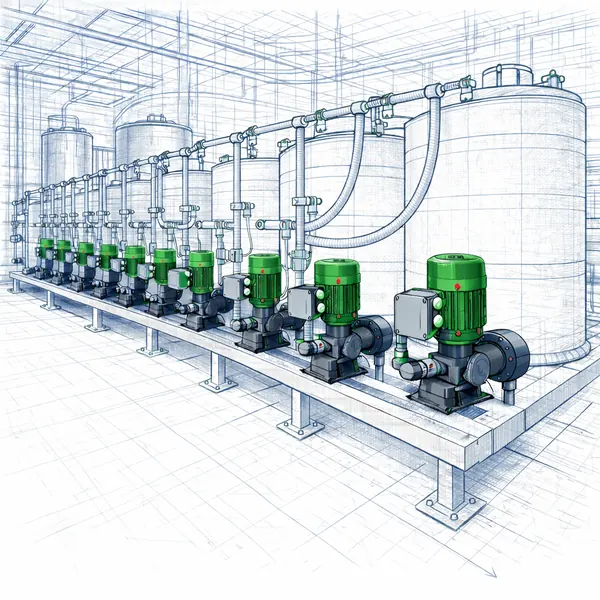
In an electronics manufacturing facility, pumps appear at many different stages, each with its own specific material and flow rate requirements. Grouping by component type helps maintenance engineers select the correct pump series for each location.
| Component | Pump Application Stage | Key Requirement |
|---|---|---|
| Circuit Board (PCB) | Etching, copper plating, rinse/coating, air scrubber towers, chemical dosing, wastewater treatment | Acid/alkali resistance, no metal contamination |
| Connector | Chemical dosing, rinse/coating, wastewater treatment | Stable flow rate, sealed |
| Microchip | Rinsing, chemical dosing, air scrubber towers, wastewater treatment | High purity, air bubble elimination |
Typical fluids include DI water (deionized), plating solutions and copper plating solutions, corrosive chemicals, and rinse water. Each chemical group determines the pump chamber material: PP for many common acids/bases, PVDF for strongly corrosive chemicals and higher temperatures, ETFE when broad chemical inertness is required. You can refer to the material selection guide by chemical type on TKT’s industrial chemical pump solutions page.
Selecting the Pump Series by Application Stage
Sealed Centrifugal, Self-Priming, Vertical, or Drum Pump
There is no single pump series suitable for every position. Depending on suction head, air bubble elimination requirements, and how chemicals are stored (fixed tank or drum/IBC), engineers will select different configurations:
| FTI Series | Pump Type | Suitable When |
|---|---|---|
| DB / MSDB | Sealless magnetic drive centrifugal pump | Dosing and circulating corrosive chemicals, requires sealing and dry-run capability |
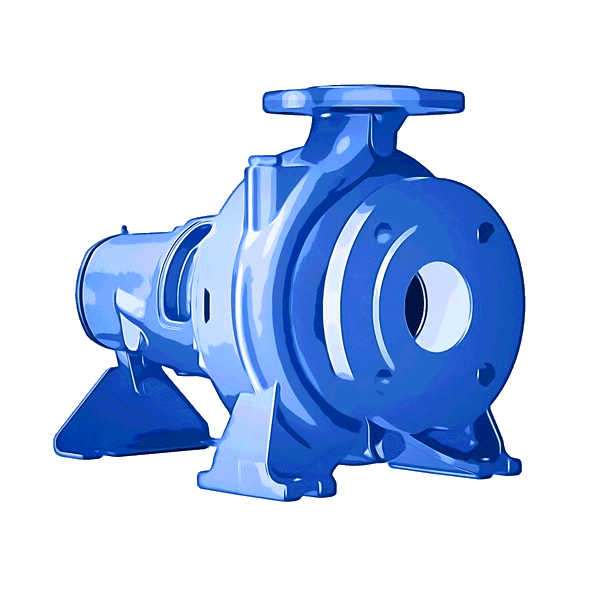
| UC | ANSI-standard sealed centrifugal pump | Interchangeable per ANSI dimensional standard, higher flow rate |
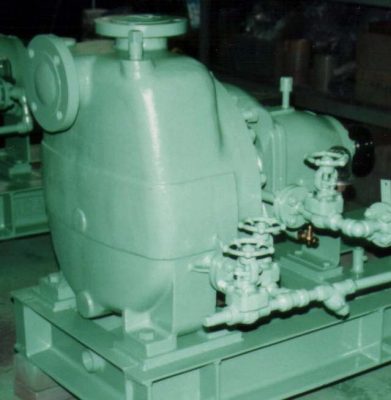
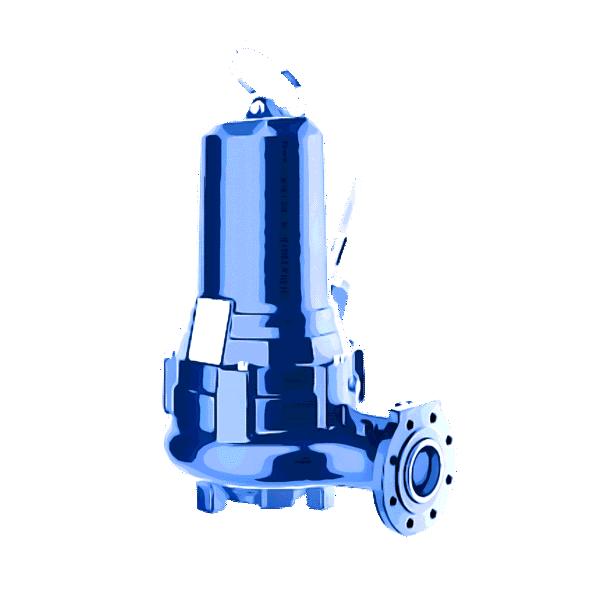
| SP | Self-priming pump | Low-mounted tank, requires deep suction — draws 5.5 m within 90 seconds, pulls from 7.6 m below the pump |
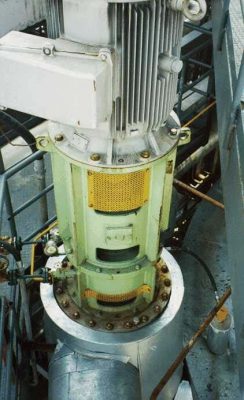
| VKC | Vertical centrifugal pump, installed inside the tank | Requires micro-bubble elimination, minimizes aeration and emissions |
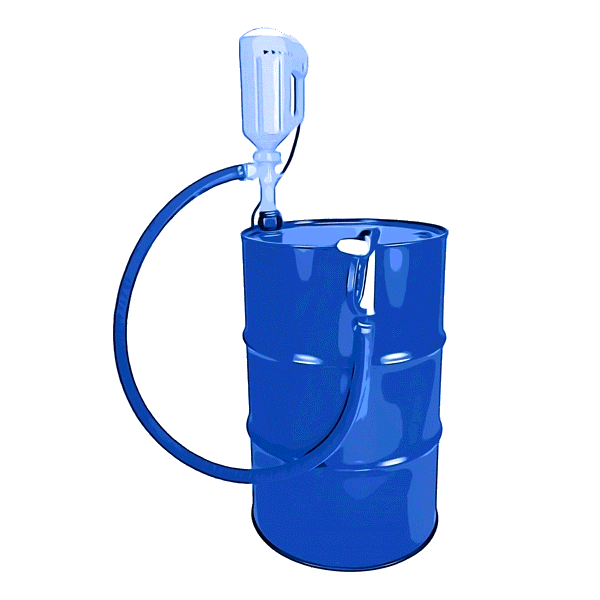
| SF / PF / EF | Drum pump / IBC pump | Dispensing and transferring chemicals from drums, totes, and IBCs |
- Requires complete sealing on a fixed tank → sealed centrifugal series DB/MSDB/UC
- Low-mounted storage tank, long suction line → self-priming series SP
- Concerned about air bubbles and emissions in clean areas → vertical series VKC
- Transferring from drums/IBCs → series SF/PF/EF
!Chemical tanks in electronics facilities can empty suddenly at the end of a batch. Selecting a pump with short-duration dry-run capability helps prevent seizing and bearing damage.
Materials and Standards to Verify
Match Materials to Chemicals Before Confirming the Model
The durability of a chemical pump depends on correctly matching wet-end materials to each chemical, its concentration, and operating temperature. For the electronics industry, three engineering plastic groups are commonly used for the wet end:
- PP (polypropylene) — cost-effective for many common acids/bases and DI water
- PVDF — handles strongly corrosive chemicals and a higher temperature range than PP
- ETFE — broad chemical inertness for aggressive solutions
Bearings and shafts typically use inert materials such as ceramic/carbon to withstand corrosive fluids and meet dry-run requirements. When referencing interchangeability standards, the UC series conforms to the ANSI dimensional standard for easy replacement of existing equipment. Always cross-reference the manufacturer’s chemical compatibility chart against the actual chemical list in the production line — particularly for plating solutions blended from multiple components.
Per Finish Thompson’s application profile, a printed circuit board (PCB) manufacturer uses pumps for plating baths in a continuously running automated production line.
The plating baths and rinse tanks contain a variety of chemicals, some at elevated temperatures. Pumps must continuously circulate and agitate the solution to ensure uniform plating adhesion; any disruption due to pump failure is costly.
The Finish Thompson ULTRAChem magnetic drive centrifugal pump (UC Series, ANSI standard): ETFE (Tefzel) corrosion-resistant liner, neodymium magnets driving the impeller through the containment shell, no mechanical seal for leak-free operation.
According to Finish Thompson documentation, the UC Series pumps operate reliably over the long term, meeting reliability and continuous operation requirements, and reducing maintenance needs compared to mechanical-seal pumps.
Source: Finish Thompson Inc. application profile — translated and adapted by TKT Pumps for the Vietnamese market.
Finish Thompson Pump Solutions for the Electronics Industry
FINISH THOMPSON · USA Sealless Pumps and Drum Pumps for High-Purity Chemicals
Finish Thompson Inc. (USA) manufactures sealless magnetic drive pumps and transfer pumps designed specifically for corrosive chemicals. The DB, MSDB, and UC series use a sealless magnetic drive structure, corrosion-resistant engineering plastic materials, along with dry-run capability — suitable for plating baths, etching, and chemical dosing in electronics facilities. The self-priming SP series draws fluid from 18 ft (5.5 m) within 90 seconds and pulls from 25 ft (7.6 m) below the pump, well suited for low-mounted tanks. The vertical VKC series, installed inside the tank, minimizes aeration and eliminates micro-bubbles. When transfer from drums, totes, or IBCs is required, the SF/PF/EF series provides corresponding drum pump configurations.
TKT Pumps is the authorized distributor of Finish Thompson in Vietnam, with over 19 years of industrial pump equipment experience, more than 12,000 projects, and a warehouse of over 5,000 spare parts, providing 24/7 technical support for material and model selection based on specific chemicals.
Frequently Asked Questions
Why should the electronics industry use sealless magnetic drive pumps?
+
Because sealless magnetic drive pumps have no mechanical seal — no leakage path through the shaft — they eliminate leakage points and contamination. In electronics, semiconductor, and PCB manufacturing, a trace metal contamination or a drop of leaked chemical can ruin an entire product batch, making a sealed construction an important technical requirement.
Which pump material is used for DI water and plating solutions?
+
The wet end typically uses inert engineering plastics: PP for many common acids/bases and DI water, PVDF for strongly corrosive chemicals and higher temperatures, ETFE when broad chemical inertness is required. Always cross-reference the manufacturer’s chemical compatibility chart against actual concentration and temperature before confirming the material.
How deep can the SP self-priming pump draw?
+
According to Finish Thompson documentation, the SP series draws fluid from 18 ft (5.5 m) within approximately 90 seconds and can pull from 25 ft (7.6 m) below the pump location. This configuration is suitable when the storage tank is mounted low or the suction line is long.
How can air bubbles in the electronics chemical stream be reduced?
+
Use a vertical centrifugal pump installed inside the tank, such as the VKC series, to minimize aeration during suction. This configuration reduces micro-bubbles and lowers chemical vapor emissions into the clean manufacturing area.
Can the pump run dry when the chemical tank empties?
+
Finish Thompson’s sealed pump series such as DB/MSDB/UC are designed with short-duration dry-run capability thanks to inert-material bearings. This reduces the risk of seizing and damage when the tank empties suddenly at the end of a batch, but tank level should still be monitored per the manufacturer’s recommendations.
Which series is used for transferring chemicals from drums and IBCs?
+
The Finish Thompson SF, PF, and EF drum pump series are used for dispensing and transferring chemicals from drums, totes, and IBCs, with corrosion-resistant plastic wet ends suitable for electronics industry chemicals.
Need advice on selecting chemical pumps for your electronics, semiconductor, or PCB production line? The TKT Pumps technical team provides support for matching PP/PVDF/ETFE materials and selecting the right Finish Thompson pump series based on your actual chemicals.
Submit a Consultation Request or hotline 0941.400.488
Technical source: Finish Thompson Inc. (USA) product documentation on pump applications in circuit board and electronics manufacturing. Compiled and localized by TKT for operating conditions in Vietnam.