



The Definox Starmotion pigging system uses a pig propelled by air or liquid along the pipeline to collect and recover product residue remaining inside the pipe. As a result, F&B and pharmaceutical lines reduce loss of high-value materials, cut washing water consumption and wastewater output, and shorten changeover time between product runs.
- Pigging = driving a pig through the pipe to recover residual product before CIP.
- Suited to high-value fluids: sauces, cream, condensed milk, cosmetics, liquid pharmaceuticals.
- Benefits: reduced material loss, lower wash water/wastewater, faster product changeovers.
- Integrates stainless steel 316L sanitary valves, CIP/SIP, and Sorio actuator heads for automation.
- Definox (France) supplies Starmotion alongside a synchronized EHEDG/3-A valve system.
What Is Pigging and Why Sanitary Process Lines Need It
Pigging Working Principle and the Pipeline Residue Problem
In any processing line, after pumping a batch there is still a layer of product adhering to the pipe wall and pooling at joints. For pipelines tens of meters long, this residue can amount to several tens of liters per changeover. If flushed away with wash water, the plant loses material and increases the wastewater treatment load.
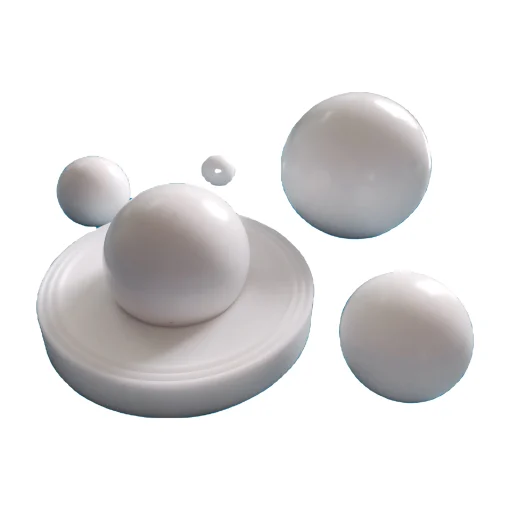
The pigging system solves this problem by launching a soft pig that fits snugly inside the pipe bore and propelling it with compressed air or with the product behind it. The pig sweeps the product layer from the pipe wall and pushes it to a recovery point, returning that material to the current batch or the next one. At the end of its travel the pipe is largely pre-cleaned before entering the CIP cycle, so water and cleaning chemical consumption is also reduced.
| Without pigging | With Starmotion pigging |
|---|---|
| Pipeline residue flushed away with wash water | Most product recovered at the collection point |
| High consumption of water and CIP chemicals | Pipe pre-cleaned, reduced CIP load |
| Slow changeovers, extended downtime | Shorter product transition time |
| High wastewater load | Reduced wastewater generation |
How the Starmotion System Works
Starmotion Within Definox’s Automation Valve Range
Starmotion is the pigging system within Definox’s automation valve and systems range, alongside the Sorio actuator head and tank-top modules. The pig is launched and retrieved at dedicated stations positioned at either end of the pipeline. Sensors confirm pig position while sanitary valves on the line direct the propulsion air flow and recovered product flow in the correct sequence.
Because the system handles food and pharmaceutical products, all pipework, pigs, and associated valves comply with hygienic standards: AISI 316L stainless steel material, smooth dead-space-free surfaces, self-draining design, and CIP/SIP compatibility. After product recovery, the pipeline and pig are cleaned in a closed loop to meet EHEDG/3-A requirements in the same way as the rest of the sanitary line.
Quantifiable Benefits and Which Fluids to Pig
When Pigging Delivers Clear Results
Pigging delivers strong value for thick, sticky, high-value fluids and lines that undergo multiple changeovers per day. Every liter of sauce, cream, or lotion recovered adds directly to material yield, while wash water savings reduce operating costs and wastewater treatment.
| Product category | Reason to pig |
|---|---|
| Sauces, pastes, jams | High viscosity, heavy pipe residue, high material value |
| Cream, condensed milk, chocolate | Sticky fluid clings to pipe wall, prone to loss on flushing |
| Cosmetics, moisturizing cream | Expensive raw materials, require clean and fast changeovers |
| Liquid/gel pharmaceuticals | Active ingredient recovery, cross-contamination control during changeover |
Conversely, for thin and inexpensive fluids such as water or dilute solutions, the capital cost of a pigging system is typically not proportionate to the recoverable volume. A survey of viscosity, pipeline length, and changeover frequency should therefore always precede the decision to implement.
Integrating Pigging with Sanitary Valves and Automated CIP
Synchronization with Butterfly Valves, Ball Valves, and the Sorio Actuator Head
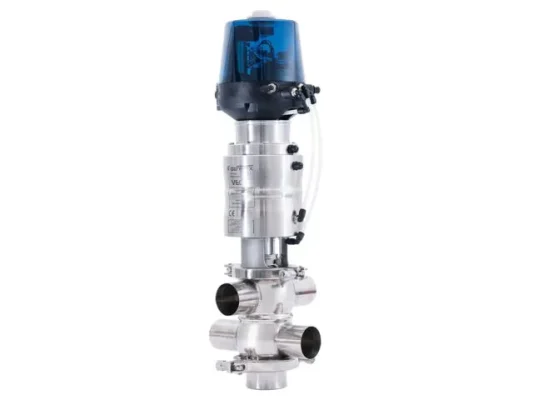
A pigging line does not operate in isolation but is tied to the sanitary valve system on the pipeline. Butterfly valves DPX/DPX3 and ball valve DBX handle on/off switching and flow diversion; mix-proof valves VEOX and NEOS keep product flow and CIP flow separate when multiple batches run in parallel. The entire line operates manually or pneumatically and meets EHEDG/3-A standards depending on the valve range.
For automation, the Sorio actuator head (AS-i/IO-Link, IP67, optional ATEX) reports position feedback for each valve and coordinates the pigging sequence with the CIP cycle. When the pig completes its run, the system automatically shifts to the cleaning step without manual intervention, reducing errors and shortening downtime between batches.
DEFINOX · FRANCE Synchronized Sanitary Valve and Automation System
Definox (France) is a sanitary valve brand for the food, beverage, and pharmaceutical industries, using AISI 316L stainless steel material and EHEDG/3-A standards. Alongside the Starmotion pigging system, Definox supplies a range of on/off valves (butterfly DPX/DPX3, ball DBX), mix-proof valves (VEOX, NEOS), control valves, aseptic sampling valves (PEX/PEAX/PEV), and the Sorio actuator head for CIP automation. This enables plants to deploy pigging on a synchronized valve and fitting platform that is straightforward to maintain and replace.
TKT Pumps is the Definox distributor in Vietnam, with 19+ years of experience, 12k+ projects, and 28+ equipment brands, providing consultation on system configuration selection, installation, and maintenance of pigging systems and associated sanitary valves.
Frequently Asked Questions about the Starmotion Pigging System
What is pigging and how does a pig work?
+
Pigging is the technique of launching a soft pig that fits snugly inside the pipe bore and driving it with compressed air or with the product behind it. The pig sweeps the product layer from the pipe wall and pushes it to a recovery point, leaving the pipe pre-cleaned before entering the CIP cycle.
What does the Starmotion system help save?
+
Starmotion recovers residual product from inside the pipe, reducing material loss and lowering the volume of wash water and wastewater generated. Because the pipe is partly pre-cleaned, the changeover time between batches is also shortened.
Which products should use pipeline pigging?
+
Pigging is suited to thick, sticky, high-value fluids such as sauces, cream, condensed milk, chocolate, cosmetics, and liquid pharmaceuticals. For thin, inexpensive fluids the recoverable volume is generally not proportionate to the capital investment.
Does the pigging system meet hygienic requirements?
+
Yes. The pipework, pigs, and associated valves use AISI 316L stainless steel, dead-space-free surfaces, self-draining design, and CIP/SIP compatibility, meeting EHEDG/3-A standards in the same way as the rest of the sanitary process line.
How does pigging integrate with valves and automation?
+
The pigging line works together with butterfly valves DPX/DPX3, ball valve DBX, and mix-proof valves VEOX/NEOS on the pipeline. The Sorio actuator head (AS-i/IO-Link, IP67) reports valve position feedback and automatically switches to the CIP cycle once the pig completes its run.
What support does TKT Pumps provide when deploying Starmotion?
+
TKT Pumps is the Definox distributor in Vietnam, providing viscosity and pipeline surveys, configuration consultation for the pigging system and sanitary valves, installation and maintenance, and 24/7 technical support.
The TKT technical team surveys your pipeline and recommends the appropriate Starmotion configuration.
Submit a consultation request or hotline 0941.400.488
Source: Definox (France) documentation on the Starmotion pigging system and sanitary valves, compiled by TKT.