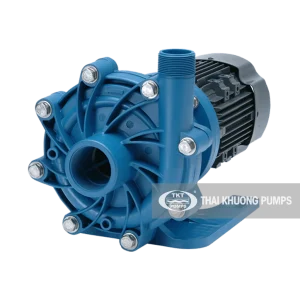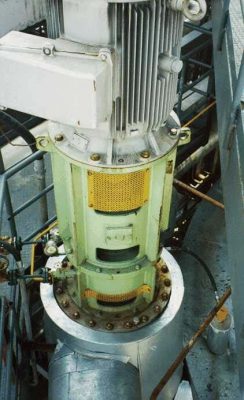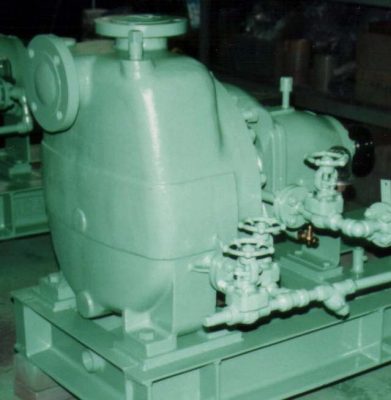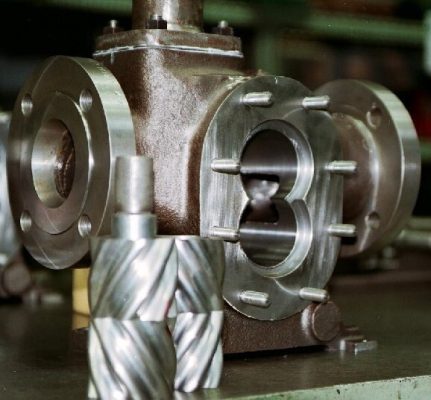
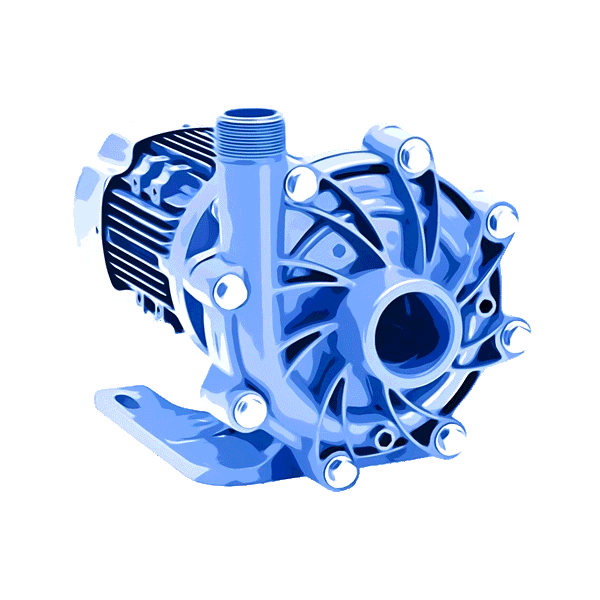




Chemical pumps for the electroplating and anodizing industry are typically sealless magnetic drive pumps, because electroplating and anodizing tanks contain highly corrosive sulfuric acid, hydrochloric acid, chromic acid, and caustic solutions. The magnetic drive design eliminates mechanical seals, thereby removing the classic leak point of conventional sealed pumps, while preventing air from entering the recirculation flow and skewing the plating process. Each stage of operation (filter recirculation, agitation, chemical dosing, and transfer from drums/IBCs) requires a different pump configuration.
The electroplating and anodizing industry presents a dual challenge: pumping highly corrosive chemicals while avoiding leaks and preventing air from entering the solution. Here are a few core points when selecting a pump.
- Sealless — all fluid is contained within the pump, driven through magnetic force, with no mechanical seal, eliminating the leak point.
- Sulfuric acid / HCl / chromic acid / caustic — typical chemicals in electroplating and anodizing tanks require corrosion-resistant materials.
- Safe dry-run capability — carbon bearing configuration allows extended dry running without damaging the pump.
- No air entrainment — the sealed pump prevents oxygen from entering the solution, limiting negative effects on plating quality.
- FTI product range — DB, SP (magnetic drive centrifugal pumps) and PF, SF, EF (drum pumps/IBC) cover different process stages.
Why Electroplating and Anodizing Need Sealless Pumps
Mechanical Seals Are the Weak Point When Pumping Corrosive Chemicals
In electroplating and anodizing, tank solutions are strongly corrosive acids and caustics. Conventional sealed pumps rely on mechanical seals to prevent liquid from escaping along the shaft, but seals are consumable components and are the first point of leakage when exposed to chemicals. As seals deteriorate, the consequences are not limited to solution loss — they also create safety risks.
!Acid/caustic leaks can cause chemical burns, respiratory effects from acid vapors, and spillage accidents. Eliminating the seal is the most fundamental way to eliminate this leak point.
Magnetic drive pumps (sealless / magnetic drive) solve this problem through the following principle: all fluid is contained within the pump casing, and power is transmitted through magnetic force between the magnetic coupling and the rotor — there is no shaft penetrating the casing, and therefore no seal and no corresponding leak point. You can learn more about the working principle in our article on sealless magnetic drive pumps for corrosive chemicals.
- No mechanical seal — eliminates the classic leak point when pumping chemicals.
- Carbon bearing configuration allows extended dry running without damage.
- Reduces the risk of chemical burns, toxic vapors, and spills for operators.
Why Air Must Be Kept Out of the Plating Solution
Oxygen Entering the Recirculation Flow Affects the Plating Process
One technical requirement that often goes unnoticed but is important in electroplating is controlling gas content in the solution. In many production lines, the solution is recirculated and agitated (for example through Venturi nozzles/eductors) to maintain uniform concentration and temperature. If the pump draws in air on the suction side or creates foam, unwanted oxygen is introduced into the solution.
Excess oxygen can adversely affect the plating reaction and alter coating quality. Sealed magnetic drive pumps maintain a continuous flow within a closed system, limiting air entrainment into the solution compared to pump options that have open points or are prone to losing prime.
| Criterion | Sealed Pump with Mechanical Seal | Magnetic Drive Pump (Sealless) |
|---|---|---|
| Shaft leak point | Yes (through seal) | No (no shaft penetrating the casing) |
| Mechanical seal replacement required | Yes, a consumable component | No |
| Dry running | Limited, seal easily damaged | Extended hours with carbon bearing configuration |
| Risk of air entrainment | Higher when losing prime or at open points | Lower in a closed system |
| Safety with acid/caustic | Depends on seal condition | Eliminates the primary leak point |
Selecting Pumps by Process Stage in a Plating Shop
Recirculation, Agitation, Chemical Dosing, and Transfer
An electroplating and anodizing shop has more than one type of pumping requirement. The right selection should start from the specific process stage and the solution characteristics at that point:
- Filter recirculation and tank agitation: continuous flow, with sufficient flow rate and head to pass through filters and the eductor system — suitable for magnetic drive centrifugal pumps.
- Transfer from drums/IBCs: drawing chemicals from drums or IBC tanks to dose into the process tank — suitable for drum pumps with dip tubes.
- Chemical metering/dosing: requires small, stable flow rate control when adding chemicals to the tank.
!Do not use the same pump for all process stages. The chemicals, temperature, and flow rate requirements at the tank recirculation stage differ significantly from those at the drum transfer stage — an incorrect selection will shorten pump service life and increase the risk of leaks.
For guidance on selecting corrosion-resistant materials by tank type, you can also refer to the solution framework on TKT’s industrial chemical pumps page.
Materials and Safety When Handling Acids and Caustics
Selecting Wetted-Part Materials According to Tank Chemicals
Because electroplating and anodizing tanks contain sulfuric acid, hydrochloric acid, chromic acid, and caustic solutions, the wetted-part materials of the pump must be selected according to the specific chemical and concentration. Magnetic drive chemical pumps typically offer corrosion-resistant plastic body options to handle this group of solutions; the specific material (e.g., polypropylene, PVDF, ETFE) must be confirmed against a chemical compatibility chart for the actual concentration and operating temperature.
!Material compatibility depends on concentration and temperature — the same acid at different concentrations/temperatures may yield different material recommendations. Always cross-reference the compatibility chart before finalizing the configuration.
- Clearly identify the chemical, concentration, and temperature at the pump point.
- Cross-reference wetted-part materials against the chemical compatibility chart.
- Prioritize a sealless design to reduce safety risks for operators.
Metal anodizing / electroplating process, where a single production line must circulate approximately 13 different chemicals (chromic acid, sulfuric acid, plating solutions, cleaning chemicals) within a limited installation space.
Highly corrosive chemical tanks rapidly degrade mechanical seals and cause leaks; at the same time, the limited floor space requires compact pumps with fewer failure points that can tolerate the risk of dry running during operation.
According to Finish Thompson documentation, the application uses a fully sealed magnetic drive centrifugal pump (sealless mag-drive, DB/SP series) — eliminating the mechanical seal. Construction materials are polypropylene, PVDF, or SS316, selected according to each chemical type.
Finish Thompson states that the sealless construction eliminates leak points, enables dry-run capability, and withstands corrosive environments, meeting the requirement to circulate multiple chemical types within a compact footprint.
Source: Finish Thompson Inc. application documentation — “Versatile Centrifugal Mag-Drive Pump Proves Suitable for Anodizing Application” (finishthompson.com/studies/pumps-for-anodizing-plating). Compiled and referenced for the Vietnamese market by TKT Pumps.
Finish Thompson Pump Lines for the Electroplating and Anodizing Industry
FINISH THOMPSON · USA Magnetic Drive Pumps and Drum Pumps for Plating Chemicals
Finish Thompson (USA) is a chemical pump brand distributed by TKT in Vietnam. For the electroplating and anodizing industry, FTI product lines are typically used by process stage as follows:
- DB series — sealless magnetic drive centrifugal pump, suitable for recirculation and agitation in anodizing/electroplating tanks.
- SP series — self-priming centrifugal pump version with deep suction capability and fast prime, suitable when the suction inlet is below the pump.
- PF series — drum pump with dual impeller for higher head and flow rate during transfer operations.
- SF series — high flow rate and head drum pump with a more compact tube diameter.
- EF series — a safer alternative to a hand pump for light transfer applications.
TKT Pumps is a Finish Thompson distributor with over 19 years of experience, more than 12,000 projects, and a spare parts system of over 5,000 items, providing configuration advice on wetted-part materials by tank type. View details on the Finish Thompson brand page.
Frequently Asked Questions
Why should electroplating and anodizing operations use sealless pumps?
+
Because electroplating and anodizing tanks contain highly corrosive sulfuric acid, hydrochloric acid, chromic acid, and caustic solutions. Sealless magnetic drive pumps contain all fluid within the pump casing and transmit force through a magnetic coupling, eliminating the mechanical seal — which is otherwise an early source of leaks — thereby reducing the risk of chemical burns and spillage.
Can magnetic drive pumps run dry?
+
Yes. When equipped with carbon bearings, magnetic drive pumps can run dry for extended periods without damage. This is an advantage in situations where the tank temporarily runs low or unexpected loss of prime occurs on the plating line.
Why must air be prevented from entering the plating solution?
+
Because excess oxygen entering the solution can adversely affect the plating reaction and alter coating quality. A sealed pump maintains a continuous flow in a closed system, limiting air entrainment compared to pump options that are prone to losing prime or have open points.
How do you select wetted-part materials for a plating chemical pump?
+
You need to identify the chemical, concentration, and temperature at the pump point, then cross-reference against the material compatibility chart. Chemical pumps typically offer corrosion-resistant plastic body options (such as polypropylene, PVDF, ETFE) — but the specific choice must match the actual tank conditions.
How many types of pumps does a plating shop need?
+
Typically more than one type is needed. The tank recirculation and agitation stage is suited to magnetic drive centrifugal pumps; the drum/IBC transfer stage is suited to drum pumps. The chemical characteristics, temperature, and flow rate requirements differ at each stage, so the same pump should not be used throughout.
What Finish Thompson product lines are available for the plating industry?
+
FTI offers the DB series (magnetic drive centrifugal pump for tank recirculation), SP series (self-priming, deep suction), and drum pump series PF, SF, and EF for transfer and chemical dosing. TKT provides configuration advice by process stage and tank type.
Need to select the right pump for your plating or anodizing tank? Send us your chemical type, concentration, temperature, and flow rate — TKT’s technical team will advise on the appropriate material configuration and FTI pump series.
Submit a Consultation Request or hotline 0941.400.488
Technical source: product documentation and technical literature from Finish Thompson Inc. (USA) on chemical pumps for the electroplating and anodizing industry. Compiled and localized for the Vietnamese market by TKT.