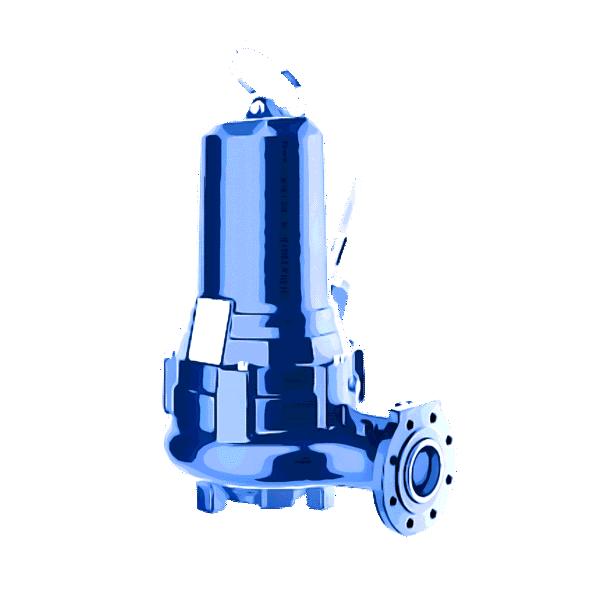
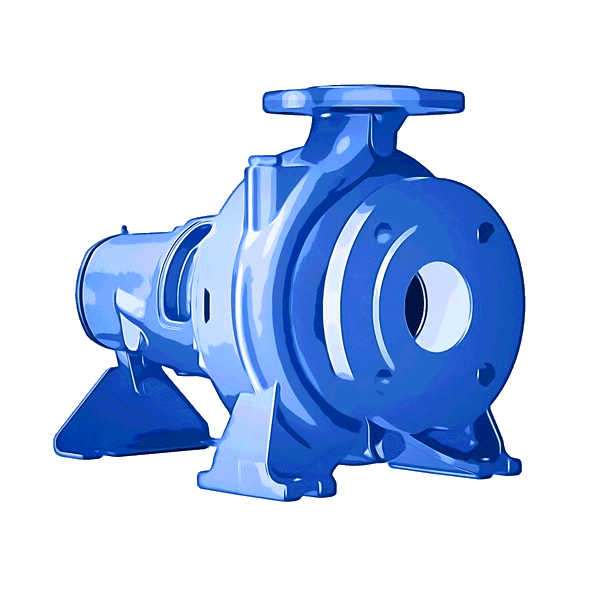




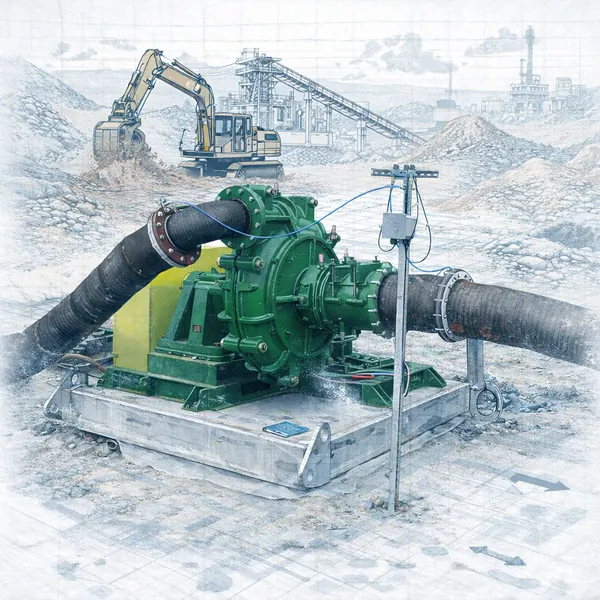
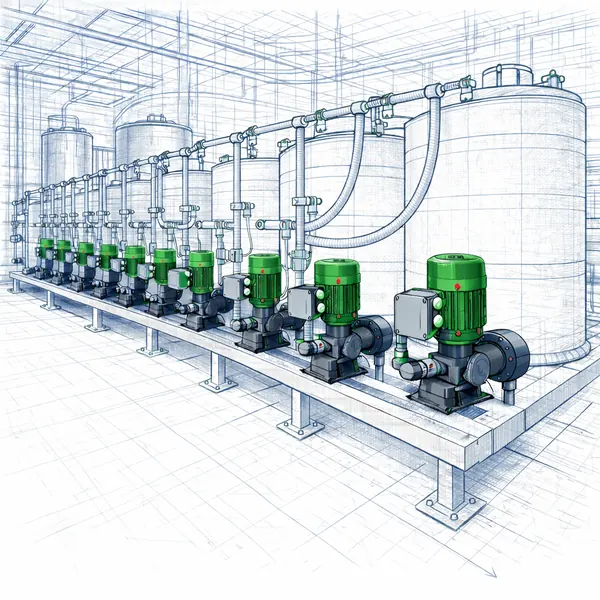
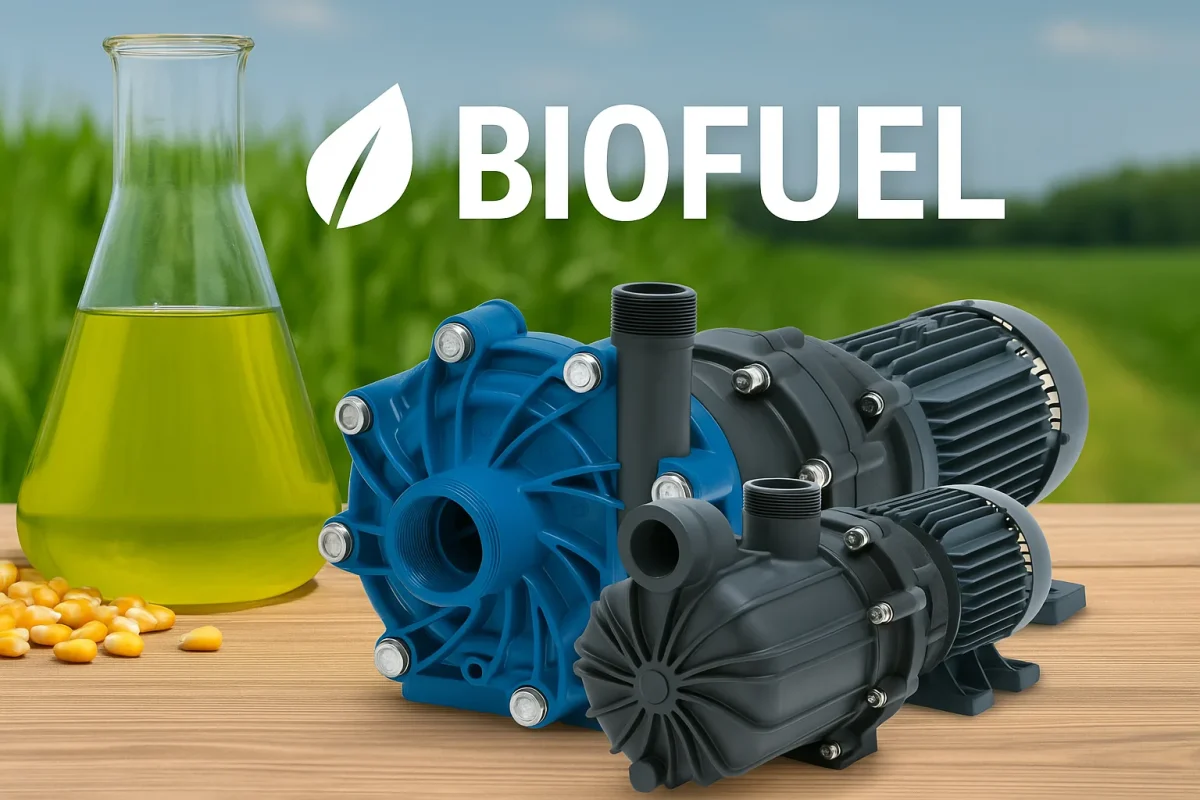
The biofuel industry (ethanol, biodiesel) requires pumps capable of handling highly corrosive chemicals such as caustic soda (NaOH), acids, and catalyst solutions. The widely recommended technical approach is to use sealless magnetic drive pumps (mag-drive) or air-operated diaphragm pumps (AODD) constructed from chemical-resistant engineering plastics such as PP, PVDF, and ETFE — as these designs eliminate mechanical seals, reducing the risk of leaks and seal failure when in contact with corrosive fluids. This article analyzes the chemical challenges in biofuel production lines and explains how to select the appropriate pump.
Both ethanol and biodiesel production processes use numerous corrosive chemicals. Selecting the wrong material or a pump design with mechanical seals can easily lead to leaks, seal failure, and production line shutdowns. The core selection criteria include:
- Sealless design — magnetic drive pumps and air-operated diaphragm pumps eliminate mechanical seals, minimizing potential leak points to the environment.
- PP / PVDF / ETFE — engineering plastics resistant to caustic soda, acids, and corrosive catalyst solutions.
- Ethanol — the production line uses enzymes, NaOH, and acids; requires stable corrosion-resistant pumps.
- Biodiesel — high-pH catalyst + water/acid wash for neutralization, both are highly corrosive.
- Multiple configurations — sealless centrifugal pumps, drum pumps, and diaphragm pumps for loading, transfer, and discharge operations.
Why Is It Difficult to Select Pumps for the Biofuel Industry?
Corrosive Chemicals Are the Core Challenge
The shift toward renewable energy is driving demand for biofuel production. Behind each batch of ethanol or biodiesel, however, lies a harsh sequence of chemicals: enzymes, caustic soda (NaOH), acids, and catalyst solutions. This is an environment where a conventional pump — particularly one with mechanical seals in direct contact with the fluid — is highly susceptible to corrosion, seal wear, and leakage.
For maintenance engineers, the consequences extend beyond replacing a pump. Corrosive chemical leaks create safety hazards, production line stoppages, and recurring repair costs. Therefore, pump selection for this industry should start with two questions: are the wetted-part materials compatible with the chemicals, and does the pump design have any potential leak points.
!Mechanical seals are a common weak point when pumping corrosive chemicals. When seals wear, chemicals leak out — resulting in product loss and safety hazards. This is why many biofuel applications prioritize sealless designs.
What Pumps Are Needed for Ethanol Production Lines?
Fermentation, Enzymes, and Corrosive Environments
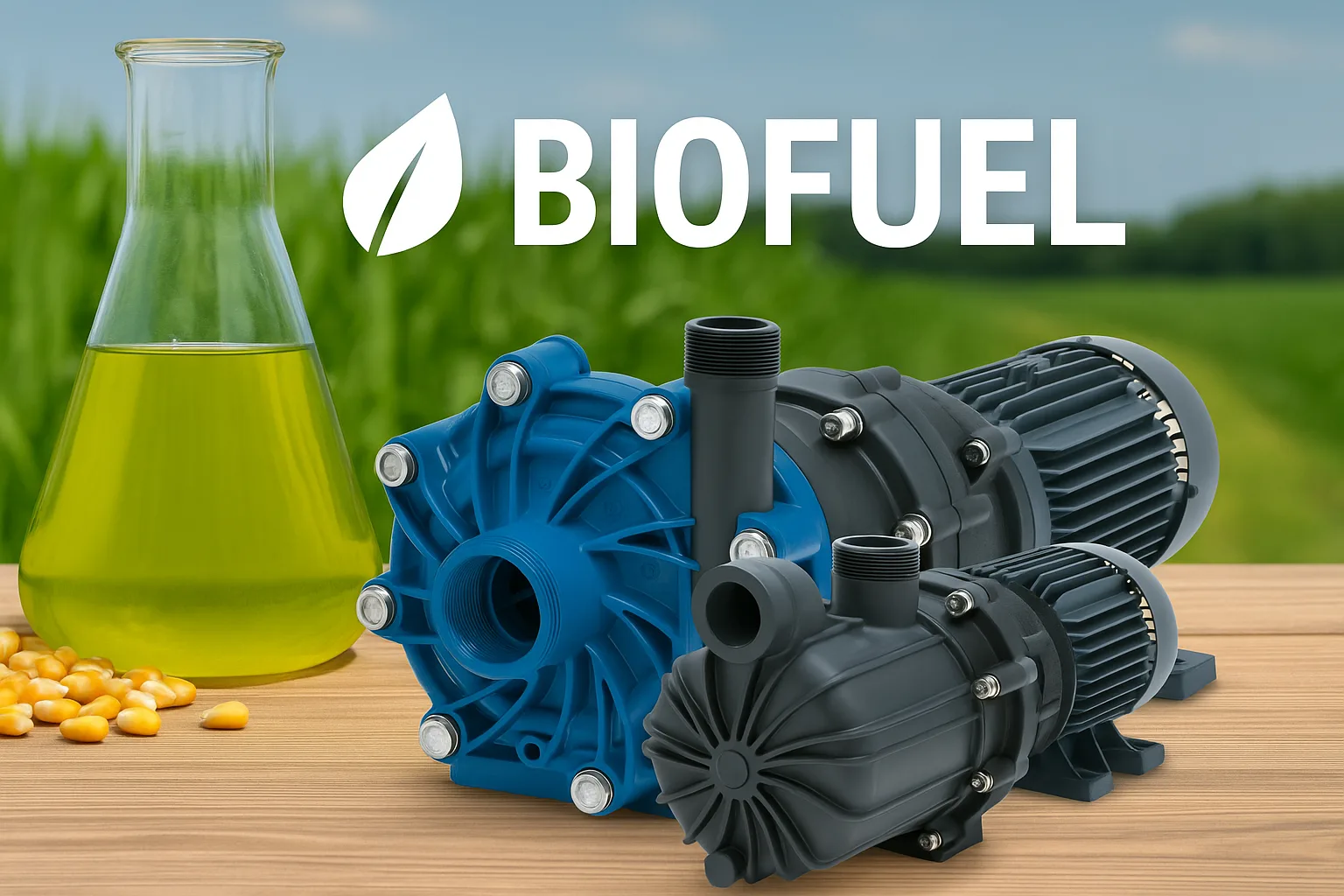
Ethanol is produced by fermenting corn, sugarcane, and certain types of algae. The process uses enzymes, caustic soda (NaOH), acids, and other corrosive fluids. When circulating these solutions between tanks, pumps must both withstand the chemicals and maintain stable flow rate during continuous operation.
For corrosive industrial chemicals, wetted-part material is the determining factor for service life. Engineering plastics such as polypropylene (PP), PVDF, and ETFE are commonly selected for their resistance to a wide range of acids and bases. You can find further guidance on matching materials to specific chemicals on TKT’s industrial chemical pump solutions page.
- Prioritize chemical-resistant wetted-part materials: PP, PVDF, ETFE.
- Minimize leak points: sealless design, no mechanical seals.
- Ensure stable flow rate for continuous operation processes.
Biodiesel: High-pH Catalyst and Acid Wash Step
Two Groups of Highly Corrosive Chemicals
Biodiesel is produced from renewable sources such as soybean oil and animal fats (e.g., chicken fat). During production, a catalyst is added. Because the catalyst has a high pH, the resulting biodiesel must be washed with a water/acid mixture for neutralization. Both the catalyst and the acid wash solution are highly corrosive — so biodiesel applications require pumps capable of handling these conditions.
In other words, a biodiesel production line must handle both a strongly alkaline environment (catalyst) and an acid environment (wash step) simultaneously. This is a situation where sealless pumps made from engineering plastics demonstrate their advantages: there are no seals for corrosive chemicals to attack, and the wetted-part materials are selected to match the specific chemical range of each process stage.
| Process Stage | Typical Chemicals | Characteristics | Pump Recommendation |
|---|---|---|---|
| Ethanol fermentation | Enzymes, NaOH, acids | Corrosive, continuous operation | Sealless centrifugal pump, PP/PVDF materials |
| Biodiesel catalyst | High-pH catalyst | Strongly alkaline, corrosive | Sealless / diaphragm pump, alkali-resistant wetted parts |
| Neutralization wash | Water/acid mixture | Strongly corrosive acid | Sealless / diaphragm pump, PVDF/ETFE wetted parts |
| Drum / IBC loading and discharge | Solvents, base chemicals | Requires metering, portable | Chemical-resistant drum pump |
!Do not use a single material type for all process stages. Alkaline and acid chemicals have different material compatibility ranges — always verify the material compatibility chart for each specific solution before selecting a pump.
Why Prioritize Sealless Designs?
Magnetic Drive and Air-Operated Diaphragm
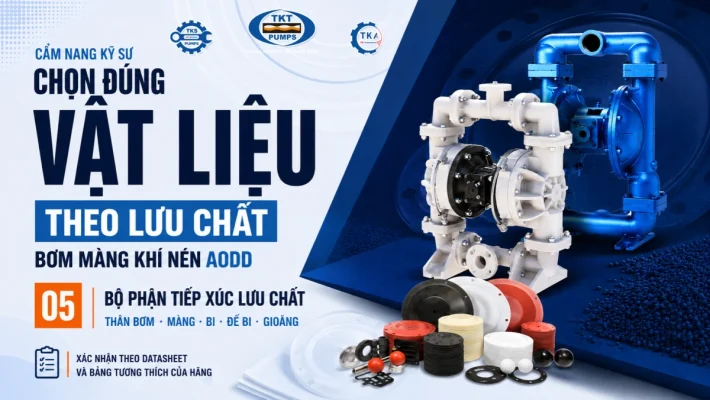
The two pump designs most commonly recommended for corrosive chemicals are sealless magnetic drive pumps (mag-drive) and air-operated diaphragm pumps (AODD). What both designs share is the absence of mechanical seals in contact with the pumped fluid, thereby eliminating one of the most common sources of leaks and failures when pumping corrosive solutions.
| Criterion | Sealless Magnetic Drive Pump | Air-Operated Diaphragm Pump (AODD) |
|---|---|---|
| Sealing mechanism | Magnetic coupling, no seals | Diaphragm barrier, no seals |
| Flow type | Continuous, steady | Pulsating, self-priming |
| Suited for | Tank transfer, stable flow rate | Fluids with solids, portable applications, safe dry-running |
| Wetted-part material | PP, PVDF, ETFE and metals | Engineering plastics, chemical-resistant elastomers |
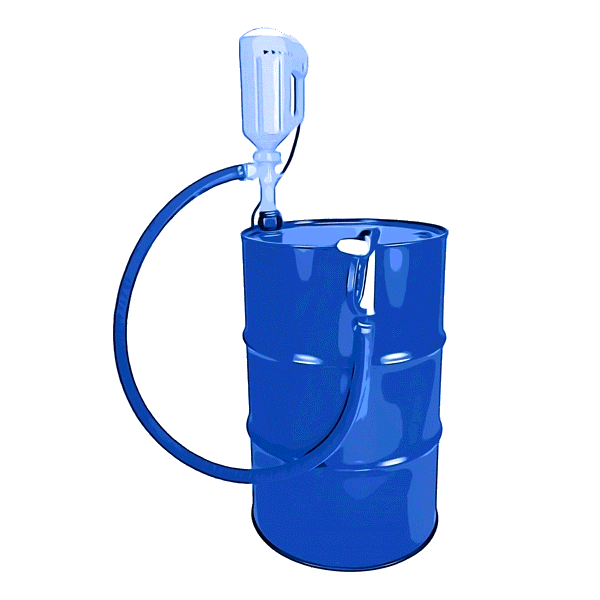
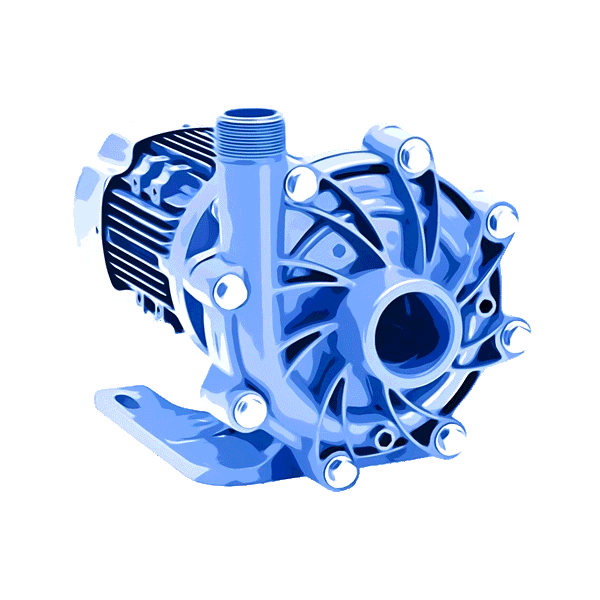
For magnetic drive pumps, the magnetic drive centrifugal pump range is a popular choice for transferring corrosive chemicals between tanks in biofuel production lines. For drum or IBC loading and discharge operations, chemical-resistant drum pumps provide a safer way to extract and meter corrosive solutions.
- Sealless pumps: fewer leak points, suitable for corrosive chemicals.
- Select wetted-part materials matched to the specific chemicals of each process stage.
- AODD diaphragm pumps: self-priming, dry-run capable, versatile for fluids containing solids.
Renewable energy sector, specifically biodiesel production: high-pH catalyst is added to vegetable oil/animal fat, then neutralized with an acid wash solution.
Both the catalyst and acid wash solution are highly corrosive; mechanical seals fail easily, causing leaks and shutdowns, while remote installation locations increase maintenance costs.
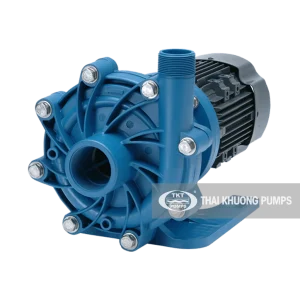
Sealless magnetic drive pump, DB Series, using chemical-resistant materials such as polypropylene and PVDF; eliminates mechanical seals and offers dry-run capability when needed.
According to Finish Thompson documentation, the sealless configuration meets operational requirements for corrosive fluids, limits leakage, and reduces maintenance demands at remote locations.
Source: Finish Thompson Inc. application profile — translated and adapted by TKT Pumps for the Vietnamese market.
Finish Thompson Pump Solutions for Biofuels
FINISH THOMPSON · USA Corrosion-Resistant Pump Range for Ethanol and Biodiesel
Finish Thompson Inc. (FTI, USA) is a manufacturer specializing in sealless pumps and chemical-resistant drum pumps. For the biofuel industry, the FTI product range addresses the corrosive solutions encountered in ethanol and biodiesel production lines:
- Sealless magnetic drive pumps — series such as DB (sealless plastic centrifugal) and UC/UCP/UCR (ANSI-standard sealless) for transferring corrosive chemicals, with PP/PVDF/ETFE wetted parts depending on the fluid.
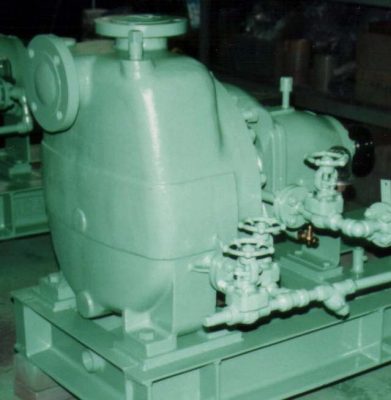
- Self-priming plastic pumps — SP series for applications requiring self-priming capability with corrosive chemicals.
- Drum / container pumps — EF, PF, SF series for drum and IBC loading and discharge operations with corrosive chemicals.
- FTI Air air-operated diaphragm pump — AODD range for fluids with solids, requiring self-priming and dry-run tolerance.
As the authorized distributor of FTI in Vietnam, TKT Pumps provides consultation on series and material selection for each specific chemical, together with spare parts and technical support. You can learn more on the Finish Thompson brand page or the fuel industry pump solutions page.
Frequently Asked Questions
What pumps are suitable for the biofuel industry?
+
The most appropriate choices are sealless magnetic drive pumps (mag-drive) and air-operated diaphragm pumps (AODD) made from chemical-resistant engineering plastics such as PP, PVDF, and ETFE. Both designs eliminate mechanical seals, reducing the risk of leaks when transferring caustic soda, acids, and catalyst solutions in ethanol and biodiesel production lines.
Why does biodiesel production require specialized corrosion-resistant pumps?
+
Because the biodiesel production process uses a high-pH catalyst, and the resulting product must be washed with a water/acid mixture for neutralization. Both the catalyst (strong alkali) and the acid wash solution are highly corrosive, requiring pumps with wetted-part materials and sealless designs capable of withstanding these conditions.
How do PP, PVDF, and ETFE materials differ?
+
PP (polypropylene) is suitable for a wide range of acids and bases under moderate conditions. PVDF withstands strong acids and higher temperatures. ETFE is typically used for extremely aggressive chemicals. Material selection should be based on the compatibility chart for the specific solution and concentration of each process stage.
How does a sealless magnetic drive pump work?
+
A magnetic drive pump transmits motion through a magnetic coupling rather than a shaft penetrating the pump casing, eliminating the need for mechanical seals in contact with the fluid. This removes a common leak point, making it suitable for pumping corrosive chemicals where high containment integrity is required.
When should an air-operated diaphragm pump be used instead of a centrifugal pump?
+
An air-operated diaphragm pump (AODD) is appropriate when the fluid contains solid particles, self-priming capability is required, dry-running must be safe, or a portable non-electric unit is needed. Magnetic drive centrifugal pumps are better suited for tank transfer with continuous, stable flow rate.
Does TKT provide pump selection support based on specific chemicals?
+
Yes. With over 19 years of experience and as the authorized distributor of Finish Thompson in Vietnam, TKT provides consultation on series selection, wetted-part materials, and configuration matched to the specific chemicals, concentrations, and temperatures of each process stage in the biofuel production line, along with spare parts and technical support.
Need to select pumps for an ethanol or biodiesel production line? Submit your chemical information, flow rate, and operating conditions — TKT engineers will advise on the appropriate Finish Thompson series and materials.
Submit a Consultation Request or hotline 0941.400.488
Technical sources: product documentation and articles by Finish Thompson Inc. (USA) on pump applications in the biofuel industry. Adapted and localized by TKT for the Vietnamese market.