




Fuel & oil and gas pumps — petrol, diesel, FO oil & LPG
Positive displacement pumps for fuel transfer at petroleum depots and plants: vane self-priming for petrol/diesel, screw for heavy fuel oil (FO/HFO), gear metering & oil transfer, and sealless magnetic drive for hazardous solvents — select by fluid and ATEX explosion-protection requirements.
Vietnam consumes ~28.6 million m³/tonnes of petroleum products (2025), of which the two refineries Dung Quất and Nghi Sơn supply ~70% of domestic demand, along with a minimum 30-day strategic reserve requirement — storage, tank and port infrastructure creates numerous fuel transfer pump application points. (per industry data 2025)
Where are pumps used in the fuel & oil and gas chain?
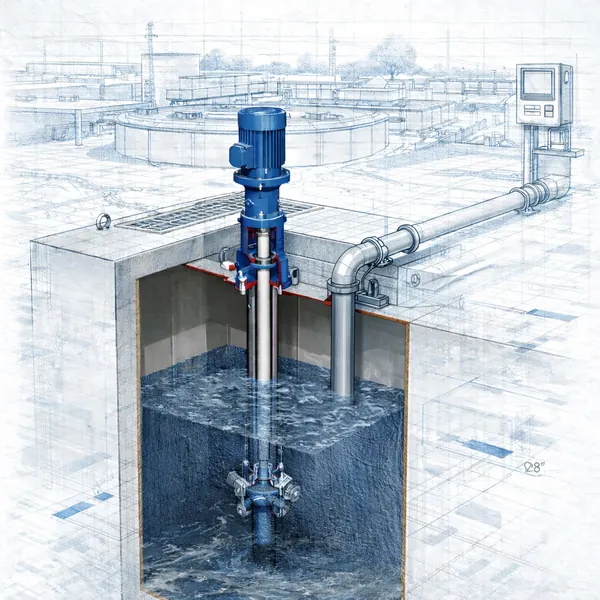
Fuel flows from vessel/barge → main depot/port → transit depot → industrial consumers (boilers, power plants, asphalt). Each point has different fluids and requirements — the diagram below maps pump families and suitable brands to each pump point.
Fuel depot — loading/unloading
Petrol, diesel, kerosene — low viscosity, highly volatile, flammable.
Burner / boiler feed
Diesel, light FO — requires steady pressure, near-pulsation-free flow.
Heavy fuel oil (HFO)
High-viscosity FO/mazut — must be pre-heated before pumping.
LPG / liquefied gas
LPG/propane, NH₃ — high vapour pressure, risk of cavitation.
Volatile solvents & hydrocarbons
Solvents, toxic/volatile fluids requiring zero-leak.
5 pump point groups in the fuel chain: petroleum depot loading/unloading & tanker filling (vane) · burner head / boiler feed (screw, gear) · heated HFO heavy fuel oil (screw, jacketed vane) · hazardous solvents & hydrocarbons (sealless magnetic drive) · LPG/propane (dedicated UL-listed vane). Operating point and explosion-proof configuration for each model — contact for datasheet
Three challenges in fuel pumping — and how to address them
Fire and explosion safety, high viscosity requiring pre-heating, and the risk of leakage/overpressure are three recurring problem groups with fuel, heavy oil and solvents. Each card below outlines the mechanism causing the problem and the corresponding technical approach.
Fire and explosion & explosion-proof requirements
Petrol, diesel, solvents and LPG have low flash points and ignite easily from sparks or static electricity — equipment in hazardous areas must control ignition sources.
Use configuration ATEX/IECEx explosion-proof or position equipment outside the hazardous zone per QCVN 01:2020/BCT. Configuration & certification for each model — contact for datasheet.
High viscosity & pre-heating (FO/HFO)
FO/HFO oil (mazut) has high viscosity and must be pre-heated before pumping and injection into the furnace; flow rate decreases and pressure loss increases if the wrong pump type is selected.
Pump Leistritz screw pump handles a wide viscosity range (L2 to 100,000 cSt) with near-pulsation-free continuous flow; the heated jacket version (Blackmer HXLJ) maintains heat for heavy FO.
Leakage, vapour carry-over & overpressure
Mechanical seals are a leakage point with toxic solvents/hydrocarbons; pumping volatile petrol causes vapour carry-over; positive displacement pumps build pressure when the outlet is blocked → risk of overpressure.
Pump CP Pumps sealless magnetic drive eliminate leak points; vane self-priming handles entrained vapor; install safety valve (relief) for positive displacement pumps — some Blackmer series include an internal relief valve.
Pump range for fuel & oil/gas
Select by fluid and process stage — vane for gasoline/diesel/LPG, screw for heavy oil, gear for metering & oil transfer. Flow data from verified manufacturer data; exact operating points per configuration: "contact for datasheet".
X series vane pump
- Flow rate~38–1.855 L/min (10–520 US gpm, converted)
- Port2 / 2.5 / 3 / 4" flanged
- FluidGasoline, diesel, petroleum · self-priming
HXL vane pump
- Flow rate~2.858–8.404 L/min (755–2,220 gpm by size, converted)
- CharacteristicsExtra-clearance for high-viscosity fluids
- FluidFuel oil (FO), lubricating oil, Jet fuel, solvents
MLX vane pump series
- TypeVane pump (sliding vane)
- FluidLPG, solvents, oil, chemicals
- Flow ratecontact for datasheet
L2 screw pump (twin-screw)
- Flow rate~11–8.327 L/min (3–2,200 US gpm, converted)
- Pressure · viscosityup to ~17.2 bar (250 psi, converted) · 2–100,000 cSt
- FluidBunker C / HFO, diesel, asphalt, lube
L3 screw pump (3-spindle)
- Flow rate~11–6.056 L/min (3–1,600 US gpm, converted)
- Viscosity1.2–40,000 cSt · self-priming, low pulsation
- FluidCrude, lube, light & heavy fuel oil, kerosene
Tuthill GlobalGear gear pump
- Flow rateGG015 ~57 L/min · GG080 ~303 L/min (15 / 80 gpm, converted)
- StandardPer API 676 · internal gear
- FluidOil, diesel, lube · metering & transfer
Multi-brand model matrix & fluid-based selection guide
Data sourced from verified manufacturer specifications (Blackmer, Leistritz, CP Pumps, Tuthill); units in US gpm/psi/°F with conversion to L/min, bar, °C. Unverified values for specific operating points are noted as "contact for datasheet".
| Series / Model | Pump type | Max flow rate | Pressure / viscosity | Primary fluid |
|---|---|---|---|---|
| Blackmer X | Vane | ~38–1.855 L/min (10–520 gpm, converted) | contact for datasheet | Gasoline, diesel, petroleum |
| Blackmer HXL | Vane | ~2.858–8.404 L/min (755–2,220 gpm, converted) | extra-clearance >4.250 cSt | Fuel oil (FO), lubricating oil, Jet fuel, solvents |
| Blackmer LGL / LGLD | Vane | contact for datasheet | internal relief valve · UL-listed | LPG / propane / NH₃ |
| Leistritz L2 | Twin screw | ~11–8.327 L/min (3–2,200 gpm, converted) | up to ~17.2 bar · 2–100,000 cSt | Bunker C/HFO, diesel, asphalt, lube |
| Leistritz L3 | Triple-screw pump | ~11–6.056 L/min (3–1,600 gpm, converted) | 1,2–40.000 cSt | Crude, lube, fuel oil, kerosene |
| CP Pumps MKP | Mag-drive centrifugal | 0,25–1.300 m³/h | head 3–230 m · PN 16/25 · −100…+350 °C | Solvents, hazardous hydrocarbons (zero-leak) |
| Tuthill GG015 | Internal gear | ~57 L/min (15 gpm, converted) | ~13.8 bar (200 psi, converted) | Oil, diesel, lube · metering |
| Tuthill GG080 | Internal gear | ~303 L/min (80 gpm, converted) | ~5.0 bar (75 psi, converted) | Oil, diesel, lube · transfer |
Select pump type by fluid
- Gasoline / diesel / kerosene (high flow rate, self-priming): Blackmer X / ML / HXL vane pump.
- Burner feed, boiler (steady pressure, low pulsation): Leistritz L3 screw pump, Tuthill gear pump.
- Heavy fuel oil HFO/FO (heated): Leistritz L2 screw pump, Blackmer HXL/HXLJ vane pump.
- Solvents / hazardous hydrocarbons (zero-leak): sealless mag-drive CP Pumps MKP.
- LPG / propane / NH₃: Blackmer LGL/LGLD vane pump (UL-listed).
- Exact model match for each actual operating point — contact for datasheet
Vane, screw, or gear pump?
Self-priming, handles entrained vapor, self-compensating vanes maintain stable flow rate → gasoline/diesel/solvents and LPG (dedicated series).
Virtually pulse-free continuous flow, low NPSH, wide viscosity range → heavy oil HFO/crude, burner feed at steady pressure.
Flow proportional to speed → stable metering & transfer, low pulsation, per API 676 → oil/diesel/lube.
No mechanical seal, hermetic enclosure eliminates leak points → toxic/volatile solvents/hydrocarbons requiring zero-leak.
Selection guide by fluid & safety requirements
Gasoline · diesel · LPG · solvents
- Self-priming
- ATEX explosion protection
- Safety valve
- UL-listed (LPG)
Low flash point fluids require explosion-proof configuration and ignition source control. Vane pump for gasoline/diesel; mag-drive zero-leak for hazardous solvents.
FO / HFO / mazut / crude
- Heating
- Jacketed casing
- Up to 100,000 cSt
- Low NPSH
Heavy oil must be heated before pumping. Leistritz screw pump (wide viscosity range) and jacketed vane pump (Blackmer HXLJ) suitable.
Applicable technical standards
CP Pumps theo DIN EN ISO 2858 / 5199 / 15783 and ATEX Directive; Tuthill GlobalGear per API 676; Blackmer LGL/LGLD UL-listed. Explosion protection Zone classification & certification per configuration — contact for datasheet
Matching model, material & explosion-proof configuration for each fluid and operating point — contact for datasheet
Self-priming & self-compensating vane pump
Sliding vanes extend to compensate for wear, maintaining stable flow rate; self-priming and handles entrained vapor when drawing volatile gasoline from tanks or long pipelines.
Smooth-flow screw pump for heavy oil
Virtually pulse-free continuous flow, low NPSH, and wide viscosity range maintain steady pressure for burner nozzles and stable HFO/crude transfer.
Sealless mag-drive zero-leak
Magnetic coupling drive, hermetic enclosure eliminates mechanical seal leak points — suitable for toxic/volatile solvents and hydrocarbons.
Four brands, four roles in the fuel supply chain
Each brand serves a distinct fluid group and pump application — from fuel loading/unloading, heavy fuel oil, oil metering to hazardous solvents requiring zero-leak — forming a comprehensive solution range for fuel & oil/gas systems.
Vane pumps (X / ML / XL / HXL) self-priming for fuel depot loading/unloading, tank truck filling, gasoline/diesel/solvent transfer; LGL/LGLD series UL-listed for LPG/propane/NH₃ with internal relief valve and anti-cavitation liner.
View Blackmer brandScrew pumps (3-spindle L3, twin-screw L2/L4, Flexcore) for heavy fuel oil HFO/FO/Bunker C, crude oil, diesel, lube — wide viscosity range (up to 100,000 cSt), virtually pulse-free continuous flow, low NPSH for marine/petrochemical/power plant applications.
View Leistritz brandSealless mag-drive centrifugal pump (MKP series and variants) for volatile solvents/hydrocarbons, toxic/hazardous fluids requiring zero-leak in refining–petrochemical; per DIN EN ISO 2858/5199/15783 and ATEX Directive, temperature range −100…+350 °C.
View CP Pumps brandInternal gear pumps (GlobalGear GG, T/D/HD/ORBIS™) for metering & transfer of oil/diesel/lube/thermal oil, per API 676; non-standard clearance options for high-viscosity and high-temperature fluids.
View Tuthill brandATEX & QCVN 01:2020 explosion protection for fuel pumps
Gasoline, diesel, LPG, and solvents have low flash points, easily ignited by sparks or static electricity. Equipment in hazardous areas must meet the standard ATEX/IECEx explosion-proof or be located outside the hazardous zone per QCVN 01:2020/BCT (explosion hazard Zone classification). Positive displacement pumps require safety valve (relief) to prevent overpressure. Zone classification and explosion protection certification per model configuration — contact for datasheet.
ATEX configuration consultation for your systemFuel & oil/gas segments served
Site-wide links — catalog, solutions, services & spare parts
From the fuel & oil/gas solution page, proceed to the pump catalog, related solutions, technical services, and spare parts inventory — everything needed for a complete pump project.
Pump catalog
Related solutions
Technical services (TKS)
Pump spare parts
FAQ — fuel & oil/gas pumps
Do gasoline/diesel pumps at fuel depots require explosion-proof (ATEX) type?
What is a vane pump suited for in the petroleum industry?
Which pump type should be selected for heavy fuel oil (FO/HFO/mazut)?
How does a LPG/propane pump differ from a conventional gasoline/diesel pump?
Why choose a sealless mag-drive pump for solvents and volatile hydrocarbons?
Screw pump, gear pump, or vane pump — what criteria determine the choice?
What is the approximate flow rate range for these pump series?
Do fuel transfer pumps require a relief valve?
Get technical consultation for fuel pump selection for your system
Provide the pump duty point, fluid, viscosity, flow rate, and explosion protection requirements — enough for us to recommend the right pump type, model, and ATEX configuration. Call directly, message via Zalo, or submit a request via the form.
- Pump duty point
- Fluid
- Viscosity
- Flow rate
- Explosion protection requirements
Finish Thompson corrosion-resistant pumps for biofuels
Ethanol and biodiesel lines pump corrosive liquids and solvents requiring high sealing integrity. Finish Thompson (FTI) — magnetic drive centrifugal pump sealless (sealless mag-drive) distributed genuine by TKT — eliminating mechanical seals, minimizing leakage and vapor emission.
Magnetic coupling replaces the through-shaft — eliminating shaft seal leak points when pumping corrosive chemicals.
Select wetted-end materials based on actual chemical concentration and temperature at each process stage.
Multiple FTI series use carbon bearings, enabling dry running when the tank is empty — useful for processes with suction-dry risk.
Bơm Gorman-Rupp cho kho xăng dầu, xe bồn & tra nạp nhiên liệu
Gorman-Rupp (Mỹ, từ 1933) sản xuất thiết bị cho lưu chất gốc dầu từ thập niên 1950 (tài liệu AV-05427). Nhóm phục vụ nhiên liệu gồm tự mồi O Series và bản PTO lắp trên xe tra nạp, 80 Series cùng bản Shield-A-Spark che chắn tia lửa, Roto-Prime tách khí liên tục khi xả bồn xe, bánh răng G Series cho nhựa đường và dầu FO nặng, cùng ly tâm 60 Series bản thép đúc.
Càng gần cuối mẻ, đường hút càng lẫn khí. Roto-Prime ghép bơm cánh gạt lưu lượng biến đổi làm nhiệm vụ mồi với bơm ly tâm chuyển lưu chất, tách khí liên tục nên dòng chảy giữ ổn định tới cuối mẻ. Hãng nêu đích danh hai việc: xả bồn xe và hút vét đường ống mềm.
Bản 80 Series Shield-A-Spark dùng bugi kiểu hàng không và quân sự, hệ đánh lửa che chắn, ống xả có bộ chặn lửa. Nơi có điện lưới và đã phân loại vùng nguy hiểm thì dùng bản close-coupled lắp động cơ phòng nổ. Đây là gói thiết kế che chắn tia lửa, không phải chứng nhận ATEX.
Bơm bánh răng G Series GHS chạy lưu chất tới 440.000 cSt và nhiệt độ tới 357 °C, áp suất tới 21 bar, có tuỳ chọn vỏ gia nhiệt nắp trước và nắp sau để giữ nhiệt khi dừng máy.
O Series PTO lấy công suất từ hộp trích lực của xe qua hộp giảm tốc tích hợp. Thân bơm gọn, đặt vừa khoảng trống giữa hai thanh ngang khung sát-xi; lưu lượng tới 91 m³/h, cột áp tới 135 m.
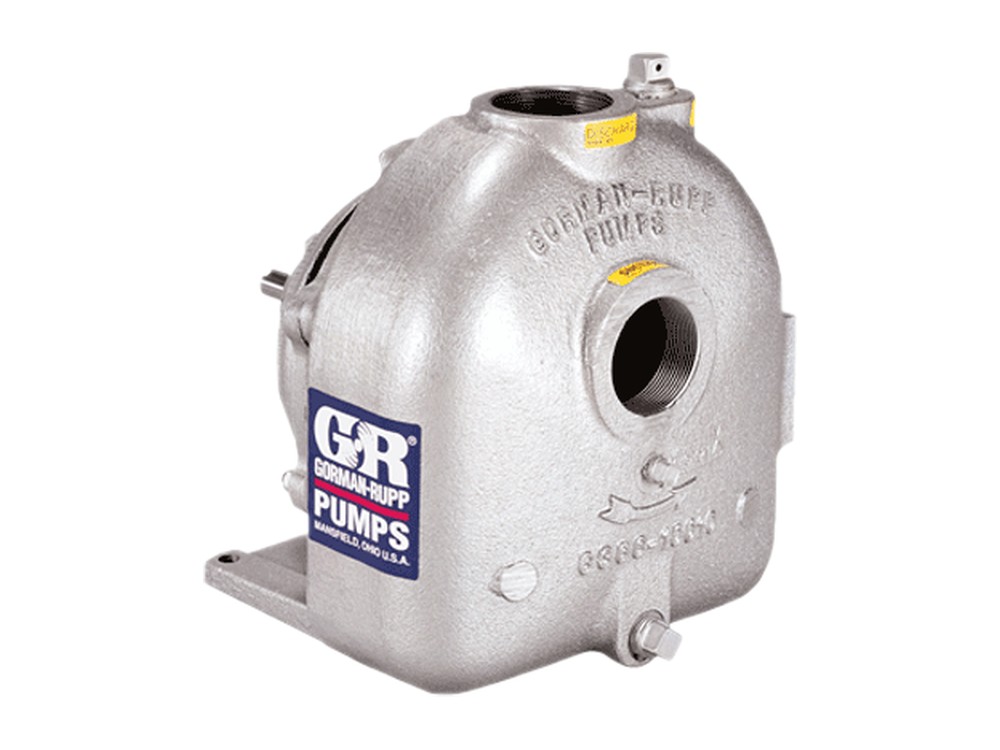 Tự mồi O Series307 m³/h · 122 m
cánh kín · 2"–6"View details →
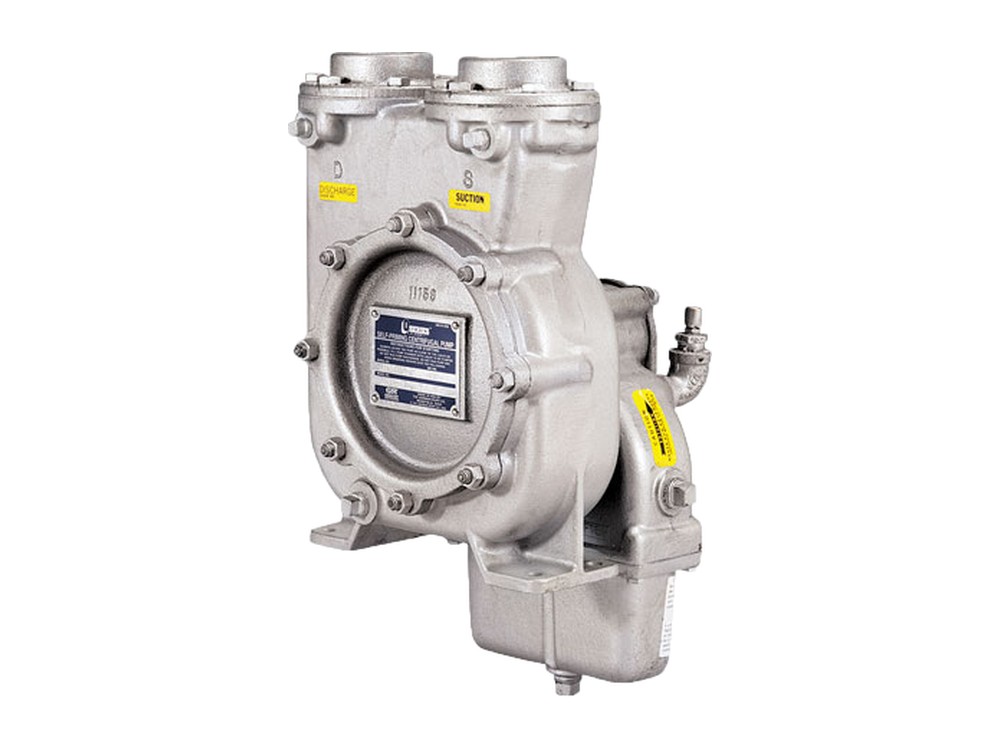 O Series PTO91 m³/h · 135 m
dẫn động trích lựcView details →
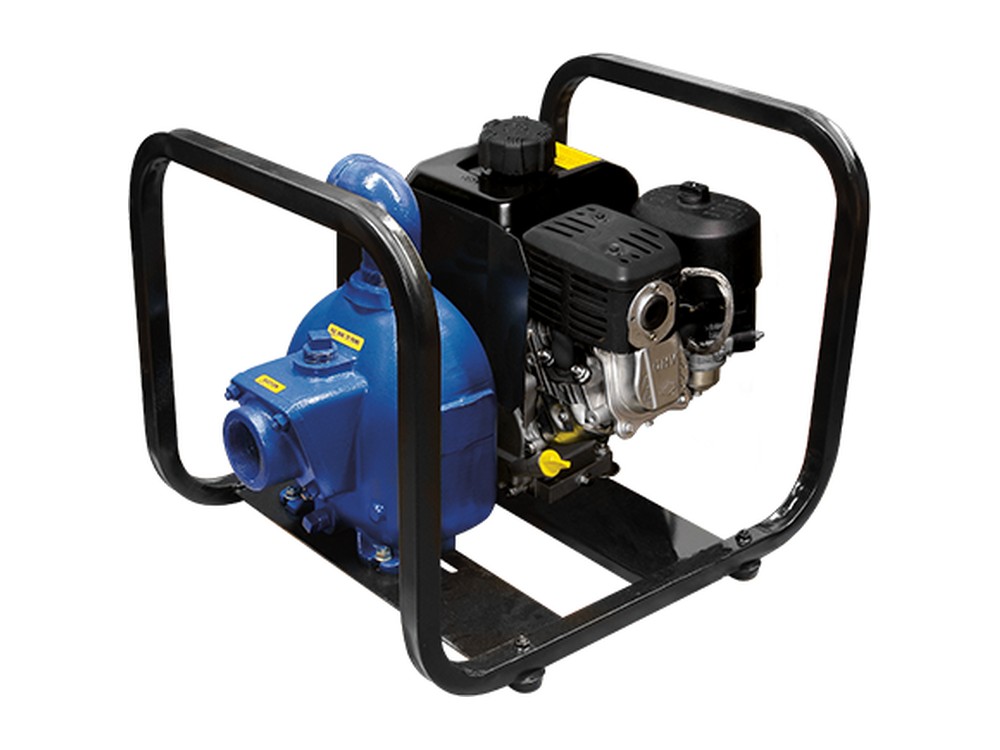 80 Series Shield-A-Spark90 m³/h · 43,6 m
che chắn tia lửaView details →
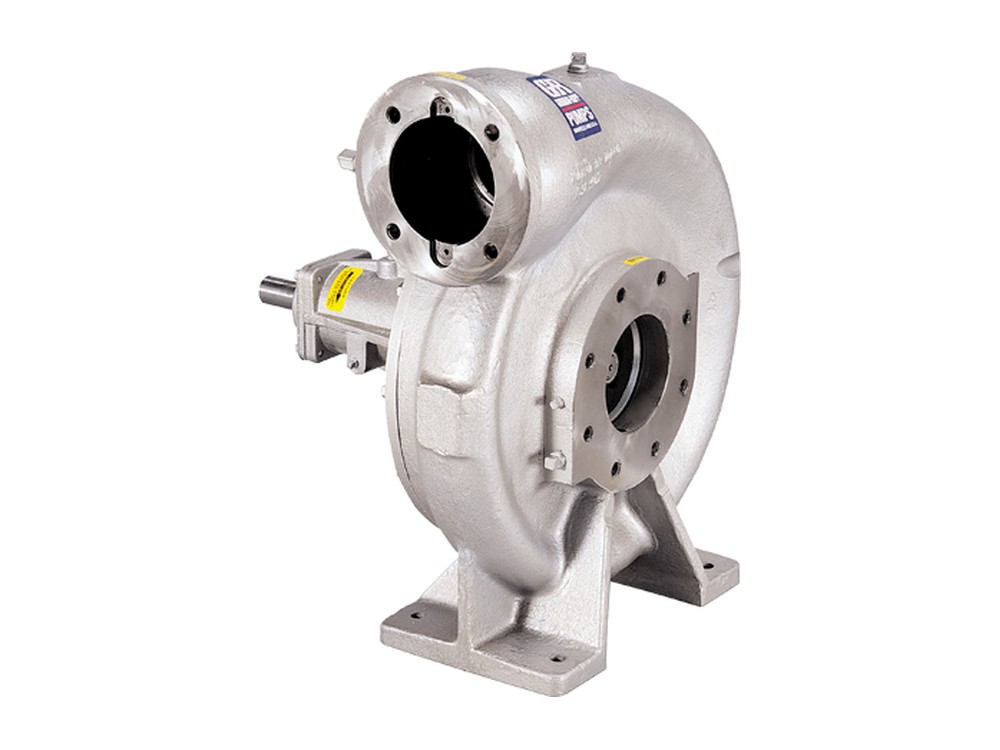 Roto-Prime RS336 m³/h · 47,5 m
mồi bằng cánh gạtView details →
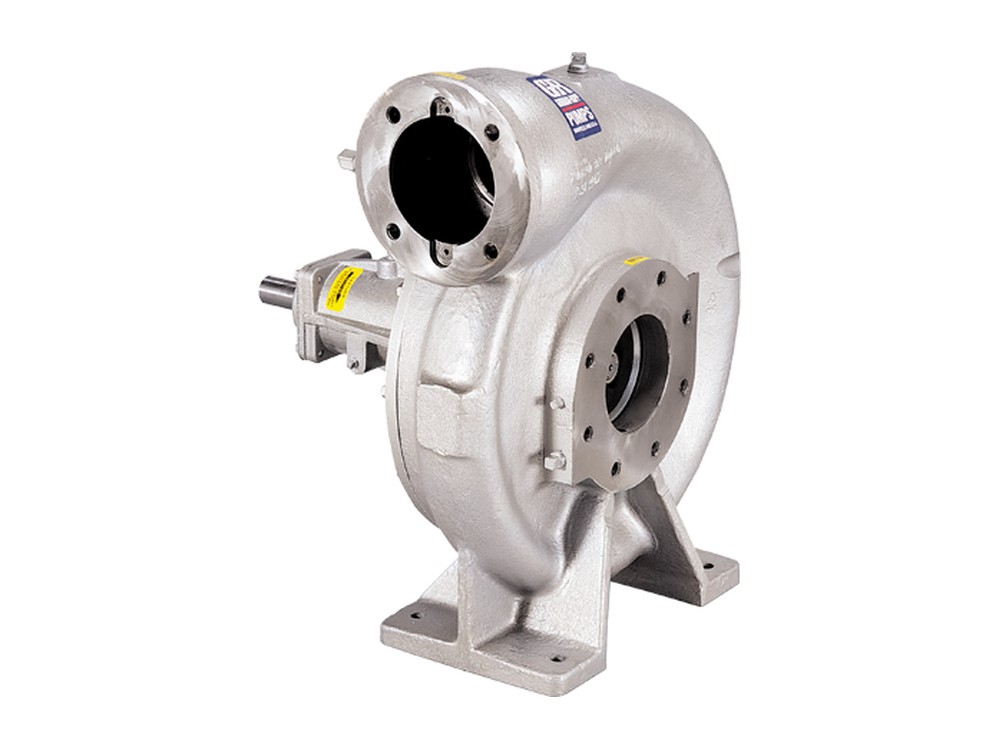 Roto-Prime RD211 m³/h · 119 m
cột áp caoView details →
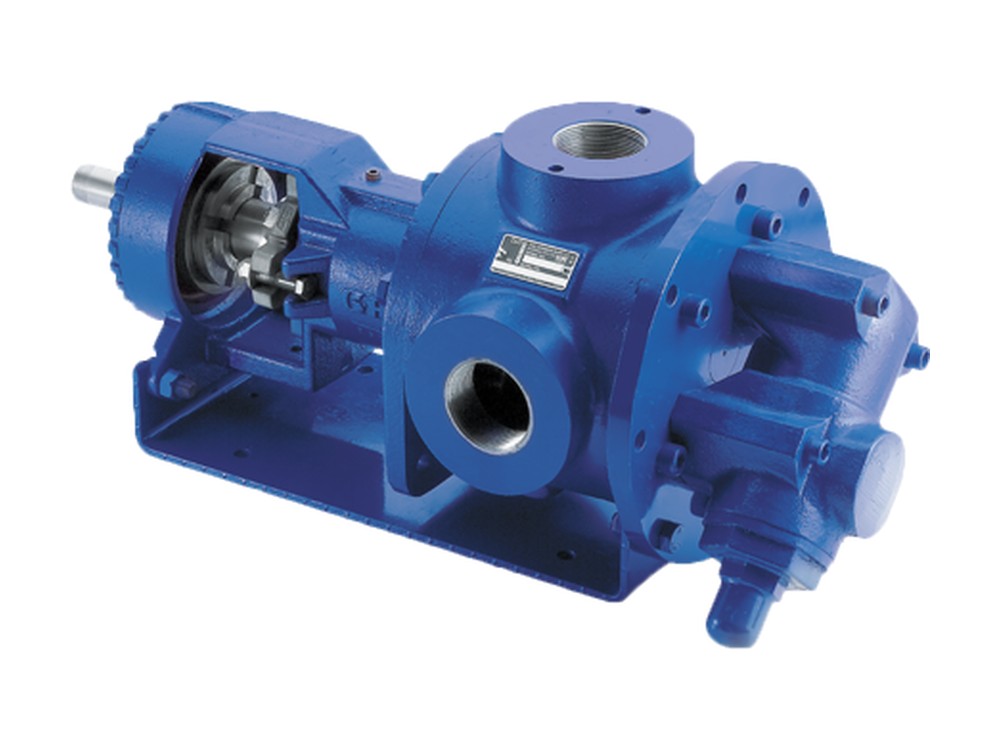 Bánh răng GHS136 m³/h · 21 bar
440.000 cSt · 357 °CView details →
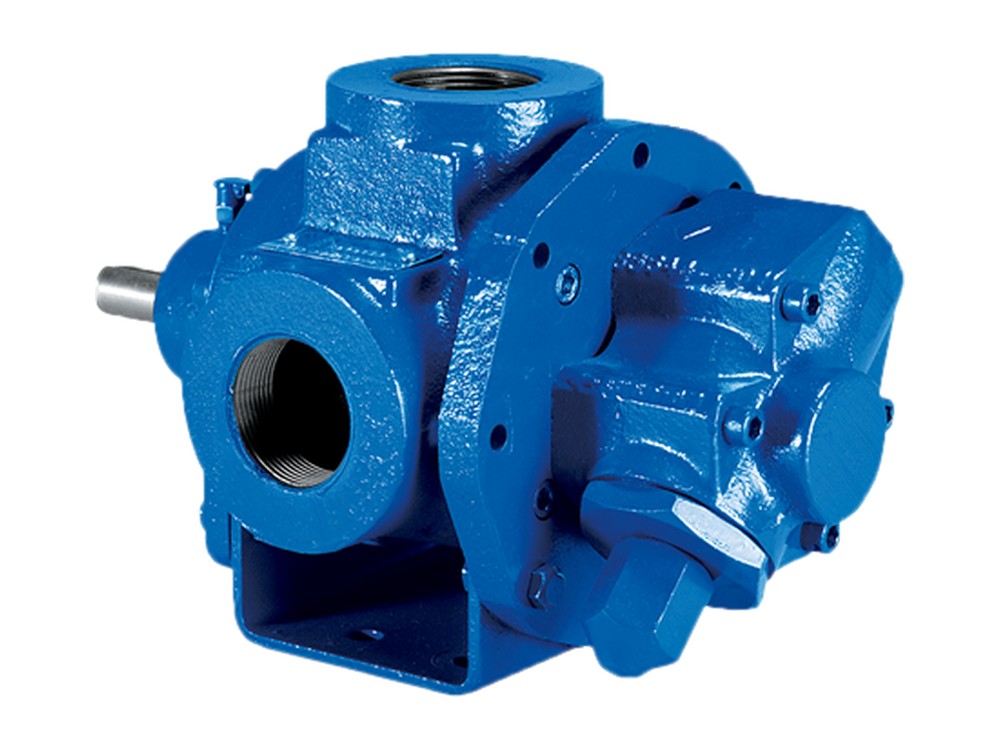 Bánh răng GMS136 m³/h · 10 bar
đa dụng 1"–6"View details →
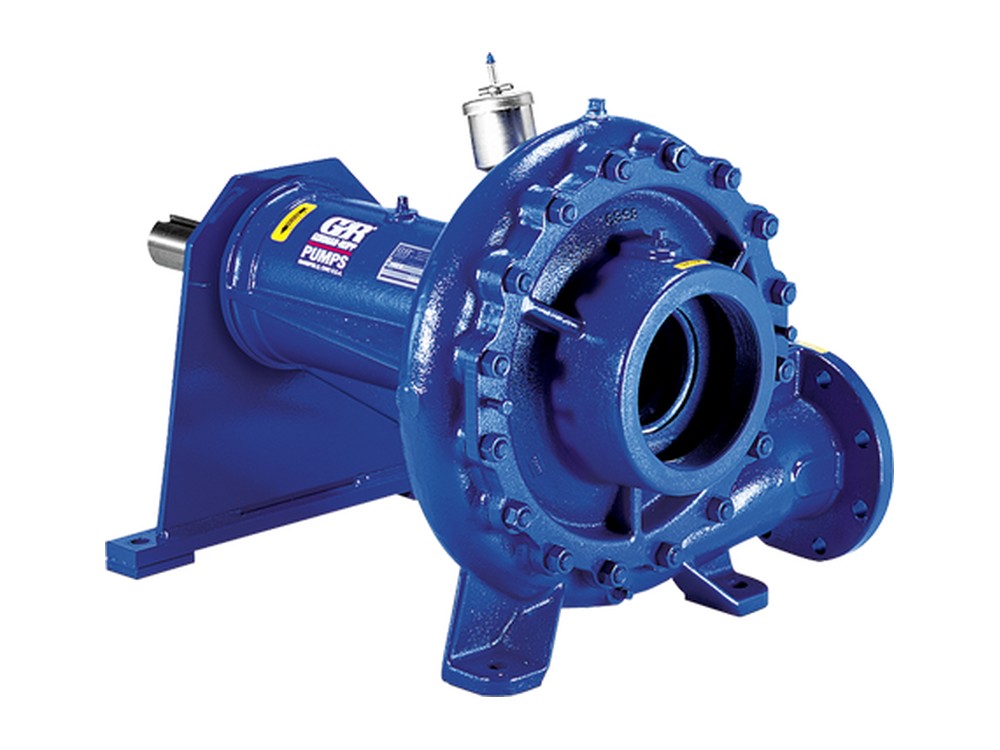 Ly tâm 60 Series1.544 m³/h · 152 m
bản thép đúcView details →
Series Roto-Prime chỉ dùng cho sản phẩm dầu khí, không dùng cho nước. Cụm cánh gạt mồi dựa vào tính bôi trơn của lưu chất gốc dầu để làm việc. Nếu cần bơm nước có hỗ trợ mồi, hãy dùng dòng Prime Aire hoặc ValuPrime.
Thương hiệu Gorman-Rupp Pumps không chào sản phẩm theo API 610; thiết bị được test theo tiêu chuẩn Hydraulic Institute. Trong tập đoàn, bơm trục đứng theo API 610 kiểu VS thuộc công ty con National Pump Company. Dự án yêu cầu API 610 nên trao đổi trước với kỹ sư để chọn đúng dòng.
 Yêu cầu báo giá Gorman-Rupp →Brand: Gorman-Rupp · cung cấp chính hãng bởi Thái Khương Pumps · Hotline 0941.400.488