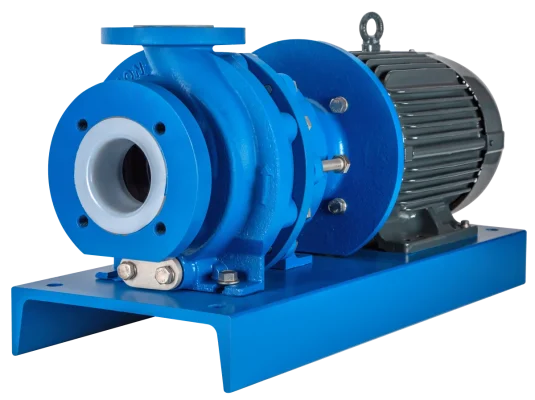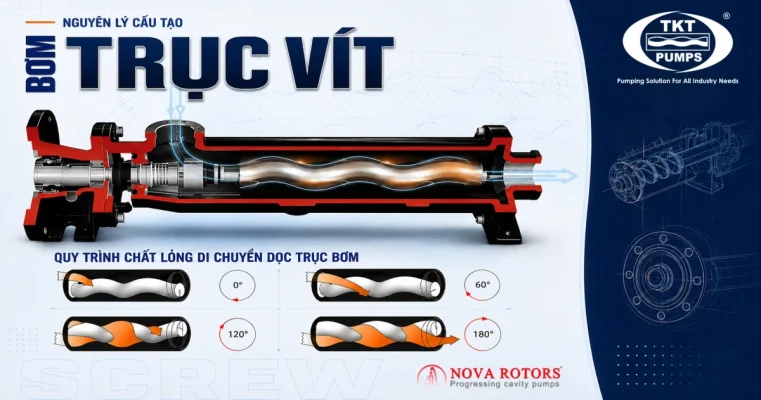
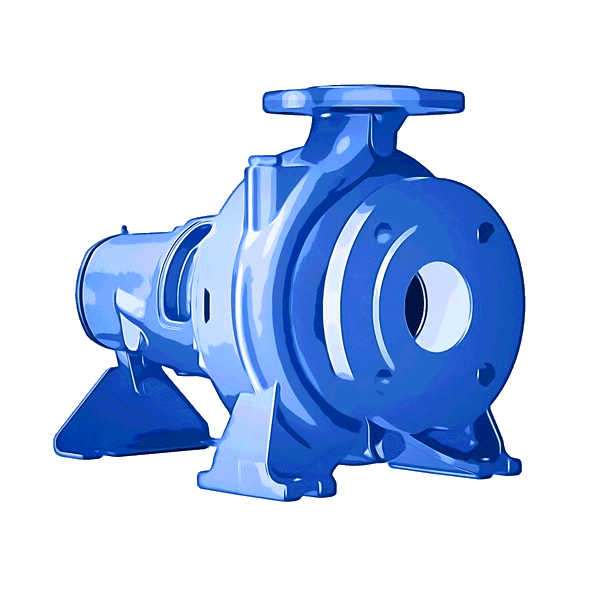
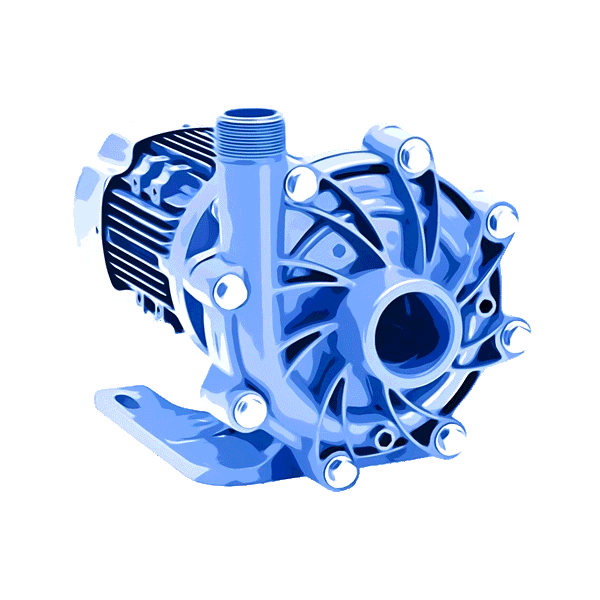
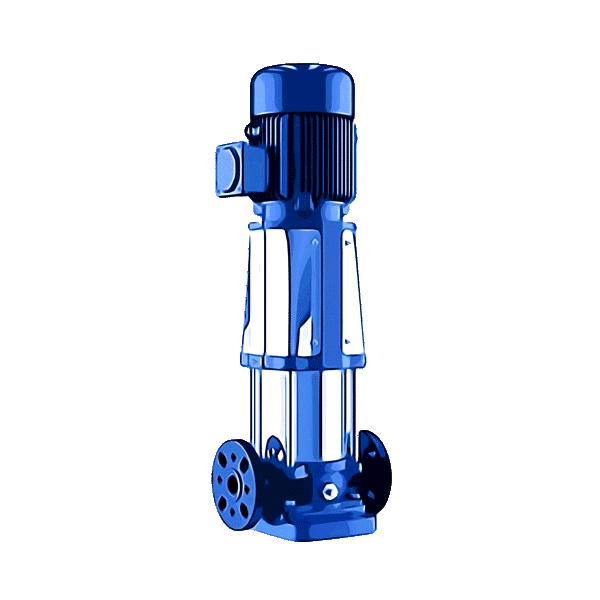


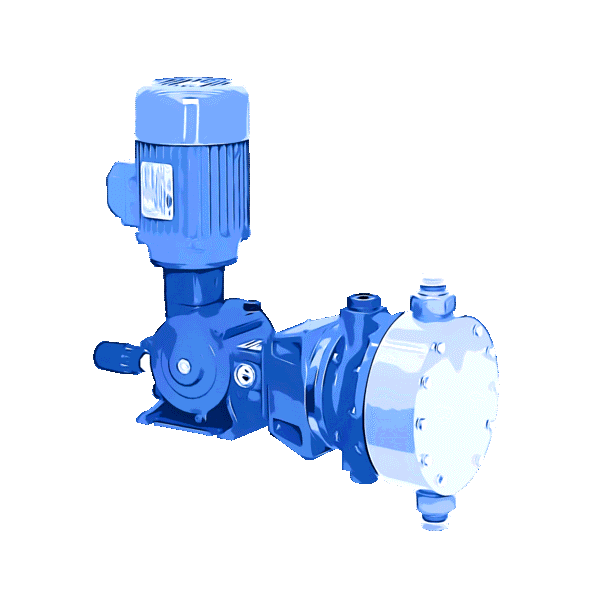


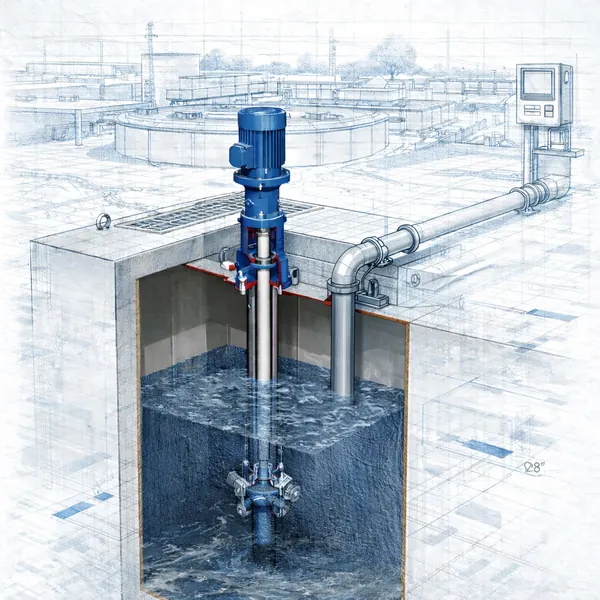
A magnetic drive pump (mag-drive, or “sealless” pump) is a centrifugal pump that transmits power from the motor to the impeller via a magnetic coupling instead of a shaft penetrating the pump casing. Because there is no shaft passing through the pump chamber, no mechanical seal is required — the very component that commonly causes leakage when pumping corrosive, hazardous, or volatile chemicals — thus this leakage path is completely eliminated. This article explains the working principle, compares it to mechanical seal pumps, covers material selection, and identifies when not to use a magnetic drive pump — along with the Finish Thompson (USA) product range distributed by TKT.
A magnetic drive pump is suitable when the core requirement is leak-tight sealing — not when very high flow rates at low capital cost are the priority.
- No sealeliminates leakage path through the dynamic seal
- Run-drytolerates dry running via carbon bearings (FTI design)
- PP / PVDF / ETFEmaterial selected based on chemical
- ISO 1940 G2.5dynamic balance of external rotating assembly
- ATEX optionfor hazardous explosive areas
How Does a Magnetic Drive Pump Work?
Magnetic Coupling in Place of a Shaft Through the Pump Casing
In a conventional centrifugal pump, the motor rotates a shaft that passes through the pump casing to drive the impeller; where the shaft exits the casing, a mechanical seal is required to contain the liquid. This is the point most prone to leakage and failure during operation.
A magnetic drive pump eliminates that shaft entirely. The motor rotates an outer magnet assembly; magnetic force passes through a containment shell / barrier liner to pull the inner magnet assembly — which is attached to the impeller — to rotate with it. The entire liquid-containing portion is a completely static seal enclosure, with no moving parts penetrating to the outside.
- No dynamic seal → no leakage path through the seal.
- Static seal pump chamber → minimizes chemical vapor emissions into the work environment.
- External rotating assembly dynamically balanced to ISO 1940 G2.5 standard → smooth operation, reduced vibration.
Why Does “Sealless” Matter for Corrosive Chemicals?
Comparing Mechanical Seal Pumps and Magnetic Drive Pumps
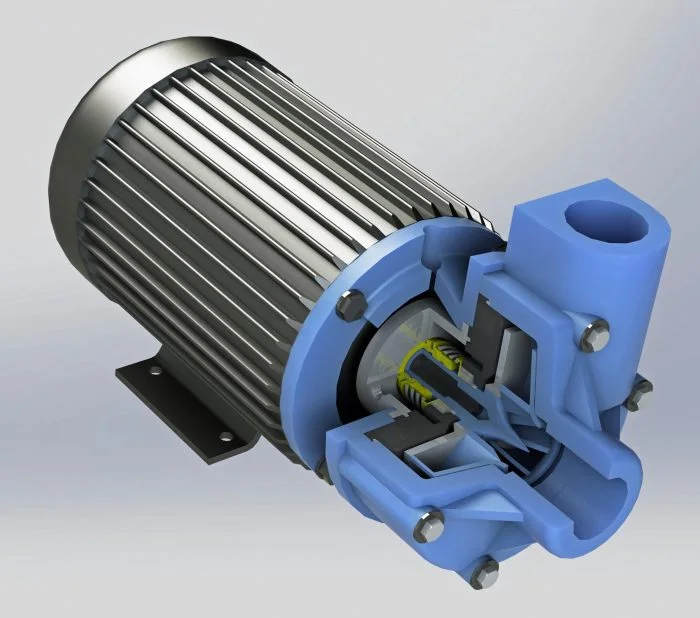
For ordinary liquids, a mechanical seal performs its role well. However, with acids, alkalis, solvents, hazardous or volatile chemicals, the seal is a consumable component and a safety risk — it wears gradually, micro-leaks develop, and eventually failure occurs. The table below compares the two pump types on the same chemical application:
| Criterion | Mechanical Seal Pump | Magnetic Drive Pump (sealless) |
|---|---|---|
| Leakage path through seal | Yes | No |
| Chemical vapor emissions | Increases as seal wears | Static seal pump chamber |
| Periodic seal maintenance | Seal replacement required on schedule | No seal to replace |
| Short-term run-dry tolerance | Limited (seal fails quickly) | Tolerated via carbon bearings* |
| Initial capital cost | Lower | Higher |
| Suitable for | Low-hazard liquids | Corrosive / hazardous / volatile chemicals |
!*Run-dry capability depends on the design of each pump series and bearing type. Always verify manufacturer specifications for the specific model rather than assuming all magnetic drive pumps can run dry indefinitely.
Where Does Run-Dry Capability Come From?
Carbon Bearings and Why They Matter
An inherent weakness of magnetic drive pumps is that the bearings inside the pump chamber are typically lubricated and cooled by the pumped liquid itself. When the tank runs dry or the pump ingests air, the pump enters a run-dry condition — and the bearings can fail rapidly.
Many Finish Thompson pump series use carbon bearings that allow the pump to withstand extended run-dry periods without immediate failure — useful for processes drawing from tanks or drums that may run empty, or when valves are operated incorrectly. This is a practical differentiator when selecting a pump for lines at risk of running dry.
Selecting Material Based on Chemical: PP, PVDF, or ETFE?
Thermoplastic Pumps for Corrosive Fluids
The wetted parts of magnetic drive pumps for chemical applications are typically engineering thermoplastics. Three common materials, in order of increasing chemical resistance:
| Material | Intended Use | Notes |
|---|---|---|
| PP (polypropylene) | Common acids / alkalis, electroplating, water treatment | Lower cost; lower temperature limit |
| PVDF | Strong acids, certain solvents, higher temperature than PP | Broader chemical resistance than PP |
| ETFE | Aggressive chemicals: strong oxidizers, halogens | Used when PP/PVDF resistance is insufficient |
iAccording to Finish Thompson, approximately 70% of chemicals pumped with the UC series do not require a full ETFE construction — selecting the correct material based on actual concentration and temperature optimizes cost while maintaining safety. Always cross-reference the manufacturer’s chemical compatibility chart by specific concentration + operating temperature.
When to Use — and When Not to Use — a Magnetic Drive Pump
Decision Criteria
Consider when:
- Pumping corrosive, hazardous, or volatile chemicals where leak-tight sealing is required.
- Long-term reduction of vapor emissions and periodic seal replacement costs is needed.
- The process line is at risk of running the tank dry (run-dry capability required).
- Hazardous area — select a configuration with ATEX certification.
Consider alternatives when:
- The liquid contains significant solids / abrasives — particles may wear the bearings inside the pump chamber.
- Viscous fluid, very high viscosity, or a tendency to crystallize — separate assessment required (diaphragm pump or positive displacement pump may be preferred).
- Low capital cost is prioritized over leak-tightness, with low-hazard fluids.
Common Industry Applications
Magnetic drive centrifugal pumps are widely used in industries where corrosive chemical streams require sealed transfer:
- Electroplating & anodizing: acid recirculation, plating solutions.
- Wastewater treatment (WWT): dosing and recirculating treatment chemicals.
- Electronics & semiconductor manufacturing: high-purity chemicals, corrosive acids.
- Exhaust gas treatment / fume scrubber towers: recirculating absorption liquid.
- Mining & mineral recovery: leaching solutions, flotation chemicals.
- Pharmaceuticals: sealed transfer of process chemicals.
Finish Thompson (USA) Magnetic Drive Pump Series at TKT
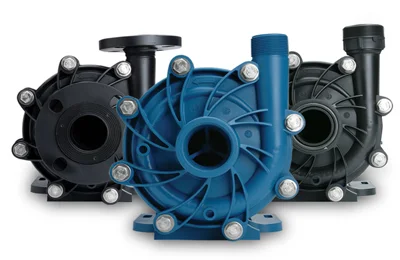
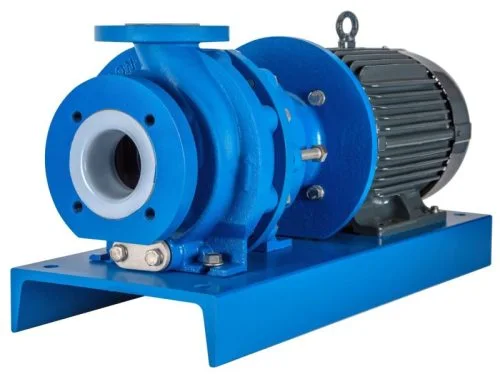
FINISH THOMPSON · USA Sealless pump for corrosive chemicals
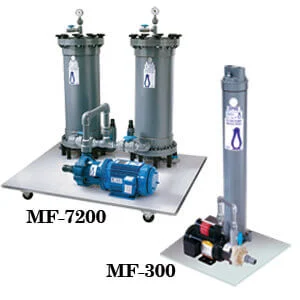
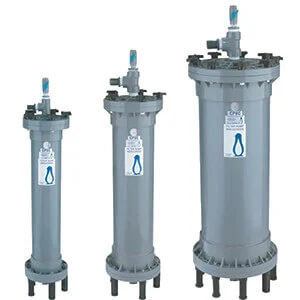
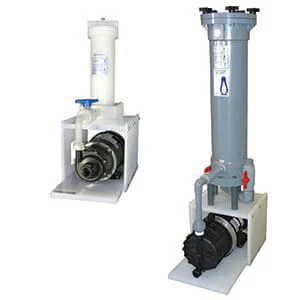
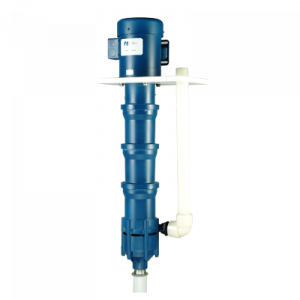
Finish Thompson (FTI) specializes in corrosive chemical transfer pumps, with its sealless magnetic drive centrifugal pump line as a core product. TKT is the FTI distributor in Vietnam, supplying the following series:
Sealless plastic series: DB / MSDB (DB3–DB22) flooded suction, PP or PVDF construction, ISO 1940 G2.5 dynamic balance, optional CE/UKCA and ATEX certification; SP in PVDF for more aggressive chemicals.
ANSI-standard series: UC / UCP — UCP in PP/ETFE construction for the majority of applications; full ETFE version (barrier liner, integrally molded neodymium magnets) for aggressive chemicals such as fume scrubbers, plating, and chemical manufacturing.
View the full catalog: Magnetic drive centrifugal pump · Finish Thompson brand · industrial chemical pump solutions.
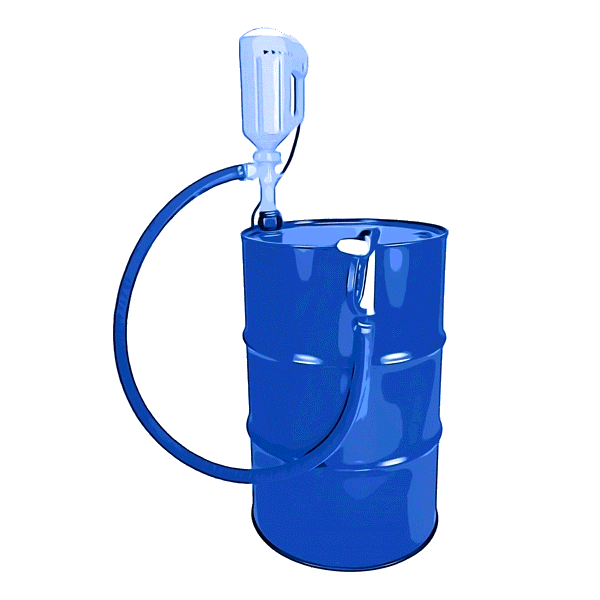
If your application involves transferring chemicals from drums or containers, see also Finish Thompson drum pump for chemicals & solvents.
Frequently Asked Questions
What is a magnetic drive pump?
+
A magnetic drive pump (mag-drive, sealless) is a centrifugal pump that uses a magnetic coupling to transmit power from the motor to the impeller, instead of a shaft passing through the pump casing. As a result, the pump requires no mechanical seal and has no leakage path through a seal — making it suitable for pumping corrosive, hazardous, or volatile chemicals.
How does a magnetic drive pump differ from a mechanical seal pump?
+
A mechanical seal pump has a shaft penetrating the pump chamber and requires a seal to prevent leakage — the seal is a consumable part. A magnetic drive pump has no penetrating shaft and therefore no dynamic seal; the pump chamber is completely statically sealed: fewer chemical vapor emissions, no periodic seal replacement. The trade-off is a higher initial capital cost.
Can a magnetic drive pump run dry (without liquid)?
+
It depends on the design. The bearings inside the pump chamber are typically lubricated by the pumped liquid, so running dry can damage the bearings. Many Finish Thompson series use carbon bearings that tolerate extended run-dry operation. Always check the run-dry specifications of the specific model before allowing the pump to draw a tank empty.
Which material should be selected — PP, PVDF, or ETFE?
+
PP is suitable for common acids/alkalis at lower cost; PVDF offers broader chemical resistance and higher temperature tolerance; ETFE is used for aggressive chemicals (strong oxidizers, halogens). Selection must be based on actual operating concentration and temperature — cross-reference the manufacturer’s chemical compatibility chart.
Can a magnetic drive pump be used in a hazardous (ATEX) environment?
+
Yes. Many magnetic drive pump series offer configuration options that achieve ATEX certification for hazardous explosive areas. The explosion zone must be clearly specified when selecting a configuration so the supplier can recommend the correct version.
When should a magnetic drive pump NOT be used?
+
When the liquid contains significant solids/abrasives (which can wear the bearings), when the fluid is too viscous or prone to crystallization, or when low capital cost is prioritized over leak-tightness with low-hazard fluids. In these cases, alternatives such as an air-operated diaphragm pump or a positive displacement pump should be assessed.
Need to select the right magnetic drive pump for your chemical application? Send your chemical type (name/concentration), temperature, required flow rate, and head — TKT’s engineering team will recommend the appropriate FTI series and material, along with options available in Vietnam.
Submit a Consultation Request or hotline 0941.400.488
Technical sources: Finish Thompson Inc. product documentation (DB/MSDB, UC/UCP series; mag-drive sealless centrifugal chemical pumps). Referenced standards: ISO 1940-1 (dynamic balance), ATEX, CE/UKCA. Article compiled and localized by TKT for the Vietnamese market.