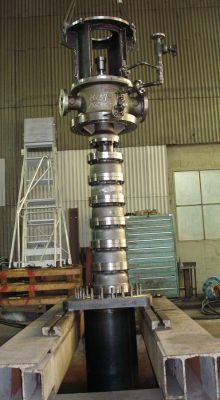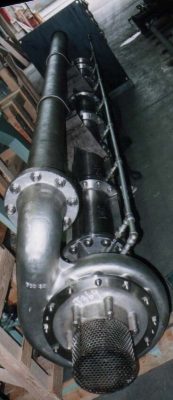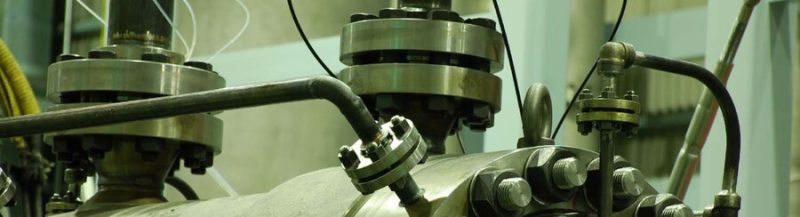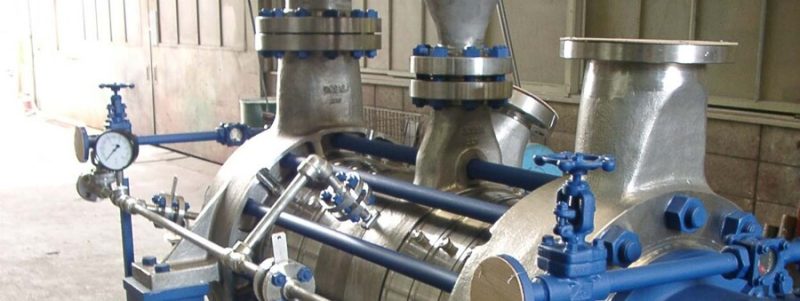
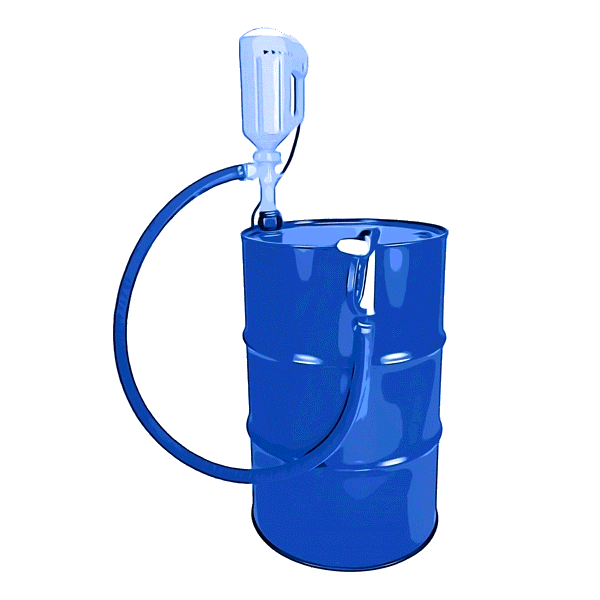
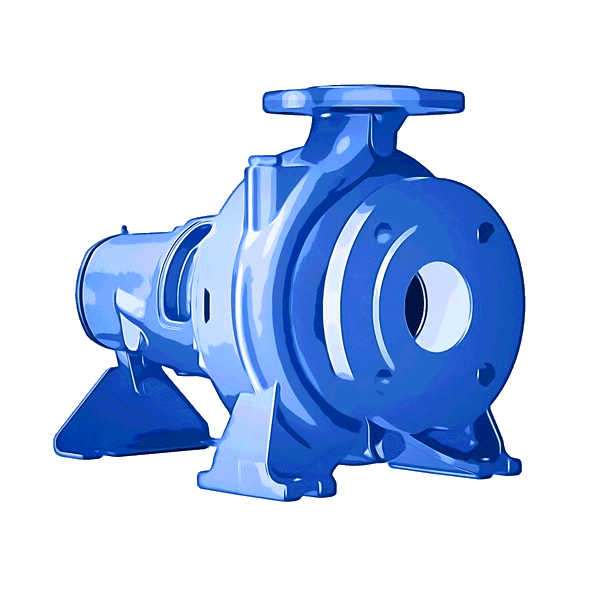
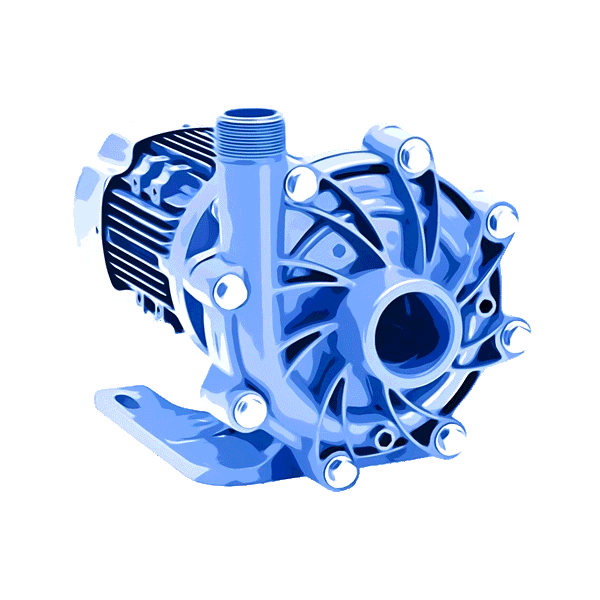
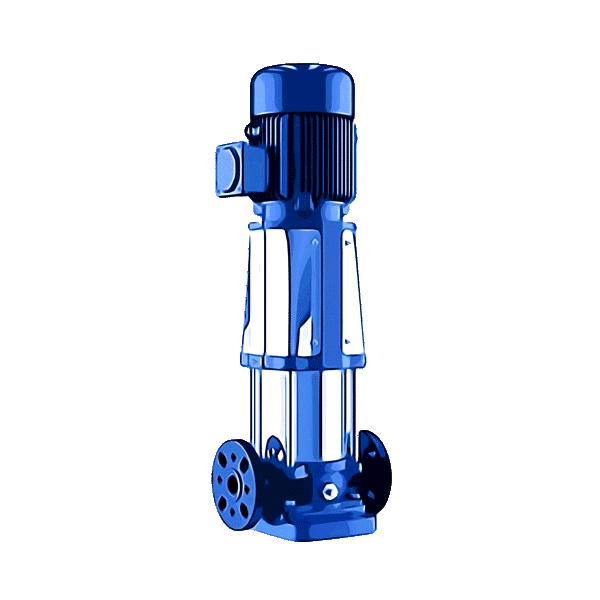
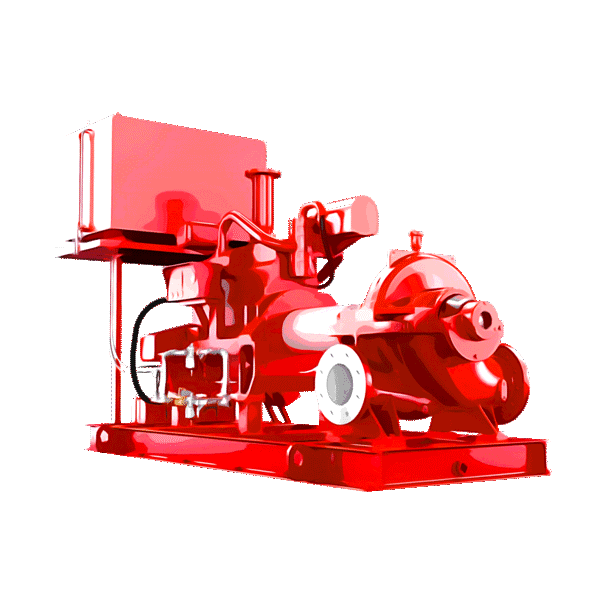


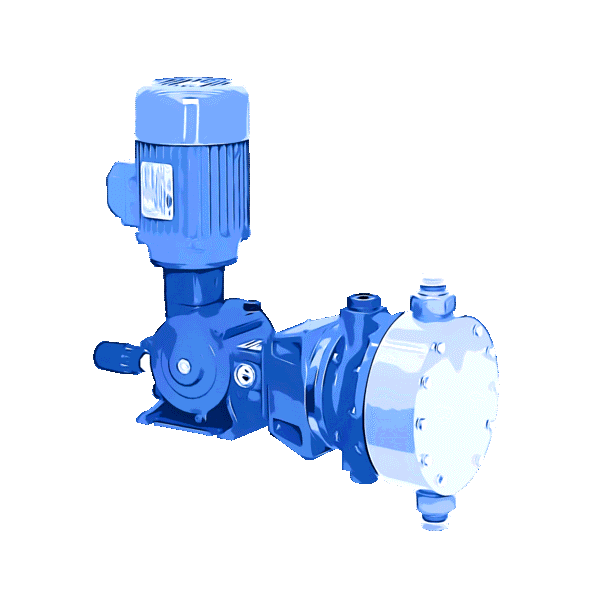


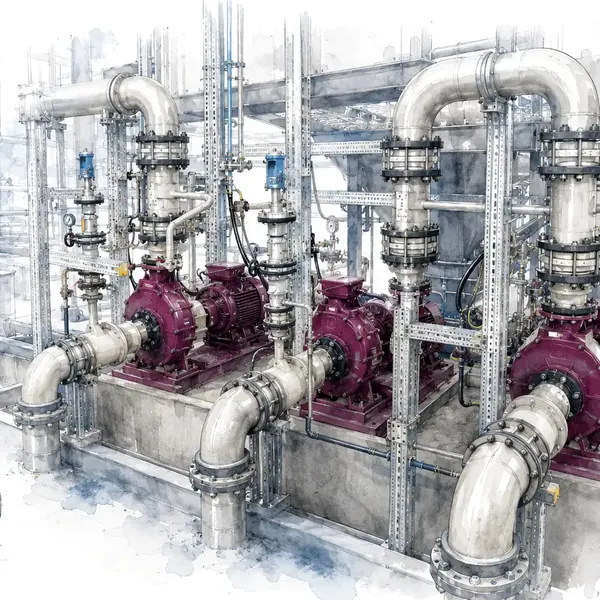
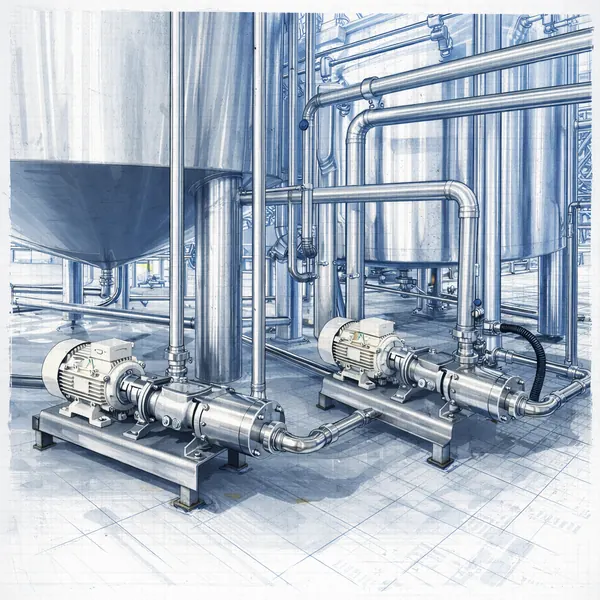
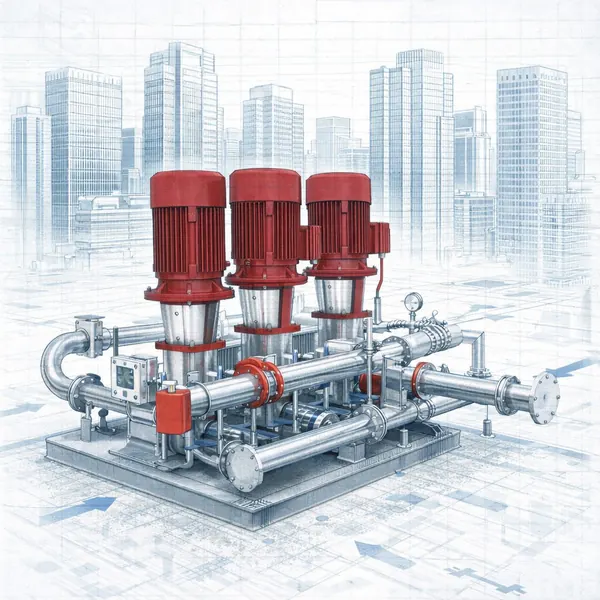
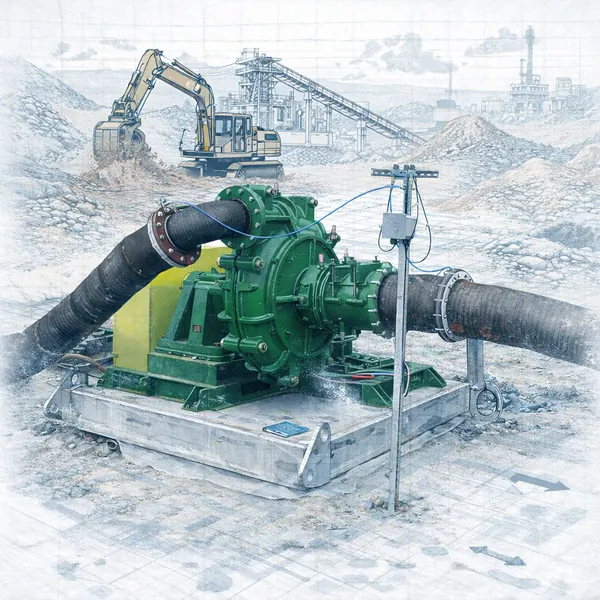
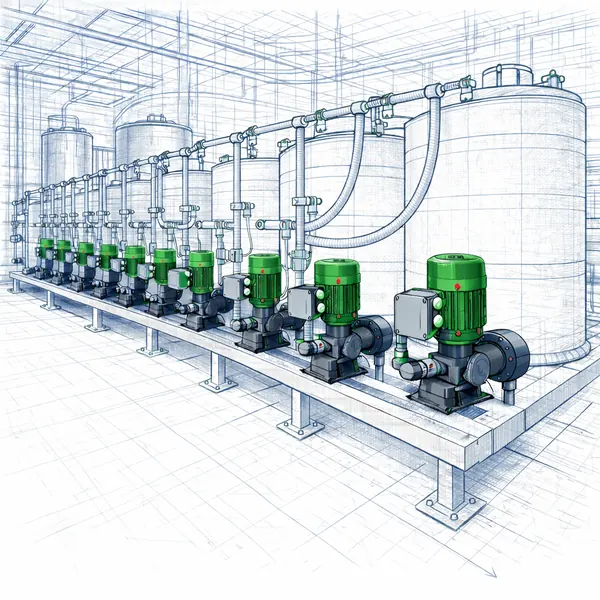
In alcohol and bioethanol production, a process line requires several different pump types: pumping mash and fermentation broth containing suspended solids calls for open impellers; whereas in the rectified alcohol, organic solvent, and finished ethanol stage — flammable and explosive liquids — ISO 2858-compliant process centrifugal pumps with closed impellers, ATEX configuration, and appropriate mechanical seal arrangements become mandatory. Understanding the characteristics of each fluid stream is the first step toward selecting pumps that are durable and safe.
- Mash and fermentation broth with solids → open impeller tolerates suspended particles, low clogging risk.
- Rectified alcohol, ethanol, flammable solvents → high-efficiency closed impeller + ATEX configuration.
- Standards ISO 2858 / EN 733 / ISO 5199, materials: cast iron, AISI 316, Superduplex, 904L.
- Up to 15 mechanical seal configurations for slurry or volatile fluids.
- Salvatore Robuschi (Italy, Gruppo Aturia) offers the RD/RG process range covering multiple process stages.
Fluid characteristics in alcohol and bioethanol production
Each process stage presents its own pumping challenge
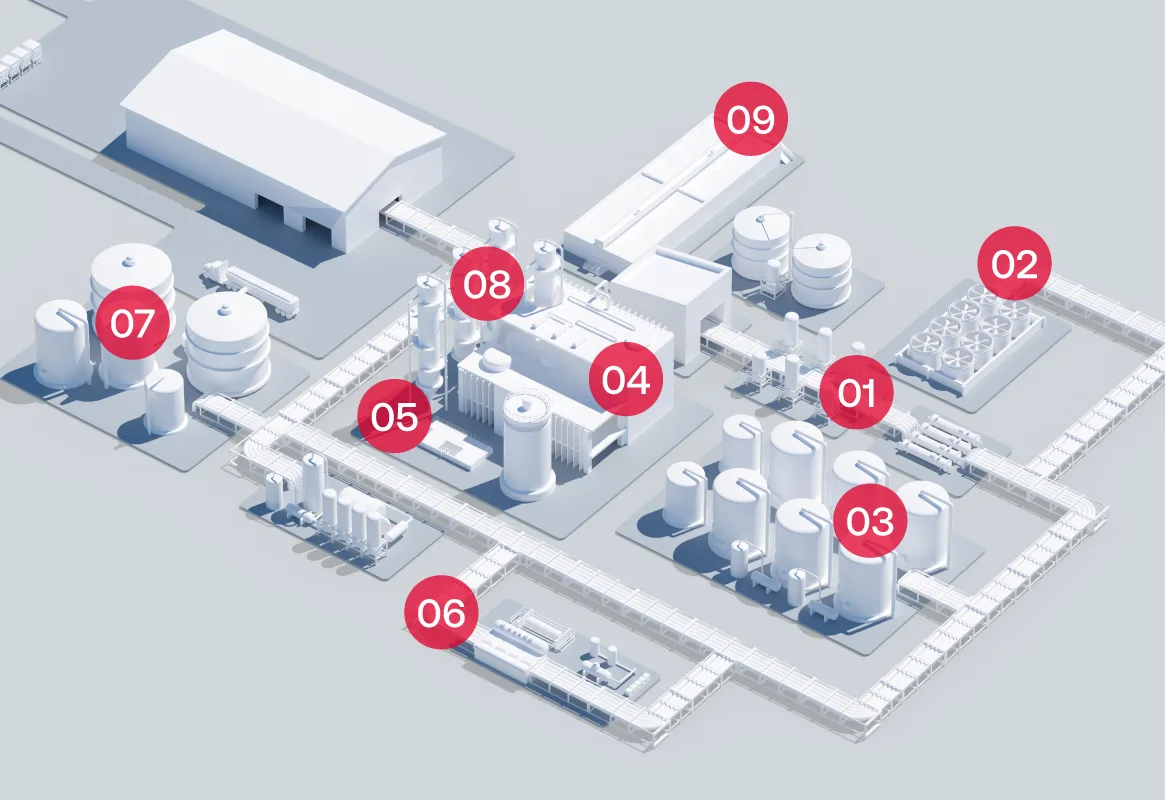
A bioethanol process line passes through multiple stages: milling and blending raw materials with water, cooling, fermentation, distillation, concentration and dehydration, storage, and product transfer. Each stage handles a fluid with different properties, so no single pump type fits the entire line.
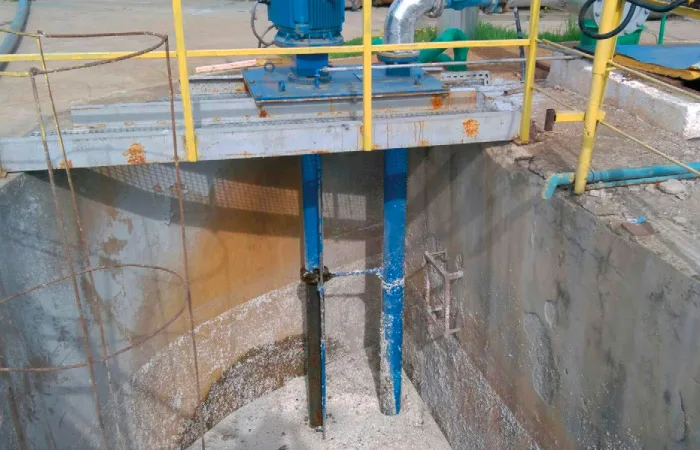
At the inlet, grain/sugarcane mash and slurry typically contain suspended solids, are viscous, and are prone to causing abrasion. Fermentation broth contains yeast and biomass, requiring gentle circulation. Moving into distillation and concentration, vinasse is thick and is often handled under vacuum conditions. Finally, rectified alcohol and finished ethanol are clean but flammable liquids that require strict leak control.
| Process Stage | Fluid Characteristics | Technical Priority |
|---|---|---|
| Milling, blending | Slurry with suspended solids, viscous | Open impeller, wide free passage, anti-clogging |
| Fermentation | Yeast, biomass, biological broth | Gentle circulation, good hygiene |
| Distillation, concentration | Thick vinasse, typically under vacuum | Heat-resistant, gas-tight |
| Rectified alcohol, ethanol | Clean solvent, flammable | High-efficiency closed impeller + ATEX |
Open or closed impeller: selecting by suspended solids or by efficiency
Impeller selection principles
The closed impeller delivers high hydraulic efficiency and suits clean liquids such as rectified alcohol, ethanol, and process water. By contrast, the open impeller has an open passage that allows suspended solids to pass through with minimal clogging, making it appropriate for mash and fermentation broth. When solid and fiber content is higher, the recessed (vortex) impeller directs most of the flow outside the impeller, reducing contact and providing strong anti-clogging performance.
Because an alcohol process line spans from dirty to clean fluids, operators typically combine multiple impeller configurations within the same process pump family, both to standardize spare parts and to optimize performance at each duty point.
| Impeller type | Suitable for | Position in alcohol process line |
|---|---|---|
| Closed impeller | Clean fluid, high efficiency | Rectified alcohol, ethanol, process water |
| Open impeller | Suspended solids | Mash, fermentation broth |
| Vortex/recessed impeller | High solids, fibrous content | Vinasse, process wastewater |
ATEX and safety for alcohol, ethanol, and flammable solvents
When the fluid can create an explosive atmosphere
Ethanol and many organic solvents in an alcohol process line have low flash points and are highly volatile, creating a risk of flammable gas mixtures forming around pumps and storage tanks. In such environments, pumps are typically required in ATEX configuration to control heat sources and sparks, accompanied by materials and mechanical seal arrangements selected to suit the fluid.
The mechanical seal arrangement is a key consideration: for slurry fluids, the seal must withstand abrasion; for volatile solvents, the seal arrangement must tightly control leakage and vapor emission, sometimes requiring a double seal with barrier fluid. Wetted-part materials are also selected according to the corrosivity of each fluid stream, ranging from cast iron for neutral fluids to stainless steel for more demanding applications.
Coupling and maintenance access
Monobloc or back-pull-out
For compact pump assemblies, the monobloc close-coupled design saves space and simplifies installation. For main process pumps on fixed pipework, the back-pull-out design (withdrawing the rotating assembly from the rear for maintenance) allows the impeller and seal to be removed without disconnecting the pump casing from the pipework — a clear advantage when an alcohol line runs continuously and every pipeline shutdown is costly.
| Design | Characteristics | Suitable for |
|---|---|---|
| Close-coupled (monobloc) | Compact, fast installation | Auxiliary pump assemblies, moderate flow rate |
| Long-coupled (back-pull-out) | Remove rotating assembly from rear, no pipework disconnection | Main process pumps running continuously |
SALVATORE ROBUSCHI · ITALY
Salvatore Robuschi (Italy, part of Gruppo Aturia) is a centrifugal pump manufacturer whose product range covers the majority of process stages in alcohol and bioethanol lines. The closed-impeller process range RD (to ISO 2858) is suited to rectified alcohol and ethanol applications requiring high hydraulic efficiency, while the open-impeller process range RG (to ISO 2858) is designed to handle suspended solids in mash and fermentation broth. Both ranges are available in ATEX configuration for flammable solvent areas.
The Salvatore Robuschi process pump group operates up to 16 bar and 220°C, with material options including cast iron, AISI 316, Superduplex, and 904L, along with up to 15 mechanical seal configurations and compliance with ISO 2858 / EN 733 / ISO 5199. This diverse range enables standardization of spare parts and a single supplier across multiple duty points on the same process line.
Frequently Asked Questions
Is ATEX certification mandatory for bioethanol pumps?
+
Not every location requires ATEX, but in areas where ethanol, rectified alcohol, and volatile organic solvents are present, the environment can form flammable gas mixtures. In those zones, ATEX configuration is typically required to control heat sources and sparks. Explosive atmosphere zoning should be based on an assessment by the plant design team.
Should fermentation broth with suspended solids use an open or closed impeller pump?
+
Fermentation broth containing yeast, biomass, and suspended particles is generally better suited to an open impeller, as the open passage allows solids to pass through with low clogging risk. Closed impellers deliver higher efficiency but are appropriate for clean liquids such as rectified alcohol and process water.
Which pump line should be chosen for rectified alcohol and finished ethanol?
+
Rectified alcohol and ethanol are clean, low-solids liquids, so a closed-impeller process centrifugal pump is preferred to achieve high hydraulic efficiency. As these are flammable solvents, this pump line is typically supplied with ATEX configuration and an appropriate leak-control mechanical seal arrangement.
What wetted-part materials are appropriate for an alcohol process line?
+
Depending on the corrosivity of each fluid stream, materials range from cast iron for neutral fluids to AISI 316 for higher corrosion resistance requirements, and Superduplex or 904L for severe conditions. The final selection should be based on the actual chemical composition and temperature of the fluid.
Why is the back-pull-out design preferable for main process pumps?
+
The back-pull-out design allows the impeller and seal arrangement to be removed from the rear without disconnecting the pump casing from the pipework. On a continuously running alcohol process line, this shortens maintenance time and reduces the impact on the pipe system.
Does an alcohol process line require multiple different pump types?
+
Typically yes. Because the fluid changes from a solids-containing slurry at the inlet to a clean solvent at the product end, operators commonly combine multiple impeller configurations and material options. Selecting the same process pump family standardizes spare parts even when each duty point has a different configuration.
Need advice on selecting centrifugal pumps for an alcohol or bioethanol production line to match your fluid characteristics and safety requirements?
Submit a consultation request or hotline 0941.400.488
Source: Salvatore Robuschi (Gruppo Aturia, Italy) documentation on bioethanol applications and the process centrifugal pump range; compiled by TKT.