



Selecting sanitary valves for F&B and pharmaceutical applications requires following four axes: function (shut-off, diversion, mixproof, control, or sampling), DN size based on pipeline flow rate, gasket material compatible with the fluid and CIP/SIP process, along with hygienic certifications EHEDG/3-A/FDA. Starting from process requirements rather than model numbers helps you choose the right 316L stainless steel valve — dead-end free, self-draining, and cleanable in place — the mandatory conditions in food processing and pharmaceutical manufacturing.
- Select by function: shut-off (butterfly valve DPX / ball valve DBX), safe flow separation (mixproof VEOX), flow rate control (DCX3), aseptic sampling (PEX).
- Select by size: DN8–150 range covers most processing pipelines; ball valve rated up to 20 bar, mixproof up to 13 bar.
- Select gasket by fluid and CIP temperature: EPDM for water/alkaline CIP, FKM for oils and fats, PTFE for chemicals and steam.
- Require certification EHEDG / 3-A; AISI 316L stainless steel body, smooth surface, self-draining, no fluid pooling.
- Automate with Sorio control head (AS-i/IO-Link) for position feedback and CIP coordination.
Step 1: Select by Valve Function
Each Position on the Line Requires a Different Valve Type
The process function determines the valve family first. A fluid supply pipeline that only needs open/close is entirely different from an intersection between a CIP stream and a product stream. The table below summarizes how to match functions to Definox sanitary valve families.
| Process Requirement | Suitable Valve Type | Definox Series |
|---|---|---|
| Fast open/close, compact, low cost | Sanitary butterfly valve | DPX, DPX3 |
| Better sealing, higher pressure rating, viscous or particle-laden fluid | Sanitary ball valve | DBX |
| Flow diversion between multiple pipelines | Diverter valve | DCX3, DCX4, DMX, CAR |
| Separate CIP stream and product stream simultaneously | Mixproof valve | VEOX, NEOS, VDCI MC |
| Maintain stable flow rate/pressure | Control valve | DCX3 control (4-20mA positioner) |
| QC sampling without cross-contamination | Aseptic sampling valve | PEX, PEAX, PEV, DMX-PE |
For mixproof valves, the core principle is two independent valve plugs separated by a safety leakage chamber in between: when CIP is required on one line while the other is still running, any leaking fluid escapes into the middle chamber rather than mixing into the product. This is the key differentiator compared to standard shut-off valves when designing F&B and pharmaceutical plants.
Step 2: Select DN Size and Working Pressure
Match Valve Size to Pipeline and Pressure Conditions
Valve size should match the nominal pipe diameter at the installation point to avoid pressure drop and fluid pooling. The Definox sanitary valve range spans DN8 to DN150, covering most processing pipelines from small branch lines to main headers. For pressure, the system’s maximum working pressure must be cross-checked against each valve family’s limit.
| Valve Family | Size Range | Reference Pressure | Connection |
|---|---|---|---|
| Butterfly Valve DPX/DPX3 | DN8–150 | Per product line | Clamp / weld / threaded |
| Ball Valve DBX | DN8–150 | Up to 20 bar | Clamp / weld / threaded |
| Mixproof VEOX/NEOS | DN25–150 | Up to 13 bar | Clamp / weld |
Operation can be manual or pneumatic; pneumatic versions are fitted with a Sorio head for position feedback. For viscous fluids, those containing solid particles, or where high sealing integrity at elevated pressure is required, the DBX ball valve warrants consideration over a butterfly valve.
Step 3: Select Gasket by Fluid and CIP Process
Gasket Material Determines Service Life and Safety
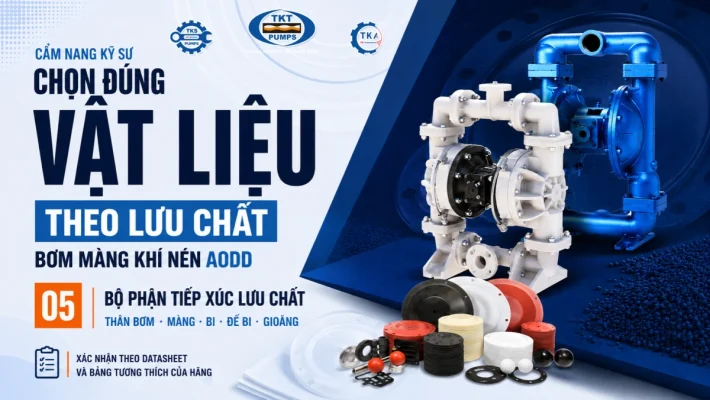
The gasket is the component in direct contact with the fluid and must withstand CIP chemicals and SIP heat, so an incorrect choice leads to leakage, swelling, or contamination. Definox offers three families of food-contact gasket materials; select based on fluid characteristics and cleaning cycle.
| Gasket | Suitable When | Notes |
|---|---|---|
| EPDM | Water, aqueous fluids, alkaline CIP, mild steam | Not suitable for oils, fats, or petroleum-based solvents |
| FKM (Viton) | Oils, fats, fatty fluids, certain chemicals | Less resistant to prolonged hot steam/alkali |
| PTFE | Strong chemicals, solvents, high temperature, SIP | Harder material, suitable for demanding applications |
For mixproof valves, the valve plug typically uses engineering materials PEEK or PFA to withstand abrasion and repeated sealing over many cycles. When specifying requirements, clearly state the fluid type, operating temperature, and CIP chemical to select the correct gasket–plug combination.
Step 4: Verify Certifications and Hygienic Design
EHEDG, 3-A, and Hygienic Design Criteria
Sanitary valves differ from standard industrial valves in that their design must eliminate all fluid retention zones and allow in-place cleaning. When selecting valves for F&B and pharma, require the following criteria:
| Criterion | Requirement | Why It Matters |
|---|---|---|
| Body material | Inox AISI 316L | Corrosion-resistant, food-contact compliant |
| Flow design | Dead-end free, self-draining | Prevents microbial buildup, easy to clean |
| Cleanability | CIP / SIP | In-place sanitation without disassembling the valve |
| Certification | EHEDG, 3-A (FDA for gaskets) | Evidence of hygienic compliance |
Definox valve series achieve EHEDG and 3-A certification per product line. In pharmaceutical plants or areas with explosion risk, the Sorio control head with IP67 protection rating and ATEX option is a point to note when compiling the equipment list.
DEFINOX · FRANCE Integrated Sanitary Valve Solutions for F&B and Pharma
Definox (France) is a manufacturer of sanitary valves for the food, beverage, and pharmaceutical sectors, with AISI 316L stainless steel bodies and EHEDG/3-A certification per product line. The catalog covers five functional groups: shut-off and diversion (butterfly DPX/DPX3, ball DBX, DCX3/DCX4/DMX/CAR), mixproof (VEOX with two independent valve plugs and a safety leakage chamber, NEOS, VDCI MC PMO version, VEOX FC tank-bottom), control and protection (DCX3 control, pressure relief/safety valve, AVX1 air-dosing vent), automation (Sorio control head, Starmotion pigging system, tank-top module), and aseptic sampling (PEX/PEAX, PEV, DMX-PE).
TKT Pumps is the Definox distributor in Vietnam, providing support for valve configuration selection based on actual process requirements and integration with existing CIP/SIP systems. With 19+ years of experience, 12,000+ projects, and a technical team providing 24/7 support, TKT accompanies customers from valve type, gasket, and size selection through to installation and spare parts.
Frequently Asked Questions
How Do Sanitary Valves Differ from Standard Industrial Valves?
+
Sanitary valves use AISI 316L stainless steel bodies, dead-end-free and self-draining design, food-contact gaskets, in-place cleaning via CIP/SIP, and EHEDG/3-A/FDA certification. Standard industrial valves typically do not meet these hygienic requirements and therefore should not be used on F&B or pharmaceutical lines.
When Should a Ball Valve Be Chosen Over a Butterfly Valve?
+
The DPX butterfly valve is compact, lightweight, and low-cost, suitable for fast shut-off with thin fluids. The DBX ball valve offers tighter sealing, higher pressure rating (up to 20 bar), and handles viscous or particle-laden fluids well. Where the system requires high sealing integrity at elevated pressure or with difficult fluids, the ball valve warrants consideration.
How Does a Mixproof Valve Work to Prevent Cross-Flow?
+
Mixproof valves such as the VEOX feature two independent valve plugs and a safety leakage chamber in between. This allows CIP on one pipeline while the other continues running product — any leakage drains to the middle chamber rather than entering the product stream. This is a common food safety requirement in plants with multiple concurrent process lines.
By What Criteria Should EPDM, FKM, or PTFE Gaskets Be Selected?
+
Select based on fluid characteristics and CIP/SIP chemicals. EPDM suits water, aqueous fluids, and alkaline CIP. FKM (Viton) suits oils, fats, and fatty fluids. PTFE is resistant to strong chemicals, solvents, and high temperature. Clearly specify the fluid type, temperature, and cleaning agent to select the correct gasket material.
What DN Size Is Appropriate for an F&B Processing Line?
+
Valve size should match the pipe diameter at the installation point to avoid pressure drop and fluid pooling. The Definox sanitary valve range from DN8 to DN150 covers most processing pipelines, from small branch lines to main headers. Specific size selection is based on the flow rate and piping layout of each project.
What Certifications Do Sanitary Valves Need for Pharmaceutical Use?
+
For F&B and pharmaceutical applications, require valves with EHEDG and 3-A certification, FDA-compliant gaskets, and AISI 316L stainless steel body with self-draining design and CIP/SIP cleanability. Definox series achieve EHEDG/3-A per product line; for pharmaceutical areas or explosion risk zones, the control head’s IP67 rating and ATEX option are additional points to verify.
Need guidance on selecting the right sanitary valve type, gasket, and DN size for your F&B or pharmaceutical line? The TKT Pumps technical team will analyze your process and recommend the appropriate Definox configuration.
Submit a Consultation Request or hotline 0941.400.488
Source: Definox (France) technical documentation on sanitary valves for F&B and pharmaceutical applications; compiled by TKT.