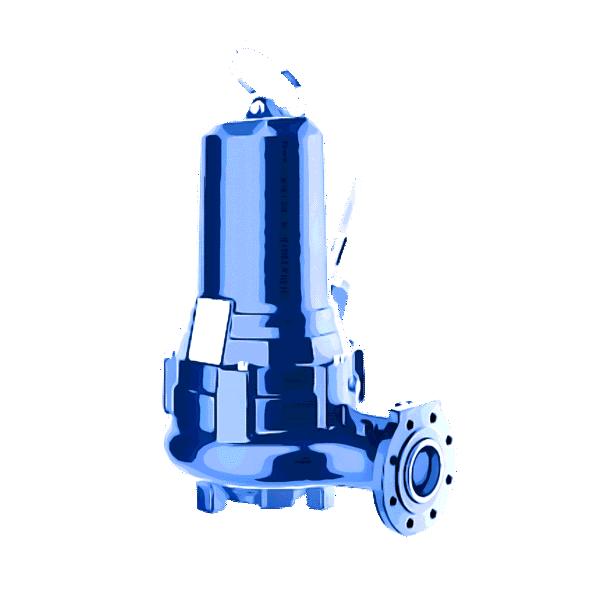
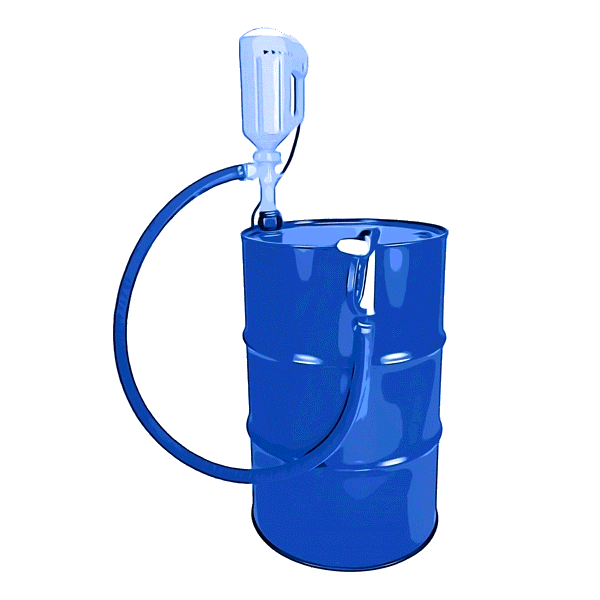
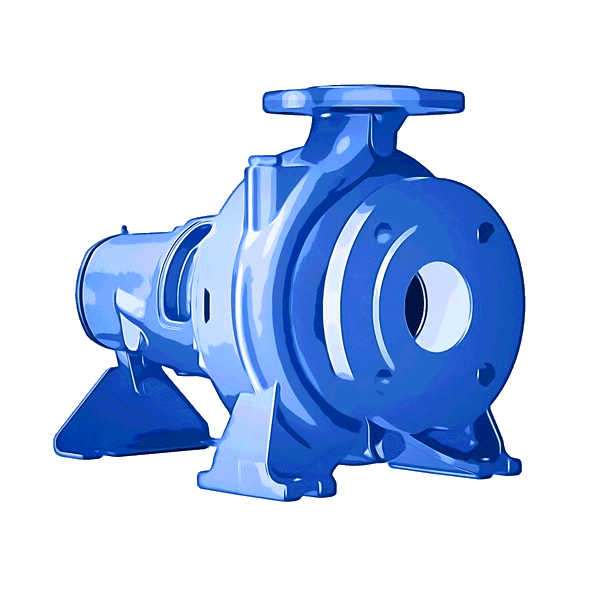
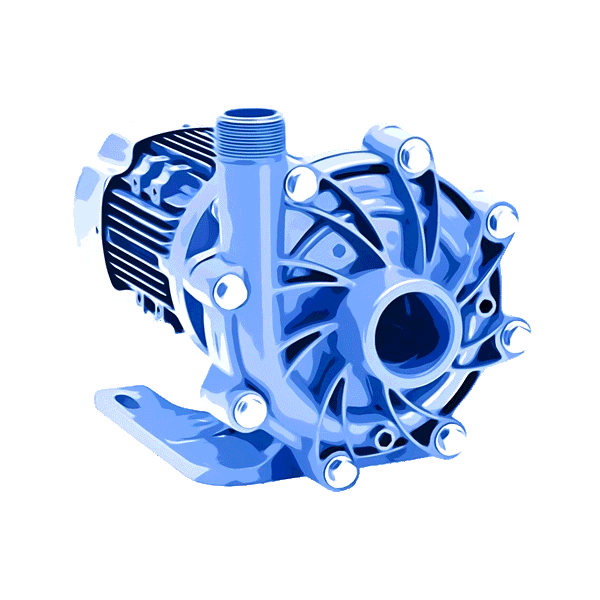




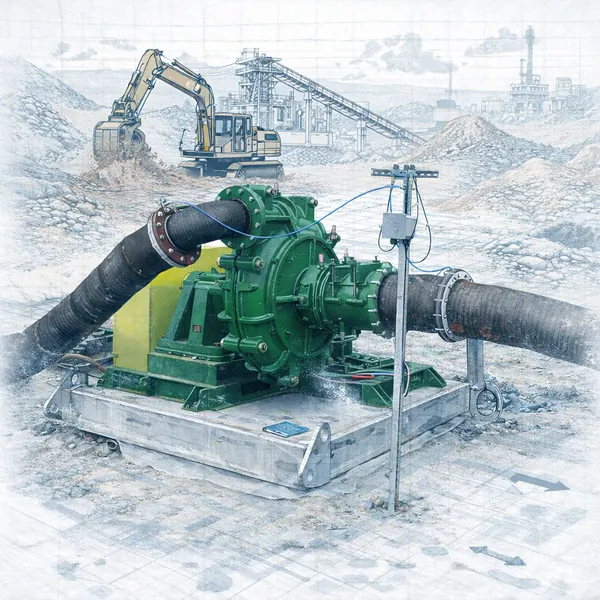
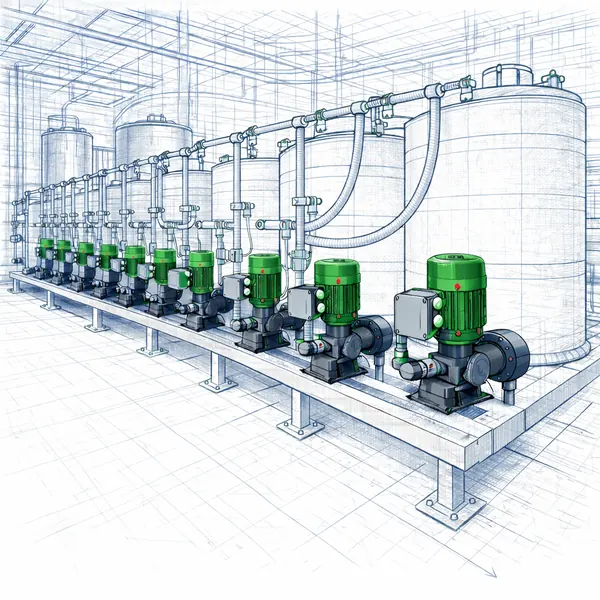
Selecting centrifugal pump material for corrosive chemicals is based on four common grades: cast iron for neutral, low-corrosion fluids; AISI 316 stainless steel for most dilute acids/bases and low-chloride environments; Superduplex when chloride content is high and resistance to pitting/stress corrosion cracking is required; and 904L for strongly reducing acids such as sulfuric acid in difficult concentration ranges. The final decision must consider the type of chemical, concentration, temperature, chloride content, and mechanical seal configuration simultaneously — not just selecting by steel grade name.
- Cast iron: neutral fluids, low corrosion, low cost
- AISI 316: dilute acids/bases, low to moderate chloride
- Superduplex: high chloride, resistant to pitting and stress corrosion cracking
- 904L: sulfuric acid and strongly reducing environments
- Mechanical seal system and ISO 2858/EN 733/ISO 5199 standards determine real-world durability
Why Material Selection Determines Chemical Pump Service Life
Corrosion is a system-level problem, not just a matter of selecting steel
In corrosive environments, components in direct contact with the fluid — pump casing, impeller, shaft, and seal faces — are simultaneously subjected to chemical attack, temperature, and flow forces. A material adequate for dilute acid at room temperature may degrade rapidly when concentration or temperature increases. Therefore, centrifugal pump material selection must start from specific fluid data: chemical name, percentage concentration, operating temperature, chloride content, and the presence of suspended solid particles.
Three common failure mechanisms include: uniform corrosion (gradual metal thickness reduction), pitting and crevice corrosion (strongly linked to chloride), and stress corrosion cracking (SCC — occurring when tensile stress, chloride, and elevated temperature combine). Each mechanism requires an appropriate alloy grade, so material upgrades should target the dominant corrosion mechanism rather than simply selecting a more expensive steel grade.
Four Common Material Grades and Their Application Ranges
From cast iron to 904L: comparison by environment
The table below provides a qualitative comparison of four material grades commonly encountered in chemical centrifugal pumps. This is a starting reference; for each specific chemical and concentration, a compatibility chart must still be consulted and confirmed against actual system conditions.
| Material | Suitable Environment | Key Considerations |
|---|---|---|
| Cast Iron | Industrial water, neutral fluids, mildly corrosive chemicals | Low cost; not suitable for strong acids/bases or high chloride |
| AISI 316 (stainless steel) | Dilute acids and bases, salt solutions, low to moderate chloride | Good resistance to uniform corrosion; limited when chloride and temperature are high |
| Superduplex | High chloride, seawater/brackish water, pitting-prone environments | Higher pitting and stress corrosion cracking resistance than 316; robust mechanical properties |
| 904L | Sulfuric acid and strongly reducing environments at difficult concentration ranges | High Mo/Ni content; select according to acid compatibility charts |
General principle: move from cast iron to stainless 316 when corrosion becomes evident; switch to Superduplex when chloride and pitting risk are the dominant factors; and consider 904L for strongly reducing acids where 316 is insufficient. Upgrades should follow the active corrosion mechanism to avoid over- or under-specification.
Mechanical Seal System: The Often-Overlooked Link
Correct pump casing material but wrong seal will still leak
In chemical pumps, the mechanical seal face is the dynamic contact point between the rotating shaft and the pump chamber, and also a potential leak point. The pump casing material may be correctly selected, but if the seal faces, springs, O-rings, and barrier/flush fluid are not chemically compatible, the system will still degrade rapidly. Therefore, the seal system configuration must be designed in coordination with the wetted-end material.
Depending on the degree of corrosion, toxicity, or crystallization risk of the fluid, the seal system may be a single seal, a double seal with barrier/buffer fluid, or augmented with a flushing arrangement. Flexibility across multiple seal configurations allows handling of difficult situations such as scaling fluids, fluids containing abrasive particles, or low-emission requirements — without switching to a different pump series.
ISO Standards and Technical Criteria to Reference
What ISO 2858, EN 733, and ISO 5199 Specify
Industrial centrifugal pumps commonly reference standards covering installation dimensions and technical requirements. ISO 2858 specifies dimensions and duty points for centrifugal pumps used in chemical service, facilitating interchangeability and integration. EN 733 applies to water supply/general-purpose pumps. ISO 5199 sets technical requirements for industrial centrifugal pumps (construction, reliability, and coupling). Compliance with these standards enables standardized replacement and maintenance.
| Criterion | Significance When Selecting a Chemical Pump |
|---|---|
| Chemical type and concentration | Basis for consulting wetted-end material compatibility charts |
| Operating temperature | Affects corrosion rate and seal system selection |
| Chloride content | Decisive factor when considering 316 versus Superduplex |
| Suspended solid particles | Determines impeller type selection (closed, open, vortex/channel) |
| Back-pull-out connection | Allows hydraulic end maintenance without disturbing pipework |
Impeller Type According to Fluid Characteristics
Correct material paired with correct hydraulic design
Material selection is only half the equation; the other half is the impeller type suited to the fluid characteristics. For clean fluids requiring high efficiency, a closed impeller is a reasonable choice. When the fluid contains minor solids or crystals, an open impeller is easier to manage. For fluids with high solid or fiber content, a vortex/recessed impeller reduces clogging risk, while a channel/multi-vane impeller suits high flow rates with particles. Matching the correct material with the correct impeller type extends pump service life in combined corrosive and abrasive environments.
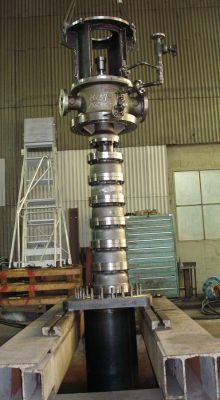
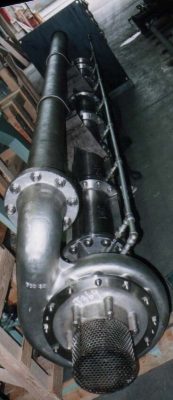
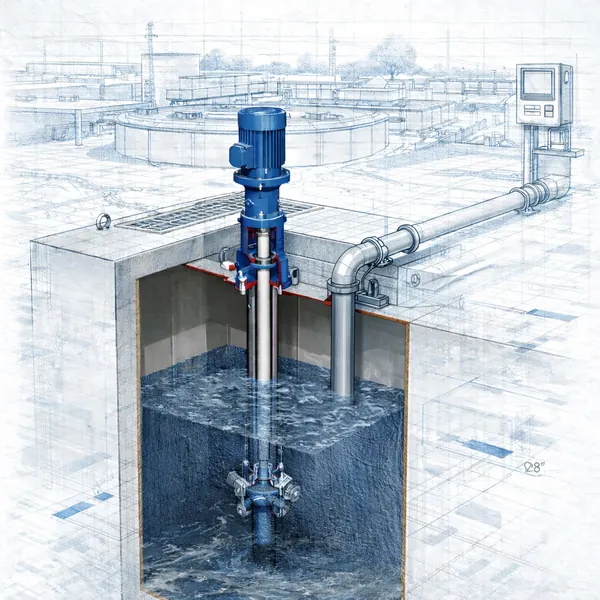
For specialized applications such as sump suction, crystallizing fluids, or intermittent dry-running, vertical cantilever-type constructions (with no bearing submerged in the fluid) are worth considering, as they eliminate the weakness of seals/bearings in continuous contact with corrosive fluids.
SALVATORE ROBUSCHI · ITALY Centrifugal Pumps for Corrosive Environments
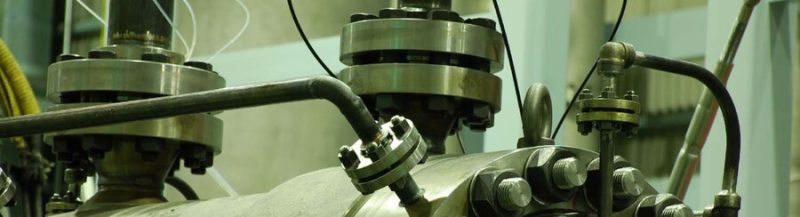
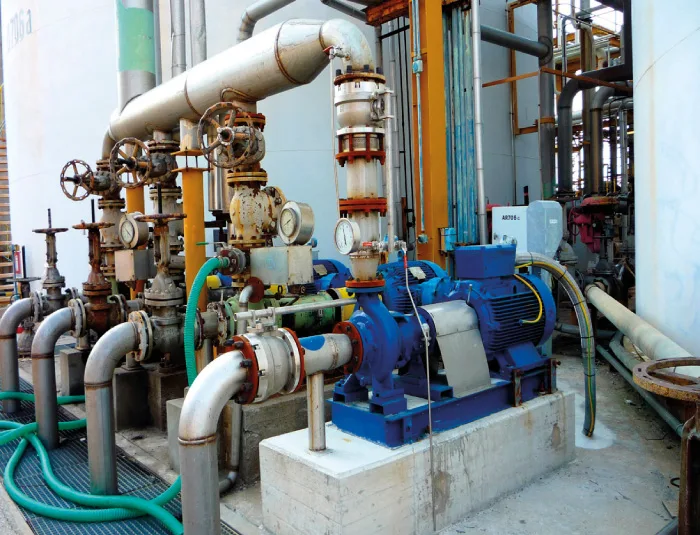
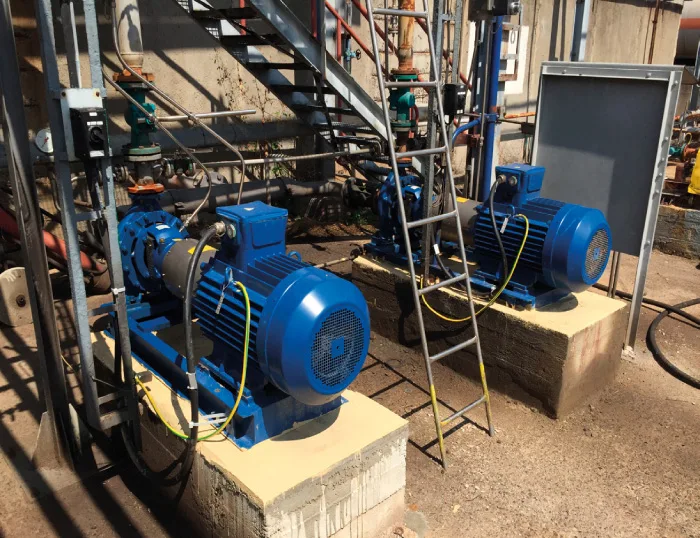
Salvatore Robuschi (Italy, part of Gruppo Aturia) manufactures centrifugal pumps with wetted-end materials ranging from cast iron, AISI 316, and Superduplex to 904L, with ATEX configuration options for hazardous areas. The pump range supports up to 15 mechanical seal configurations, enabling fine-tuning for each chemical type, temperature, and emission requirement. Products reference ISO 2858, EN 733, and ISO 5199 standards.
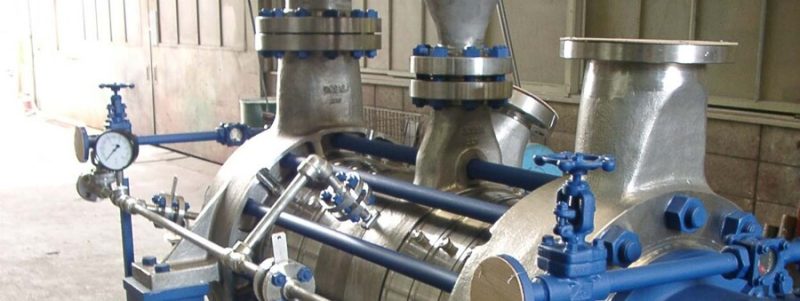
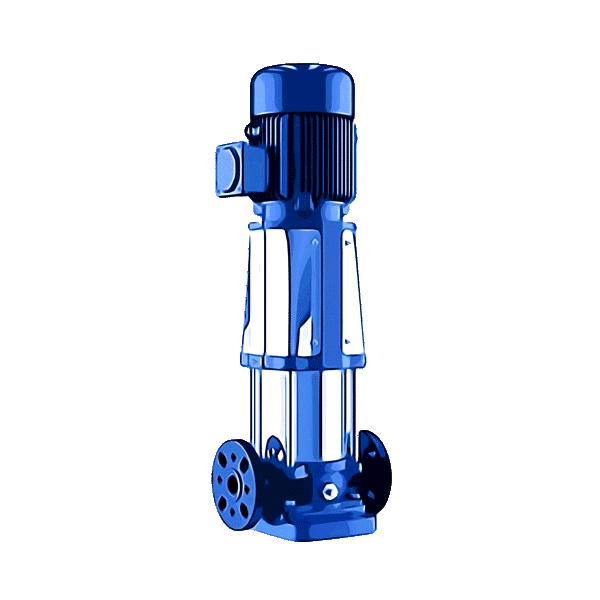
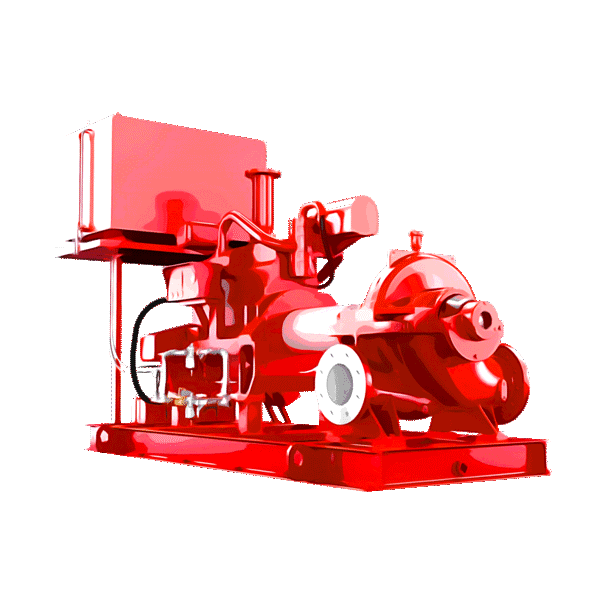
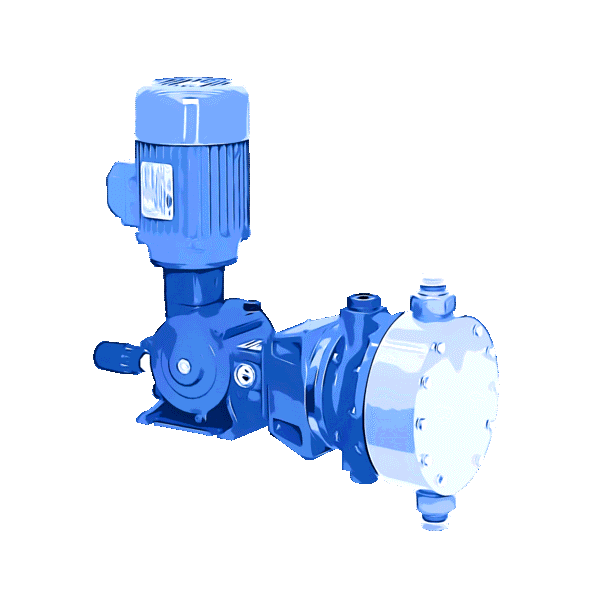
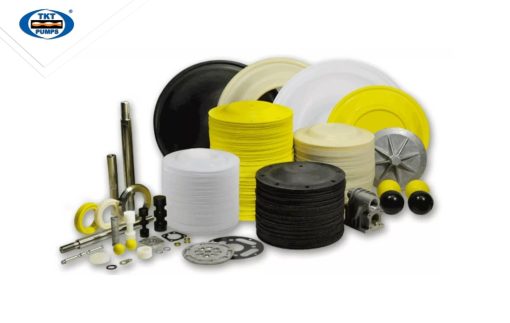
The product range includes process pumps with closed/open/channel/vortex impellers to ISO 2858, EN 733 water supply series, high-head multistage series, and vertical/cantilever constructions for specialized applications — suited for matching material and impeller type to specific fluid characteristics. TKT Pumps is the authorized distributor of Salvatore Robuschi in Vietnam, providing consultation on material selection, seal systems, and spare parts according to actual operating conditions.
Frequently Asked Questions
When should AISI 316 stainless be chosen over cast iron for a chemical pump?
+
Choose AISI 316 stainless steel when the fluid is clearly corrosive — such as dilute acids or bases, salt solutions, or low to moderate chloride levels. Cast iron is suitable only for industrial water and neutral, mildly corrosive fluids. When in doubt about corrosivity, consult a compatibility chart for the specific concentration and temperature before deciding.
How do Superduplex and 904L differ when selecting a pump?
+
Superduplex is oriented toward resistance to pitting and stress corrosion cracking in high-chloride environments such as seawater/brackish water, while also offering robust mechanical properties. 904L has high molybdenum and nickel content, targeting strongly reducing acids such as sulfuric acid in difficult concentration ranges. The choice depends on the dominant corrosion mechanism: consider Superduplex for chloride and pitting; consider 904L for strongly reducing acids.
Is correct pump casing material sufficient for corrosion protection?
+
Not sufficient. The mechanical seal system (seal faces, springs, O-rings, barrier/flush fluid) must also be chemically compatible, otherwise leakage and degradation will still occur. Therefore, the wetted-end material and seal system configuration must be designed in coordination, according to fluid type, temperature, and emission requirements.
How does chloride content affect material selection?
+
Chloride is the primary driver of pitting and crevice corrosion, especially when combined with elevated temperature. At low to moderate chloride levels, stainless 316 typically suffices; at high chloride levels, Superduplex is a reasonable upgrade path due to its superior pitting and stress corrosion cracking resistance.
What role do ISO 2858, EN 733, and ISO 5199 play?
+
ISO 2858 specifies dimensions and duty points for chemical centrifugal pumps, supporting interchangeability. EN 733 applies to water supply/general-purpose pumps. ISO 5199 sets technical requirements for construction and reliability of industrial centrifugal pumps. Pumps conforming to these standards are more convenient to replace and maintain.
What material options does Salvatore Robuschi offer for its pumps?
+
Salvatore Robuschi offers wetted-end materials from cast iron, AISI 316, and Superduplex to 904L, with ATEX configuration options, up to 15 mechanical seal configurations, and referencing ISO 2858, EN 733, and ISO 5199 standards. Specific configuration selection should be based on fluid data and actual operating conditions of each system.
Need to select the correct material and seal system for a centrifugal pump in a corrosive environment? The TKT Pumps technical team provides assistance in matching fluid, material, and pump configuration to your operating conditions.
Submit a Consultation Request or hotline 0941.400.488
Source: Salvatore Robuschi technical documentation (Italy, Gruppo Aturia) and ISO 2858 / EN 733 / ISO 5199 standards; compiled by TKT.