



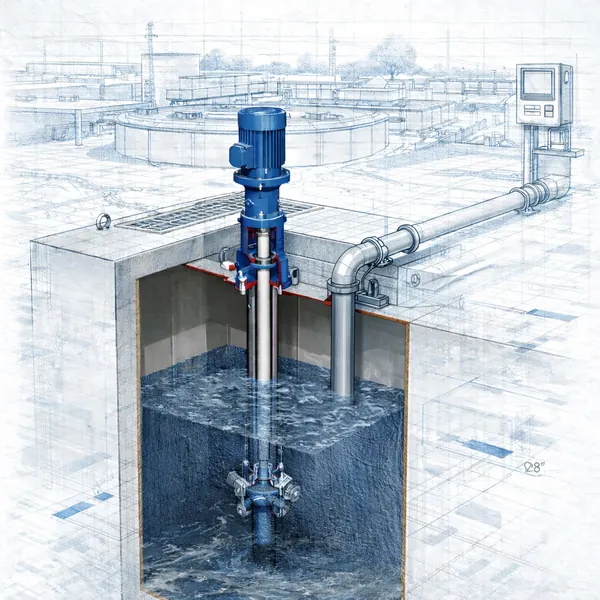
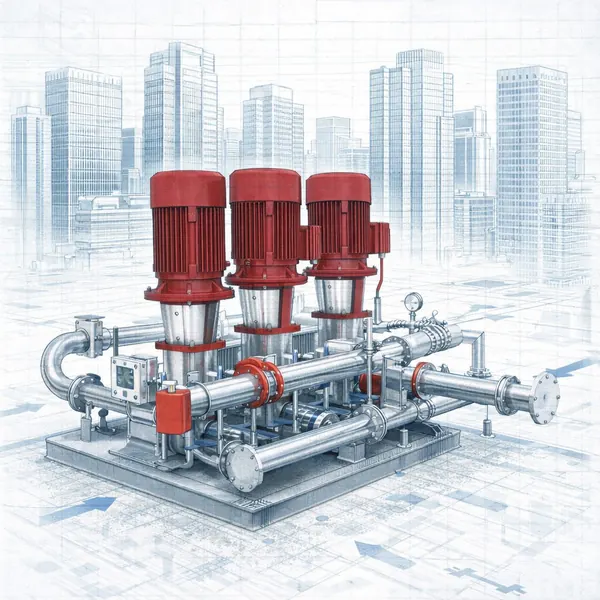
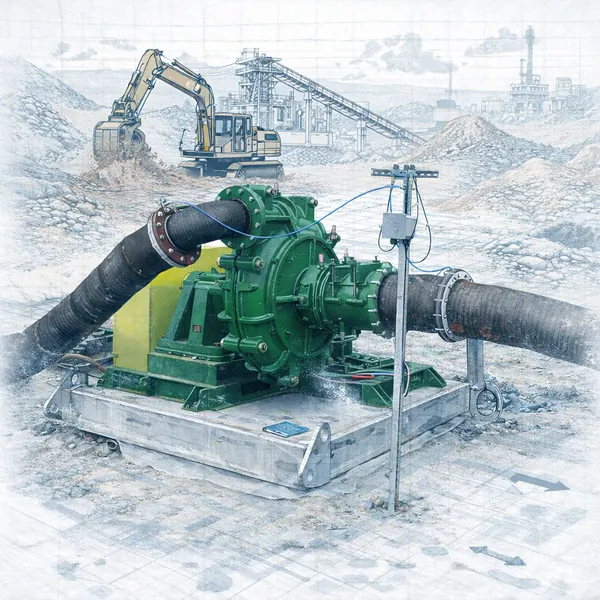
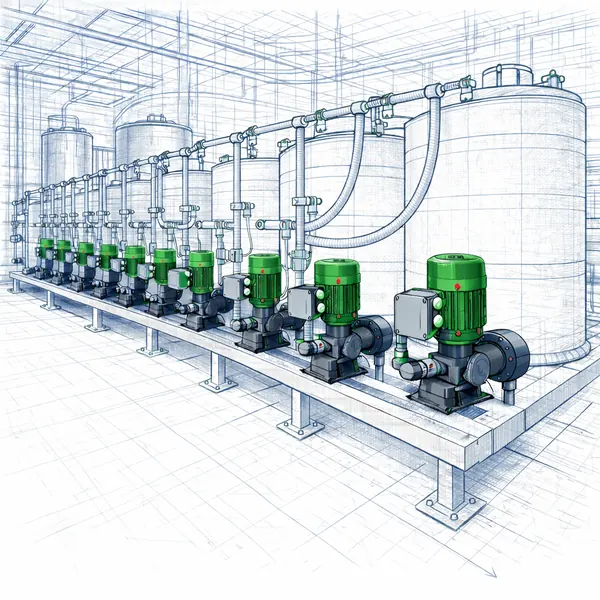
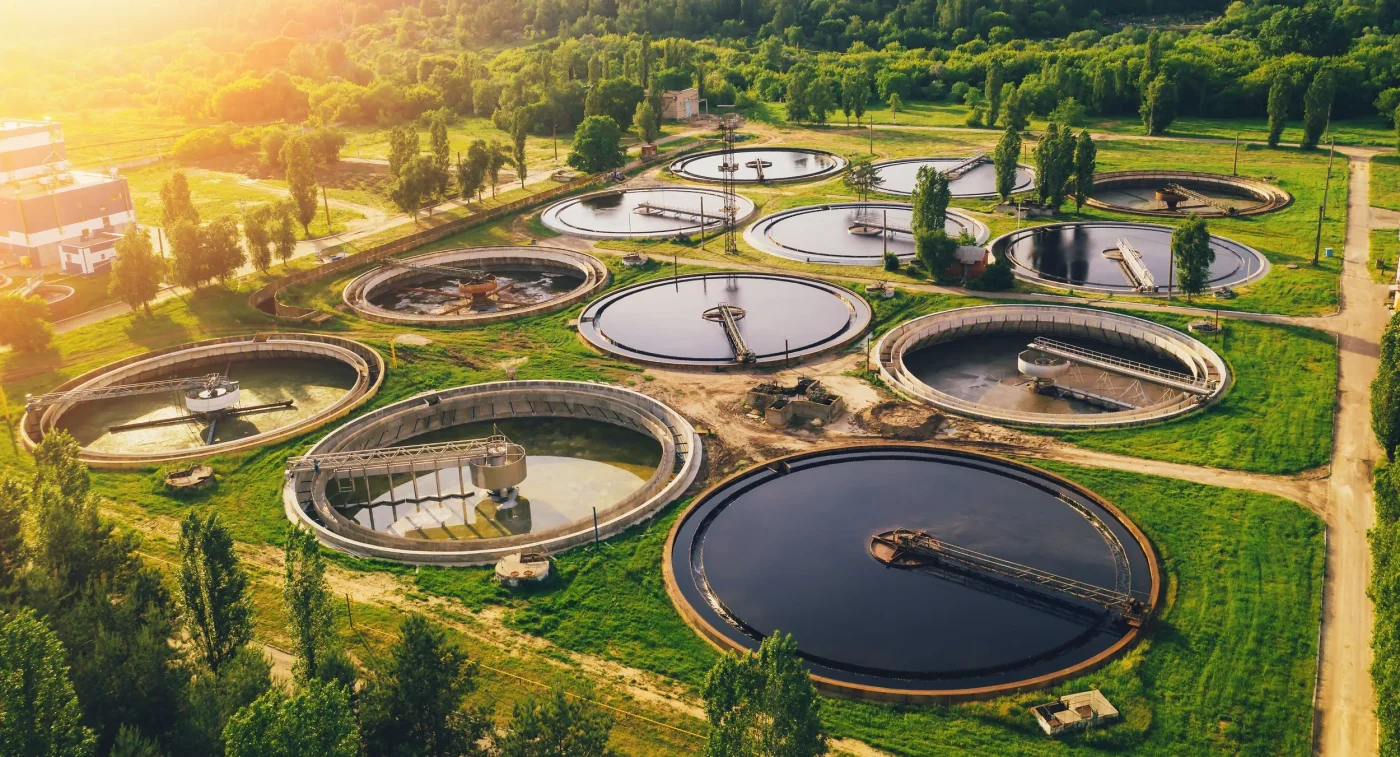
In an industrial wastewater treatment plant, no single pump type is suitable for every stage. Each position along the process line — from transferring influent wastewater, dosing coagulant chemicals, mixing additives, recirculating through filters, to draining batch tanks — requires a different pump type depending on the fluid’s corrosiveness, required flow rate, and leakage risk. This article analyzes the role of pumps at each stage and how to select corrosion-resistant chemical pumps for stable operation with fewer seal failures.
Selecting a pump for a wastewater treatment plant should start with three questions: how corrosive is the fluid, is there a risk of hazardous leakage, and does the stage require precise dosing or simply high-volume transfer. Below are the commonly used pump groups and their key characteristics.
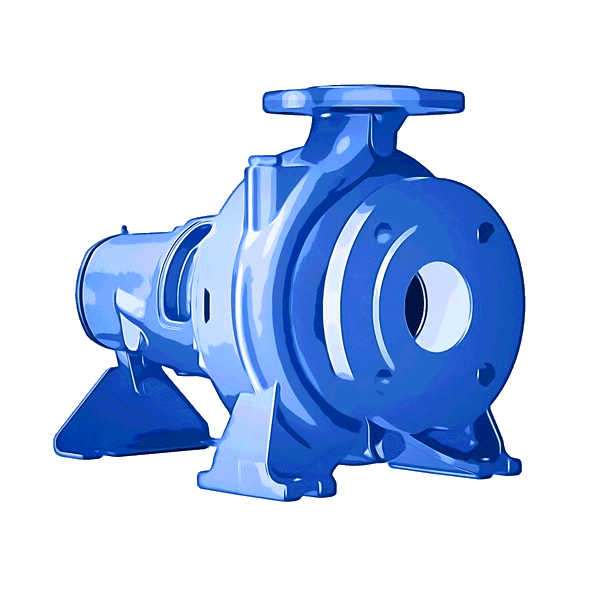
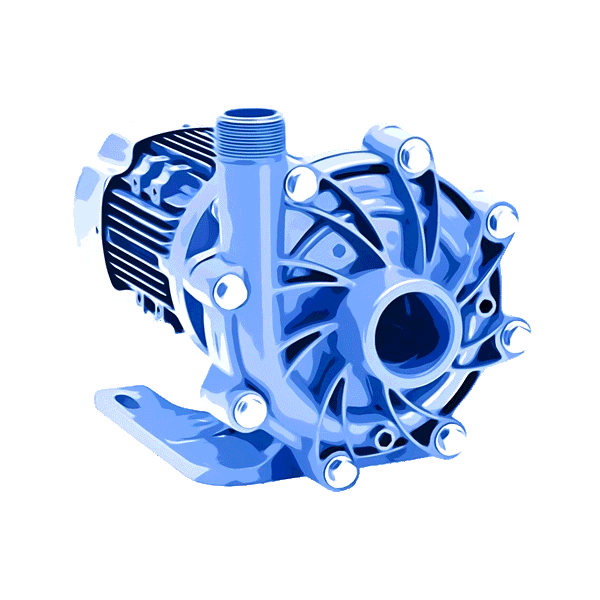
- Sealless pump (magnetic drive) eliminates mechanical seals — the wear component that causes leakage in corrosive chemical transfer pumps.
- Engineering plastic materials such as PP, PVDF, ETFE/PTFE are commonly used for wetted parts to resist corrosion.
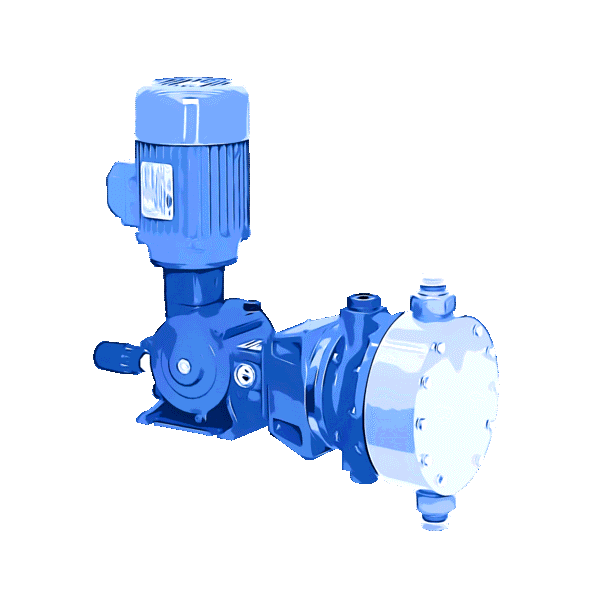
- Metering pump used for dosing coagulants, disinfectants, and pH adjustment chemicals with controlled dosage.
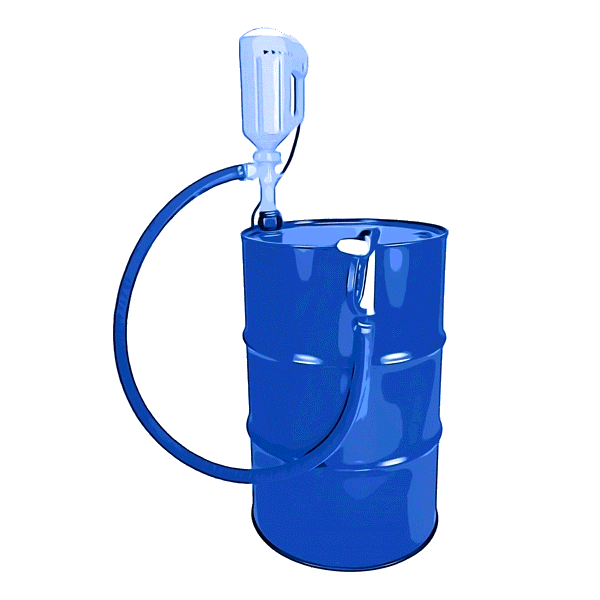
- Drum pump supports transferring chemicals from drums/IBCs, reducing spill risk during decanting.
- Air-operated diaphragm pump (AODD) handles fluids with solids/sludge, can run dry or deadhead without damage.
What Do Pumps Do in a Wastewater Treatment Plant?
Five Stages That Require Pumps
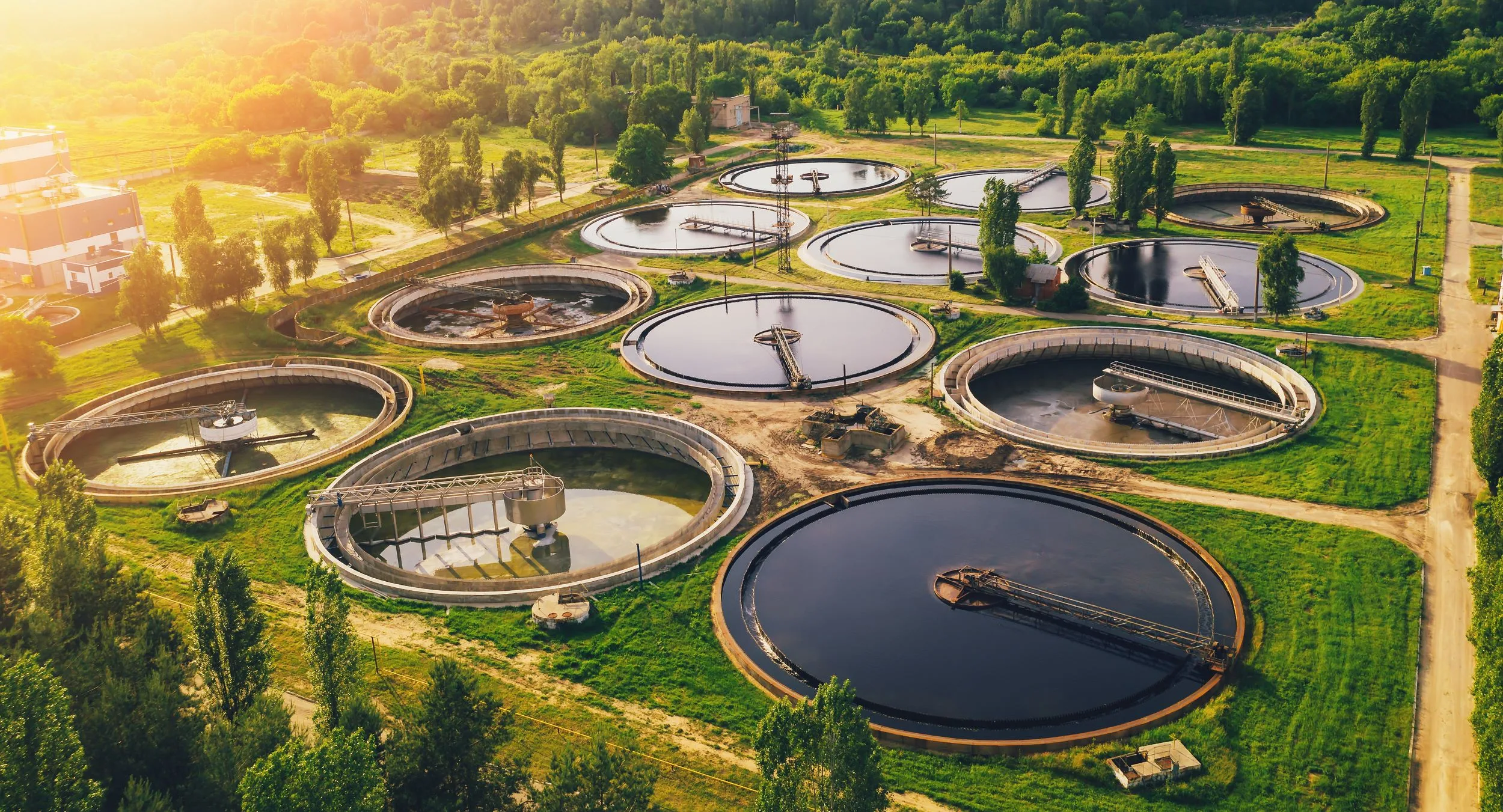
A modern wastewater treatment system operates as a continuous chain, and pumps are the fluid-moving devices at nearly every link. Understanding the role of pumps at each position helps maintenance engineers select the right configuration from the start, rather than troubleshooting problems later:
- Influent wastewater transfer: moving wastewater from the source into the facility for distribution through treatment stages.
- Chemical transfer: pumping chemicals from large storage tanks to day tanks, or decanting from tanker trucks into storage tanks.
- Chemical mixing: ensuring additives are thoroughly blended — including coagulants, disinfectants, and pH adjustment chemicals.
- Filtration: recirculating water through filter beds to remove solid particles, sediment, and contaminants.
- Batch tank draining: rapidly emptying batch treatment tanks to increase operational efficiency.
!Many stages involve direct contact with corrosive chemicals. Selecting the wrong pump material or seal type can lead to hazardous leakage, rapid corrosion, and unplanned downtime.
Why Are Sealless (Magnetic Drive) Pumps Suitable for Corrosive Chemicals?
Eliminating the Weak Point of Mechanical Seals
In chemical transfer and recirculation stages, the main risk typically lies in mechanical seals. Sealless magnetic drive (mag-drive) pumps completely eliminate mechanical seals — the component prone to wear over time that causes leakage. Rather than transmitting force through a shaft penetrating the pump body, the motor transmits torque through a magnetic coupling, so the pump chamber is fully sealed.
According to Finish Thompson documentation, sealless magnetic drive pumps are designed to handle corrosive and hazardous chemicals without the possibility of seal leakage. This is an important distinction when the fluid is a strong acid or alkali.
!When the seal on a sealed pump fails, maintenance staff must disconnect the pump from the pipeline, decontaminate the hazardous fluid, replace the seal, then reassemble and reconnect — a time-consuming process with inherent exposure risks.
This is why sealless pumps are often preferred for treated effluent streams and chemical transfer, helping reduce maintenance intervention frequency compared to conventional sealed pumps.
Selecting Wetted Part Materials According to Chemical Type
Common Chemicals in Wastewater Treatment
Pumps in wastewater treatment plants must withstand the corrosive chemicals used in water treatment systems. The wetted parts (fluid-contact parts) of corrosion-resistant pumps are typically made from engineering plastics such as polypropylene (PP), PVDF, or fluoropolymer (ETFE/PTFE) depending on the corrosiveness of the fluid. The table below lists the chemicals mentioned in the source documentation:
| Chemical Group | Examples in Wastewater Treatment | Pump Selection Notes |
|---|---|---|
| Alkali | Sodium hydroxide (caustic soda, NaOH) | Wetted parts must resist strong alkalis |
| Oxidizer / Disinfectant | Sodium hypochlorite (NaOCl) | Allow for gas venting; oxidation-resistant materials |
| Strong Acid | Sulfuric acid, phosphoric acid | Prefer fluoropolymer at high concentrations |
| Reducing agent / Conditioner | Sodium bisulfite | Verify compatibility at each concentration |
| Coagulant | Aluminum sulfate (alum), PAC | Precise dosing, prevent scale build-up |
!Material compatibility depends on the specific concentration and temperature of each chemical. Always consult the material compatibility chart before finalizing the pump configuration.
See further selection guidance by fluid type in TKT’s industrial chemical pump solutions section.
Metering Pumps and Transfer Pumps: Selecting by Stage
Comparing Pump Groups by Function
Not every stage requires the same pump type. Coagulant dosing and pH adjustment stages need dosage control; transfer and recirculation stages need stable flow rate; sludge treatment stages need pumps capable of handling fluids with solid particles. A quick comparison:
| Pump Group | Suitable Stage | Key Features |
|---|---|---|
| Sealless centrifugal pump (magnetic drive) | Chemical transfer & recirculation, effluent | Fully sealed, no mechanical seals, leak-resistant |
| Metering pump | Coagulant dosing, disinfection, pH adjustment | Controllable dosage, on-demand metering |
| Drum pump | Transferring chemicals from drums/IBCs | Portable, reduces spill risk during transfer |
| Air-operated diaphragm pump (AODD) | Wastewater sumps, fluids with solids/sludge | Can run dry, handles deadhead conditions, processes solids |
For air-operated diaphragm pumps, the source documentation notes that this group can handle corrosive chemicals and can run dry or deadhead without damage — a useful characteristic for sumps and sludge tanks where fluid levels fluctuate. For an overview of the full process line, refer to the wastewater treatment solutions page.
Water and wastewater treatment plants, where pumps metering disinfection and treatment chemicals (such as sodium hypochlorite) must operate continuously in a corrosive environment.
Pumps with mechanical seals are prone to leakage when seals wear, requiring periodic shutdown and replacement, causing operational interruptions and generating maintenance costs.
According to Finish Thompson documentation, using the DB Series sealless magnetic drive centrifugal pump, with polypropylene or PVDF plastic body, corrosion-resistant and capable of dry running.
By eliminating mechanical seals, the pump reduces leakage and decreases maintenance frequency; FT documentation records stable equipment operation, suitable for requirements involving corrosive chemicals in water treatment.
Source: Finish Thompson Inc. application profile — translated by TKT Pumps, referenced for the Vietnamese market.
Finish Thompson Pump Lines for Wastewater Treatment
FINISH THOMPSON · USA Sealless Pumps and Chemical Pumps for Wastewater Treatment
Finish Thompson Inc. (USA) is a specialist in corrosion-resistant and sealless pumps, distributed in Vietnam by TKT Pumps. With over 19 years of experience and more than 12,000 deployed projects, the TKT technical team assists in selecting the appropriate configuration for each stage of the wastewater treatment plant. Product lines directly relevant to wastewater treatment include:
- DB Series — sealless plastic centrifugal pump, magnetic drive, for transferring and recirculating corrosive chemicals.
- SP Series — self-priming pump, suitable when suction is required from a level below the pump head.
- UC Series — sealless pump to ANSI installation standards for process applications.
- FTI Air — air-operated diaphragm pump (AODD) for fluids with solids and industrial wastewater.
The above lines can be ordered with multiple wetted part material options to match the specific chemicals of each plant. The TKT technical team cross-references the compatibility chart before recommending a configuration.
Frequently Asked Questions
Which pump type should be selected for wastewater treatment?
+
It depends on the stage: sealless centrifugal pumps (magnetic drive) for transferring and recirculating corrosive chemicals, metering pumps for coagulant dosing and pH adjustment, drum pumps for chemical decanting, and AODD pumps for fluids with solids in sumps. The determining factors are fluid corrosiveness, dosing requirements, and leakage risk.
Why should sealless pumps be used for wastewater treatment chemicals?
+
Sealless magnetic drive pumps eliminate mechanical seals — the component prone to wear that causes leakage. The pump chamber is fully sealed, reducing the risk of corrosive and hazardous chemical leakage, and avoiding the process of disconnecting the pump for decontamination and periodic seal replacement as required with sealed pumps.
Which stages in wastewater treatment use metering pumps?
+
Metering pumps are used in stages requiring precise dosage control, such as dosing coagulants, disinfectants, and pH adjustment chemicals. On-demand metering helps stabilize effluent water quality and prevents over-dosing of chemicals.
What chemicals can pumps handle in water treatment?
+
According to Finish Thompson documentation, common chemicals include sodium hydroxide, sodium hypochlorite, sulfuric acid, sodium bisulfite, phosphoric acid, aluminum sulfate, and polyaluminum chloride (PAC). Wetted parts are typically made from engineering plastics such as PP, PVDF, or fluoropolymer depending on the corrosiveness — compatibility charts must be consulted by concentration and temperature.
What are the advantages of AODD pumps for wastewater?
+
Air-operated diaphragm pumps can handle corrosive chemicals, and can run dry or deadhead without damage. These characteristics are suitable for wastewater sumps and sludge tanks — where fluid levels fluctuate and solid particles are present.
Does TKT provide support for selecting pump configurations for specific plants?
+
Yes. The TKT technical team cross-references material compatibility charts by chemical, stage, and fluid for the specific plant before recommending the appropriate Finish Thompson pump line. Contact us through the consultation page or hotline for configuration selection support.
Need to select a pump for your wastewater treatment plant? The TKT technical team helps cross-reference chemicals, stages, and materials to recommend the appropriate Finish Thompson pump line.
Submit a Consultation Request or hotline 0941.400.488
Technical source: Finish Thompson Inc. (USA) product documentation on the role of pumps in wastewater treatment. Compiled and localized by TKT for operating conditions in Vietnam.