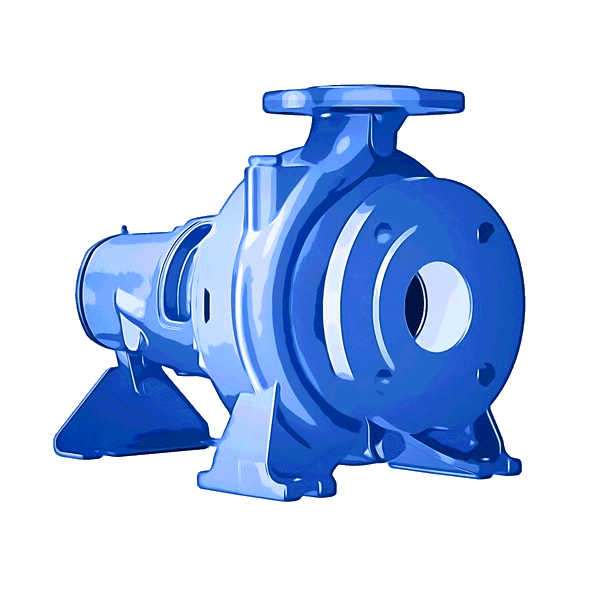
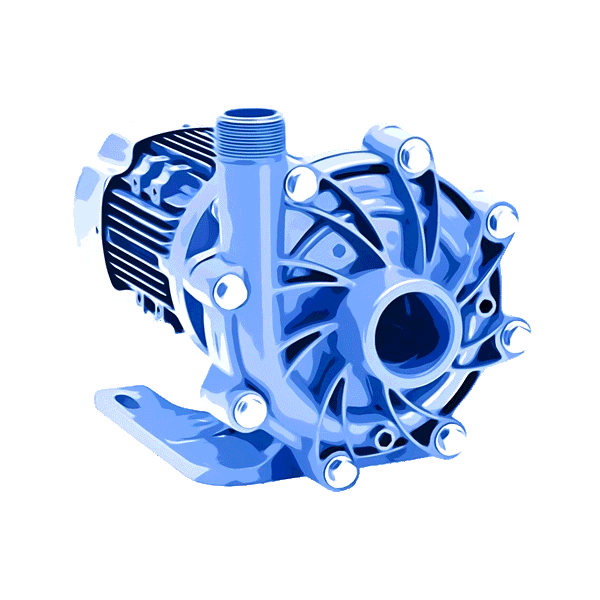
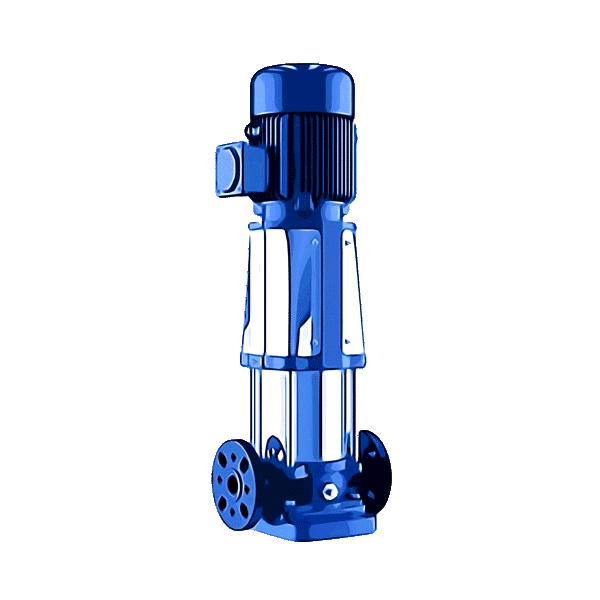
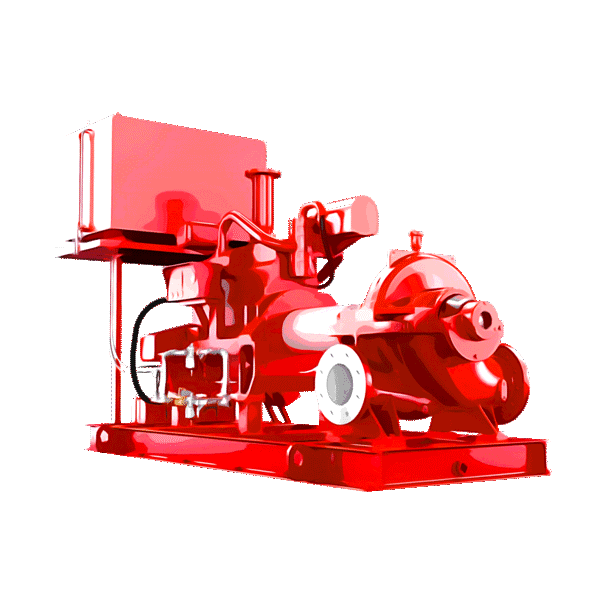




A mechanical seal pump is suitable when you need high flow rate, high hydraulic efficiency, easy on-site maintenance, and a reasonable initial investment for moderately corrosive chemicals; while a magnetic drive pump (sealless) is suitable when complete leak-free containment is required — for example, toxic or volatile chemicals or areas with explosion risk. In other words, the choice is not about which type is “better” but about whether your application prioritizes performance and cost, or sealing integrity and safety.
Both technologies have their own place in industrial chemical processing. Mechanical seals use a dynamic seal assembly between the shaft and the pump casing; sealless eliminates the dynamic seal via a magnetic coupling. The criteria below help maintenance engineers select the right option for each installation point.
- PP / PVDF — pump casing material resistant to corrosive chemicals for plastic-body models (acids, alkalis, plating solutions).
- Inox + FDA — AC series in stainless steel, FDA-compliant materials, suitable for food and pharmaceutical applications.
- 3 seal types — bellows, multi-spring, and double mechanical seal, selectable by fluid type.
- Back pull-out — back pull-out design allows maintenance without dismantling pipework.
- NEMA / IEC — accepts standard motors, close-coupled or frame-mounted configurations.
Two sealing technologies: how do mechanical seals and sealless differ?
The sealing mechanism determines everything
A mechanical seal pump uses a dynamic seal assembly positioned between the rotating shaft and the pump casing to prevent fluid from leaking out. The working principle is similar to the sealing technology in automotive water pumps: two surfaces pressed tightly together — one rotating with the shaft, one stationary — forming a thin liquid film that maintains the seal. This is a long-proven design, easy to understand and easy to replace.
In contrast, a magnetic drive pump (sealless) eliminates the dynamic seal entirely. Torque is transmitted through a magnetic coupling across a sealed containment shell, so the fluid remains completely enclosed within the pump casing with no leakage path through the shaft. In return, sealless pumps typically require the pumped liquid to lubricate the internal bearings and demand stricter dry-run protection.
- Mechanical seal: has a dynamic seal assembly → periodic seal replacement required, but easy to access with low spare parts cost.
- Sealless: no dynamic seal → reduced leakage risk, but sensitive to dry running and fluids with solid particles.
!Neither technology “fully replaces” the other. Multi-line plants commonly run both types in parallel for different installation points.
When should you choose a mechanical seal pump?
Prioritizing performance, flow rate, and ease of maintenance
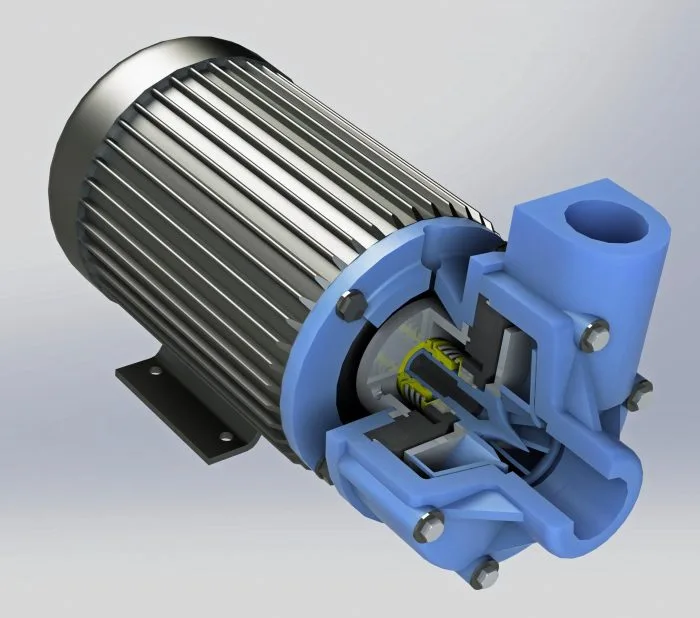
A mechanical seal pump is typically a practical choice when the application leans toward economical operation and convenient maintenance. Some typical scenarios:
- Moderately corrosive chemicals that are not classified as toxic or volatile requiring complete containment.
- High flow rate and head required for tank filling, circulation, or chemical transfer between process stages.
- On-site maintenance team available, preferring quick seal and impeller replacement without sending the pump out for repair.
- Initial investment budget needs to be optimized, with priority on readily available spare parts and low cost.
The back pull-out design on plastic pump series allows the impeller and seal assembly to be removed while keeping the pump casing and pipework in place, reducing downtime. Shared seal and impeller options across models also help reduce the variety of spare parts that need to be kept in stock.
When should you choose a magnetic drive pump (sealless)?
Prioritizing sealing integrity and environmental safety
Sealless is worth considering when leakage is unacceptable. Because there is no dynamic seal — which is inherently the point most prone to wear and leakage — magnetic drive pumps are suited to:
- Toxic, odorous, or volatile chemicals (strong acids, solvents) where emissions to the workplace must be prevented.
- Explosion-hazard classified zones where chemical vapor leakage is a safety risk.
- Locations difficult to access for frequent seal maintenance, where reduced intervention frequency is desired.
- Strict emission compliance requirements, limiting fluid release to the environment.
TKT has an in-depth analysis of sealless magnetic drive pumps for corrosive chemicals and the magnetic drive centrifugal pump series for reference when your installation profile leans toward sealing requirements.
!Sealless is not suitable when the fluid contains high levels of solid particles or when dry-run risk is high, as the internal bearings are typically lubricated by the pumped fluid itself.
Quick comparison: mechanical seal vs. sealless
Comparison by technical criteria
| Criterion | Mechanical Seal Pump | Magnetic Drive Pump (sealless) |
|---|---|---|
| Sealing point | Dynamic seal assembly between shaft and pump casing | Sealed containment shell, magnetic coupling, no dynamic seal |
| Leakage risk | Present (through seal wear) | Very low, suitable for toxic/volatile fluids |
| Dry running | Better tolerance for short periods | Sensitive, requires strict control |
| Fluids with solid particles | Better tolerance for mild abrasion | Limited |
| Maintenance | Periodic seal replacement, easy access, common spare parts | Less frequent intervention, but more complex to service |
| Initial investment | Typically lower | Typically higher |
| Best suited when | Performance, flow rate, budget | Sealing integrity, safety, emission compliance |
Finish Thompson mechanical seal pump series for chemicals
FINISH THOMPSON · USA GP and AC Series — mechanical seal centrifugal pumps
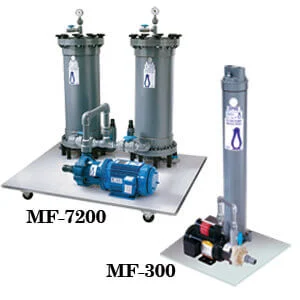
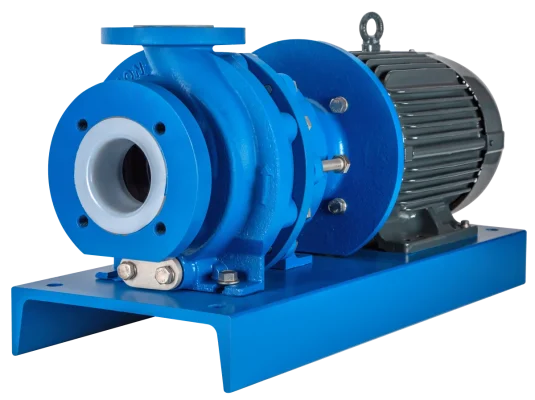
Finish Thompson (USA) is a chemical pump manufacturer offering both sealing technologies. In the mechanical seal range, the brand provides bellows, multi-spring, and double seal options to match each fluid type.
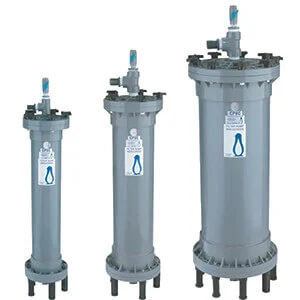
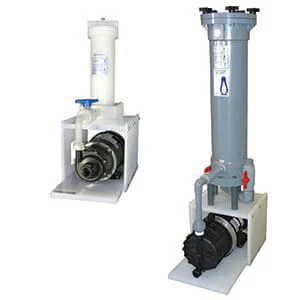
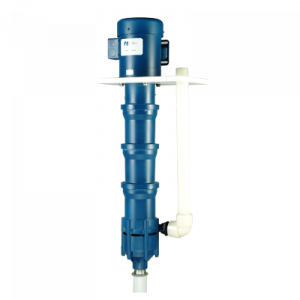
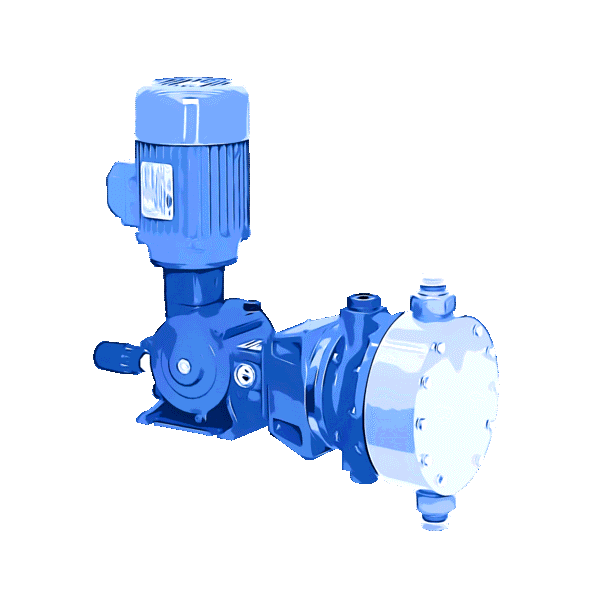
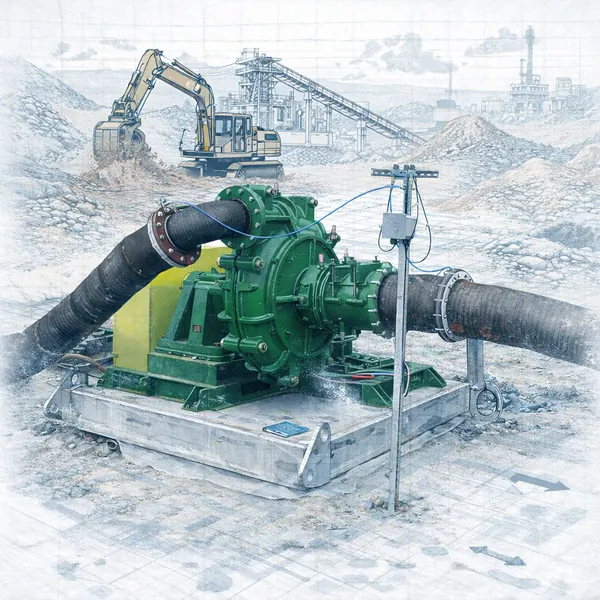
GP Series — plastic centrifugal pump with polypropylene (PP) or PVDF casing resistant to corrosive chemicals, handling alkalis, acids, plating solutions, and mildly abrasive fluids. The back pull-out design simplifies maintenance; shared seal and impeller options reduce spare parts inventory. Accepts standard NEMA or IEC motors, close-coupled or frame-mounted configurations.
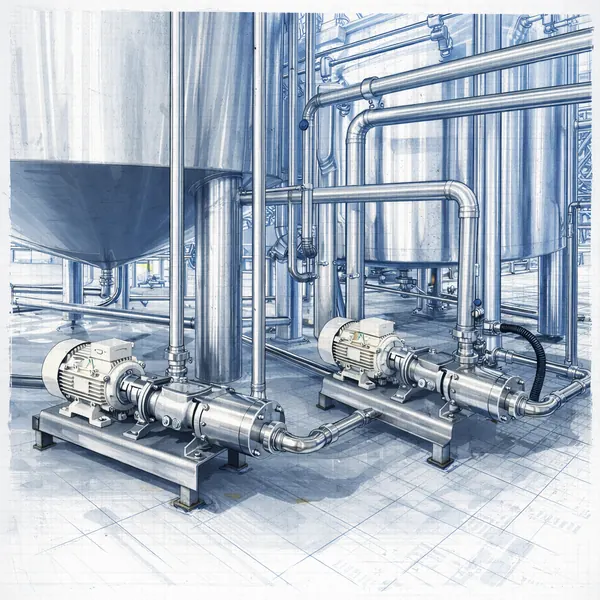
AC Series — horizontal mechanical seal centrifugal pump in stainless steel, FDA-compliant materials — suitable for food, beverage, and pharmaceutical processes requiring material hygiene standards.
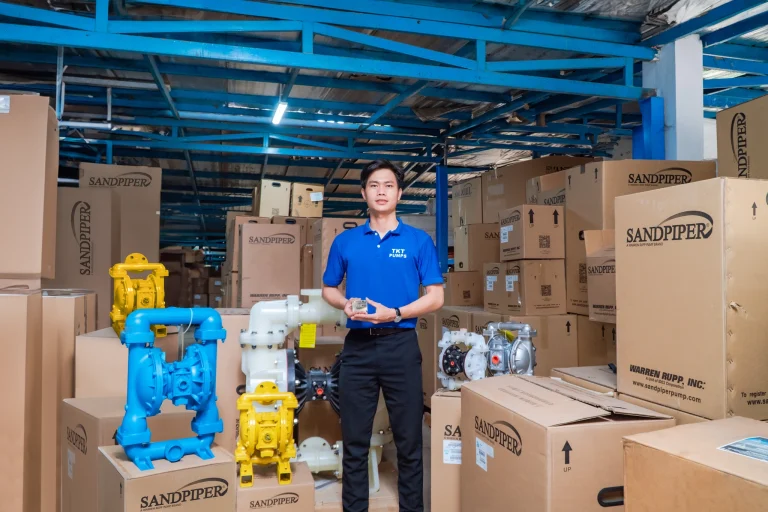
These series serve multiple industries: metal processing, food and beverage, pharmaceutical manufacturing, urban infrastructure, landfill operations, and general industry. TKT Pumps is the Finish Thompson distributor in Vietnam with over 19 years of experience and 5,000+ part numbers, providing configuration selection support based on actual fluid conditions.
Selection process for the installation point
Four questions before deciding
Instead of asking “which type is better”, answer these four questions for each pump location — the answers will naturally lead you to the right technology:
- What is the fluid? Toxic, volatile, strong odor → lean toward sealless. Moderately corrosive, safer → mechanical seal.
- Are there solid particles? Sediment, abrasives → mechanical seal handles these more flexibly.
- Dry-run risk? Suction line may run dry → consider carefully with sealless.
- On-site maintenance capability? Technical team available → mechanical seal is easy to service in-house; limited manpower → sealless reduces intervention frequency.
With a clear application profile (fluid, temperature, flow rate, head, required materials), TKT engineers can recommend the appropriate PP/PVDF/stainless material configuration and seal type, while weighing between the GP/AC series or a magnetic drive series depending on the installation priorities.
Frequently Asked Questions
How do mechanical seal pumps and magnetic drive pumps differ?
+
A mechanical seal pump uses a dynamic seal assembly between the shaft and the pump casing to maintain containment, with easier maintenance and lower cost. A magnetic drive pump (sealless) transmits torque through a magnetic coupling across a sealed containment shell; without a dynamic seal, it reduces leakage risk — suitable for toxic or volatile chemicals.
When should you choose a mechanical seal pump for chemicals?
+
Choose a mechanical seal pump when the chemical is moderately corrosive, high flow rate and head are required, light solid particles may be present, and you prefer on-site maintenance with common spare parts at a reasonable investment cost.
What materials are used in Finish Thompson mechanical seal pumps?
+
The GP series uses polypropylene (PP) or PVDF plastic casing resistant to corrosive chemicals such as acids, alkalis, and plating solutions. The AC series uses stainless steel with FDA-compliant materials for food, beverage, and pharmaceutical applications.
What types of mechanical seals are available?
+
Finish Thompson mechanical seal pump series offer bellows seal, multi-spring seal, and double mechanical seal options, selected according to the fluid characteristics and sealing requirements of each installation point.
Can sealless pumps fully replace mechanical seal pumps?
+
No. The two technologies serve different applications. Sealless is suited when high sealing integrity is required, while mechanical seal is suited when performance, fluids with solid particles, dry-run capability, and cost are priorities. Many plants use both in parallel.
What are the benefits of the back pull-out design on the GP series?
+
The back pull-out design allows the impeller and seal assembly to be removed while keeping the pump casing and pipework in place, enabling faster maintenance and reducing downtime.
Not sure whether to choose mechanical seal or sealless? Send your fluid profile (chemical type, temperature, flow rate, head) so TKT engineers can recommend the right Finish Thompson pump configuration.
Send a Consultation Request or hotline 0941.400.488
Technical sources: Finish Thompson Inc. (USA) product documentation for the GP and AC mechanical seal centrifugal pump series. Compiled and localized by TKT for application conditions in Vietnam.