




Chemical pumps used in the pharmaceutical and medical industries must simultaneously meet three groups of requirements: FDA-compliant, corrosion-resistant wetted materials; a sealed, leak-free design (typically sealless magnetic drive); and smooth, pulse-free flow for metering applications. These are mandatory characteristics when transferring active pharmaceutical ingredients (API), circulating cleaning/sterilization solutions in CIP/SIP systems, or filling drugs into IV bags and syringes. The article below analyzes each technical criterion to help engineers and plant maintenance teams select the right pump type for pharmaceutical and medical production lines.
In pharmaceutical and medical environments, pumps must protect product purity and ensure operator safety. Key criteria for selecting chemical transfer pumps for these applications include:
- FDA-compliant materials — stainless steel, PVC, engineering ceramics, titanium, polypropylene, and PTFE-based elastomers resistant to solvents, acids, and bases.
- Leak-free sealing — sealless magnetic drive design eliminates mechanical seals and potential leak paths.
- Pulse-free flow — critical for metering, filling, or handling sensitive materials.
- Easy cleaning & sterilization — compatible with CIP/SIP procedures in pharmaceutical plants.
- 3 pump categories — magnetic drive centrifugal pumps, drum pumps, and air-operated diaphragm pumps (AODD).
Why pharmaceutical pumps demand more than standard industrial pumps
Purity, corrosion resistance, and FDA compliance — all at once
In pharmaceutical manufacturing, pumps are involved in multiple stages: transferring active pharmaceutical ingredients (API), operating clean-in-place (CIP) and steam-in-place (SIP) systems, and formulating and blending compounds. Each stage imposes its own constraints, but all reduce to the same principle — the pump must not contaminate the product and must withstand the chemicals passing through it.
API transfer requires corrosion-resistant pumps capable of handling the solvents, strong acids, and bases used in synthesis. CIP/SIP systems require pumps that can circulate highly corrosive cleaning and sterilization solutions through process piping. Meanwhile, the formulation and blending stage depends on precise flow rate control to ensure batch-to-batch consistency of the compound.
!A leaking mechanical seal in a sterile production line does not only result in costly chemical losses — it also creates a cross-contamination pathway, a significant risk for pharmaceutical products. This is why sealless designs are preferred.
Wetted materials and FDA compliance
Selecting materials by chemical type and hygiene requirements
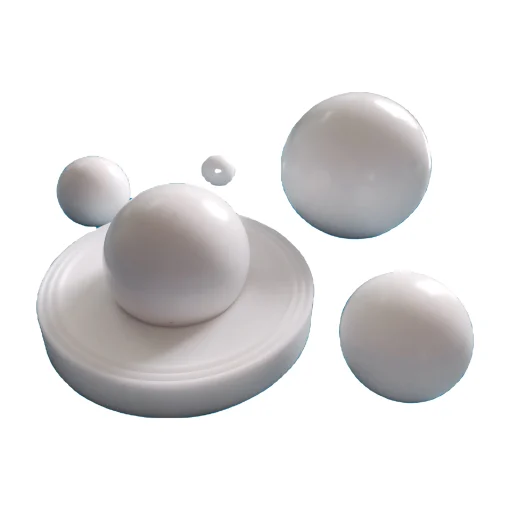
Wetted parts are the decisive factor in determining whether a pump is suitable for pharmaceutical and medical applications. Materials commonly used for their FDA compliance and corrosion resistance include: stainless steel, PVC, engineering ceramics, titanium, polypropylene (PP), and PTFE-based elastomer compounds. Selecting the correct material depends on the specific chemical, temperature, and sterilization requirements of each production line.
- Polypropylene (PP): lightweight, resistant to many dilute acids and bases; suitable when cost and weight are priorities.
- PVDF / fluoropolymer-based materials: broader chemical resistance than PP; withstands solvents and higher temperatures.
- Stainless steel / titanium: used when mechanical strength, pressure resistance, and surfaces that are easy to clean and sterilize are required.
- PTFE elastomers & ceramics: for gaskets, bushings, and wetted seal faces.
For a deeper understanding of how to match pump body materials to specific chemicals, refer to TKT’s dedicated page on industrial chemical pump solutions.
Magnetic drive pumps: why sealless design suits pharmaceutical and medical applications
Eliminating mechanical seals eliminates leak paths
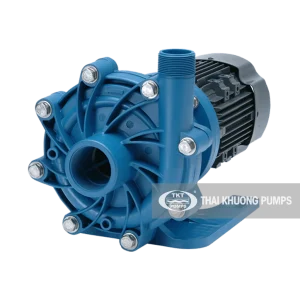
A sealless magnetic drive centrifugal pump transmits torque from the motor to the impeller via a magnetic coupling rather than a shaft that penetrates the pump casing. Because no shaft passes through the casing, no mechanical seal is required — which is the most common point of leakage and wear on conventional pumps. For hazardous or expensive pharmaceutical chemicals, this fully sealed construction protects both the product and the operator.
Beyond leak-free sealing, metering and filling applications also require smooth, pulse-free flow to ensure consistent dosing. This characteristic is especially important when handling sensitive materials or when dosing errors directly affect product quality.
| Criterion | Magnetic drive pump (sealless) | Pump with mechanical seal |
|---|---|---|
| Seal leak path | None (fully sealed) | Present — requires periodic seal maintenance |
| Cross-contamination risk | Low | Higher when seal wears |
| Suitable for sterile lines | Suitable | Limited |
| Seal maintenance | Minimal | Periodic seal replacement required |
Browse magnetic drive centrifugal pump models in the magnetic drive pump catalog.
Three typical application groups in pharmaceuticals and medical
From API formulation to filling and dialysis
- Pharmaceutical manufacturing: API transfer, CIP/SIP chemical circulation, and formulation and blending requiring precise flow rate control.
- Medical device manufacturing: high-accuracy metering and filling of drugs into IV bags or syringes.
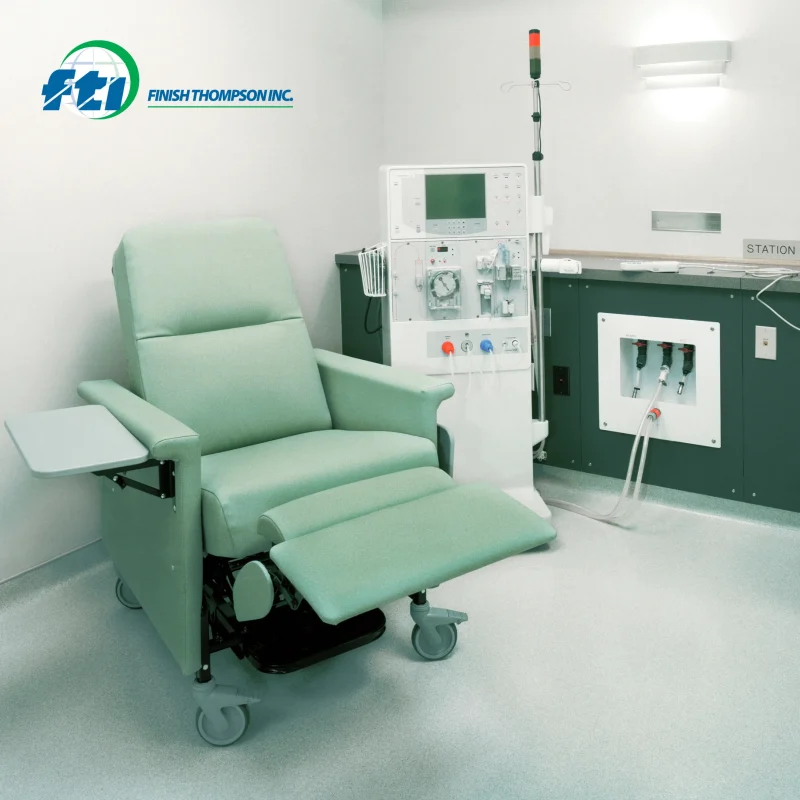
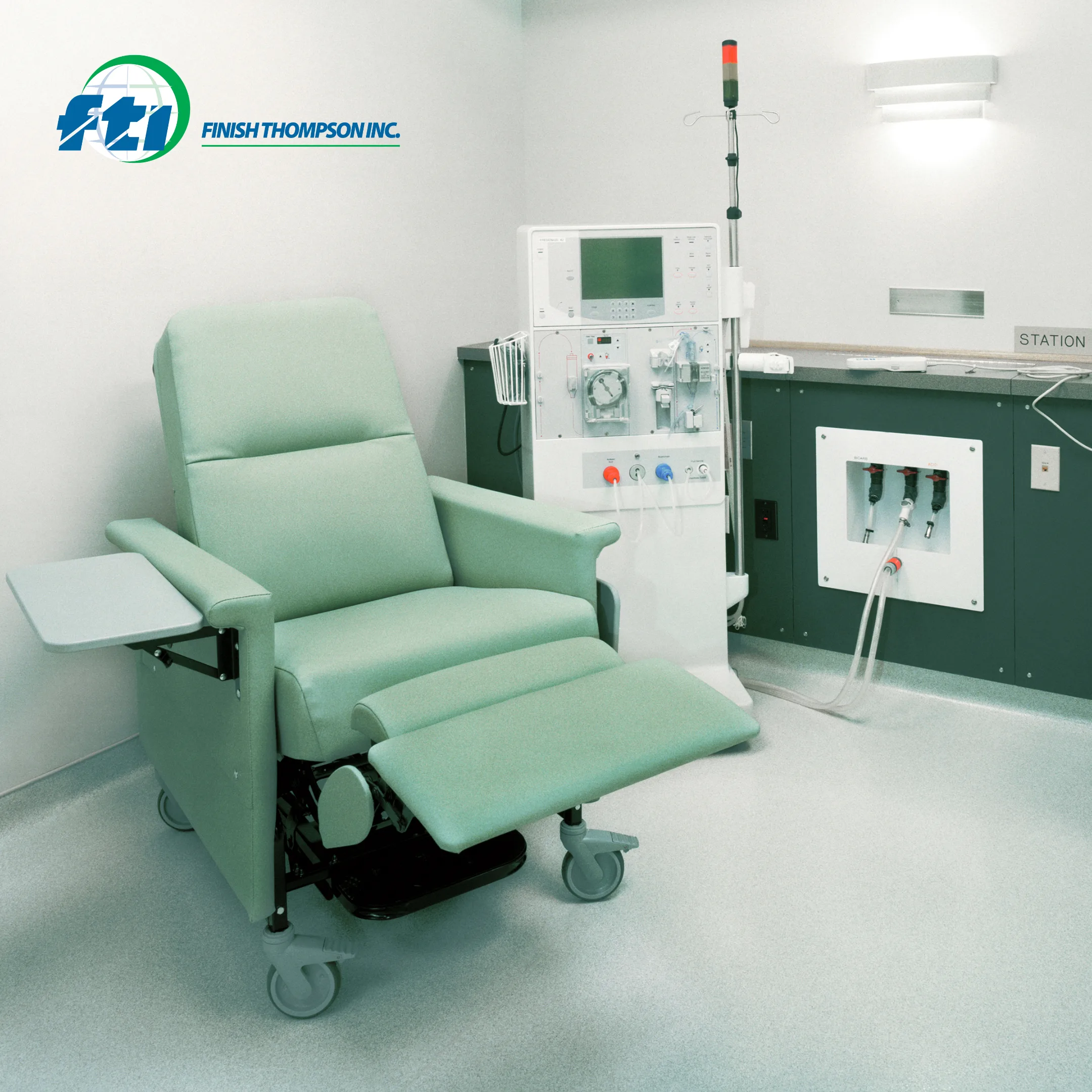
- Healthcare facilities & diagnostics: accurate delivery of solutions to diagnostic equipment and distribution systems — for example, dispensing concentrated solution for hemodialysis (dialysis).
Each application group prioritizes a different characteristic — API transfer requires corrosion resistance, CIP/SIP requires tolerance to hot cleaning chemicals, while filling and dialysis require dosing accuracy. Correctly identifying the priority characteristic is the first step toward selecting the appropriate pump type.
TKT has compiled an overview of pump challenges in the pharmaceutical industry at pump solutions for the pharmaceutical industry.
According to Finish Thompson’s pharmaceutical and medical application documentation, pumps are used to transfer dialysis concentrate from 55-gallon drums to large storage tanks at dialysis clinics. The source references customer Rockwell Medical, a U.S. supplier of dialysis concentrate solutions.
The solution needed to be transferred quickly without disrupting patient care operations, while minimizing noise in the medical environment and handling corrosive solutions using FDA-compatible materials.
Finish Thompson documentation references the PF Series drum pump, using corrosion-resistant, FDA-compatible materials (per FTI’s material guidelines for pharmaceutical and medical applications) for direct contact with the concentrate.
According to customer feedback recorded by FTI: approximately 4 minutes saved per drum transfer, quieter operation compared to the previous equipment, and improved customer satisfaction ratings.
Source: Finish Thompson Inc. application profile — compiled and localized for the Vietnamese market by TKT Pumps.
Recommended solutions from Finish Thompson
FINISH THOMPSON · USA Chemical transfer pump range for pharmaceutical and medical applications
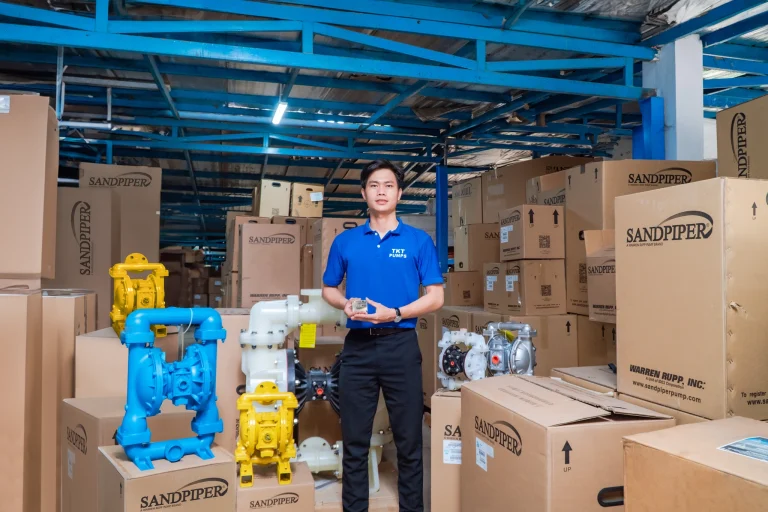
Finish Thompson Inc. (FTI, USA) is the chemical transfer pump brand that TKT distributes in Vietnam, with a product range covering three pump categories used in pharmaceutical and medical applications:
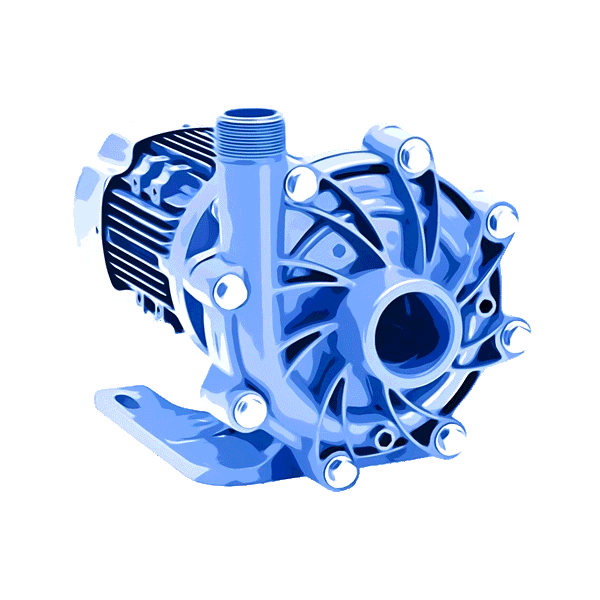
- Magnetic drive centrifugal pumps: sealless plastic pump lines (DB, SP) and ANSI-standard pumps (UC) for API transfer, CIP/SIP, and formulation applications.
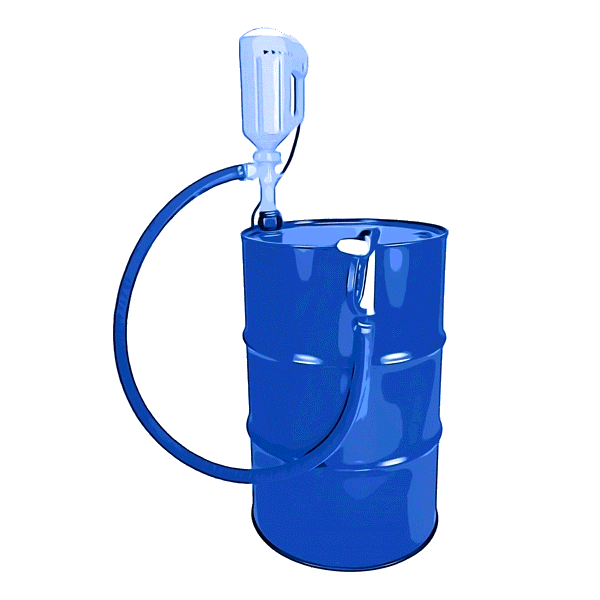
- Drum pumps: the PF Series is used at dialysis clinics to draw concentrated solution from drums into storage tanks quickly and quietly. According to one customer’s feedback, the PF Series reduces solution transfer time by approximately four minutes per drum.
- FTI Air air-operated diaphragm pumps (AODD): double-diaphragm pumps driven by compressed air, suitable when self-priming capability, safe dry-run operation, and handling of sensitive fluids are required.
Frequently Asked Questions
What material standards must pharmaceutical pumps meet?
+
Chemical transfer pumps for pharmaceuticals require wetted materials that comply with FDA requirements and offer corrosion resistance. Commonly used materials include stainless steel, PVC, engineering ceramics, titanium, polypropylene, and PTFE-based elastomer compounds. The specific material is selected based on the chemical type, temperature, and sterilization requirements of each production line.
Why use a magnetic drive pump in the pharmaceutical industry?
+
A sealless magnetic drive pump transmits force via magnets rather than a shaft through the casing, eliminating the need for a mechanical seal and removing any leak path. This fully sealed design is suited to sterile production lines and to hazardous or expensive pharmaceutical chemicals, reducing cross-contamination risk and protecting operators.
What characteristics are required for a metering pump in medical applications?
+
Metering and filling applications — such as dispensing drugs into IV bags, syringes, or solutions for diagnostic equipment — require smooth, pulse-free flow to ensure consistent and accurate dosing, particularly when handling sensitive materials.
What medical applications use a drum pump?
+
Drum pumps are used to draw solution directly from drums into storage tanks. In the medical field, Finish Thompson’s PF Series is used at dialysis clinics to transfer concentrated solution; according to one customer’s feedback, the PF Series reduces transfer time by approximately four minutes per drum.
Can an air-operated diaphragm pump (AODD) be used in pharmaceutical and medical applications?
+
Yes. Air-operated double diaphragm pumps (AODD) such as the FTI Air series are suitable when self-priming capability, safe dry-run operation, and handling of sensitive fluids are required. This is one of three pump categories Finish Thompson offers for pharmaceutical and medical applications, alongside magnetic drive centrifugal pumps and drum pumps.
What support does TKT provide when selecting pumps for a pharmaceutical production line?
+
TKT Pumps is the authorized distributor of Finish Thompson in Vietnam with 19+ years of experience, more than 12,000 projects, and a 24/7 technical support team. The team advises on material selection, pump type, and configuration to match the chemicals, flow rates, and sterilization requirements of each production line.
Need to select the right pump for a pharmaceutical or medical production line? The TKT technical team will advise on materials, pump type, and configuration to match your plant’s chemicals and sterility requirements.
Submit a consultation request or call hotline 0941.400.488
Technical sources: product documentation and technical articles by Finish Thompson Inc. (FTI, USA) on pump solutions for the pharmaceutical and medical industries. Compiled and localized for the Vietnamese market by TKT.