











Today, many factories and industrial facilities still do not treat and recycle waste seriously. During industrial production, depending on the sector, waste may contain various hazardous substances. Therefore, if wastewater is not treated properly, the environment and human health can be severely affected.
Using industrial wastewater pumps is currently an effective method of waste treatment that prevents hazardous substances from accumulating in the water. At the same time, it helps make the water we use every day cleaner, reduces environmental pollution, and ensures the safety of human life.
Since these products were introduced, they have addressed this pressing issue and helped limit negative environmental impacts. Read the article below to select the right product for your facility.
Industrial wastewater treatment pump systemTypes of Industrial Wastewater Pumps and Their Applications
Currently, classified by function, there are 4 important products in a wastewater treatment system on the market. These include: Submersible wastewater pumps, submersible sludge pumps, submersible mixers, and air blowers.
Submersible Wastewater Pump
Submersible wastewater pumps can operate stably when fully submerged in water. Because they are protected by a sealed, waterproof oil chamber, the equipment can run continuously without risk of damage or corrosion.
In industrial wastewater treatment, these submersible pumps perform the tasks of pumping sludge, pumping clean water, and handling wastewater systems, etc.
Submersible wastewater pumpConstruction of the Submersible Wastewater Pump
- Main shaft: The component connecting the motor to the impeller. Typically made from high-strength, corrosion-resistant stainless steel. This helps minimize the need for repair and maintenance during use.
- Shaft seal: The shaft seal is made of rubber to increase tightness and protect the pump. As a result, water cannot penetrate and damage the internal machinery.
- Thrust bearing shaft: Responsible for distributing lubricating oil to the motor. Its role is to ensure the equipment operates smoothly and stably.
- Bearings: An important component of the submersible wastewater pump, manufactured from materials with good wear resistance.
- Thermal sensor: The thermal sensor protects the motor when the pump temperature rises. If the motor overheats, it will immediately shut down the motor to prevent the pump from being damaged or burned due to temperatures exceeding the allowable threshold.
- Impeller: Typically made from cast iron and stainless steel materials with good corrosion resistance and load-bearing capacity.
Advantages of submersible wastewater pumps in industry
- Many submersible pump models can be used on dry land and in various environments
- Low maintenance requirements
- Some submersible wastewater pump models can self-adjust power output
- The motor is protected thanks to the sealed, waterproof oil chamber
- Submersible pumps have self-priming capability.
See also:
Submersible Sludge Pump
Based on the condition of the sludge, sludge pumps are divided into 2 types:
- Thick sludge pump (available in 2 main types: vertical-shaft and horizontal-shaft thick sludge pumps): Equipment that pumps liquid containing 70% sludge and 30% water. In industry, this equipment is used to pump sludge, sediment, and wastewater containing fibrous particulate matter in the food processing, medical, and other industries, within polluted and hazardous wastewater environments.
- Liquid sludge pump: This equipment is additionally fitted with a cutting blade that automatically shreds waste so it does not become lodged in the impeller.
In industry, submersible sludge pumps are extremely useful as they can pump sludge at high capacity to remove all sediment from polluted, hazardous wastewater sources. In construction projects, this equipment is also used to pump sludge from foundation excavations.
>> Read more: Classification and applications of submersible sludge pumps
Submersible Mixer
Submersible mixers are important equipment used for wastewater treatment. They play a key role in mixing wastewater, creating a non-settling water environment, homogenizing the components present in the wastewater, and creating favorable conditions for the development of anaerobic, anoxic, or aerobic microorganisms.
Submersible sludge mixerSubmersible mixers are used in:
- Equalization tanks: Mixing and equalizing wastewater flow rate, stabilizing the component characteristics of industrial wastewater.
- Anaerobic tanks (Anaerobic): Thorough mixing to create optimal contact between sludge and wastewater. This increases the hydraulic retention time in the anaerobic tank and improves the efficiency of the anaerobic process.
- Anoxic tanks (Anoxic): Accelerates the nitrate removal process (efficiency up to 100% due to good contact between anoxic sludge and industrial wastewater), thereby removing nitrogen from wastewater.
- Aerobic tanks (Aerobic): Combined with an aeration device (optionally supplemented with Biochip or MBBR media) to increase contact efficiency between microorganisms and oxygen in the water. This reduces dead zones in the aerobic tank, increases retention time, and improves the efficiency of the aerobic process.
Air Blower
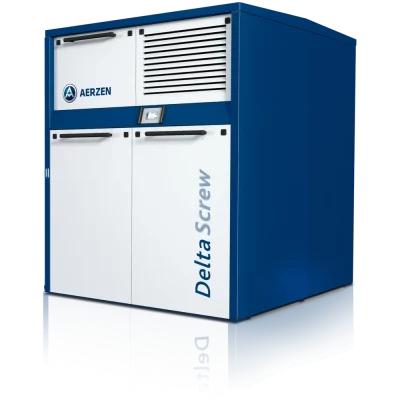
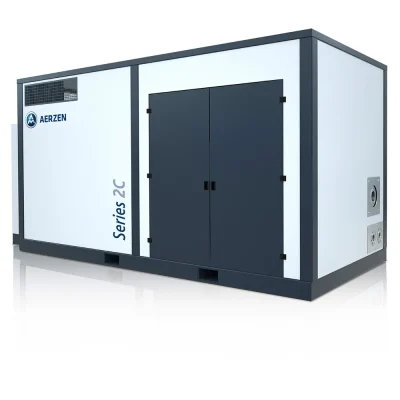
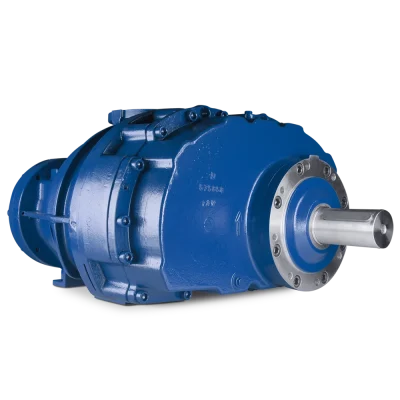
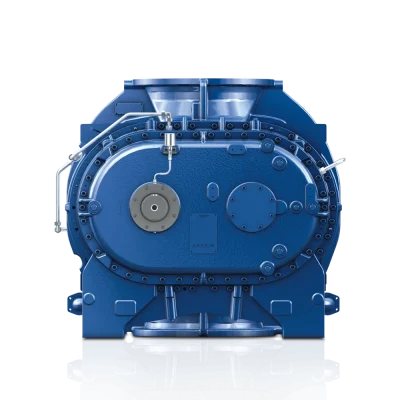
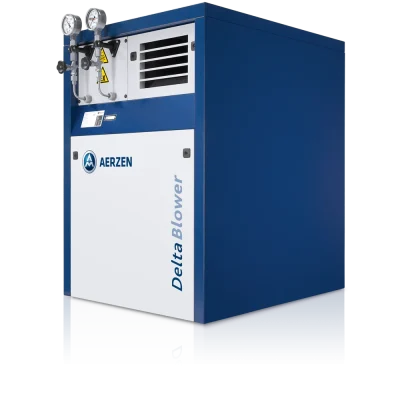
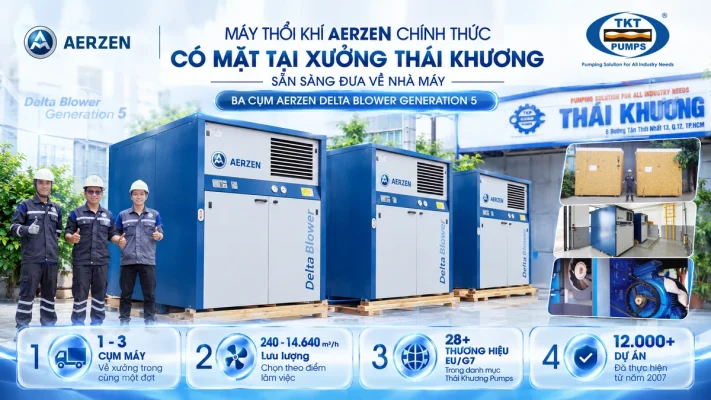
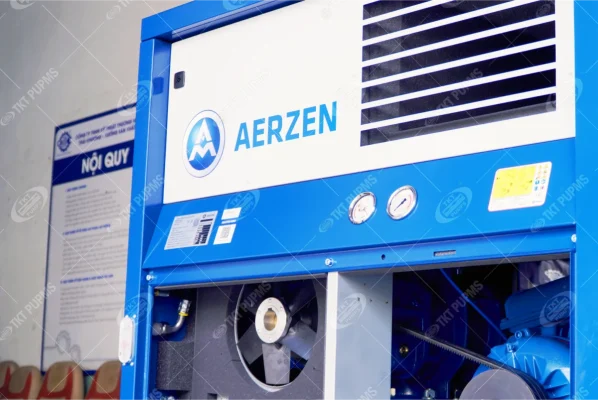
An air blower is also known as a filter blower pump or air blower pump. This equipment is widely applied in industry, agriculture, aquaculture farms, electroplating applications, and everyday human activities.
Air blower pumpBenefits of air blowers in wastewater treatment
- Increases dissolved oxygen levels to accelerate the oxidation of organic pollutants present in the water.
- Helps mix wastewater evenly with activated sludge to create conditions for microorganisms to develop and make contact.
- Limits the occurrence of anaerobic and anoxic conditions, which produce inhibitory gases that affect the development of aerobic microorganisms.
- Keeps activated sludge in suspension while ensuring oxygen supply for the oxidation of organic matter.
Applications of air blowers in industrial wastewater treatment
- Aerating equalization tanks to agitate the water and prevent organic sediment from settling in the tank, which would cause anaerobic decomposition and unpleasant odors.
- Used in compressed air systems or backwash filtration systems in water supply treatment works.
- Used to aerate domestic water treatment tanks using the aerobic method to continuously supply oxygen for biochemical oxidation reactions that break down organic matter through microorganisms (typically with EDI diffuser discs) to continuously and evenly disperse oxygen.
The above covers the 4 common types of industrial wastewater pumps. Understanding their features and functions will help you more easily select the right product. Do not miss the content below for more information on where to purchase reliable, quality pumps.
3 Key Issues to Note When Using Submersible Wastewater Pumps
A pump typically consists of pump bearings, impellers (or rotary valves), an electric motor, pump motor bearings, a pump check valve, and a pump control switch. For submersible pumps, the main issues you need to consider include:
- Check valve — prevents pumped water from flowing back into the basin.
- Foot valve — prevents water from flowing back down to the source when a deep-well pump is switched off.
- Pressure switch — the pressure switch automatically turns the water on and off depending on the pressure setting. When pressure reaches approximately 40 to 60 psi, the pressure switch shuts the pump off. As pressure gradually drops due to water use, the pressure switch turns the pump back on, repeating the cycle.
If your pump does not shut off, the pressure switch setting is experiencing a fault. A pump may also fail to shut off if the well water level is too low or if there is a leak in the drop pipe.
Industrial wastewater treatment systemWhere to Purchase Industrial Wastewater Pumps?
For wastewater pumps, the most important consideration is reliability, because submersible pumps are completely submerged in water, making maintenance, servicing, and fault detection very difficult — not to mention the fluid being conveyed may be a mixed liquid containing solid materials.
13 Factors to Consider When Selecting a Submersible Wastewater Pump
Below are 13 factors to consider when selecting a submersible wastewater pump suitable for real-world applications, helping reduce costs and extend pump service life.
- Impeller type: Close to the wastewater source? High rag content? High solids content?
- Motor cooling: Will the motor always be submerged? Can solids potentially cover part of the pump casing and affect cooling?
- Cable entry seal: Compression seal or epoxy-filled chamber?
- Mechanical seal: Shared spring double seal or separate seals?
- Will motor/bearing temperature be monitored, or will simple high-temperature alarms suffice?
- Is a standby pump installed and is there a control system? Does the control panel detect leaks in the seal chamber or motor casing?
- Grit issues? Carefully consider casing and impeller materials.
- Corrosive conditions? Consider stainless steel impeller/pump casing and motor.
- Consider mechanical seal materials and shaft materials.
- Specify for long service life.
- Know the required voltage.
- Know the electrical starting system: direct-on-line drive, soft starter, variable frequency drive.
- Apply epoxy paint to the exterior of the pump.
Thái Khương Pumps — Authorized Distributor of Quality Industrial Wastewater Pumps
Today, with many brands distributing industrial wastewater pumps, purchasing these products is no longer difficult. However, not every supplier provides genuine equipment at competitive prices. At Thái Khương Pumps, we always place customer experience at the forefront — every pump product delivered to our clients must meet quality standards at competitive pricing.
With 13 years of experience in the pump industry, Thái Khương supplies products to most industrial sectors. In addition, we are the authorized distributor for more than 10 brands and the official distributor for 20 brands from the EU and G7.
In addition to distributing genuine, quality products, Thái Khương also has a team of engineers and technicians who have received specialized training and have extensive hands-on experience. Through this, we provide technical support to ensure machinery systems operate smoothly and efficiently. Thái Khương Pumps is a supplier of industrial wastewater pumps that is well-regarded by many customers for its quality and reliability. Our services are always available — within 2–24 hours, the Thái Khương team will be on-site at the location of the incident to provide support. If you need information or have any questions about our products, contact us via hotline 0941 400 488 for immediate assistance.