



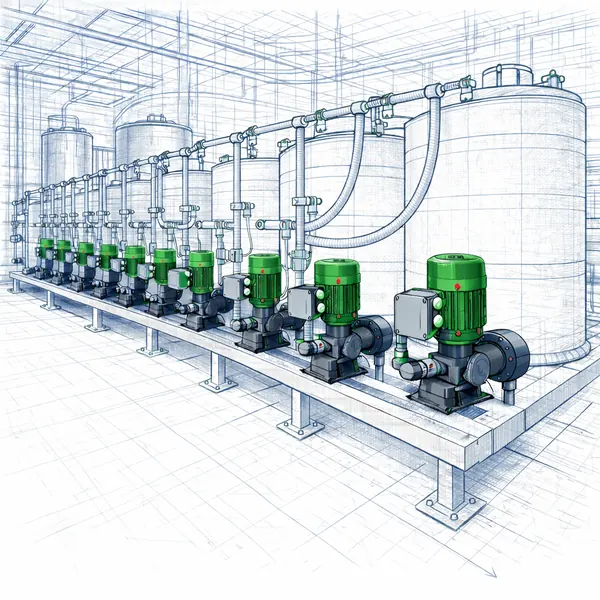
A typical urban clean water supply system requires three coordinated pump groups: a submersible borehole pump for groundwater extraction at the well, a station pump to convey water to the storage tank or water tower, and a vertical multistage pump for pressure boosting in the distribution network and high-rise buildings. The correct configuration is selected based on required flow rate, total head, and source water characteristics; material (cast iron or stainless steel) is chosen according to potable water contact criteria.
- Groundwater extraction: multistage submersible borehole pump, selected by well diameter (inch)
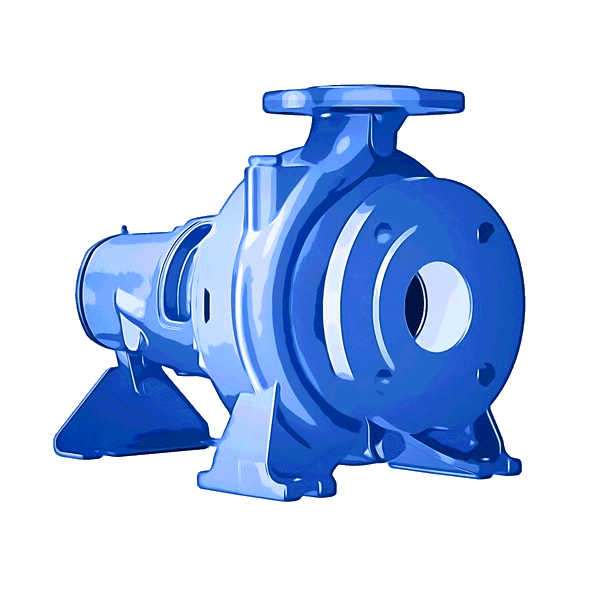
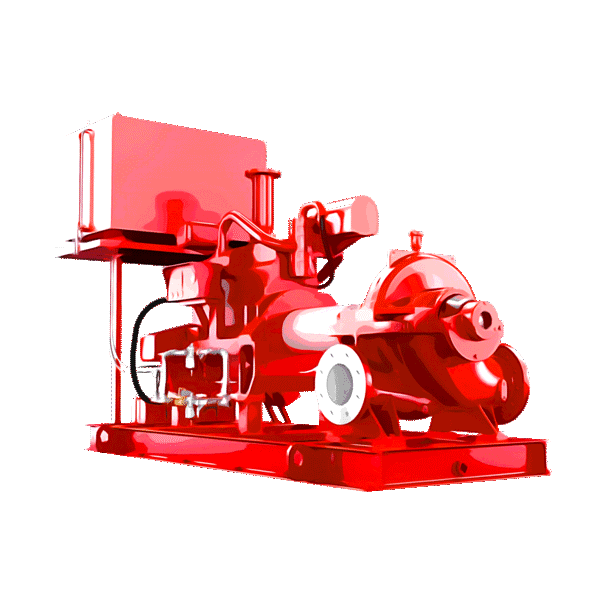
- Water supply station: EN 733 normalized horizontal centrifugal pump or single-stage impeller for high flow rates
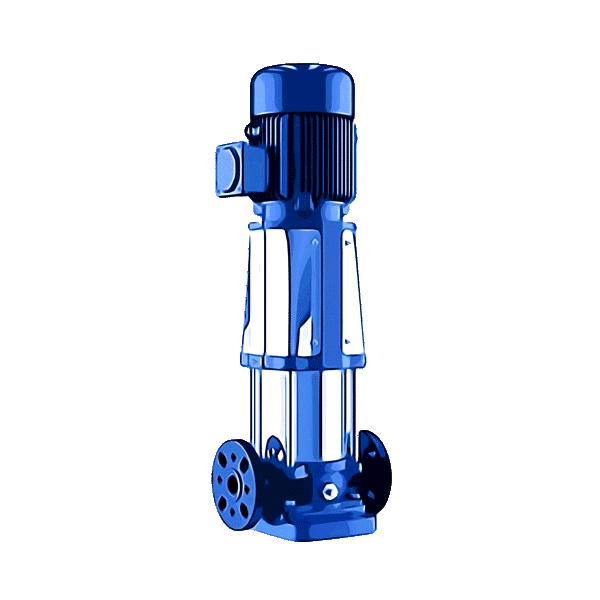
- Network and high-rise pressure boosting: high-head vertical multistage pump
- Total well head = dynamic water level + pipe losses + required outlet pressure
- Cast iron or stainless steel material selected according to potable water contact criteria
Groundwater Extraction Pumps for Water Supply Stations
Submersible Borehole Pump (“Rocket Pump”)
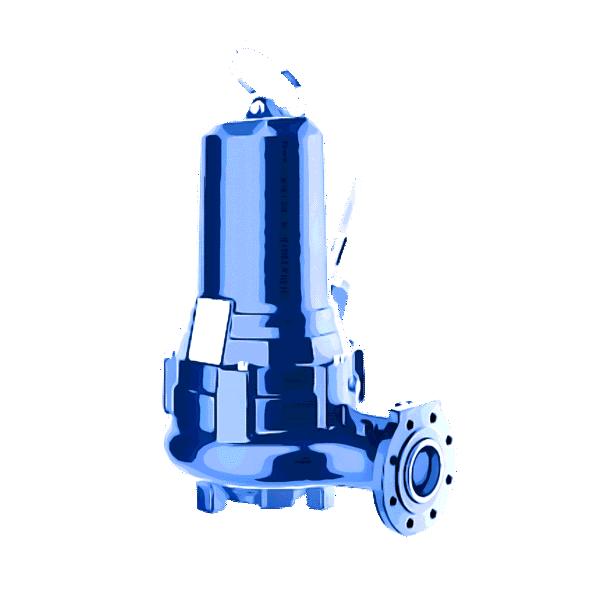
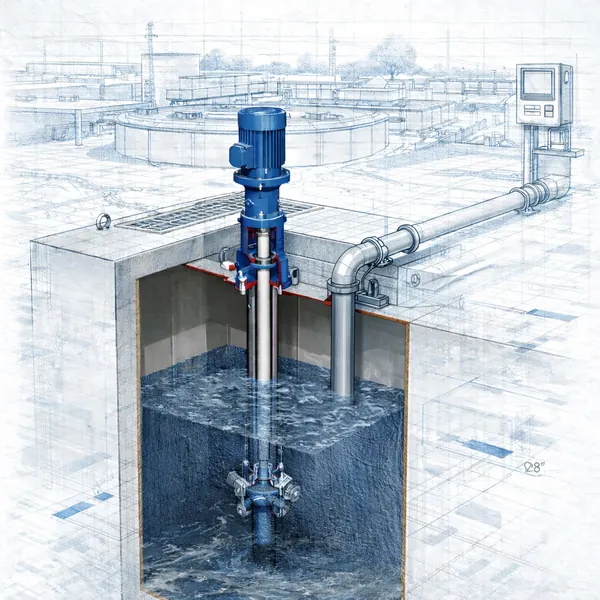
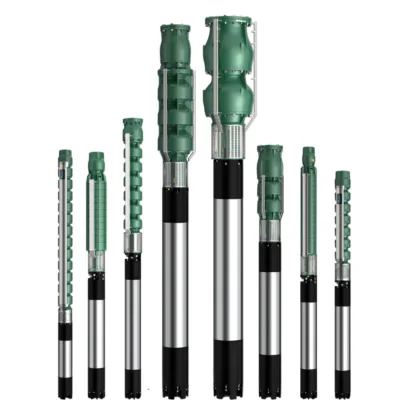
At many water supply stations, raw water is sourced from deep boreholes. The appropriate equipment is the submersible borehole pump — commonly known as the “rocket pump” — consisting of a multistage pump section coupled with a submersible motor, the entire assembly lowered below the dynamic water level and cooled by the borehole water itself. The multistage design delivers the high head needed to lift water from great depths to the surface and then to the storage tank.
The primary selection criterion is the well diameter in inches: the pump body and motor must fit inside the well casing. Next is the total head — equal to the dynamic water level plus friction losses in the piping plus the required residual pressure at the outlet. To protect the motor, the system should include a water level sensor to prevent dry running when the borehole water level drops.
| Selection Parameter | Significance |
|---|---|
| Well diameter (inch) | Determines the size of the pump body and submersible motor |
| Total head | Dynamic water level + pipe losses + outlet pressure |
| Extraction flow rate | Balanced against the well’s recovery rate |
| Dry-run protection | Water level sensor to protect the motor |
Station Pumps: Conveying Water to Storage Tanks and Water Towers
Normalized Horizontal Centrifugal Pump
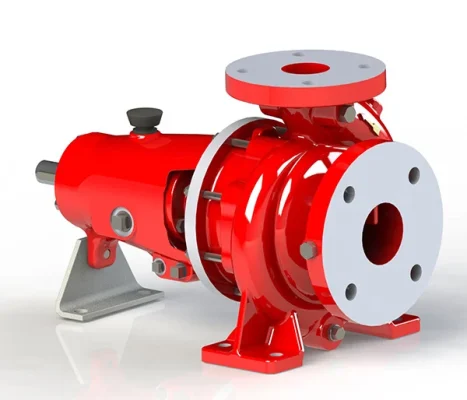
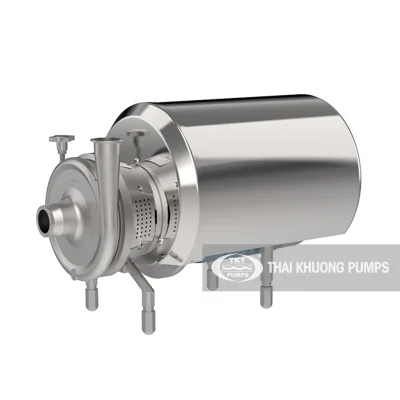
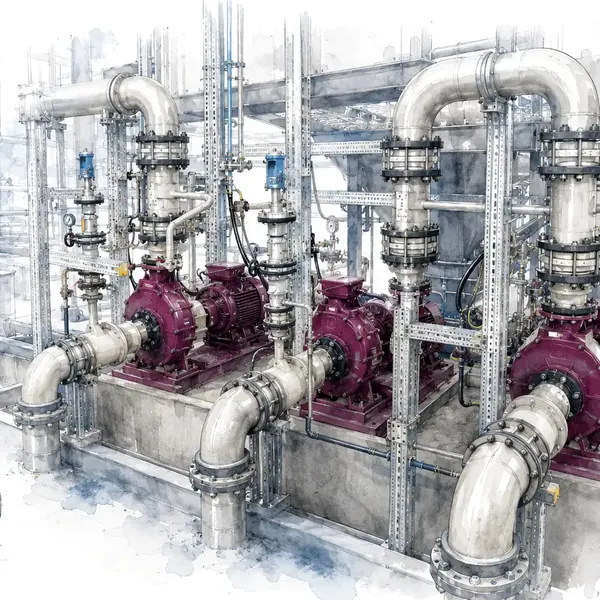
After extraction or treatment, clean water must be pumped to storage tanks, water towers, or the main transmission line. In this role, horizontal centrifugal pumps are widely used for their straightforward construction, ease of maintenance, and stable performance at high flow rates. The EN 733 dimensional standard specifies unified installation dimensions for horizontal centrifugal pumps, making replacement and spare part sourcing more convenient.
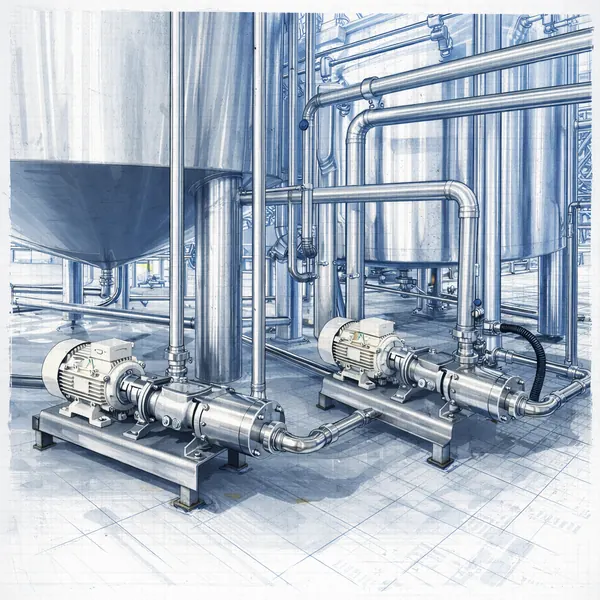
For moderate flow rates, a compact single-stage monobloc pump is quick to install. For very high flow rates in main transmission lines, a large single-impeller centrifugal pump handles high flow while operating at moderate head. Cast iron material is suitable for ordinary clean water; for higher hygiene requirements or water with corrosive minerals, a stainless steel configuration is preferred.
Pressure Boosting for the Distribution Network and High-Rise Buildings
High-Head Vertical Multistage Pump
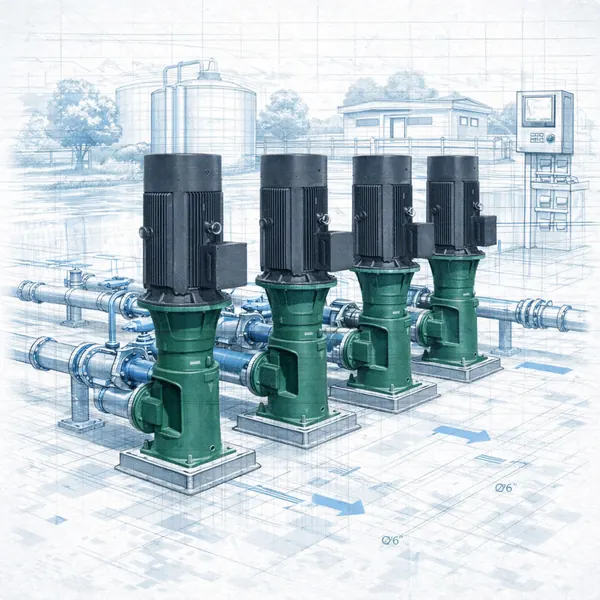
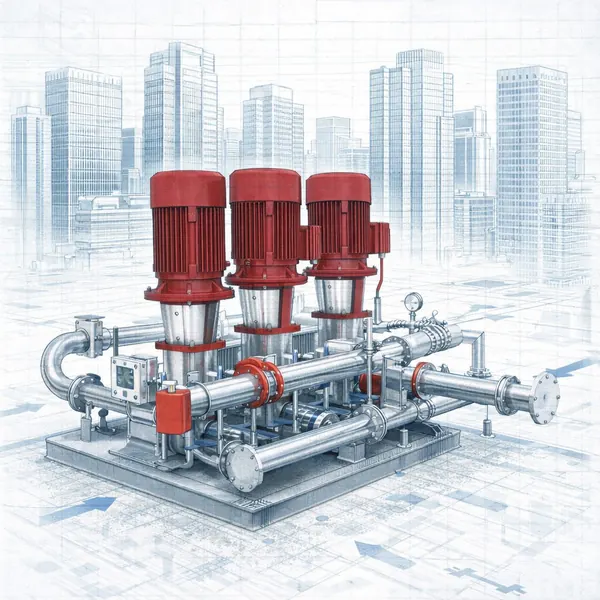
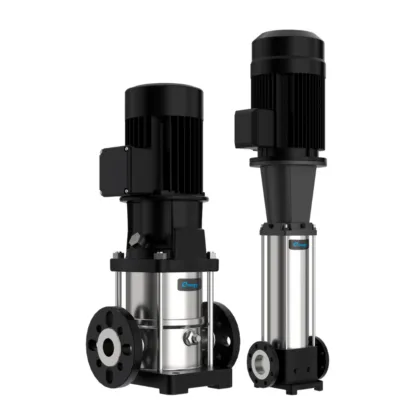
At the end of the distribution network, pressure commonly drops; areas at the end of lines or high-rise buildings require pressure boosting to ensure adequate tap pressure at points of use. The vertical multistage pump is a familiar choice for this duty: multiple impeller stages stacked in series generate high head while occupying a small floor footprint. Vertical multistage assemblies are also well suited for urban pressure-boosting stations and high-rise water supply.
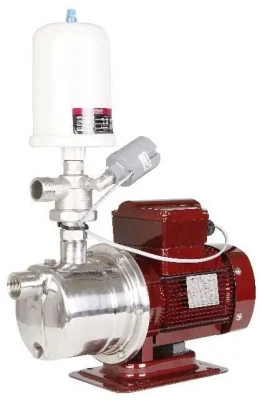
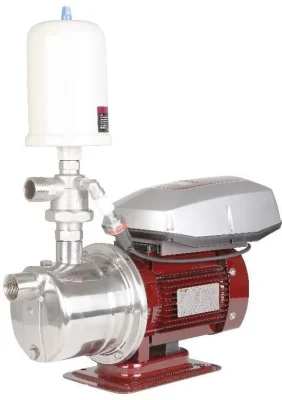
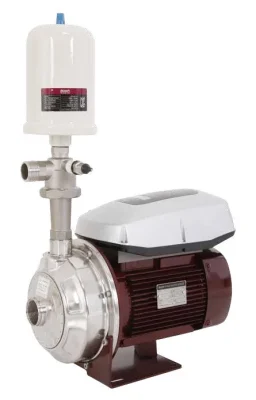
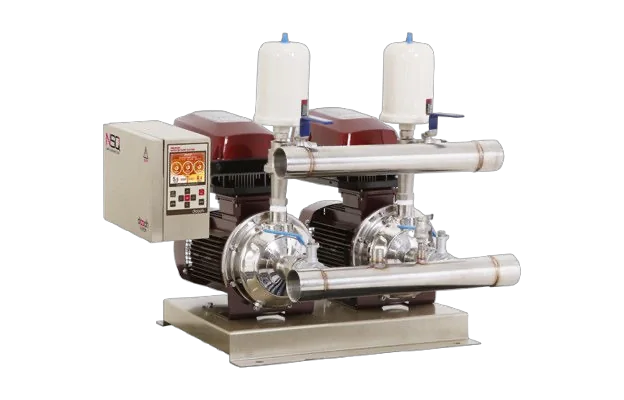
In practice, boosting stations typically run multiple pumps in parallel with variable frequency drives (VFDs), controlled by network pressure to save energy and maintain stable pressure as demand varies throughout the day. This configuration can also be shared with fire-fighting systems when the design permits.
| System Stage | Suitable Pump Type |
|---|---|
| Groundwater extraction | Multistage submersible borehole pump |
| Station pump to tank/tower | EN 733 horizontal centrifugal / single-stage impeller |
| Network & high-rise boosting | Vertical multistage pump |
Materials and Operation Notes for Clean Water
Selecting Cast Iron or Stainless Steel by Fluid
For potable water applications, hydraulic end materials must meet potable water contact criteria and be durable under continuous operating conditions. Cast iron is an economical choice for ordinary tap water; stainless steel is used when the water source has high mineral content, elevated chlorine levels, or when higher hygiene and corrosion resistance are required. The hydraulic end also affects energy efficiency — an important factor when pumps run nearly continuously in a water supply station.
For a durable and energy-efficient system, three points deserve attention: select the operating point near the pump’s Best Efficiency Point (BEP), install dry-run protection for borehole pumps, and stock spare mechanical seals and bearings for scheduled maintenance.
CAPRARI · ITALY Clean Water Supply and Pressure Boosting Pump Range
Caprari (Italy) is a manufacturer of centrifugal pumps for water supply, agriculture, and municipal applications, with a product range covering the full urban water supply chain. For groundwater extraction, the E-Series is a multistage submersible borehole pump (E4/E6/E8/E10/ES), diameters 4″–22″, flow rate up to 1,260 m³/h, head up to 700 m, and power up to 440 kW — meeting the requirements of deep boreholes at water supply stations. For station pumps, the MEC series is an EN 733 normalized horizontal centrifugal monobloc pump, up to 470 m³/h and head up to 140 m; the NC series is an EN 733 normalized single-stage centrifugal pump with flow rate up to 280 l/s for large transmission lines, available in both cast iron and stainless steel. For network pressure boosting and high-rise water supply, the vertical HV and CVX series deliver high head in a compact installation footprint. Cast iron or stainless steel material is selected according to the fluid, meeting potable water contact criteria.
Frequently Asked Questions
What types of pumps does a water supply station need?
+
A typical urban water supply system requires three groups: submersible borehole pumps for groundwater extraction, horizontal centrifugal pumps to convey water to storage tanks or water towers, and vertical multistage pumps for pressure boosting in the distribution network and high-rise buildings. The quantity and configuration depend on the scale and hydraulic layout of each individual station.
What is a “rocket pump” and what are the selection criteria?
+
The “rocket pump” is the colloquial name for the submersible borehole pump: a multistage pump section coupled with a submersible motor, lowered below the water level and cooled by the borehole water. Selection criteria include the well diameter (inch) to ensure the pump fits inside the well casing, the total head, and the flow rate matched to the well’s recovery rate.
How is the total head of a borehole pump calculated?
+
The total head equals the dynamic water level (the distance from ground level to the water surface while pumping) plus friction losses in the piping plus the required residual pressure at the outlet. Accounting for all three components ensures the correct number of stages and rated head are selected, avoiding insufficient pressure or oversized power.
Should I choose a cast iron or stainless steel pump for clean water?
+
Cast iron is an economical choice for ordinary tap water. Stainless steel is preferred when the water source has high mineral content, elevated chlorine levels, or when higher hygiene and corrosion resistance are required. The decision should be based on specific water quality analysis of each source.
Why do pressure-boosting stations commonly use vertical multistage pumps?
+
Vertical multistage pumps generate high head through multiple impeller stages stacked in series, while occupying a small floor footprint — well suited for boosting stations installed in confined spaces. Running multiple pumps in parallel with VFDs maintains stable pressure and saves energy as demand varies throughout the day.
Which Caprari pump range is suitable for urban water supply?
+
Caprari offers the E-Series for groundwater extraction, MEC and NC for EN 733 station pumps, and the HV and CVX vertical series for network and high-rise pressure boosting. Depending on the flow rate, head, and source water characteristics of each station, TKT Pumps will advise on the appropriate model and material.
Need advice on selecting pumps for a water supply station or urban pressure-boosting station? The TKT Pumps technical team, with 19+ years of experience and 12k+ projects, is ready to assist with configuration calculations.
Submit a consultation request or hotline 0941.400.488
Source: Caprari (Italy) technical documentation and catalog; compiled by TKT.