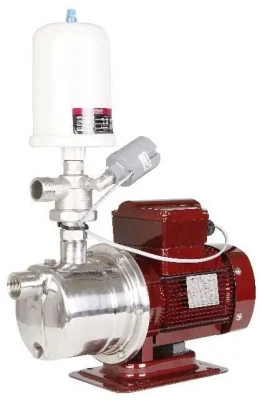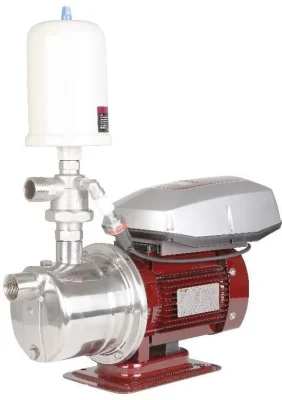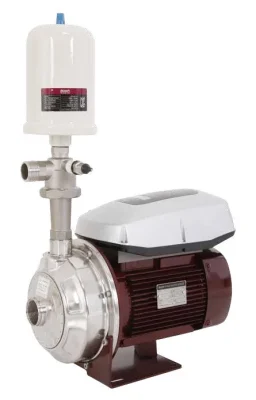
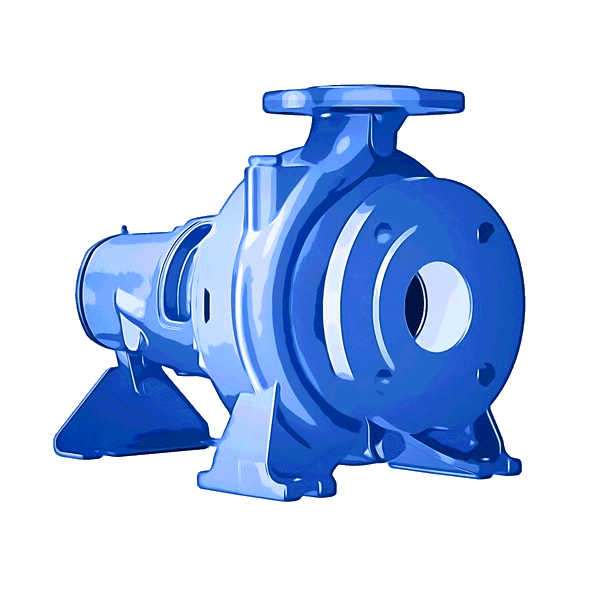
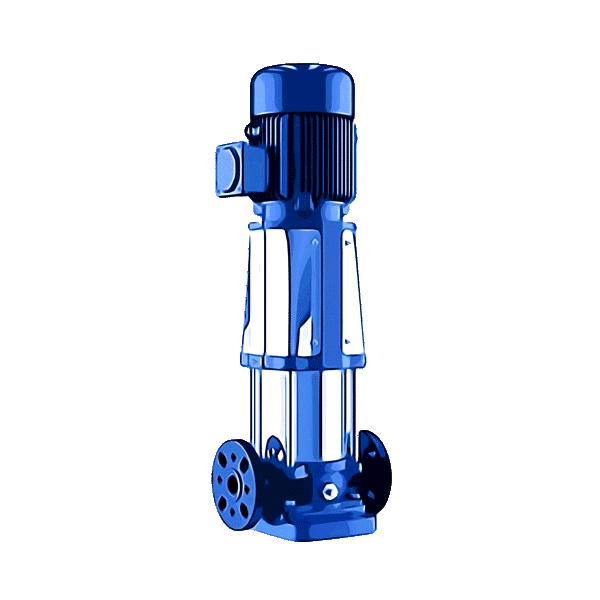




For homes and small buildings, a single booster pump setup (one pump combined with a pressure switch or VFD) is typically sufficient and cost-effective. Your choice depends on the water source: if the underground tank is below the pump, you need a self-priming pump; for overhead tanks or weak tap water pressure, a standard booster pump with a pressure switch works well; for smooth, stable pressure, add a VFD. The Dooch single booster pump range (NSQ, SQ2-DHF/DHM, DHJ/DHJA self-priming) covers flow rates up to 29 m³/h, head up to 68 m, power 0.37–5.5 kW, suitable for households and small-scale projects.
- Homes and small buildings: one single booster pump is sufficient
- Underground tank below pump level → choose self-priming pump (DHJ/DHJA)
- Pressure switch = low cost, simple; VFD = smooth pressure, energy saving
- Dooch single: up to 29 m³/h, head up to 68 m, 0.37–5.5 kW
- Calculate head ≈ number of floors × 3.5 m + tap pressure + pipe losses
When Your Home Needs a Booster Pump
Signs of Low Water Pressure and Actual Needs
A booster pump is used when tap water or water from a storage tank flows weakly: the shower trickles when multiple taps are open at the same time, the water heater fails to activate, or upper floors lack adequate pressure. The pump raises the head so that all fixtures operate reliably. For a 3–4-storey townhouse or small villa, demand typically falls within the flow rate and head range that a single booster pump can handle.
To make the right choice, estimate the required head using the approximate formula: number of floors × 3.5 m, plus the minimum pressure at the tap (approximately 10–15 m) and pipe losses. For example, a 4-storey building needs about 14 m for elevation, plus tap pressure and losses, resulting in a head of several tens of metres — well within the up-to-68 m range of the Dooch single booster pump.
| Building Scale | Suggested Configuration |
|---|---|
| Apartment, 1–2-storey house | 1 single booster pump + pressure switch |
| 3–5-storey townhouse | 1 single booster pump + VFD (smooth pressure) |
| Underground tank below pump level | Self-priming pump DHJ/DHJA |
Three Control Types: Pressure Switch, Self-Priming, and VFD
Understanding How the Pump Starts and Maintains Pressure
Residential booster pumps differ mainly in how they control on/off switching and pressure maintenance:
Pressure switch (pressure relay): the pump runs when pressure drops below the set threshold and stops when it reaches the threshold. Simple, low cost, suitable for basic needs. The drawback is that outlet pressure may fluctuate when taps are opened and closed frequently.
Self-priming: the pump can draw water and purge air from the suction line on its own, used when the water source (underground tank, well) is located below the pump. The Dooch DHJ/DHJA series belongs to this category.
VFD (Variable Frequency Drive): the controller varies motor speed to maintain stable discharge pressure according to current water demand. Compared to on/off control with a pressure tank, VFD delivers smoother flow, reduces pressure surges, and saves energy at low loads. Dooch equips the NQ/NSQ/XQ Drive series with VFDs for booster configurations.
| Control Type | Advantages | Suitable When |
|---|---|---|
| Pressure switch | Simple, low cost | Small house, basic needs |
| Self-priming | Can draw from source below pump level | Underground tank, well below floor level |
| VFD | Smooth pressure, energy saving | Multi-storey building requiring stable pressure |
Dooch Single Booster Pump Parameter Range
Series and Application Range
The single booster pump group from Dooch includes the NSQ, SQ2-DHF (horizontal multi-stage), SQ2-DHM (horizontal single-stage), and DHJ/DHJA (self-priming) series. The basic configuration is one pump combined with a VFD or pressure switch, with cast iron or stainless steel material depending on the model. The application range covers most needs of households and small-scale buildings.
| Parameter | Value Range (Dooch single booster pump) |
|---|---|
| Flow rate | Up to 29 m³/h |
| Head | Up to 68 m |
| Power | 0.37–5.5 kW |
| Horizontal multi-stage / single-stage series | SQ2-DHF / SQ2-DHM |
| Self-priming series | DHJ / DHJA |
Specific figures for each model (operating point, port diameter, performance curve) vary by model and installation conditions; refer to the catalog and actual requirements when finalising a configuration.
Steps for Selecting a Booster Pump for Your Home
Selection Process by Water Source and Scale
A suggested sequence to avoid over- or under-sizing:
Step 1 — Identify the source: water from an overhead tank, direct tap supply, or underground storage tank. If the tank is below the pump, prioritise a self-priming pump.
Step 2 — Calculate head: number of floors × 3.5 m + minimum tap pressure + pipe losses. This is the minimum head the pump must achieve.
Step 3 — Estimate flow rate: add the flow rates of fixtures that may run simultaneously (shower, toilet, washing machine). Small buildings typically fall below the 29 m³/h threshold of the single pump.
Step 4 — Select control type: for limited budgets and basic needs, a pressure switch; for smooth pressure and energy savings, a VFD.
Step 5 — Select material: cast iron for standard domestic water; stainless steel when corrosion resistance or higher hygiene requirements are needed.
DOOCH · SOUTH KOREA Single Booster Pump Solutions for Homes
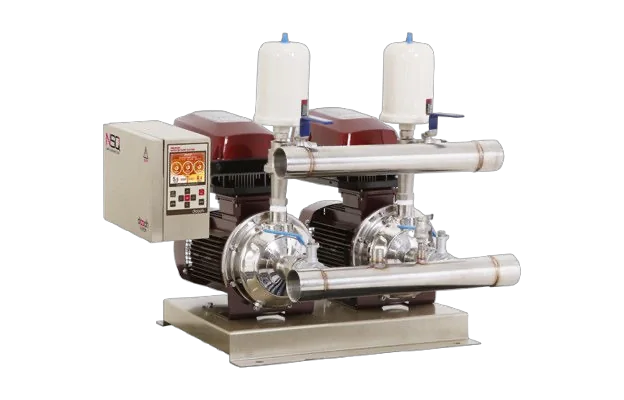
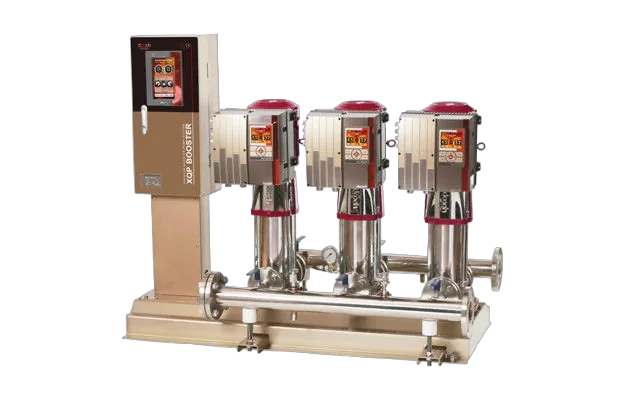
Dooch (South Korea) offers a range of pumps and booster systems in cast iron/stainless steel with NQ/NSQ/XQ Drive VFD series. For households and small buildings, the single booster pump group (NSQ, SQ2-DHF/DHM, DHJ/DHJA self-priming) covers flow rates up to 29 m³/h, head up to 68 m, power 0.37–5.5 kW. For larger requirements — apartments, multi-storey buildings — Dooch also offers multi-master VFD booster systems (one VFD per pump) for reliable redundancy. TKT Pumps is the distributor of Dooch in Vietnam, with 19+ years of experience, 12k+ projects, and 24/7 technical support.
Frequently Asked Questions
Which type of residential booster pump is suitable for a 4-storey townhouse?
+
A 3–5-storey townhouse is well served by a single booster pump with a VFD to maintain stable pressure when multiple taps are open simultaneously. The required head should be estimated at number of floors × 3.5 m plus tap pressure and pipe losses, typically falling within the up-to-68 m range of the Dooch single booster pump.
When is a self-priming pump needed instead of a standard pump?
+
Choose a self-priming pump (such as the Dooch DHJ/DHJA series) when the water source — underground tank, well — is located below the pump. A self-priming pump can draw water and purge air from the suction line on its own, ensuring more reliable starting in these situations.
Does a VFD booster pump save more energy?
+
The VFD adjusts motor speed according to current water demand to maintain stable discharge pressure, so at low loads it uses less energy than on/off control with a pressure tank, while also delivering smoother flow and reducing pressure surges.
Should a domestic water booster pump use cast iron or stainless steel?
+
Cast iron is suitable for standard domestic water at a reasonable cost. Stainless steel is preferred when corrosion resistance or higher hygiene requirements are needed. Dooch offers models in both material groups depending on the application.
Is a single booster pump sufficient for an entire small building?
+
For a small building, simultaneous flow rates typically fall below 29 m³/h and head below 68 m, so a single Dooch booster pump is sufficient. For larger scales or higher redundancy requirements, a multi-pump VFD booster system should be considered.
How to calculate the required head for a small building?
+
The required head is estimated approximately as number of floors × 3.5 m, plus the minimum pressure at the tap (approximately 10–15 m) and pipe losses. This total is the minimum head the pump must achieve for all fixtures to operate reliably.
Need advice on choosing a booster pump sized correctly for your home or building?
Submit a Consultation Request or hotline 0941.400.488
Source: Dooch (South Korea) technical documentation — single booster pump series NSQ, SQ2-DHF/DHM, DHJ/DHJA. Compiled by TKT.