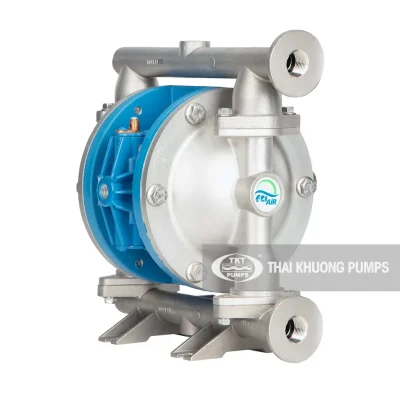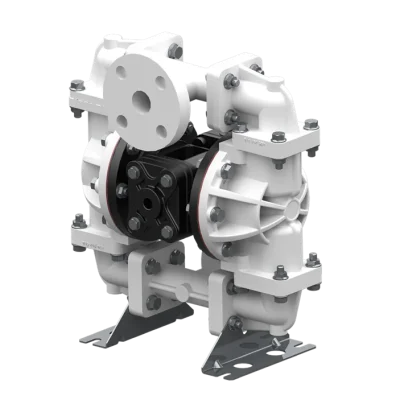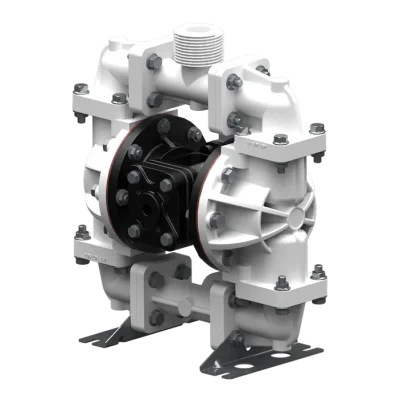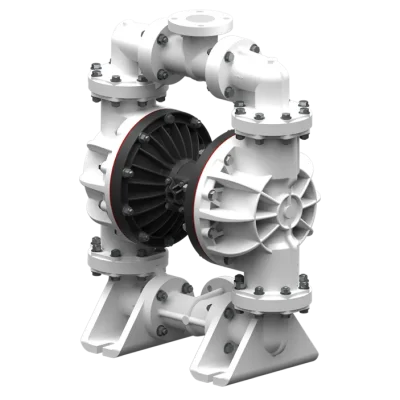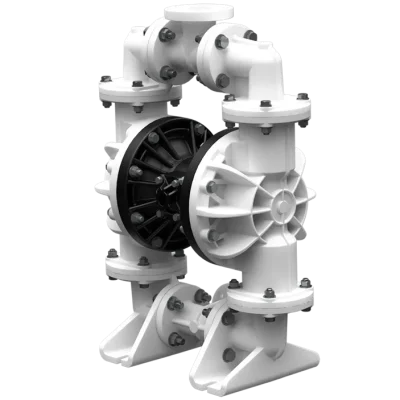




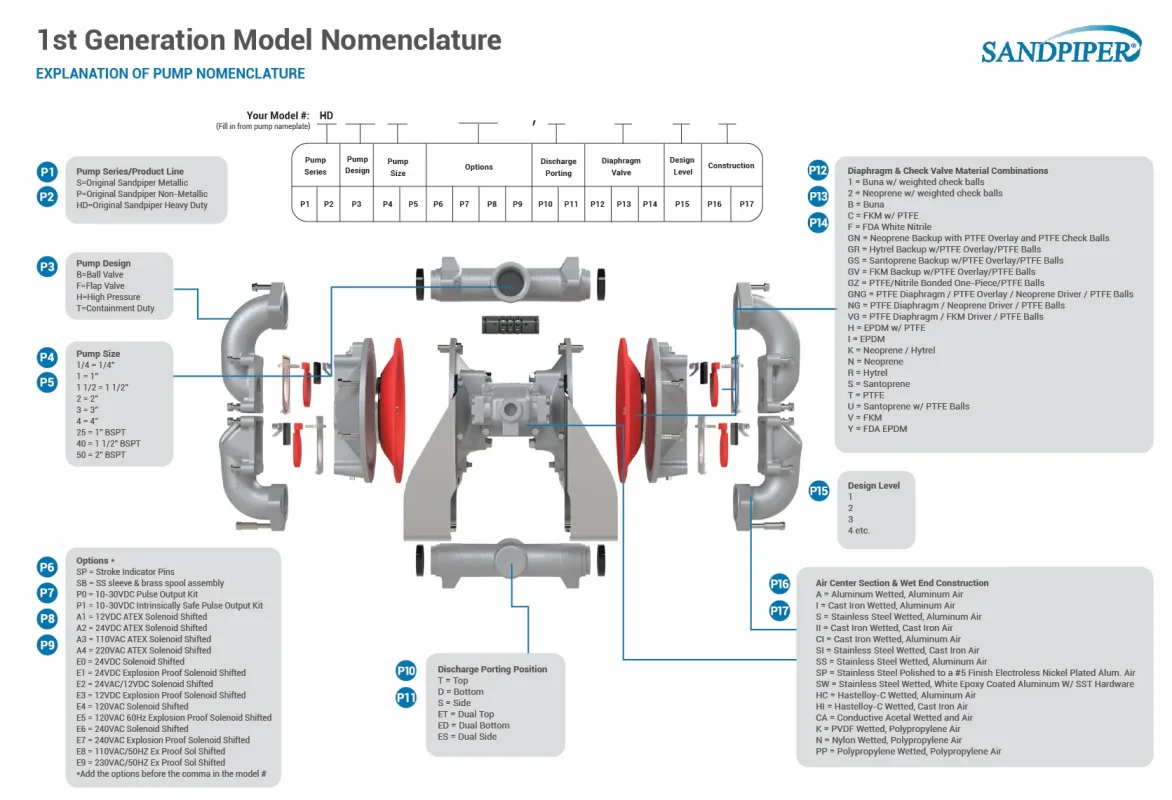
The Sandpiper diaphragm pump model number is a structured character string in which each position encodes a specific technical parameter: pump series, port size, body material, diaphragm and ball/seat material, discharge port type, and available options. Reading the model number correctly allows engineers to confirm the exact pump configuration during new installation and to quickly look up replacement spare parts during maintenance — without having to disassemble the pump to determine whether it is made of aluminum, cast iron, or SS316.
Sandpiper (Warren Rupp / IDEX, USA) uses a nomenclature system for AODD air-operated diaphragm pumps divided into 3 generations. Each model number contains fixed information fields, read sequentially from left to right. Understanding this logic allows you to order the correct spare parts and select the right configuration from the outset.
- 3 nomenclature generations — Gen 1 (Heavy-Duty ball valve), Gen 2 (Standard Duty non-metallic), Gen 3 (Containment/EvolutionX)
- 9 port sizes — from 1/4″ (6 mm) to 4″ (100 mm)
- Body material — aluminum, cast iron, SS316, PP, PVDF
- Diaphragm & valve — PTFE, Santoprene, Neoprene, Buna-N, EPDM, Geolast, Polyurethane
- Operating air pressure — range 1.4–8.6 bar; dry-run safe, self-priming, seal-less
Air-Operated Diaphragm Pumps (AODD) — Why Model Numbers Matter
Working Principle and Advantages of AODD
Air-operated diaphragm pumps (AODD — Air-Operated Double Diaphragm) use compressed air as the power source to drive two diaphragms alternately, requiring neither an electric motor nor mechanical seals. The technical characteristics of this pump type make it suitable for many challenging applications in industrial plants:
- Seal-less — no mechanical seals to leak or wear, reducing failure points
- Self-priming and dry-run safe — the pump can prime and run unloaded without damage
- Low shear — suitable for shear-sensitive fluids, latex, paint, and semi-liquid food products
- Handles solids-laden, viscous, and abrasive fluids — slurries, pastes, and fluids with sediment
Because a single pump body can accommodate many different material combinations (aluminum or stainless steel body; PTFE or Santoprene diaphragm; ball valve or flap valve), Sandpiper requires a nomenclature system to encode the complete configuration into a single character string. When you have the model number in hand, you hold the complete “birth certificate” of that pump.
!Ordering the wrong diaphragm material code (for example, Buna-N instead of PTFE) can cause premature pump failure when handling corrosive chemicals. Always verify the complete model number before ordering spare parts.
Three Sandpiper Nomenclature Generations
Distinguishing Gen 1, Gen 2, Gen 3
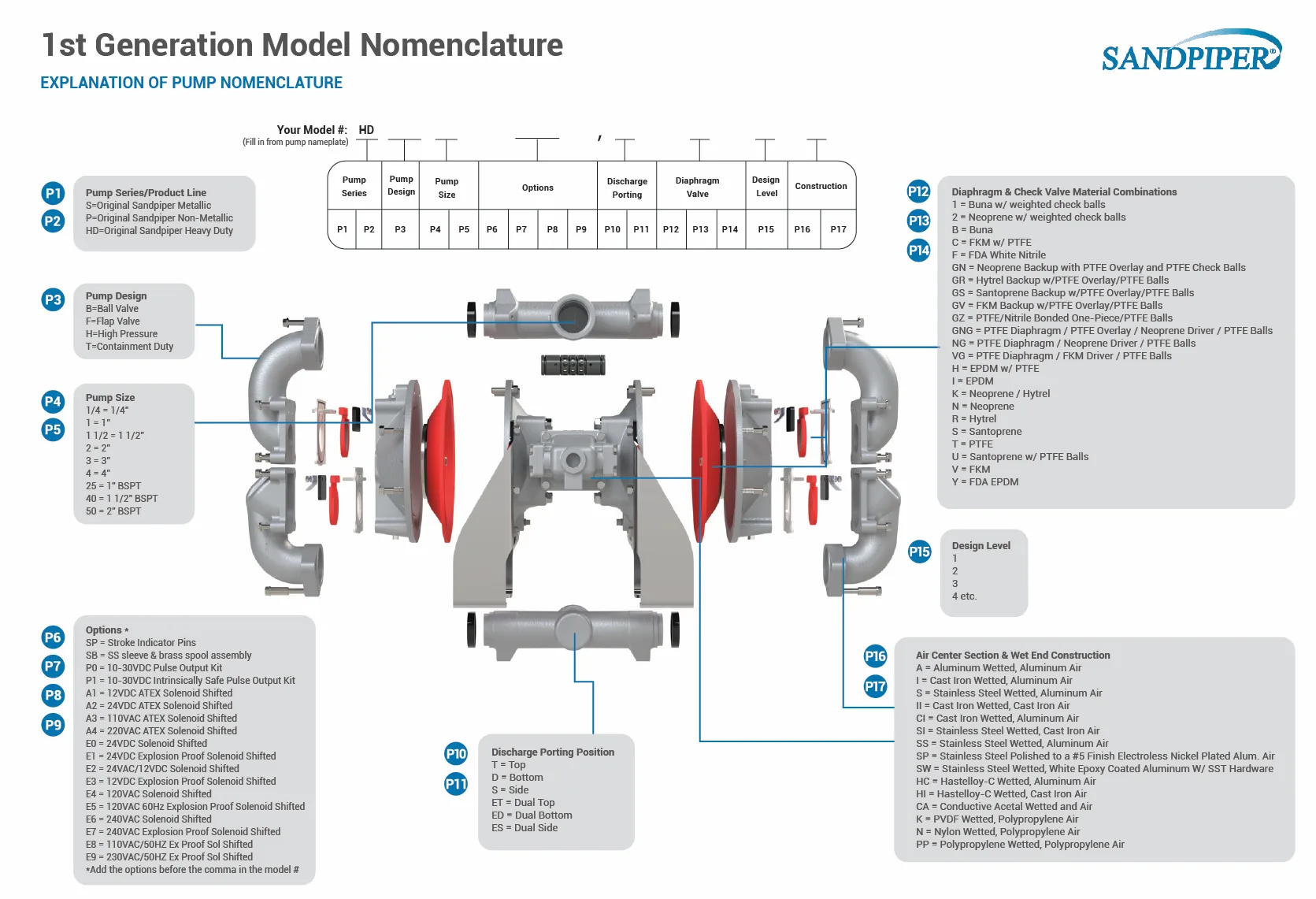
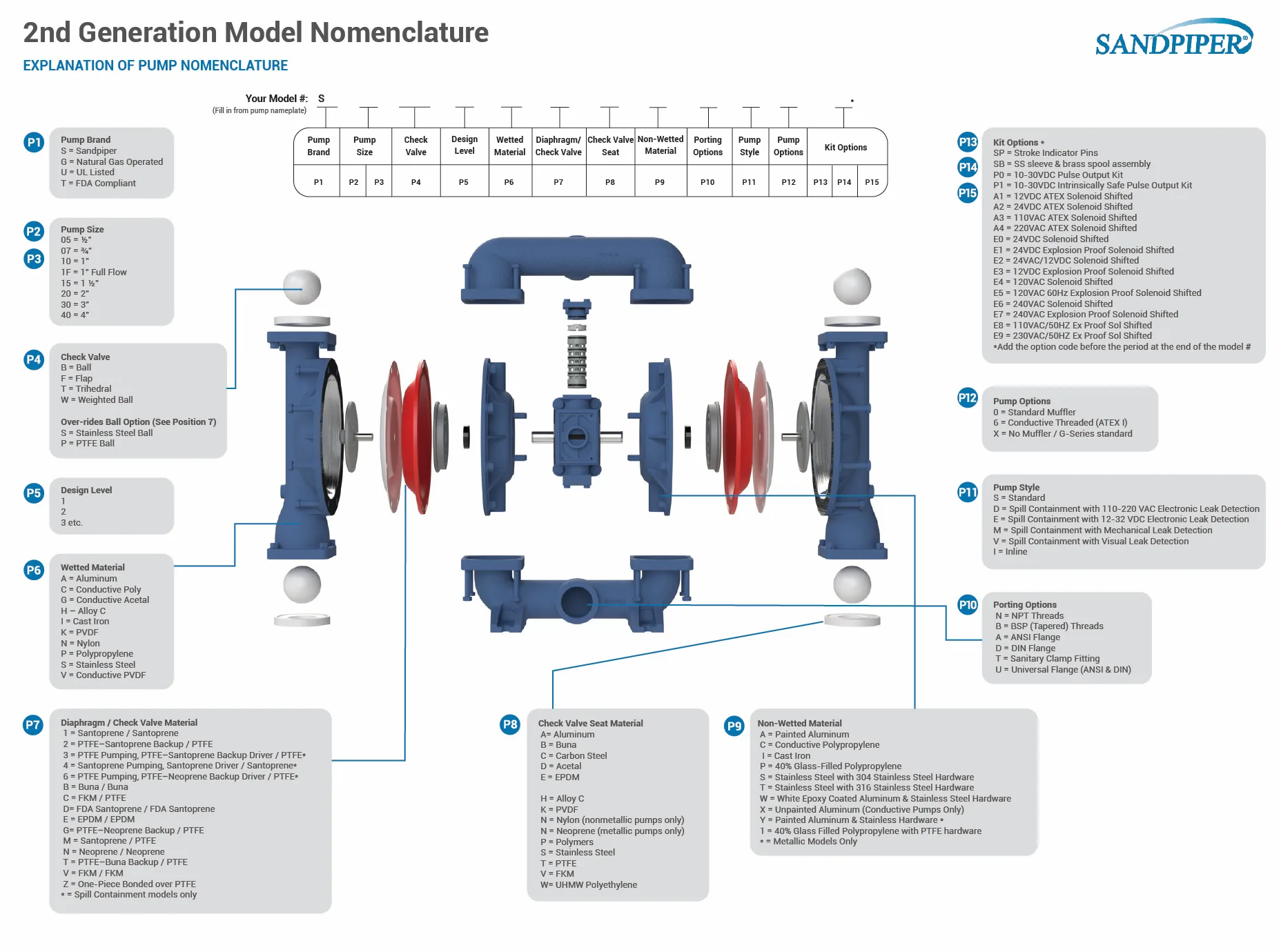
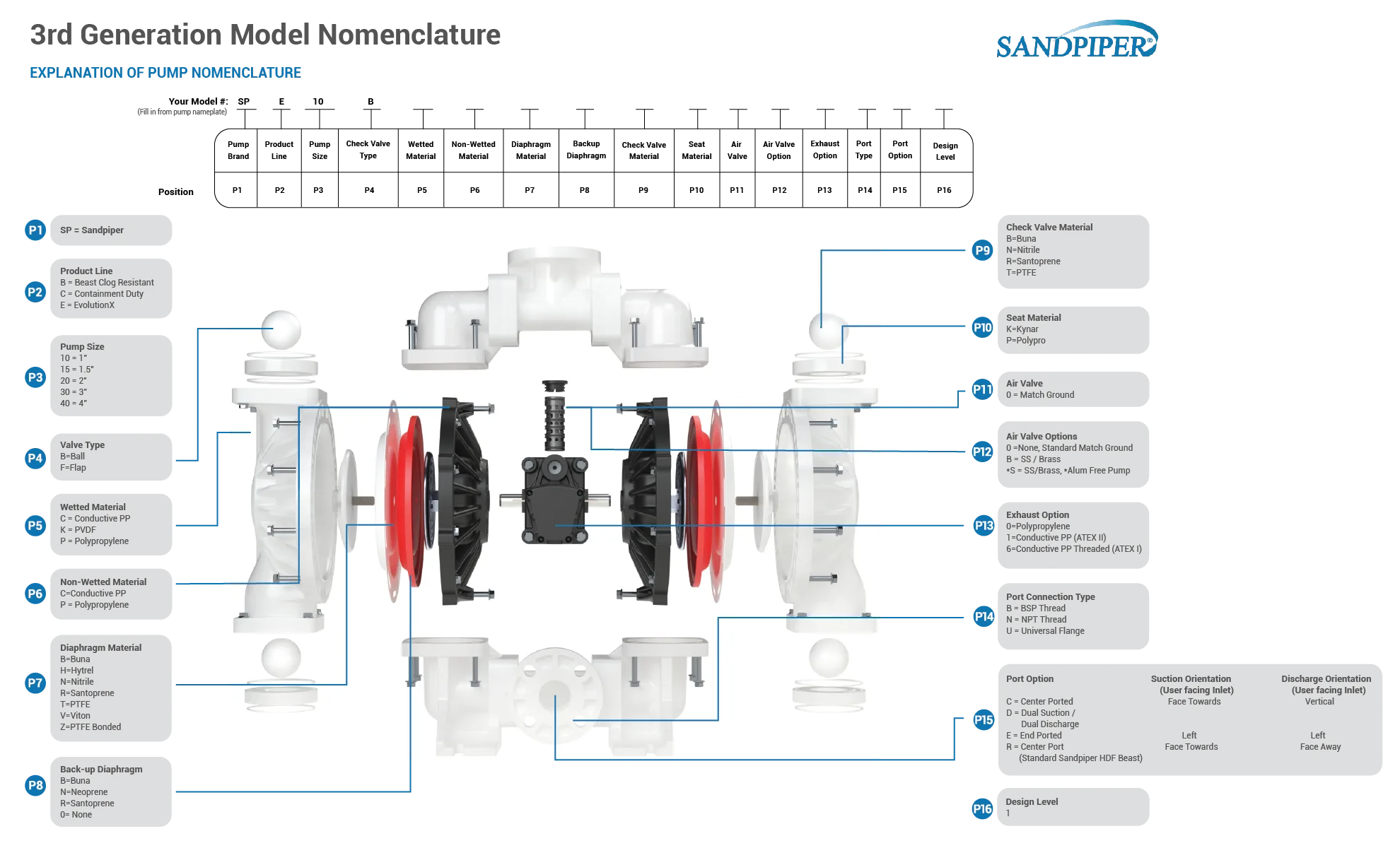
Sandpiper applies three nomenclature systems corresponding to three product groups. Each generation has a different number of information fields, but the sequential reading principle is the same.
| Generation | Product Group | Example Model | Key Information Fields |
|---|---|---|---|
| Gen 1 | Heavy-Duty ball valve (metallic), for fluids with sediment / suspended solids / floating matter | 1½” Heavy-Duty ball valve pump | Pump series, design type, size, discharge port position, diaphragm & valve material, design level, body material type |
| Gen 2 | Standard Duty non-metallic (traditional ball valve) | S05 non-metallic Standard Duty (1/2″) | Brand identification, pump size, valve type, design level, wetted material (PP/PVDF), diaphragm & valve, port options, pump type, kit |
| Gen 3 | Containment Duty / EvolutionX, advanced features | EvolutionX 1″ | Pump size, valve type, design level, wetted material, diaphragm & valve combination, valve seat material, port type (ANSI/DIN flange), leak containment / leak detection options |
!The same pump size may appear in a different nomenclature generation depending on the product group. Determine first whether the pump belongs to the Heavy-Duty, Standard Duty, or Containment group before applying the corresponding decoding diagram.
Reading Each Field: Port, Material, Valve
Information Fields Common to All Model Numbers
Regardless of generation, the field groups below appear in most Sandpiper model numbers. This is the section engineers need to master in order to “decode” any character string.
| Field | Encoded Content | Common Values |
|---|---|---|
| Port size | Suction/discharge port diameter | 1/4″ (6 mm), 3/8″ (10 mm), 1/2″ (15 mm), 3/4″ (20 mm), 1″ (25 mm), 1½” (40 mm), 2″ (50 mm), 3″ (80 mm), 4″ (100 mm) |
| Check valve type | Check valve mechanism | Ball valve or flap valve |
| Body material | Wetted part in contact with fluid | Aluminum, cast iron, SS316, PP, PVDF |
| Diaphragm & valve material | Elastomer | PTFE, Santoprene, Neoprene, Buna-N, EPDM, Geolast, Polyurethane |
| Discharge port type | Port direction/thread standard | NPT or BSP; center or inline port; ANSI/DIN flange (Gen 3) |
| Options | Additional features | Conductive/non-conductive, kit, leak containment / leak detection |
Reading tip: ball valves suit clean to moderately dirty fluids and provide good suction performance; flap valves open a larger flow cross-section, suited for fluids with large solids, fibers, or floating matter that tend to jam a ball valve. The diaphragm material field determines chemical compatibility — PTFE offers broad chemical resistance, Santoprene/EPDM balance durability and cost, Buna-N is compatible with mineral oils.
Sandpiper Pump Series and How to Apply the Code
From S05 to “the Beast”
- S-series (S05–S30, S1F) — Standard Duty, wide size range for general industrial applications
- Heavy-Duty ball valve (HDB) & flap valve (HDF) — for fluids with sediment, suspended solids, and floating matter
- SPB20 “the Beast” — heavy-duty series, robust construction for demanding operating conditions
- EvolutionX & Containment Duty — advanced features with leak containment and leak detection options
- G-series & specialty lines — FDA/sanitary, high-pressure, air-operated, submersible, or EODD (Electric-Operated Double Diaphragm — reduced air consumption diaphragm pump) versions
Technical note for Vietnamese plants: if compressed air cost is an operational burden, the EODD (Electric-Operated Double Diaphragm) series retains the seal-less and low-shear advantages of AODD while reducing air consumption. When reading the model number, the material and port size fields follow the same logic.
!Typical operating air pressure for AODD pumps is in the range 1.4–8.6 bar. Supplying air outside this range may affect diaphragm life and performance — check the specifications of the specific pump series before connecting the air supply.
Using Model Numbers in Maintenance and Spare Parts Ordering
Quick Reference Procedure
Understanding the nomenclature ensures correct pump specification during new installation and reduces downtime when spare parts are needed. Recommended procedure:
- Read the code from the pump nameplate and identify the generation (Gen 1/2/3) based on the product group
- Parse each field: port size → valve type → body material → diaphragm/valve material → port type → options
- Verify the diaphragm material field against the chemical/fluid being pumped to confirm compatibility
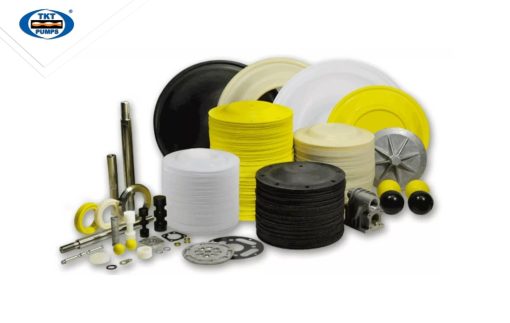
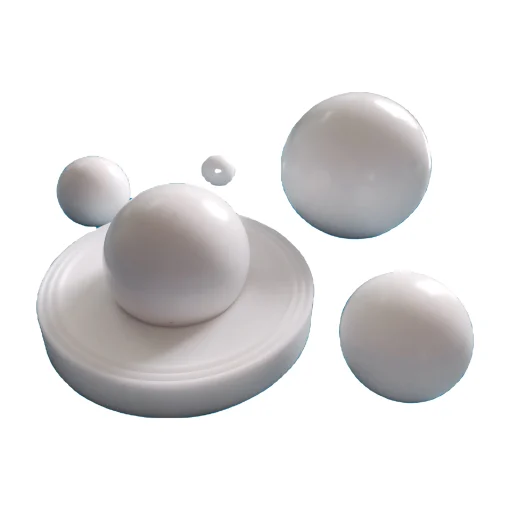
- When ordering spare parts (diaphragm, ball, valve seat), provide the complete model number to match the correct kit for the configuration
Reading the code correctly at the specification stage helps avoid wrong material installation, reduces the risk of premature failure, and shortens downtime during replacement.
Sandpiper Diaphragm Pumps — Authorized Distributor
SANDPIPER · USA Sandpiper AODD Air-Operated Diaphragm Pumps in Vietnam
Sandpiper (Warren Rupp / IDEX, USA) is a line of AODD air-operated diaphragm pumps with a wide configuration range: aluminum, cast iron, SS316, PP, PVDF body; PTFE, Santoprene, Neoprene, Buna-N, EPDM diaphragm; ball valve or flap valve. The standardized nomenclature system enables rapid identification of configuration and spare parts — suited for chemical pump applications, solids-laden fluids, viscous and abrasive fluids in industrial plants.
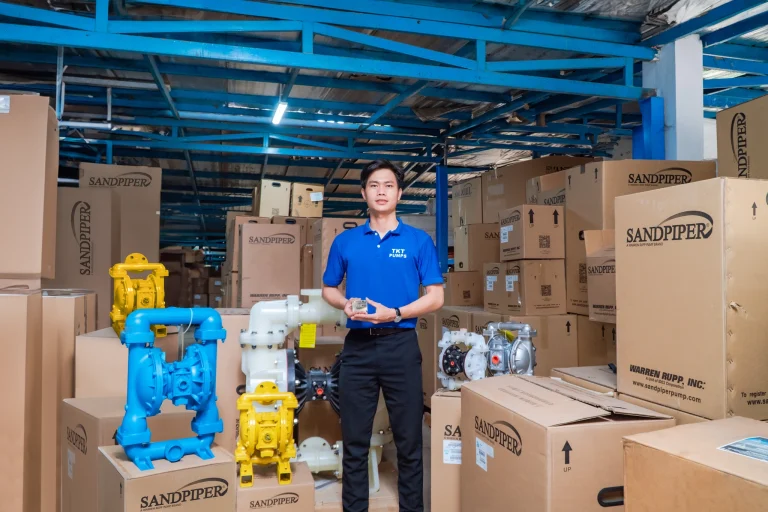
TKT Pumps is the authorized distributor of Sandpiper in Vietnam (IDEX authorization letter 30/06/2024), with 19+ years of experience, 12,000+ projects delivered, a warehouse of 5,000+ spare parts, and 24/7 technical support. The technical team assists with model decoding, selection of appropriate material configurations for the application, and spare parts lookup.
Frequently Asked Questions
How do you read a Sandpiper pump model number?
+
Read sequentially from left to right; each position encodes one parameter: pump series, port size, valve type, body material, diaphragm and ball/valve seat material, discharge port type, and options. First identify which nomenclature generation the pump belongs to (Gen 1 Heavy-Duty, Gen 2 Standard Duty, Gen 3 Containment), then apply the corresponding diagram.
How many nomenclature generations does Sandpiper use?
+
There are 3 generations: Gen 1 for Heavy-Duty ball valve pumps (metallic), Gen 2 for Standard Duty non-metallic (e.g. S05 series), and Gen 3 for Containment Duty / EvolutionX with leak containment and leak detection options. Each generation has a different number of fields but the same reading logic.
What do the material codes in the model number mean?
+
The code contains body material fields (aluminum, cast iron, SS316, PP, PVDF) and diaphragm/valve material fields (PTFE, Santoprene, Neoprene, Buna-N, EPDM, Geolast, Polyurethane). The diaphragm material field determines chemical compatibility and must be verified against the pumped fluid before ordering spare parts.
What is the difference between a ball valve and a flap valve?
+
Ball valves suit clean to moderately dirty fluids and provide good suction performance. Flap valves open a larger flow cross-section, suited for fluids with large solids, fibers, or floating matter that tend to jam a ball valve. The valve type is encoded in the model number.
What port sizes does Sandpiper support?
+
Port sizes range from 1/4″ (6 mm), 3/8″ (10 mm), 1/2″ (15 mm), 3/4″ (20 mm), 1″ (25 mm), 1½” (40 mm), 2″ (50 mm), 3″ (80 mm) to 4″ (100 mm). The port size is encoded in a fixed field within the model number.
What is the operating air pressure of an AODD diaphragm pump?
+
The typical operating air pressure range for AODD air-operated diaphragm pumps is 1.4–8.6 bar. The pump is self-priming, dry-run safe, and requires no mechanical seals. Always check the specifications of the specific pump series before connecting the air supply.
Need to decode a model number or select a Sandpiper diaphragm pump configuration? The TKT technical team assists with model reading, advises on diaphragm/body material selection for your application, and looks up replacement spare parts.
Send a Consultation Request or call 0941.400.488
Technical source: Sandpiper (Warren Rupp / IDEX) documentation — Sandpiper Pump Nomenclature Guide. Compiled and localized by TKT for operating conditions in Vietnam.