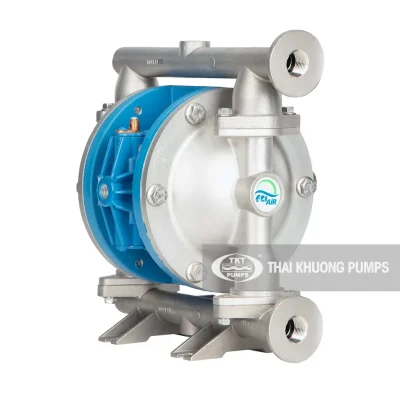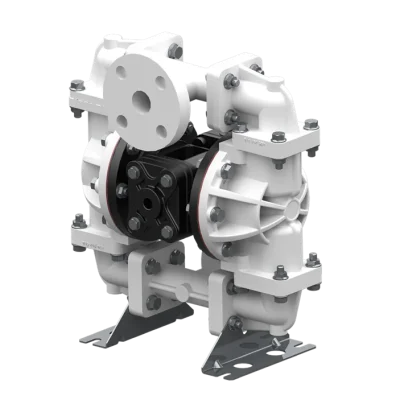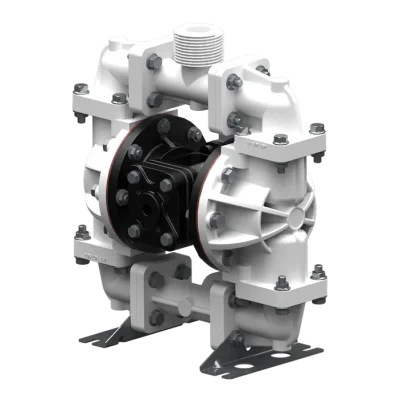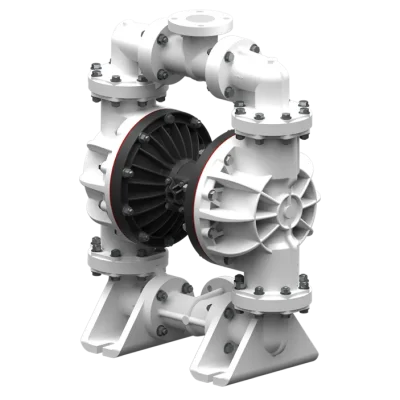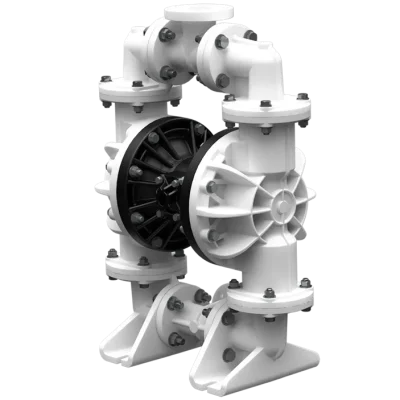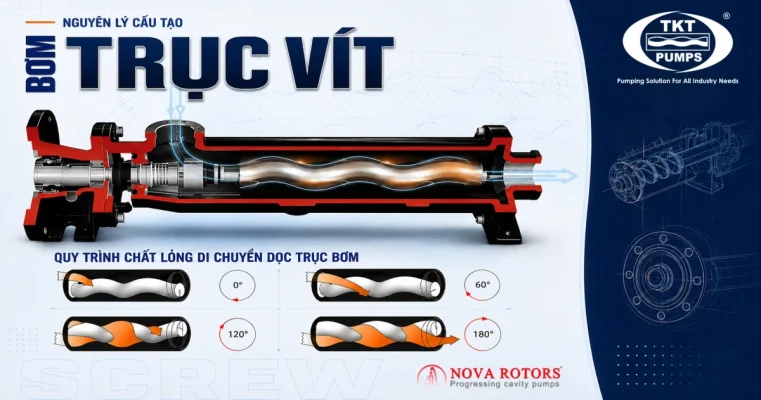


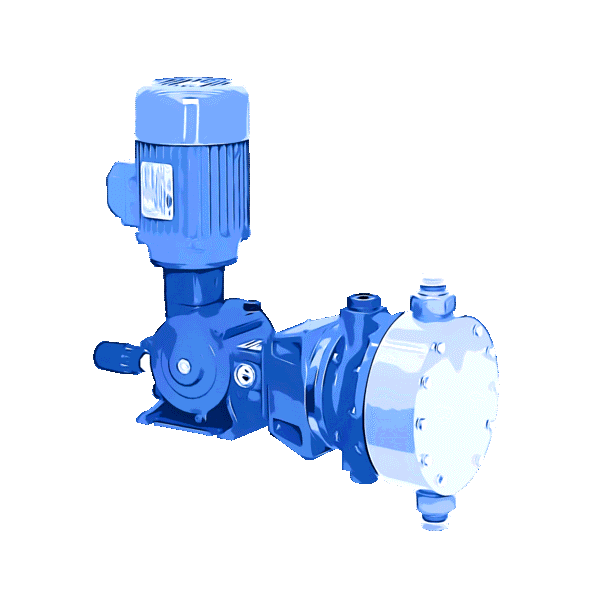


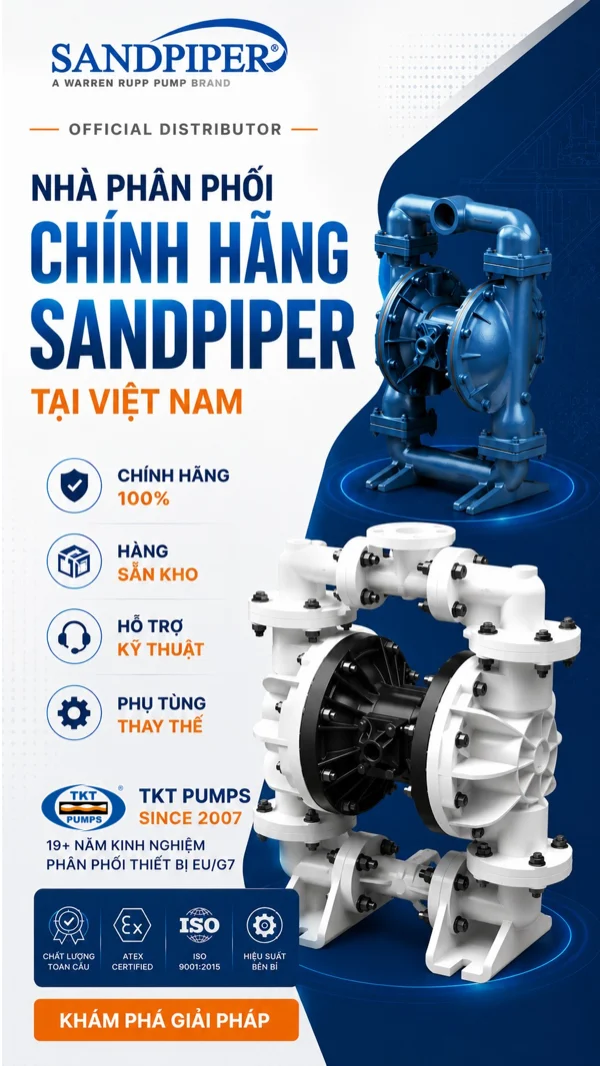
An air-operated diaphragm pump (AODD — Air-Operated Double Diaphragm) is a positive-displacement pump that uses compressed air as its power source, operating two diaphragms alternately to draw in and discharge fluid. Its hallmark features are a seal-less design, self-priming capability, safe dry-run operation, and the ability to handle fluids containing solids, high-viscosity media, or corrosive chemicals. This is the short answer; the sections below address 8 technical questions that maintenance engineers at Vietnamese plants frequently ask when evaluating this pump type.
Air-operated diaphragm pumps are suited to applications requiring the transfer of challenging fluids: corrosive chemicals, abrasive slurries, high-viscosity media, or environments with explosion hazards. Below are the key parameters to understand when evaluating this equipment.
- Viscosity up to 90,000 cSt — equivalent to 415,500 SSU, capable of handling very thick fluids.
- Sizes ¼” to 4″ — from 6 mm to 100 mm inlet/outlet ports to match flow rate requirements.
- Air pressure 1.4 – 8.6 bar — typical operating air pressure range for AODD pumps.
- Seal-less design — safe dry-run without pump damage, eliminating seal leakage risk.
- EODD saves air — electric diaphragm pump variant significantly reduces compressed air consumption.

What Are the Benefits of Air-Operated Diaphragm Pumps?
Technical Benefits of AODD Pumps
Air-operated diaphragm pumps are selected for many applications thanks to a combination of characteristics that other pump technologies rarely offer simultaneously. When there is no power supply or the environment carries explosion risk, compressed air becomes the appropriate power source.
- Safe dry-run — the pump is not damaged when fluid runs out, useful for batch or intermittent pumping.
- No electricity required — runs on compressed air, suitable for areas classified as explosion-proof zones.
- Supports suction lift, flooded inlet, and submerged installation configurations.
- Seal-less design — eliminates mechanical seals, reducing leakage points and maintenance requirements.
- Self-priming — no manual priming required at each startup.
!Safe dry-run capability does not mean the pump should be run dry continuously. Ensure a steady fluid supply so that diaphragms and valves maintain the service life recommended by the manufacturer.
How Is Flow Rate Controlled and Air Consumption Managed?
Flow Rate, Air Filtration, and Consumption
The flow rate of an air-operated diaphragm pump is controlled primarily by adjusting the pressure and volume of the incoming air supply. The common method is to install a filter-regulator on the air line.
- The filter-regulator removes solid particles and condensate moisture from the air, protecting the air distribution valve.
- At the same time, it allows finer adjustment of pump flow rate to match process requirements.
- A standard pump requires sufficient air pressure and volume to operate correctly on its performance curve.
- Refer to the flow curve in the technical documentation to confirm that the air compressor has adequate capacity.
!Increasing the air volume supplied means increasing energy consumption. If compressed air cost is a concern, consider the electric diaphragm pump (EODD/EvolutionX) variant, which significantly reduces air consumption.
What Viscosity and Solid-Particle Levels Can the Pump Handle?
Viscosity, Thick Fluids, and Abrasion
Air-operated diaphragm pumps can handle fluids with very high viscosity — according to technical documentation, up to approximately 90,000 cSt (equivalent to 415,500 SSU). For thick fluids, several measures help the pump operate more effectively.
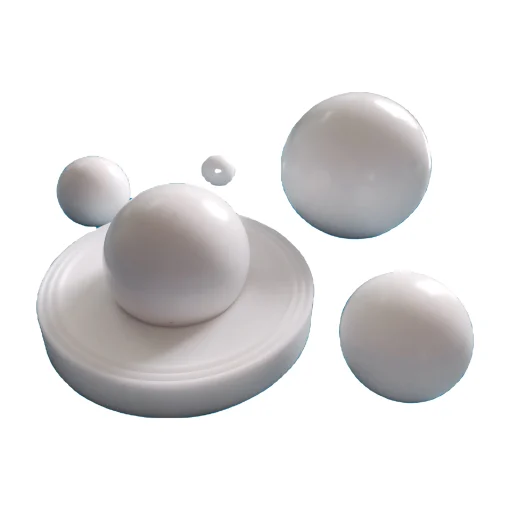
- Use weighted ball checks so that valves close positively when handling viscous fluids.
- Select a larger pump size than strictly required to compensate for the flow rate reduction that occurs as viscosity increases.
- Arrange gravity feed to assist inlet flow.
- Valve type: ball valves suit clean to lightly laden fluids; flap valves suit fluids with large solids.
Thanks to the diaphragm working principle and low shear forces, AODD pumps can transfer abrasive slurries and solid-laden fluids that many centrifugal pumps cannot handle.
How Do You Select Diaphragm and Pump Body Materials?
Material Compatibility with the Fluid
The selection of wetted-part materials — diaphragms, balls/valves, valve seats, and the pump body — determines durability and chemical compatibility. Cross-reference the manufacturer’s material compatibility chart against the specific fluid before finalising the configuration.
| Diaphragm Material | Key Characteristics | Suitable When |
|---|---|---|
| PTFE | Broad chemical resistance, heat resistance | Strong chemicals, acids/bases, solvents |
| Santoprene | Good elasticity, high fatigue life | General-purpose applications, water-based fluids |
| Buna-N (NBR) | Resistance to mineral oils | Oils, fuels, petroleum-based fluids |
| EPDM | Resistance to dilute acids/bases, hot water | Dilute chemicals, water, steam |
| Neoprene / Geolast / Polyurethane | Abrasion resistance, specific mechanical properties | Abrasive slurries, specialised applications |
Common pump body materials include aluminium, stainless steel 316, PP plastic, PVDF, and cast iron — selected according to the corrosive environment and hygiene requirements.
What Should You Pay Attention to During Maintenance and Installation?
Wear Parts and Bolt Torquing
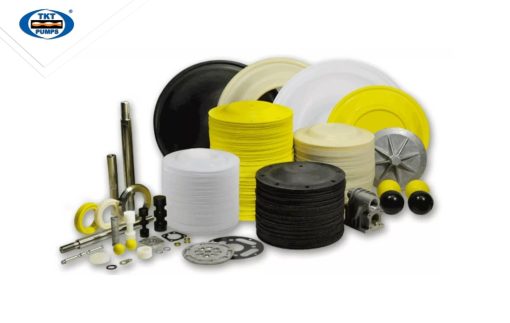
The main wear parts of an air-operated diaphragm pump are the diaphragms, ball checks, valve seats, and flap valves. They can be replaced individually or as a maintenance kit, reducing machine downtime.
- Schedule diaphragm and valve inspections based on operating hours and fluid characteristics.
- Stock wear part kits for rapid replacement to minimise production line downtime.
- Refer to the torque specifications in the technical documentation for each pump model.
!Bolts may gradually loosen due to material “creep”, vibration during operation, and temperature changes. Always re-torque to the specified value after installation and never tighten bolts while the pump is under pressure.
Sandpiper — AODD Diaphragm Pumps from the USA
SANDPIPER · USA Air-Operated Diaphragm Pumps for Demanding Applications
Sandpiper (Warren Rupp / IDEX, USA) is an air-operated diaphragm pump brand with a wide product range spanning different valve configurations and end uses. The line-up includes: the standard S05–S30 series, the S1F series, the PB series, the EvolutionX platform (reduced air consumption), the G-series, flap-valve models for high-solids fluids, and the heavy-duty “the Beast” (SPB20 2″) series. Configurations are organised into Containment Duty, Heavy-Duty Ball, Heavy-Duty Flap, Standard Duty, and Specialty groups — enabling the right match for each chemical, slurry, or viscous fluid application.
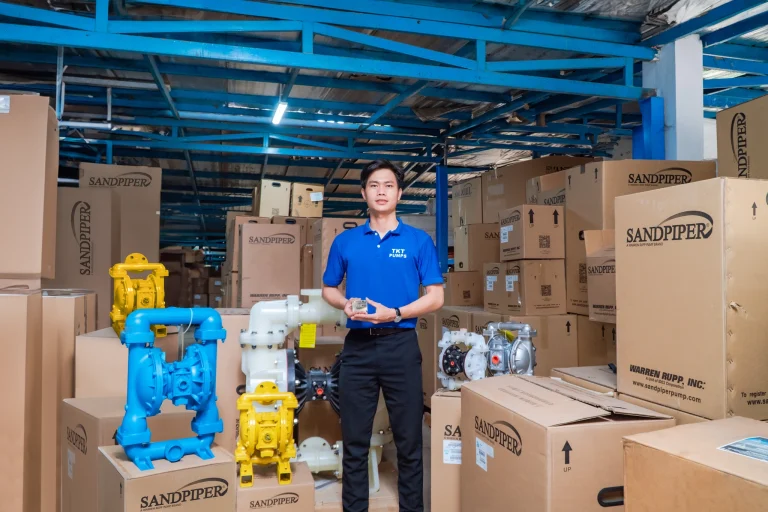
TKT Pumps is the authorised distributor of Sandpiper in Vietnam (IDEX authorisation letter), with over 19 years of experience, 12,000+ projects, and a warehouse of 5,000+ spare parts, providing 24/7 technical support.
Frequently Asked Questions
What is an air-operated diaphragm pump?
+
An air-operated diaphragm pump (AODD — Air-Operated Double Diaphragm) is a positive-displacement pump that uses compressed air to operate two diaphragms alternately, creating a suction–discharge cycle for the fluid. Its seal-less design, self-priming capability, and safe dry-run operation make it suitable for chemicals, slurries, viscous fluids, and explosion-risk environments.
How does an air-operated diaphragm pump work?
+
Compressed air is directed alternately by the air distribution valve into the two air chambers behind the two diaphragms. When one diaphragm is pushed out to discharge fluid, the other draws fluid in; ball or flap valves open and close with the flow direction. The cycle repeats continuously, producing a steady flow without any mechanical seal.
What viscosity can an AODD pump handle?
+
According to technical documentation, an air-operated diaphragm pump can handle fluids with viscosity up to approximately 90,000 cSt (415,500 SSU). For very thick fluids, use weighted ball checks, select a larger pump size, and arrange gravity feed to maintain performance.
What is the difference between ball valves and flap valves?
+
A ball valve uses a spherical ball to seal, suitable for clean to lightly loaded fluids. A flap valve uses a folding rubber flap with a wider opening, making it suitable for fluids containing large solids or fibres, reducing the risk of jamming. The choice depends on the specific fluid characteristics.
How does an electric diaphragm pump (EODD) differ from an air-operated one?
+
An electric diaphragm pump (EODD), such as the EvolutionX platform, uses an electric motor instead of compressed air, significantly reducing energy consumption because it does not rely on an air compressor. It retains the seal-less and self-priming advantages of an AODD but is suited to situations where compressed air costs are high and a safe electrical supply is available.
What should be done during installation and maintenance of a diaphragm pump?
+
Install a filter-regulator on the air line to protect the air valve; re-torque bolts to the specified value after installation (never tighten while under pressure); and stock wear-part kits (diaphragms, balls, valve seats, flap valves) for quick replacement. Refer to the technical documentation for each pump model for specifications.
Need to select the right diaphragm pump configuration for your fluid? The TKT technical team provides assistance with material compatibility checks, pump sizing, and valve selection for specific applications.
Submit a Consultation Request or hotline 0941.400.488
Technical source: Sandpiper (Warren Rupp/IDEX, USA) documentation on frequently asked questions for AODD air-operated diaphragm pumps. Compiled and localised for the Vietnamese market by TKT.