



Installing an air-operated diaphragm pump (AODD) correctly starts with three core actions: position the pump as close to the fluid source as possible to shorten the suction line, supply compressed air through a pressure-regulating valve maintained in the 1.4–8.6 bar range, and treat moisture in the air before it enters the pump. Get these three points right and the pump primes reliably, the exhaust port does not freeze, and flow rate matches the performance curve. This article consolidates 6 installation principles based on Sandpiper (Warren Rupp/IDEX) technical documentation, localized for factory conditions in Vietnam.
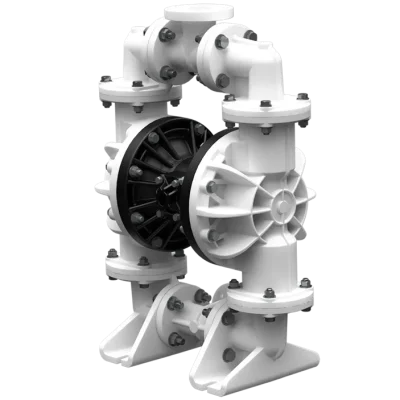
An air-operated diaphragm pump is a seal-less, self-priming pump that can run dry safely and produces low shear forces. Operating efficiency depends heavily on suction and discharge piping layout and the quality of the air supply. Key parameters and principles are listed below.
- 1.4–8.6 bar typical AODD operating air pressure range
- 1 drop / 20 SCFM additive-free SAE 10 oil if air valve lubrication is needed
- Seal-less no mechanical seal, self-priming, safe to run dry
- Short suction line position pump close to source; do not reduce suction pipe bore
- Point-of-use moisture removal prevents freezing and intermittent cycling at the exhaust port
Pump Location and Suction Piping Layout
Position the pump close to the source; keep the suction line as short as possible
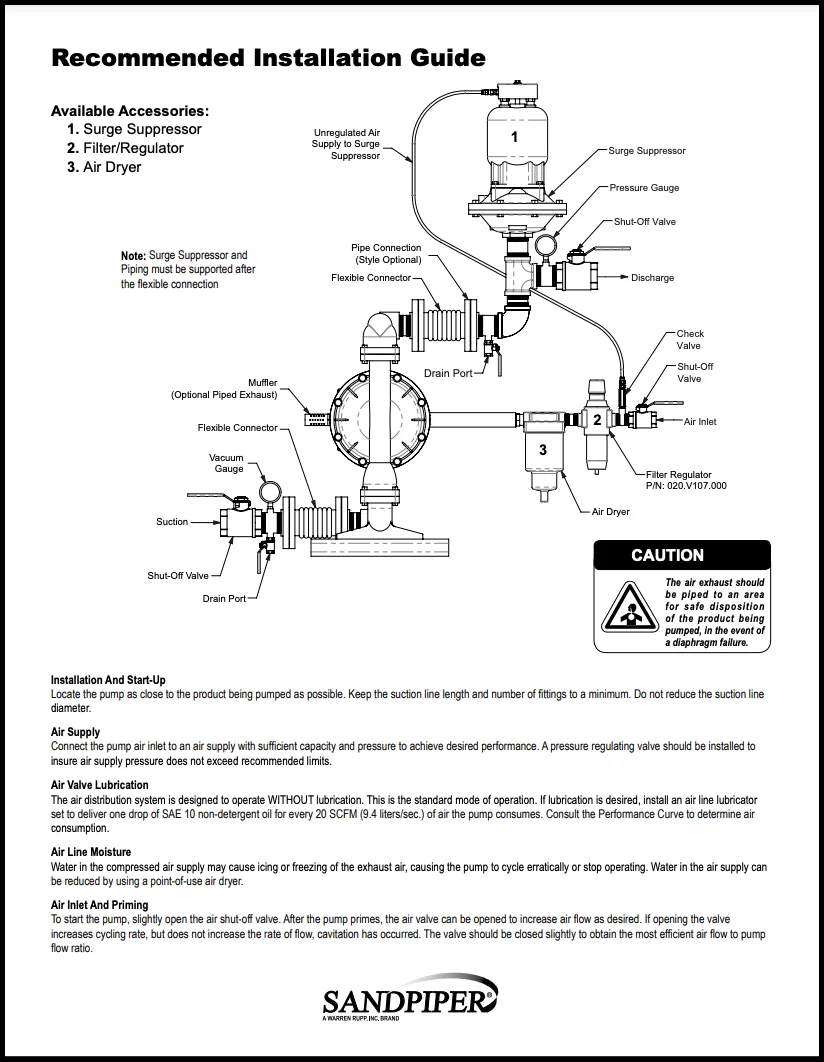
The fundamental principle: position the pump as close as possible to the liquid being pumped. A long suction line with multiple elbows and fittings increases pressure losses, reduces self-priming ability, and makes cavitation more likely. Although an air-operated diaphragm pump self-primes well, a compact suction arrangement still delivers more stable performance.
- Minimize suction line length and the number of fittings (elbows, valves, bends).
- Do not reduce the suction pipe bore below the pump’s suction port size.
- Prefer flooded suction when pumping viscous fluids or fluids containing solids.
- Support the piping with separate brackets so no load is transferred to the pump casing.
!Reducing or excessively lengthening the suction line is a common installation error. The pump increases its cycle rate but flow rate does not increase — a sign of cavitation.
Air Supply and Pressure-Regulating Valve
Sufficient air flow rate, correct pressure limit
The air-operated diaphragm pump uses compressed air as its driving force, so the air supply must provide both adequate pressure and flow rate (SCFM) for the desired operating point. A pressure-regulating valve must be installed in the air supply line to maintain pressure within the pump’s recommended limits, preventing over-pressure that could damage the diaphragm and pump casing.
| Air Supply Parameter | Recommendation | Technical Reason |
|---|---|---|
| Operating air pressure range | 1.4–8.6 bar | Matches AODD performance characteristics; consult performance curve for operating point |
| Pressure-regulating valve | Required | Maintains pressure within limits; prevents over-pressure damage to diaphragm |
| Air flow rate (SCFM) | Per performance curve | Insufficient air → pump does not reach design flow rate |
| Air valve lubrication | Usually not required | If needed: 1 drop additive-free SAE 10 oil per 20 SCFM of air consumed |
Most pump air valves operate well without lubrication. When specific conditions require it, an air line lubricator may be installed at the rate noted above.
Moisture Treatment and Exhaust Air Routing
Prevent exhaust port freezing; vent exhaust to a safe location
Moisture in compressed air is a common cause of exhaust port freezing as the air expands, leading to intermittent pump operation or complete stoppage. To address this, install a point-of-use air dryer immediately upstream of the pump’s air inlet port.
- Install a point-of-use moisture separator to reduce water content in the air supply.
- Route the exhaust air to a safe area for product containment if a diaphragm ruptures.
- Use a clean, unobstructed muffler so exhaust air can escape freely.
!AODD exhaust air may carry liquid if a diaphragm ruptures. Route the exhaust line to a safe location — do not vent directly into the operating area or floor drain.
Startup and Cavitation Prevention
Open the air valve gradually; read cycle signals
At startup, crack open the air shutoff valve to allow the pump to begin operating, then open gradually. If opening the valve further causes the cycle rate to rise but flow rate does not increase, this is a sign of cavitation — close the valve slightly to return to an efficient operating point. Consult the pump performance curve for corresponding air consumption.
- Crack open the air valve to prime; monitor the pump’s response.
- Cycle rate increases but flow rate stalls → close valve slightly to break cavitation.
- Cross-reference the operating point against the flow rate – air pressure performance curve.
Diaphragm Replacement and Correct Maintenance Kit Usage
Use the correct kit, replace all wear parts, tighten in sequence
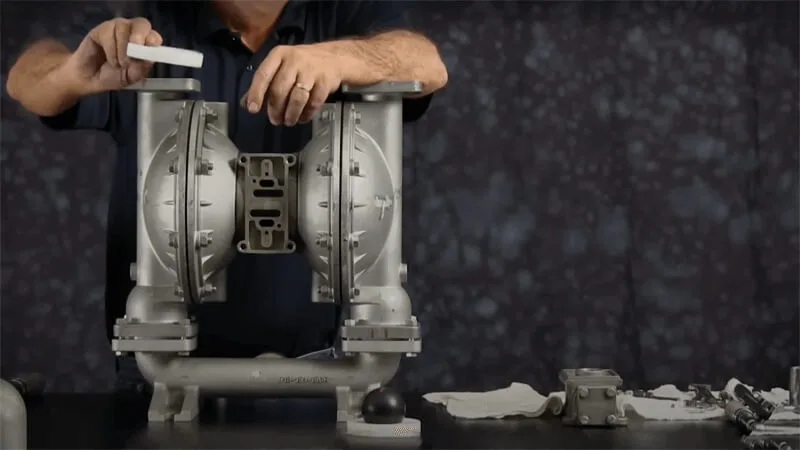
Maintenance is part of “correct installation” throughout the pump’s service life. When overhauling the wet end and air end, use the correct kit matched to the serial number on the pump’s metal nameplate.
- Use genuine Sandpiper kits matched to the serial number on the pump nameplate.
- Replace all consumable materials during overhaul: gaskets, U-cup seals, O-rings.
- Inspect metal parts: scratches, deposits, damage; clean with fine emery cloth.
- Hand-tighten bolts in a cross pattern, then torque to the values specified in the pump manual.
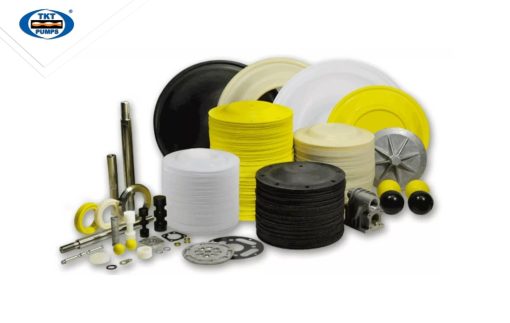
Common diaphragm materials include PTFE, Santoprene, Neoprene, Buna-N, EPDM, Geolast, and Polyurethane — select based on the chemical compatibility and abrasion characteristics of the pumped fluid. Pump casings may be aluminum, stainless steel 316, PP, PVDF, or cast iron depending on the application environment.
Recommended Solution: Sandpiper Diaphragm Pumps (AODD)
SANDPIPER · USA Sandpiper Air-Operated Diaphragm Pumps for Industrial Applications
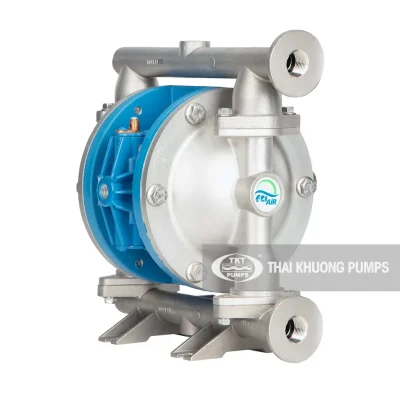
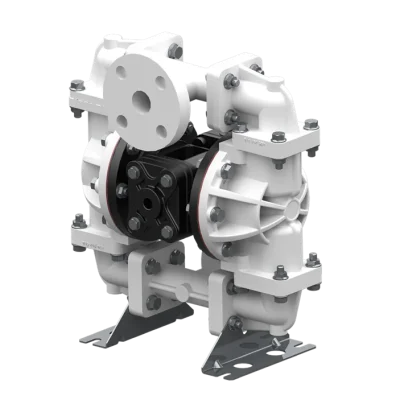
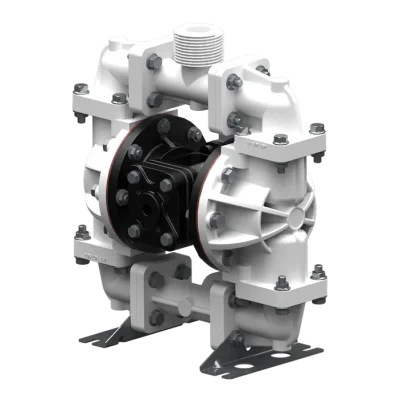
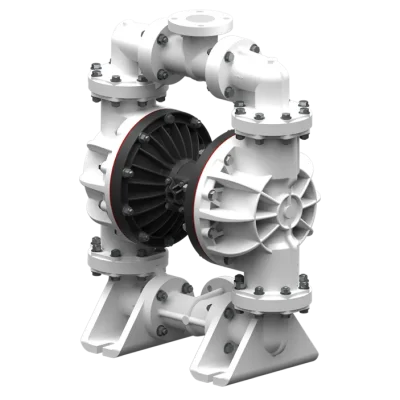
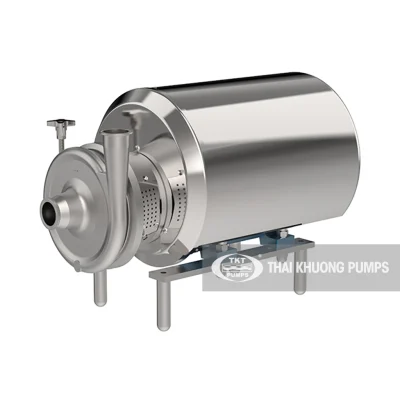
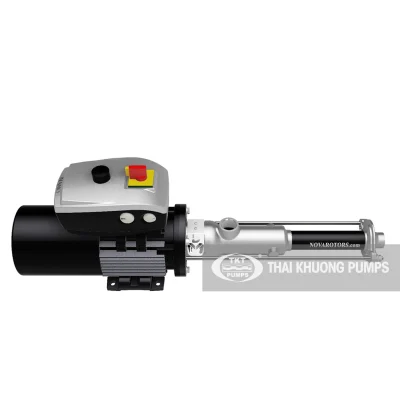
Sandpiper (Warren Rupp/IDEX, USA) is a range of AODD air-operated diaphragm pumps available in multiple ball valve and flap valve configurations for fluids containing solids, viscous fluids, or abrasive fluids. The product range includes sizes S05–S30, S1F, PB, EvolutionX, G-series, and the heavy-duty “the Beast” series with flap valves for slurries. An EODD electric diaphragm pump variant is also available to reduce compressed air consumption.
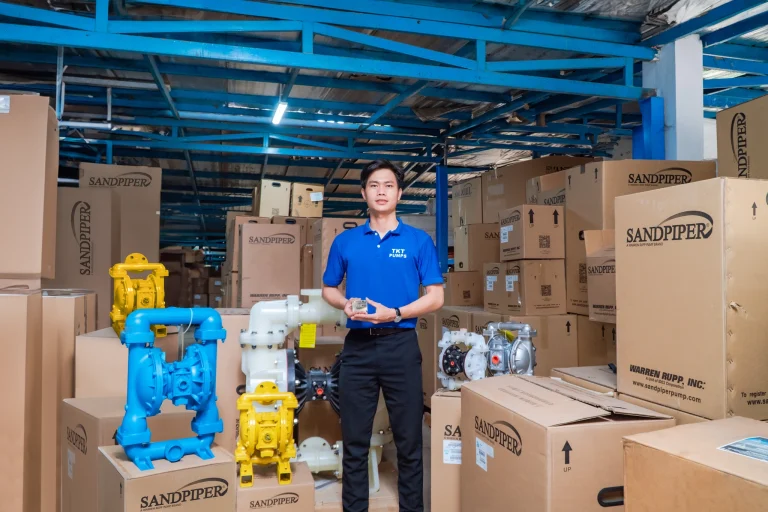
TKT Pumps is the authorized distributor of Sandpiper in Vietnam (IDEX authorization letter 30/06/2024), with 19+ years of experience, 12,000+ projects, and a 5,000+ spare parts inventory, providing 24/7 technical support.
Frequently Asked Questions
What air pressure is required to supply an air-operated diaphragm pump?
+
Air-operated diaphragm pumps (AODD) typically operate within an air pressure range of 1.4–8.6 bar. A pressure-regulating valve must be installed in the air supply line to maintain pressure within the pump’s recommended limits, preventing over-pressure that could damage the diaphragm. The specific operating point should be read from the model’s flow rate – air pressure performance curve.
Why does the exhaust port of a diaphragm pump freeze?
+
Moisture in compressed air freezes at the exhaust port when the air expands through the air valve, causing intermittent operation or pump stoppage. The remedy is to install a point-of-use air dryer immediately upstream of the pump’s air inlet port.
Does an air-operated diaphragm pump require air valve lubrication?
+
Most air valves operate well without lubrication. If specific conditions require it, install an air line lubricator at a rate of one drop of additive-free SAE 10 oil per 20 SCFM (9.4 L/s) of air consumed by the pump.
How can I tell if a diaphragm pump is cavitating during startup?
+
When opening the air valve further causes the pump cycle rate to increase but flow rate does not increase, this is a sign of cavitation. Close the air valve slightly to return the pump to its efficient operating point. A short suction line with an unreduced bore also helps minimize this phenomenon.
Where should an air-operated diaphragm pump be positioned?
+
Position the pump as close as possible to the fluid source to shorten the suction line and reduce the number of fittings. Do not reduce the suction pipe bore below the pump’s suction port size. For viscous fluids or fluids containing solids, prefer a flooded suction configuration for reliable priming and fluid supply.
What should be noted when replacing pump diaphragms?
+
Use the correct kit matched to the serial number on the pump’s metal nameplate, replace all consumable materials (gaskets, U-cup seals, O-rings), inspect and clean metal parts with fine emery cloth. Hand-tighten bolts in a cross pattern first, then torque to the values specified in the manual. Select diaphragm material (PTFE, Santoprene, EPDM…) based on the pumped fluid.
Need installation advice for Sandpiper diaphragm pumps for your plant? TKT’s technical team provides support for model selection, diaphragm–valve configuration, and air piping layouts tailored to each application.
Submit a Consultation Request or hotline 0941.400.488
Technical source: Sandpiper (Warren Rupp/IDEX) documentation on AODD air-operated diaphragm pump installation practices. Compiled and localized by TKT for operating conditions in Vietnam.