



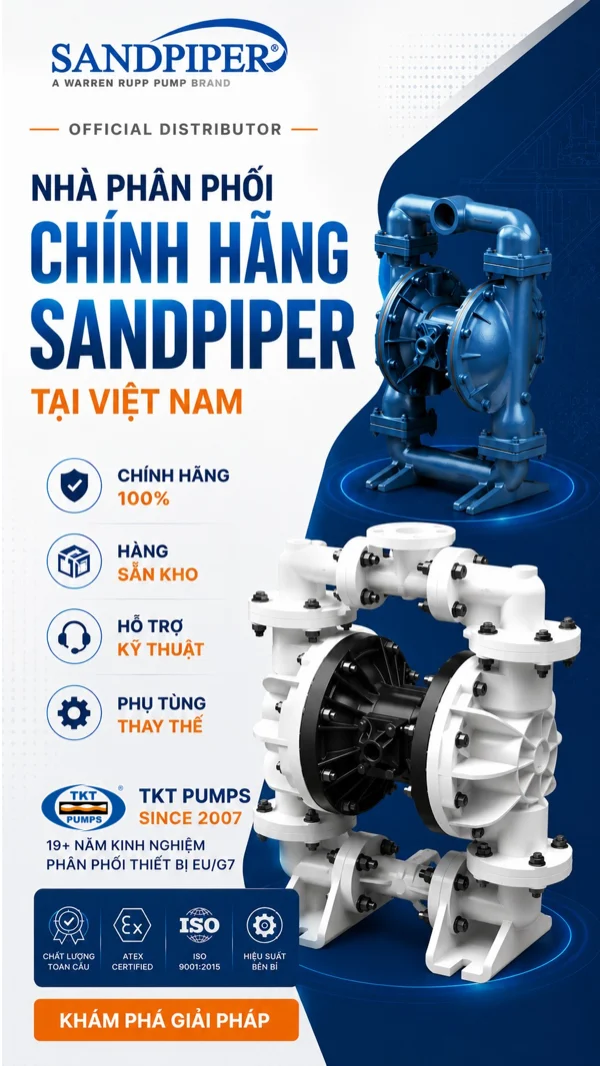
Most failures in air-operated diaphragm pumps (AODD) do not stem from manufacturing defects but from 5 root causes at the selection and installation stage: wrong material compatibility with the fluid, overlooking temperature limits, incorrect pump sizing, improper bolt torque, and insufficient knowledge of operation. When a diaphragm pump fails to prime, experiences early diaphragm failure, or leaks, the cause can almost always be traced back to one of these factors. This article systematically covers each fault with diagnosis and prevention guidance for plant maintenance engineers in Vietnam.
An air-operated diaphragm pump is a positive-displacement, seal-less, self-priming pump that can run dry safely — yet it will fail prematurely if selected or installed incorrectly. The key benchmarks and core faults to know are listed below.
- 5 root faults — material, temperature, sizing, bolt torque, operating knowledge.
- 1.4–8.6 bar — standard air supply pressure range for AODD pumps.
- ~104°C (220°F) — the temperature threshold many pump lines can handle, depending on body and diaphragm material.
- Go one port size up — select a larger size so the pump does not run near its maximum capacity.
- Seal-less — seal-less construction reduces leak points; self-priming and safe to run dry.
Understanding the Working Principle of Diaphragm Pumps to Correctly Diagnose Faults
Air-Operated Mechanism and Why the Pump “Tolerates” Harsh Conditions
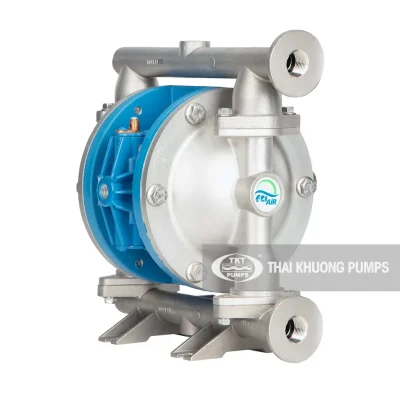
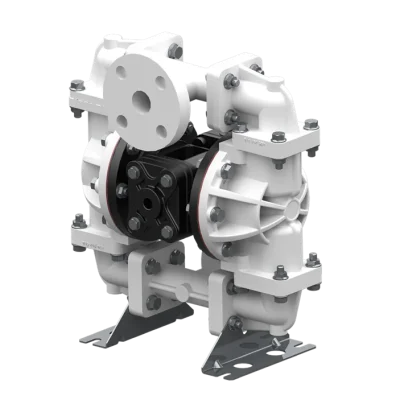
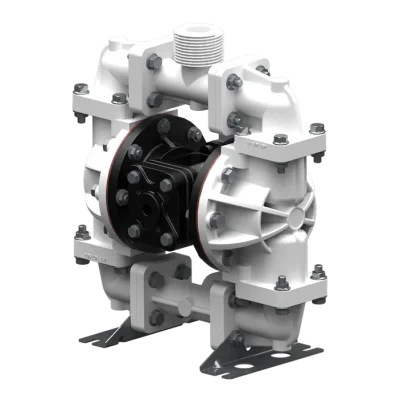
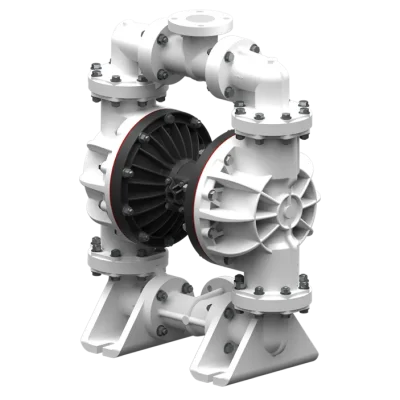
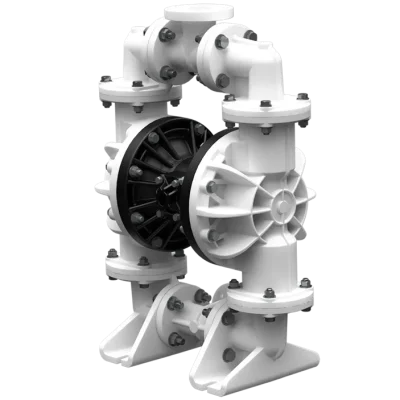
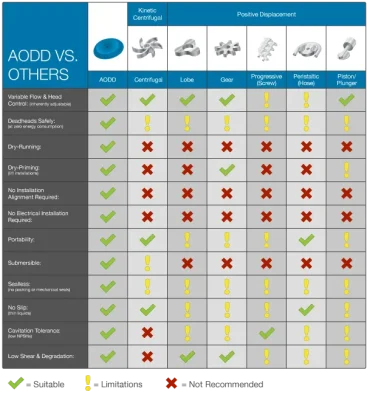
An air-operated diaphragm pump (AODD — air-operated double diaphragm) uses compressed air to alternately push two pump diaphragms, which in turn drive ball valves or flap valves to open and close for suction and discharge. Because there is no mechanical seal or rotating shaft in contact with the fluid, the pump has low shear, is self-priming, and can run dry safely — making it suitable for fluids containing solids, high-viscosity fluids, abrasive fluids, or fluids prone to foaming.
Because the pump is “forgiving,” many plants skip the material and sizing selection step, leading to premature failure. A sound understanding of the working principle lets you differentiate: is the pump failing to prime due to an air supply fault or a stuck ball valve, or was it the wrong size from the start?
- Seal-less: no mechanical seal, fewer leak points, easy maintenance.
- Self-priming and safe to run dry — the pump will not burn out when fluid runs dry.
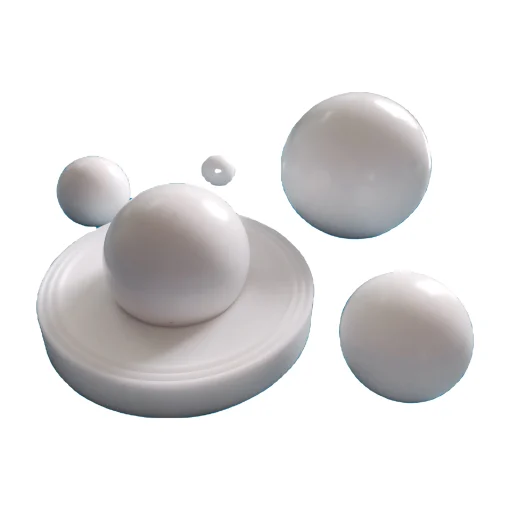
- Ball valves suit clean or low-viscosity fluids; flap valves suit thick fluids with high solids content.
Faults 1–2: Wrong Material Selection and Overlooking Temperature Limits
Chemical Compatibility and Operating Temperature Limits
A common fault is selecting diaphragm and pump body materials that are not compatible with the pumped fluid, causing swelling, cracking, or early corrosion. The specific fluid (concentration, impurities, temperature) must be checked against the chemical compatibility table before installation.
| Material | Properties | Suitable for |
|---|---|---|
| PTFE (Teflon) | Broad chemical resistance, heat-tolerant | Strong acids/bases, solvents, food-grade fluids |
| Santoprene | Elastic, excellent fatigue resistance | Neutral fluids requiring high diaphragm service life |
| EPDM | Resistant to hot water and ketones | Hot water, water-based chemicals |
| Buna-N / Neoprene | Oil-resistant, mineral oil-based | Oils, fuels, oil-containing fluids |
| SS316 / PP / PVDF (body) | Metal / engineering plastic | Per corrosion resistance and required pressure |
!Dual temperature note: internal components (diaphragms, valves) may tolerate up to ~104°C, but the pump body material may not share the same threshold. Both must be checked. Excessive heat causes the diaphragm to harden or crack; excessive cold causes material embrittlement.
- High temperature: prefer SS/aluminum body with FKM, EPDM, or PTFE diaphragms.
- Low temperature: SS/aluminum body with EPDM, FKM, or Santoprene diaphragms.
- Conductive fluids / anti-static requirements: use conductive plastic (conductive PP/PVDF/Acetal).
Fault 3: Incorrect Pump Sizing
Why Running a Pump Near Maximum Capacity Causes Rapid Failure
Selecting an undersized pump forces it to operate near maximum flow rate continuously, increasing the diaphragm stroke rate, reducing efficiency, and shortening service life. The practical rule: where possible, go up one port size so the pump operates in a more comfortable load range.
Example: a flow rate of 40 gpm (151 lpm) at a head of 10 ft (3 m) is required. Instead of using a 1″ (25 mm) port pump running near its peak, step up to the next size to reduce diaphragm strokes per minute — extending the service life of the diaphragm and valves. Flow rate can be reduced by decreasing supply air pressure or increasing discharge head.
- Calculate the required flow rate and total head (suction + discharge + friction losses) accurately.
- Prefer to go one port size up if budget and space allow.
- Regulate flow rate via the air supply valve; do not throttle the discharge line excessively.
Faults 4–5: Improper Bolt Torque and Pump Failing to Prime
Bolt Torque, Leak Paths, and Diagnosis When the Pump Fails to Deliver Fluid
Materials (especially plastic bodies) creep over time and with temperature changes, loosening sealing surfaces and creating leak paths. Always torque bolts to the manufacturer’s recommended specification, and re-torque after transportation or following a few thermal cycles. Important: only torque bolts when the pump is fully depressurized.
!When the diaphragm pump fails to prime, check in this order: (1) adequate supply air pressure of 1.4–8.6 bar and no blockage in the air line; (2) ball valves or flap valves blocked by solids or worn; (3) air infiltration in the suction line (loose gaskets); (4) torn diaphragm causing loss of suction vacuum.
| Symptom | Common Cause | Corrective Action |
|---|---|---|
| Pump fails to prime | Air infiltration in suction line, stuck ball valves, insufficient air pressure | Re-tighten suction gaskets; clean/replace valves; check air supply |
| Pump runs sluggishly | Low air pressure, scaling/fouling, undersized pump | Increase air pressure; clean pump; re-evaluate sizing |
| Pump body leaking | Loose bolts, cracked diaphragm | Torque to specification after depressurizing; replace diaphragm with correct material |
| Early diaphragm failure | Wrong material, temperature exceeds limit, running near maximum capacity | Change diaphragm material; check temperature; upgrade pump size |
| Pump freezing / air hissing | Wet air, no filter-regulator installed | Install a filter-regulator; drain condensate from compressed air |
Sandpiper Air-Operated Diaphragm Pump Solutions from TKT
SANDPIPER · USA Full-Range AODD Diaphragm Pumps for Vietnamese Industry
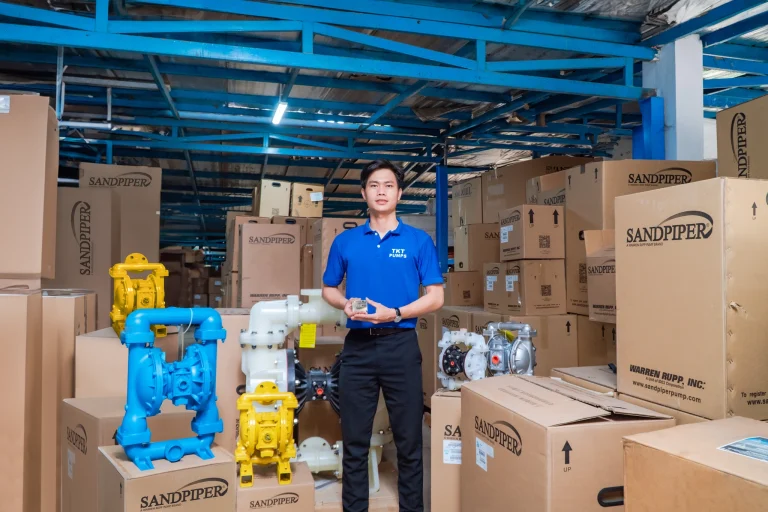
Sandpiper (Warren Rupp / IDEX, USA) offers a wide range of air-operated diaphragm pumps in port sizes from ¼” to 4″, covering many application requirements: from small-flow models S05–S30, S1F, PB series, the EvolutionX generation, G-series, to the heavy-duty “the Beast” (SPB20, 2″ size) and the 3″–4″ SS flap-valve series for thick fluids with high solids content. A broad selection of body materials (aluminum, SS316, PP, PVDF, cast iron) and diaphragm materials (PTFE, Santoprene, Neoprene, Buna-N, EPDM) enables precise matching to the actual fluid and temperature.
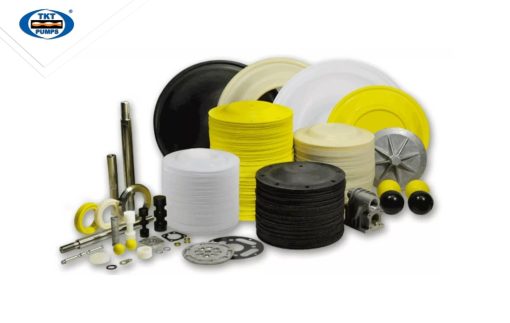
TKT Pumps is the authorized Sandpiper distributor in Vietnam (IDEX authorization letter), providing support for material selection, sizing by flow rate and head, supply of diaphragm – valve – kit spare parts, and 24/7 maintenance services. Background: 19+ years of experience, 12,000+ projects, 28+ brands, 5,000+ spare part codes.

Frequently Asked Questions
Why does an air-operated diaphragm pump fail to prime?
+
There are typically four causes: insufficient supply air pressure (1.4–8.6 bar required) or a blocked air line; ball valves or flap valves stuck with solids or worn; air infiltration in the suction line due to loose gaskets causing loss of vacuum; or a torn diaphragm. Check the air supply, then the valves, then the suction gaskets, and finally the diaphragm.
What air pressure is sufficient for a diaphragm pump?
+
The standard supply air pressure range for AODD pumps is 1.4–8.6 bar. Flow rate is proportional to air pressure, so flow can be regulated via the air supply valve. The air must be dry and clean — a filter-regulator should be installed to prevent freezing and protect the air valve.
Which diaphragm material should be selected for corrosive chemicals?
+
For strong acids or bases, solvents, or food-grade fluids, PTFE diaphragms offer broad chemical resistance. For neutral fluids requiring high fatigue life, use Santoprene; for hot water or ketones, use EPDM; for oil-based fluids, use Buna-N or Neoprene. Always cross-reference the chemical compatibility table against the specific fluid.
Why do pump diaphragms fail prematurely?
+
Three main causes: wrong diaphragm material for the fluid (swelling or corrosion), operating temperature exceeding the material’s limit, and an undersized pump running near maximum capacity causing an excessively high diaphragm stroke frequency. Remedy by changing the diaphragm material, controlling temperature, and upgrading to the next size.
Should the pump size be selected to exactly match the requirement?
+
An exact-fit selection is not recommended. A pump running continuously near maximum flow rate will suffer reduced efficiency and shortened service life. The guideline is to go up one port size if space and budget allow, so the pump operates in a more comfortable load range and with fewer diaphragm strokes per minute.
How does an electric diaphragm pump (EODD) differ from an air-operated diaphragm pump?
+
An electric diaphragm pump (EODD) uses an electric motor instead of compressed air to drive the diaphragms, offering lower compressed air costs and energy savings in many applications. An air-operated diaphragm pump (AODD) remains the preferred choice when safe dry-running is required, in hazardous-area (explosion-proof) environments, or where a compressed air system is already in place.
Need to select the right material and size of diaphragm pump for your fluid? TKT’s engineering team provides free consultation based on your actual flow rate, head, chemical, and temperature requirements — together with genuine Sandpiper spare parts and maintenance services.
Send a Consultation Request or call hotline 0941.400.488
Technical source: Sandpiper (Warren Rupp/IDEX, USA) documentation on common faults in AODD diaphragm pump operation; compiled and localized by TKT for operating conditions in Vietnam.