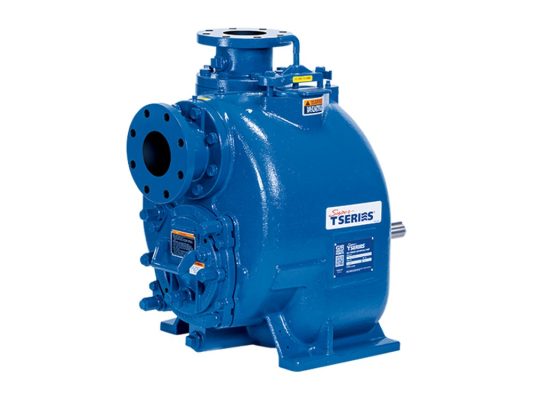













A water pump seal is an indispensable sealing component on any water pump. What is the function of a water pump seal? What are its characteristics, and what causes water pump seal failure? This article provides you with the most specific information!
What Is a Water Pump Seal
Just as a water pump is the heart of a system, the pump seal can be considered the heart of the water pump.
A water pump seal protects the bearing assembly from contact with coolant and abrasive substances. Once coolant and contaminants enter the bearing assembly, the bearing lubricant is washed away. If this sealing failure is not detected and the pump is not replaced, the bearing will eventually fail and may lead to damage such as a broken bearing shaft. A damaged shaft can cause significant damage to the water pump.
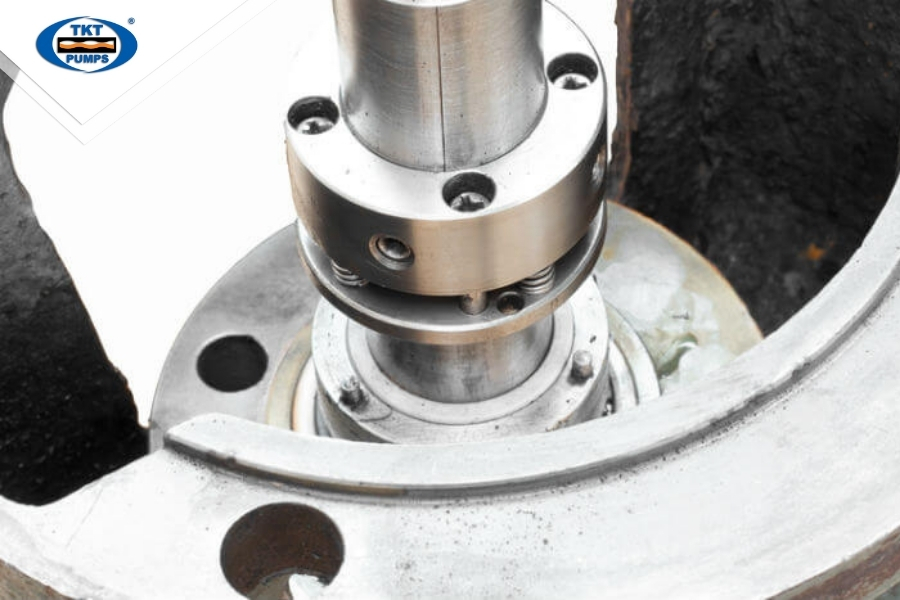
Without proper water pump seal alignment and appropriate material composition, the pump seal can cause premature pump failure within a relatively short period of time.
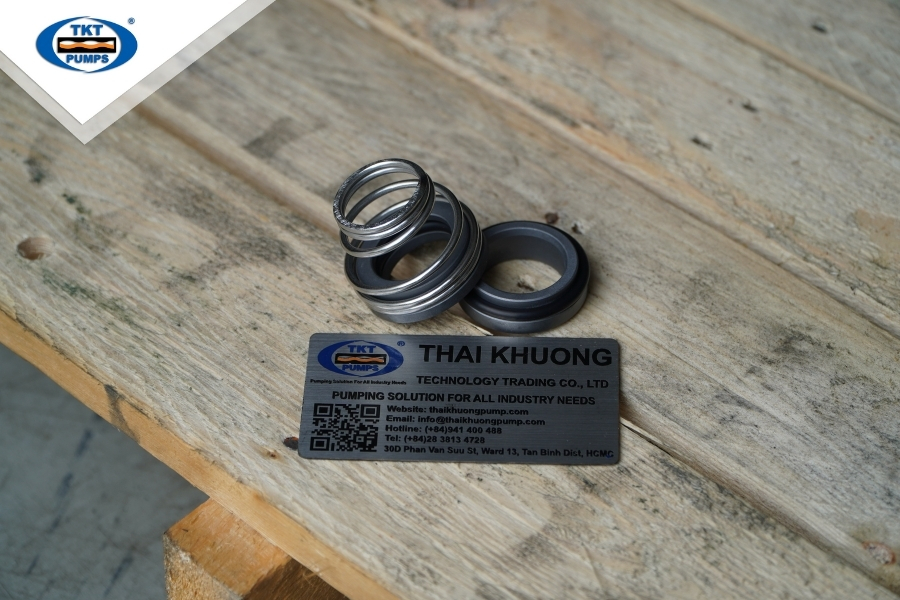
Modern water pump seal designs today are made from a mixture of silicone and carbide materials, compared to the two-piece ceramic designs of previous years. Modern water pump seals are composite, spring-loaded designs that apply precise pressure to the sealing faces. The working height of a water pump seal is not affected by machining tolerances.
What Is a Water Pump Seal Called in English
In English, a water pump seal is commonly referred to as a water pump seal. In Vietnam, it is often translated as phớt bơm nước, phốt bơm nước, or referred to as a gasket or sealing element.
How Many Types of Water Pump Seals Are There
The following types of water pump seals are currently available on the market. Depending on the type of water or fluid to be pumped, the manufacturer or distributor will advise you on the most suitable type. Below are the names of the water pump seal types you should know.
- Multiple Seal Design
- Pusher Seals
- Non-pusher seals
- Cartridge seals
- Single spring seals
- Double (dual pressurized) seal
- Tandem (dual unpressurized)
Characteristics of Water Pump Seals
- The material of the water pump seal is selected to match the operating parameters, system requirements, and to extend the service life of the pump.
- The seal gasket ring contacts the coolant flow to improve the removal of heat generated by the seal faces during operation.
- Since most seal failures are primarily caused by the effect of temperature over time on rubber components, only upgraded elastomeric materials from a sleeve-design are used. This eliminates any undesirable mechanical conditions in the pump and reduces the effect of thermal aging.
- Seals with Teflon-coated retaining components simplify installation and minimize leakage in conformance with the bore/compression component. This is particularly important for machined aluminum pumps.
When diagnosing early pump seal failures, be careful not to mistake small weep-hole staining as a sign of seal failure. All water pump seals must weep slightly because a small amount of coolant is needed to lubricate the seal faces. However, significant dripping indicates that it is time to replace the water pump.
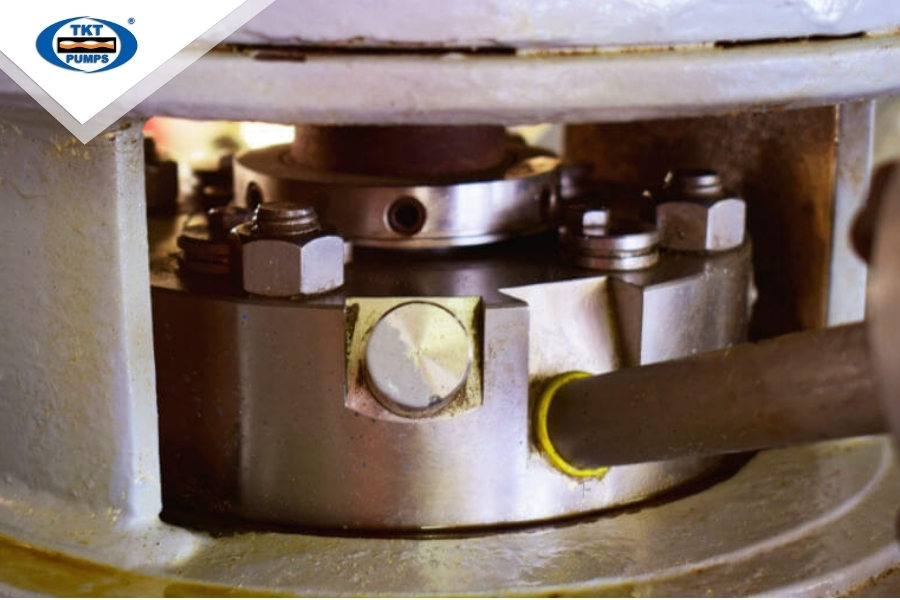
Causes of Water Pump Seal Failure
There are three main conditions that affect the service life of a water pump seal and can lead to premature pump failure. First, leakage and seal failure can result from high-temperature engine operation. An overheating engine operating with low coolant levels can cause:
- Thermal aging of elastomeric components
- Potential boiling of the fluid film between the seal faces
- Potential distortion of the seal face flatness
Second, seal failure can result from contamination or deposits between the seal faces. Although today’s operating clearances significantly minimize the ingress of any solid particles of significant size, the phenomenon known as “filming” is still known to create a leak path inside the water pump seal.
Contamination factors can include debris such as rust, core sand, casting binder, abrasives from machining and assembly processes, or solutes from system components. Even binder transferred from one seal face to another has been known to cause a leak path.
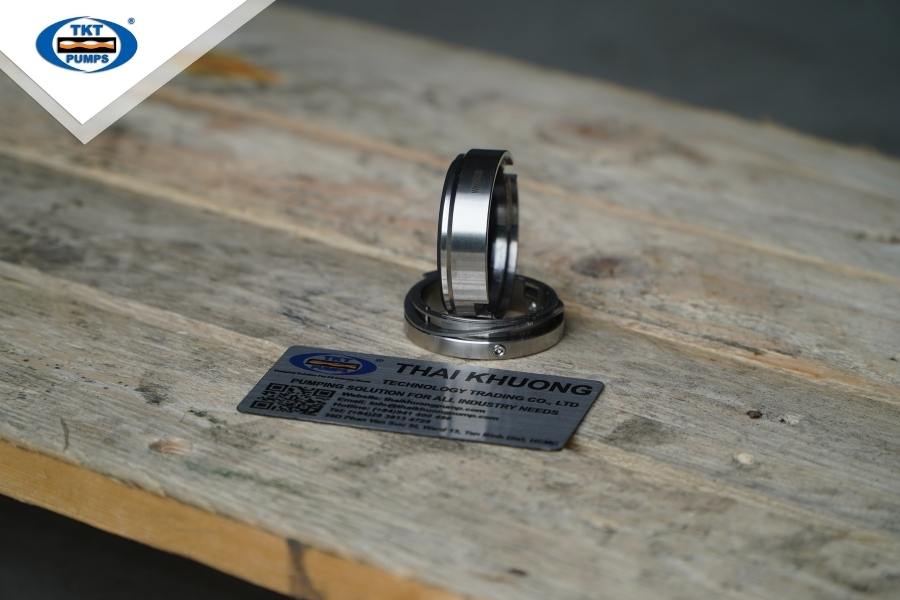
Finally, the third cause involves mechanical conditions. These conditions can include:
- Shaft inaccuracy or bore concentricity issues
- Radial or axial run-out
- Incorrect seal installation
- Excessive vibration due to misaligned belts, pulleys, or a faulty gearbox.
To avoid premature pump failure due to shaft seal issues, manufacturers of quality water pumps use special materials to manufacture water pump seals and typically provide recommendations on periodic maintenance and replacement of water pump seals.
If you have any contributions to this article, please leave a comment below. Thái Khương will compile and add to the article to make the content more complete.
Thái Khương is a specialized supplier of industrial water pumps with quality sourced from Europe, the United States, and more — offering a diverse range of pumps including centrifugal pumps, helical screw pumps, gear pumps, vane pumps, magnetic drive pumps, air blowers, and more.
Thái Khương’s warehouse currently maintains stock of pump models suited to the needs of the Vietnamese market, to rapidly fulfill urgent customer requirements during the COVID pandemic response period.