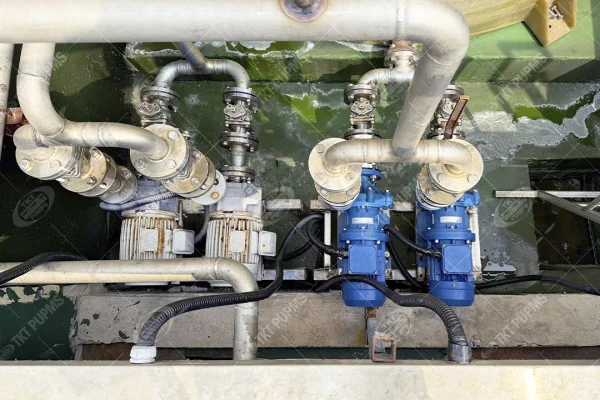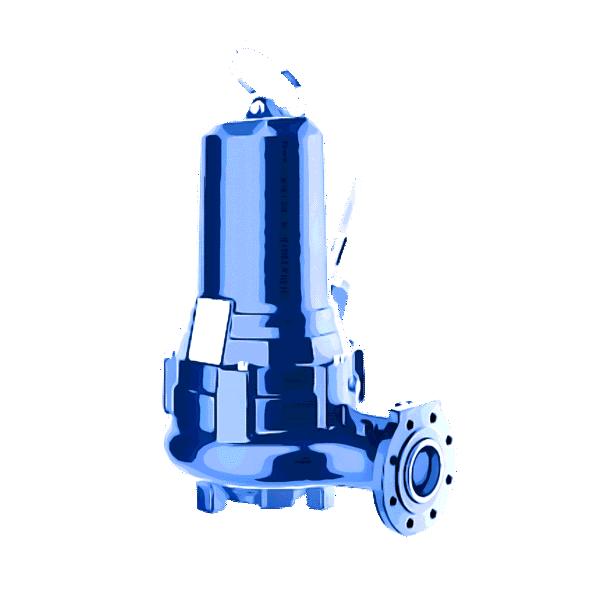
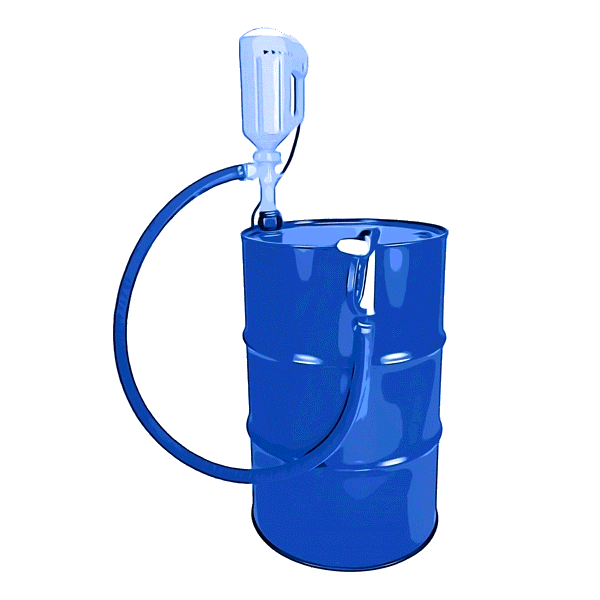
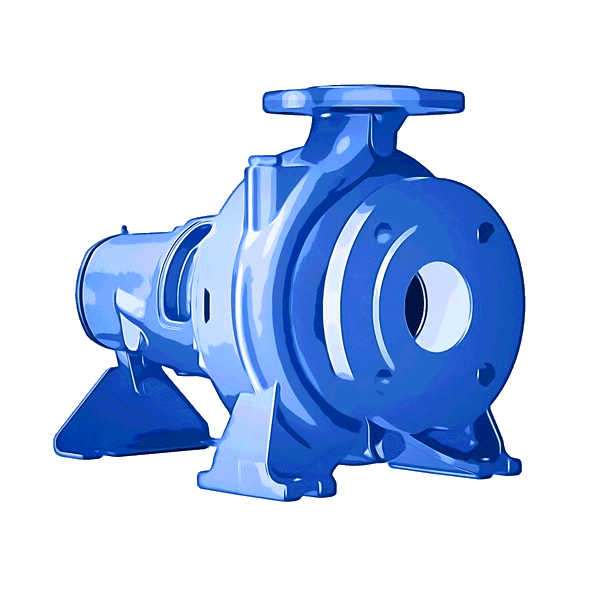
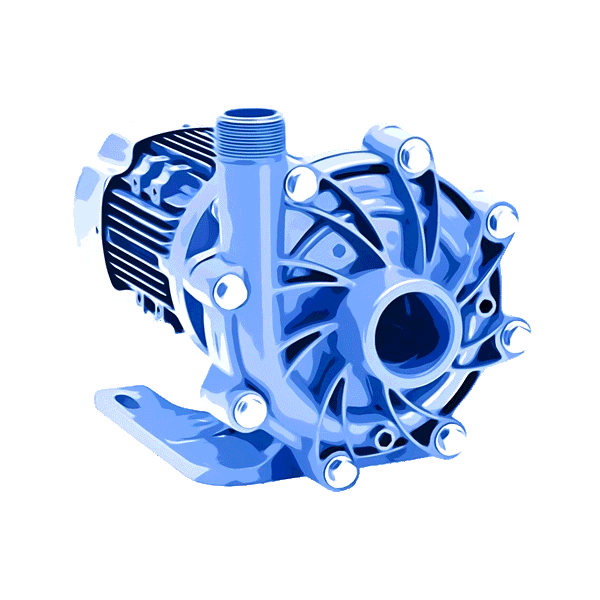
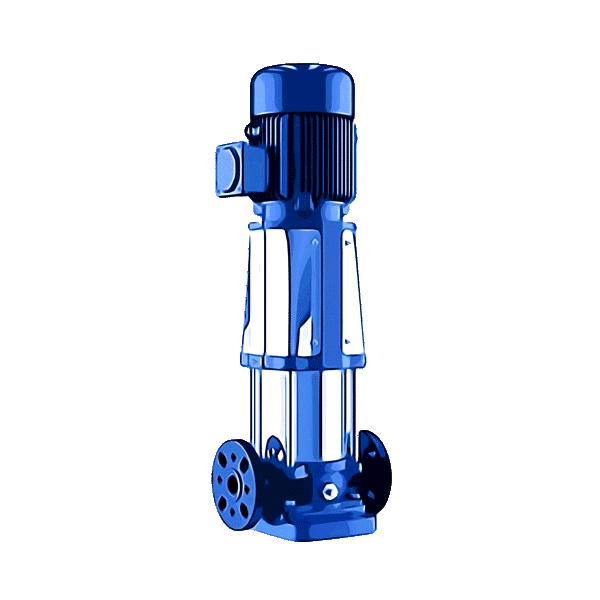
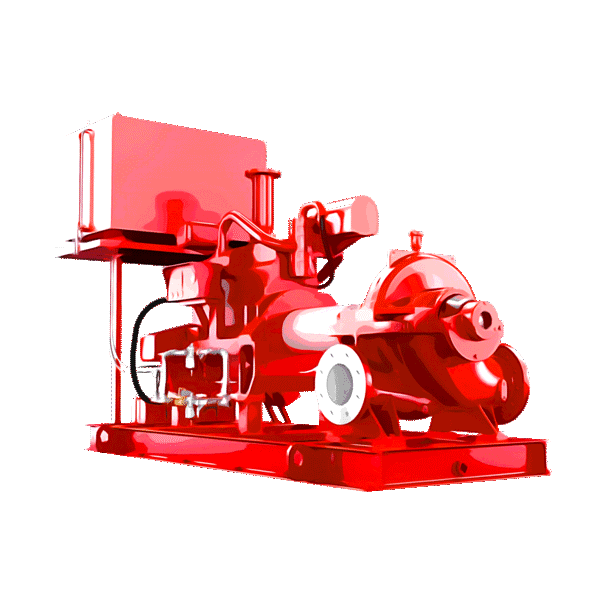


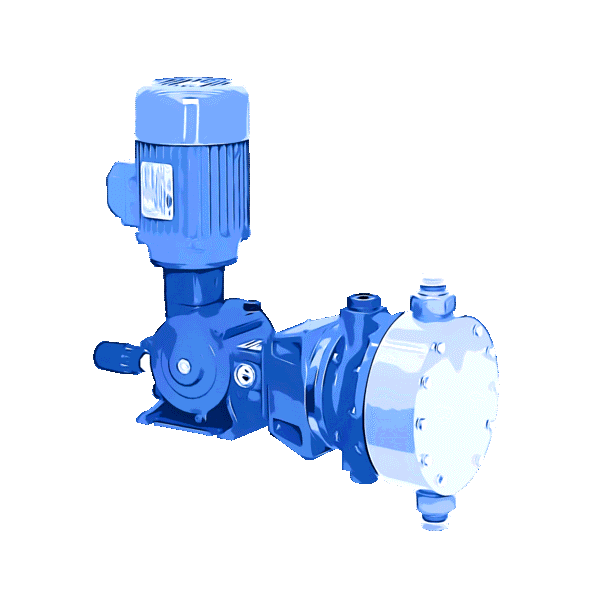


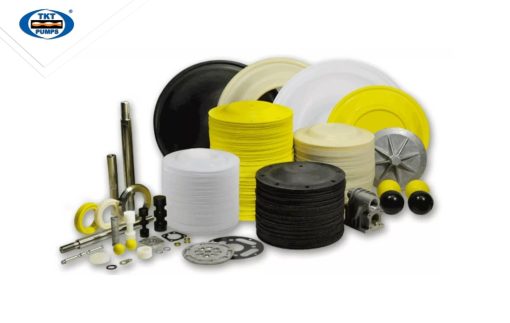
When selecting a pump for viscous fluids, three types are commonly considered: the progressive cavity pump (PC), the centrifugal pump, and the AODD diaphragm pump. The short answer: choose a progressive cavity pump when the fluid is highly viscous, shear-sensitive, contains solids or fibres, or when a steady and measurable flow rate is required; choose a centrifugal pump for thin fluids requiring high flow rates; choose an AODD diaphragm pump when compressed-air operation, portability, and pulsating flow are acceptable.
- PC: steady flow proportional to speed, low pulsation, low shear
- PC handles highly viscous fluids + solids/fibres, self-priming, reversible
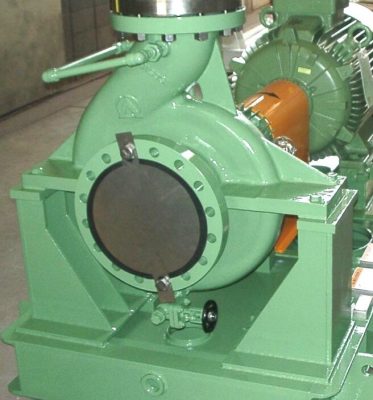
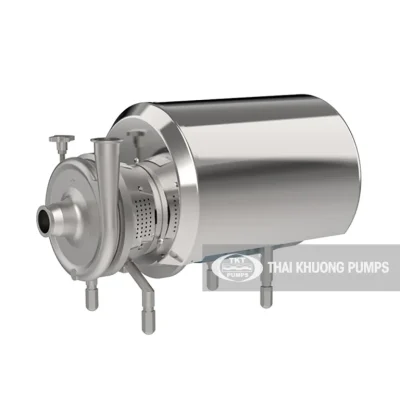
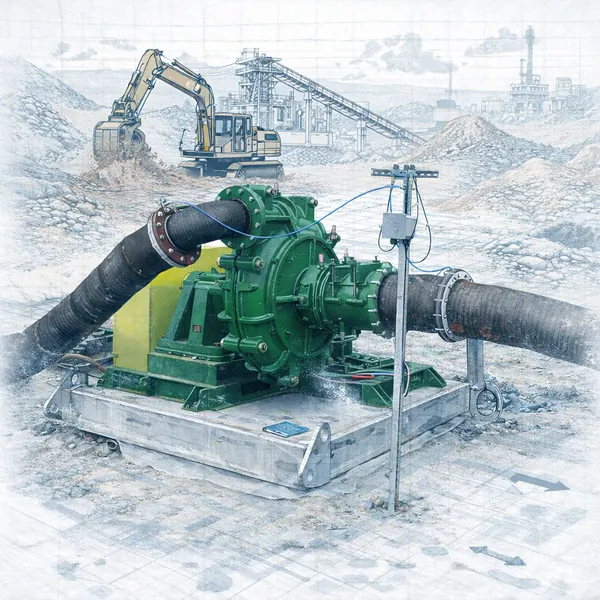
- Centrifugal: suited to thin fluids, high flow rates, low viscosity
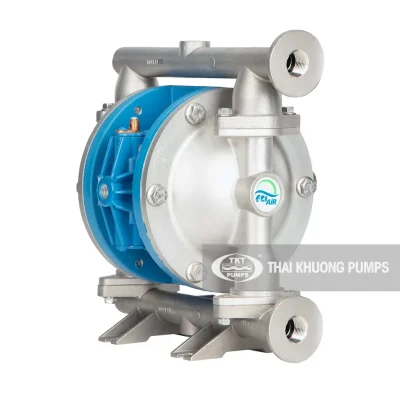
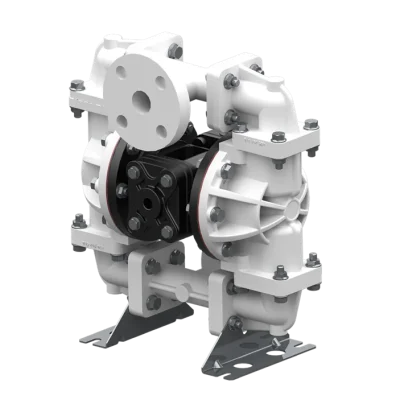
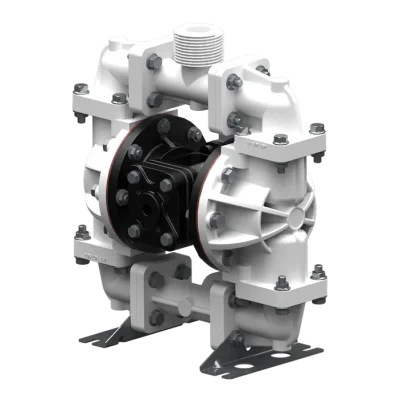
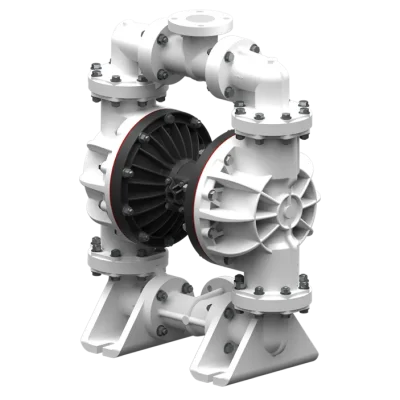
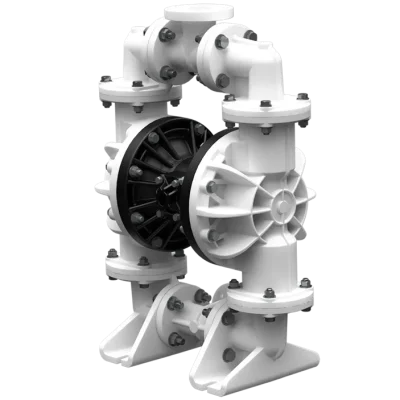
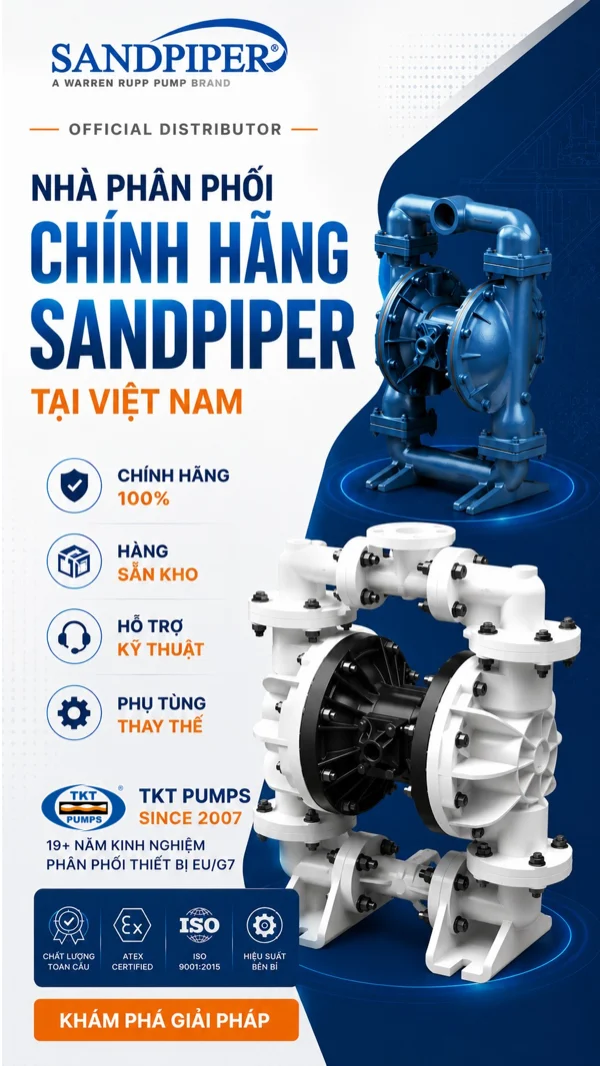
- AODD Diaphragm: compressed air, portable, pulsating flow
- Nova Rotors Diamond: up to 420 m³/h, 48 bar, solids content up to 28%
How the Progressive Cavity Pump Works
Progressive Cavity Operating Principle
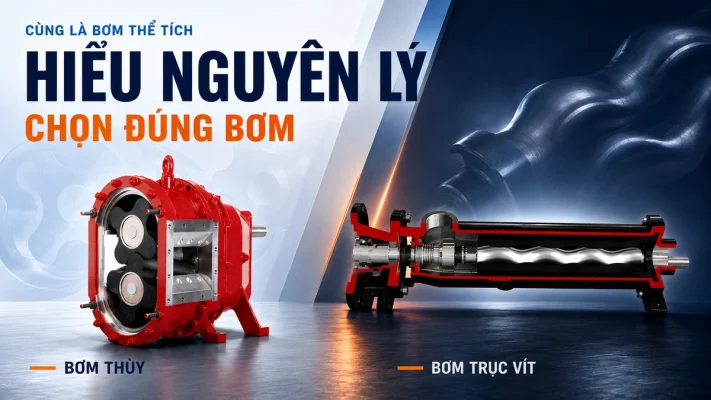
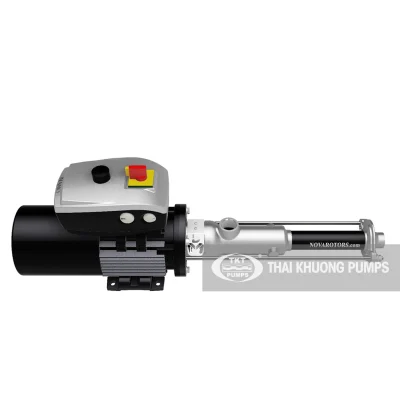
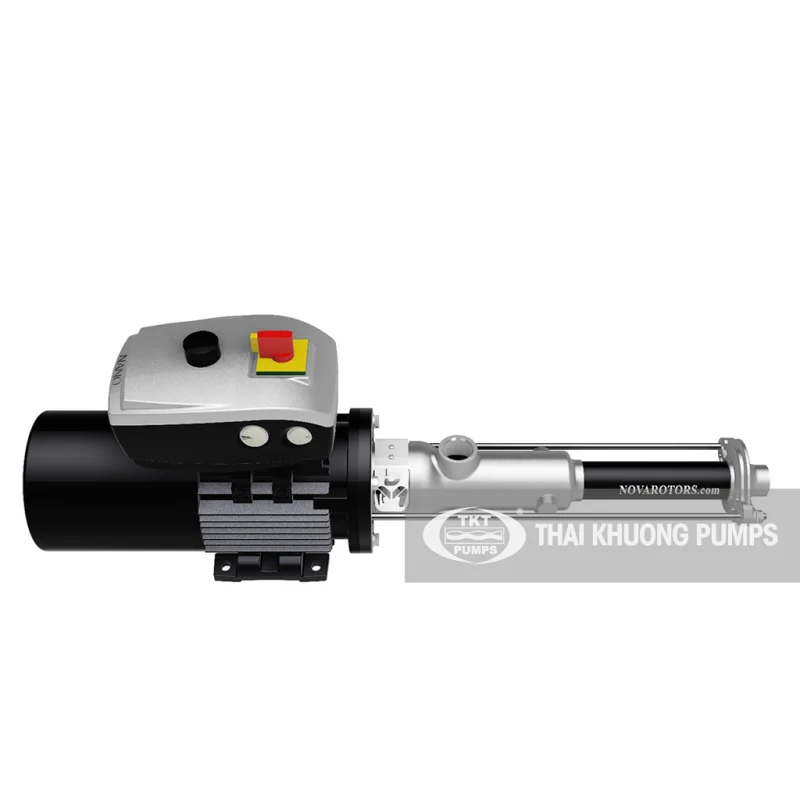
The progressive cavity pump (also called a cavity pump or PC pump) is a single-shaft positive displacement pump. A helical rotor (single-start) made of steel rotates eccentrically inside a rubber stator (double-start). As the rotor turns, sealed cavities form and travel steadily along the axis from the suction end to the discharge end, conveying the fluid continuously.
Because the volume of each cavity remains nearly constant, the flow rate is proportional to rotational speed, with low pulsation and low shear — making it suitable for shear-sensitive fluids. The pump is self-priming, reversible, and capable of handling both highly viscous fluids and fluids containing solid particles or fibres. One important note: the rotor–stator pair is a wear component and the pump must never run dry, as friction will rapidly overheat and damage the rubber stator. Stator material (NBR/EPDM/Viton) is selected according to the fluid.
The wobble variant uses a floating stator, has fewer components, is more compact, and is suitable for viscous fluids and light solid loads. It still belongs to the positive displacement pump family and operates on a fundamentally different principle from centrifugal pumps.
Comparison of the Three Pump Types by Practical Criteria
Progressive Cavity vs Centrifugal vs Diaphragm
The table below compares the three types against the criteria that most often determine pump selection for industrial fluids.
| Criterion | Progressive Cavity (PC) | Centrifugal | AODD Diaphragm |
|---|---|---|---|
| Operating principle | Positive displacement, sealed cavities | Kinetic energy via impeller | Positive displacement, compressed air |
| Suitable viscosity | Low to very high | Low (thin fluids) | Low to medium |
| Flow rate | Steady, proportional to speed | High, dependent on head | Pulsating |
| Solid particles / fibres | Good | Limited | Moderate |
| Shear on fluid | Low (preserves structure) | High | Medium |
| Metering capability | Yes, stable | Difficult | Moderate |
| Self-priming | Yes | Typically no | Yes |
In brief: centrifugal pumps excel with thin fluids at high flow rates but struggle as viscosity increases and can damage shear-sensitive fluids. AODD diaphragm pumps are flexible, can run dry on compressed air, but produce pulsating flow and lose efficiency with highly viscous fluids. Progressive cavity pumps handle viscosity and solids well with smooth flow, but require a wearing rotor–stator pair and must never run dry.
When to Choose a Progressive Cavity Pump
Four Signs to Use a PC Pump
The four situations below generally favour a progressive cavity pump over a centrifugal or diaphragm pump. If your fluid falls into one or more of these categories, a PC pump is worth considering first.
| When | Why Choose a PC Pump |
|---|---|
| Highly viscous fluid | Sealed cavities push the fluid steadily even at very high viscosity, independent of an impeller |
| Shear-sensitive fluid | Low shear preserves structure (creams, sauces, gels, emulsions) |
| Steady flow rate required | Flow rate proportional to speed, low pulsation, suitable for metering |
| Solid particles / fibres present | The soft rubber stator allows particles and fibres to pass with minimal jamming |
Conversely, if you need to move water or thin fluids at high flow rates and head, a centrifugal pump is generally more cost-effective — see the centrifugal pump range. For thin chemical fluids requiring portability, an AODD diaphragm pump remains a flexible option; see also industrial chemical pump solutions.
Typical Applications of PC Pumps by Industry
Where PC Pumps Are Used
Thanks to their ability to handle high viscosity, solid particles, and hygienic requirements, progressive cavity pumps appear across many industries. Some common application groups:
| Industry | Fluid / Process |
|---|---|
| Food & Beverage | Sauces, creams, jams, juices with pulp, wine |
| Chemical & Environmental | Viscous fluids, sludge, wastewater with particles |
| Pharmaceutical & Cosmetics | Gels, creams, biological fluids requiring CIP/SIP |
| Wastewater Treatment | Thick sludge, combined with a macerator to reduce solid size |
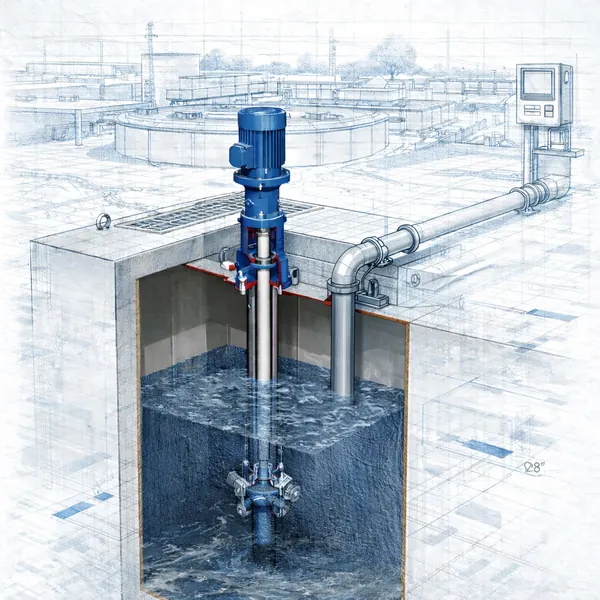
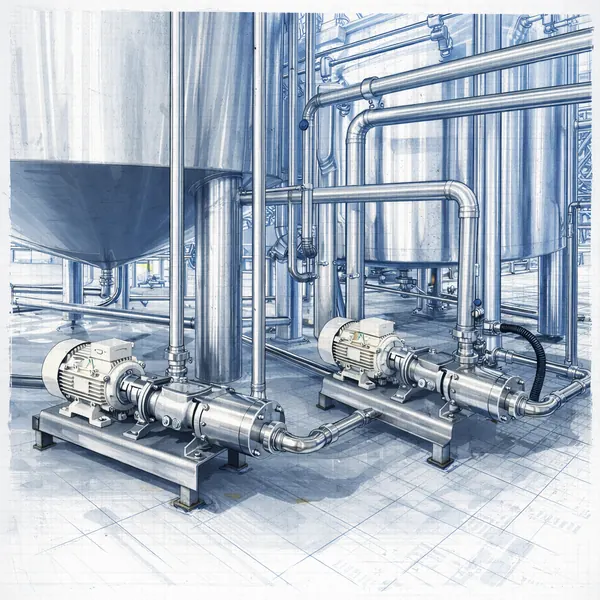
For high solid content, a hopper configuration may be selected; for hygienic requirements, a sanitary configuration compliant with EHEDG/3A standards and CIP/SIP processes is available. When solids are too large, a twin-shaft macerator installed upstream of the pump will reduce particle size before pumping.
NOVA ROTORS · ITALY Progressive Cavity Pump Solutions
Nova Rotors (Italy) specialises in progressive cavity pumps, wobble pumps, metering pumps, and macerators. The Diamond range achieves flow rates up to 420 m³/h, pressure up to 48 bar, solids content up to 28%, and very high viscosity (the sanitary twin-screw line up to 1,000,000 cps at ≤25 bar). The catalogue is divided into three groups to match your specific application:
- Diamond (progressive cavity): DN-JN standard general-purpose (solids ≤18%) · DH-JH hopper for thick media (≤28%) · HE hopper with trolley for food/wine · DV vertical shaft for highly viscous fluids · DX-JX sanitary EHEDG/3A for CIP/SIP · XF titanium for aggressive corrosion · twin-screw sanitary.
- Wobble: R compact with fewer components (viscous + light solids) · RL separate shaft end, using a coupling.
- Metering & Macerators: DM industrial and sanitary metering (creams/sauces/gels/honey) with steady flow proportional to speed · twin-shaft macerators for sludge, wastewater, and pharmaceutical applications.
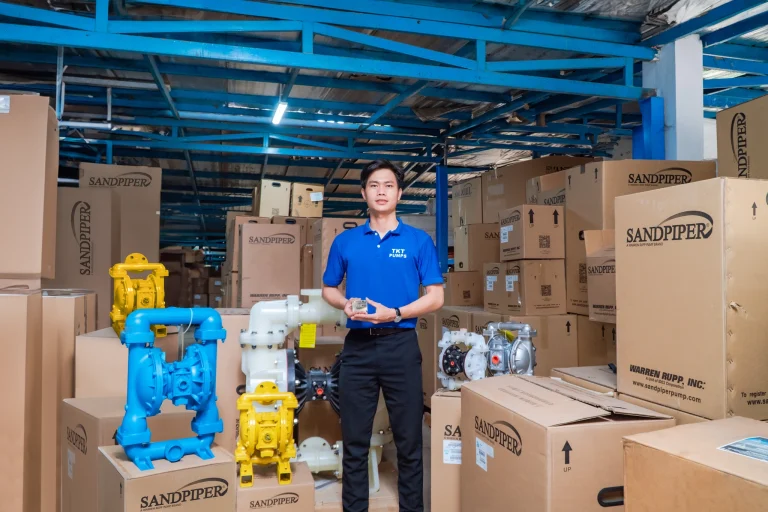
Rubber stators are selected according to the fluid (NBR/EPDM/Viton). TKT Pumps, with 19+ years of experience and 12,000+ projects, will advise on the right group, material, and configuration to match your viscosity, solids content, and hygienic requirements.
Frequently Asked Questions
How does a progressive cavity pump differ from a centrifugal pump?
+
A progressive cavity pump is a positive displacement pump: a helical rotor rotates eccentrically inside a rubber stator, forming sealed cavities that move the fluid steadily, with flow rate proportional to speed and little dependence on viscosity. A centrifugal pump uses an impeller to generate kinetic energy, which suits thin fluids at high flow rates, but efficiency drops as viscosity increases and shear on the fluid is higher.
When should I choose a progressive cavity pump instead of an AODD diaphragm pump?
+
Choose a progressive cavity pump when you need steady flow, low pulsation, high viscosity, or a shear-sensitive fluid. An AODD diaphragm pump runs on compressed air, is portable and can run dry, but produces pulsating flow and loses efficiency with highly viscous fluids. If stable metering is required, a PC pump is generally more suitable.
Can a progressive cavity pump handle fluids with solid particles?
+
Yes. The soft rubber stator allows solid particles and fibres to pass through with minimal jamming. The Nova Rotors Diamond range handles solids content up to 28% with a hopper (DH/JH) configuration. When particles are too large, a twin-shaft macerator installed upstream can reduce their size before the pump.
Why must a progressive cavity pump never run dry?
+
The rotor–stator pair seals by contact between the steel rotor and the rubber stator. When running dry, there is no fluid to lubricate and cool the contact zone, so frictional heat builds up rapidly and burns the rubber stator. Always ensure the pump has fluid present and install dry-run protection where necessary.
Can a progressive cavity pump be used for metering?
+
Yes. Because flow rate is directly proportional to rotational speed and pulsation is low, PC pumps meter stably. Nova Rotors offers the DM series dedicated to industrial and sanitary metering for creams, sauces, gels, and honey, enabling precise volume control by adjusting motor speed.
Which material should I choose for the rubber stator?
+
Stator material is selected according to the fluid: NBR for general oils and greases, EPDM for water-based fluids and certain chemicals, Viton for corrosive media and high temperatures. For aggressive corrosion, a titanium rotor configuration such as the XF series is available. TKT will advise on materials based on your chemical compatibility chart.
Need advice on selecting a progressive cavity pump for viscous fluids, fluids with solids, or metering applications? The TKT Pumps technical team can help you choose the right group, material, and configuration.
Send a Consultation Request or call hotline 0941.400.488
Source: Nova Rotors (Italy) technical documentation and progressive cavity positive displacement pump engineering knowledge; compiled by TKT.