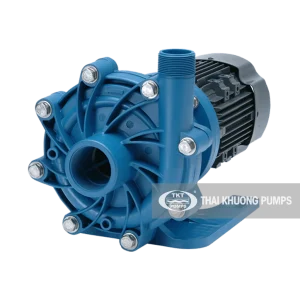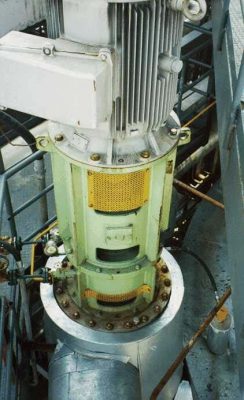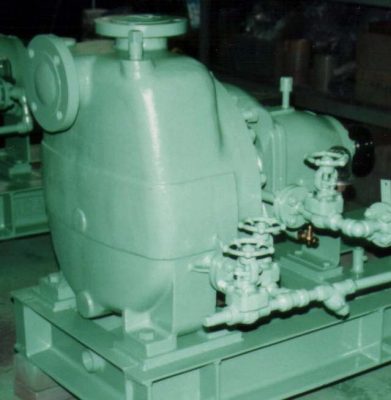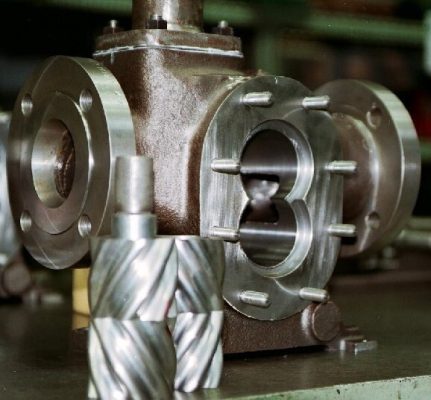













Select the right gear pump based on the fluid (viscosity), pressure, and material. The fluid and pressure determine the choice between external gear and internal gear. See the overview on the gear pump page.
Step 1 — Fluid & Viscosity → Pump Type
Oil, hydraulic oil, high pressure → external gear; highly viscous fluids (bitumen, adhesives, syrup) → internal gear for smooth flow. Viscosity and temperature are the key factors.
Step 2 — Flow Rate & Pressure
Flow rate (m³/h) is proportional to rotational speed; pressure follows system resistance. Viscous fluids require reduced rotational speed to avoid starving (insufficient priming) and cavitation.
Step 3 — Material & Heating
Cast iron/steel for oil; stainless steel for chemicals and food. Solidifying fluids (bitumen) require a heating jacket using steam or thermal oil to maintain operating temperature.
Step 4 — Seals & Drive
Select the seal type (mechanical seal or magnetic seal) based on the fluid and pressure; a safety valve protects against overpressure. Drive via gearbox or variable frequency drive when flow rate adjustment is required.
For applications with oil, bitumen, and viscous fluids, see the article on gear pumps for oil & bitumen. Thái Khương Pumps is an authorized distributor of EU/G7 imports.
Gear Pump Operating Range — External and Internal

Industrial gear pumps cover flow rates up to approximately 100 m³/h and pressures up to 25 bar — smooth, low-pulsation flow, self-priming, designed for lubricating fluids: various oils, liquid resins, adhesives, and molasses. Two designs serve two application zones: external gear — straightforward and durable for medium-viscosity oils; internal gear — smoother, with better self-priming for high-viscosity fluids.
Two parameters must be stated accurately when selecting: viscosity at the actual minimum operating temperature (cold fluid thickens and causes overload at startup) and actual discharge pressure — positive displacement pumps require a safety valve, either integrated in the pump or installed externally.
| Design | Suitable For | Notes |
|---|---|---|
| External gear | Oil, medium-viscosity chemicals, higher pressure | Simple design, easy spare parts; noisier at high speed |
| Internal gear (Tuthill) | Bitumen, molasses, adhesives — high viscosity | Low speed, smooth, good self-priming; clean fluids only |
Frequently Asked Questions
What parameters determine gear pump selection?
+
Fluid viscosity at operating temperature, flow rate, discharge pressure, and temperature. Viscosity determines the allowable rotational speed — the more viscous the fluid, the slower the pump must run.
What is the difference between internal and external gear pumps?
+
Internal gear pumps run smoothly, offer good self-priming, and are suited for high-viscosity fluids such as bitumen and molasses. External gear pumps are simpler, handle higher pressures, and are common for oil and medium-viscosity chemicals.
What are common mistakes when selecting a gear pump?
+
Overlooking viscosity changes with temperature: cold fluid thickens and causes overload at startup. Calculate at the actual minimum temperature and include an internal safety valve.
Spare parts for gear pumps: view the in-stock catalog by model.
Submit your application parameters — Thái Khương Pumps engineers will advise on configuration and provide a quotation with CO-CQ within 24 hours. Request a Quotation →