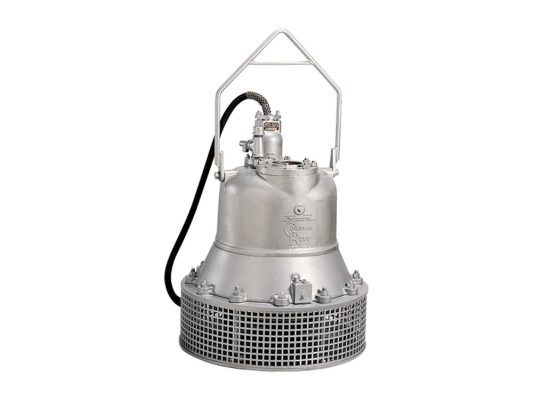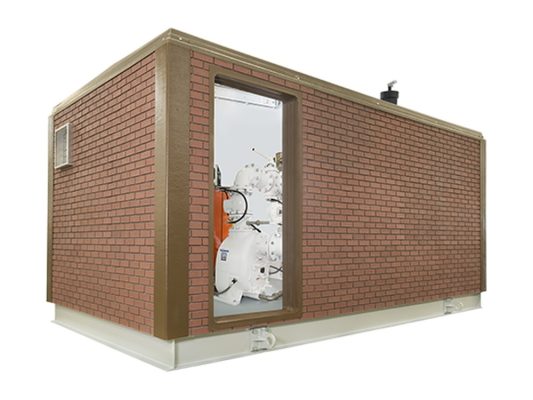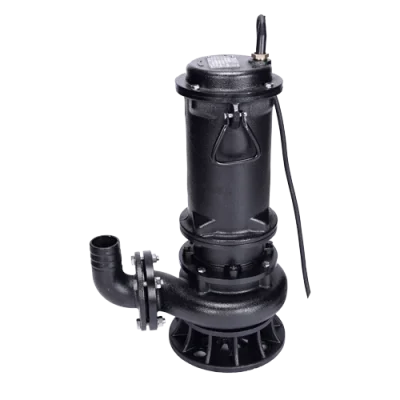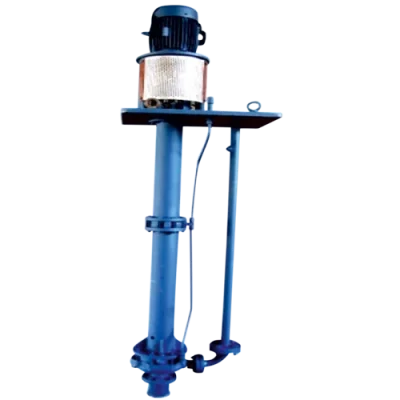




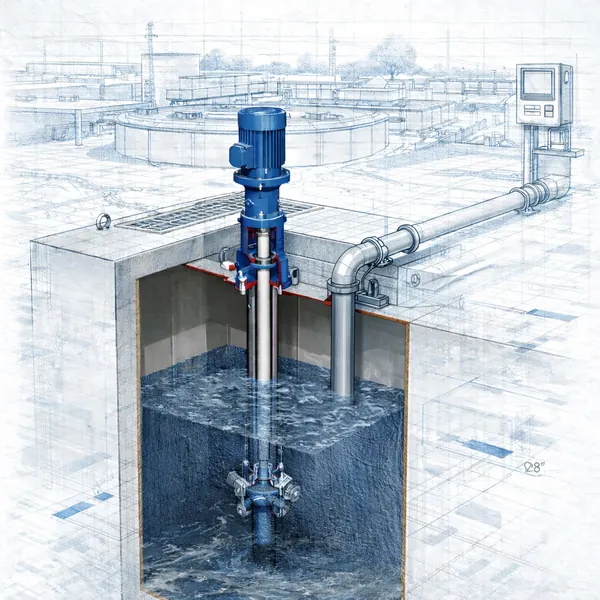
Select a submersible pump first by application: draining clean water, pumping wastewater with solid particles, or supplying water from a borehole — each group has a different impeller design and materials. See the overview on the submersible pump page.
Step 1 — Identify the Submersible Pump Group
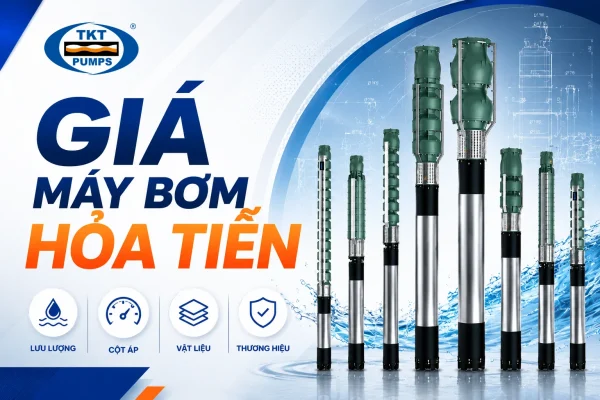
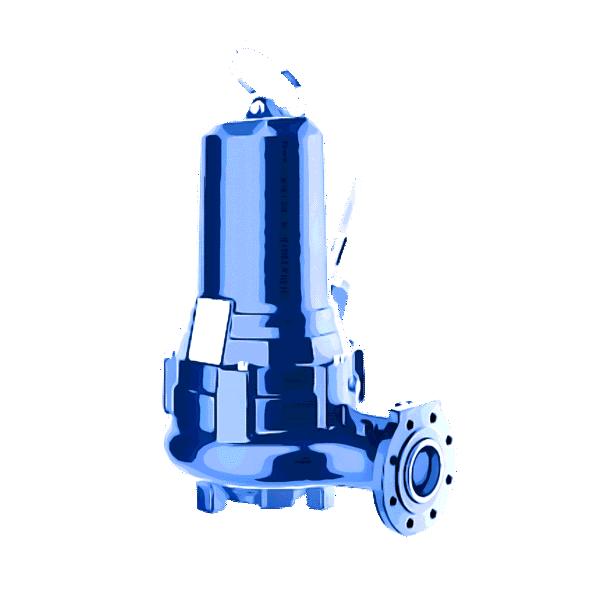
Clean water, foundation pits, basements → drainage submersible pump; wastewater with debris and solid particles → vortex impeller or cutter type; water supply from deep boreholes → multi-stage borehole submersible pump.
Step 2 — Flow Rate, Head & Setting Depth
Drainage requires high flow rate at low head; boreholes require high head (multi-stage). Calculate based on pump setting depth, water level, and required pressure at the surface.
Step 3 — Impeller Type by Fluid
Fluid with solid particles and debris → vortex impeller (allows solids to pass through) or cutter (shreds debris and fibers); clean water → standard impeller with high efficiency.
Step 4 — Materials & Protection
Cast iron for general water; stainless steel for corrosive fluids; wear-resistant lining for sand and silt. Install a float switch/overheat protection and ensure the pump is always sufficiently submerged.
For vortex/cutter wastewater submersible pumps, see the article wastewater submersible pump: vortex or cutter. Thái Khương Pumps is an authorized distributor of Caprari (Italy).
Three Submersible Pump Groups — Select by Fluid

Submersible pumps cover flow rates up to approximately 500 m³/h, with borehole models reaching heads of up to ~200 m. The motor is submerged so no priming is required — in return, the mechanical seal becomes a critical component: a leaking seal allows water into the motor.
| Group | Fluid | Key Selection Point |
|---|---|---|
| Drainage | Rainwater, groundwater, light solids | Low head – high flow rate; prevent dry-running |
| Sewage | Heavy solids, fibers, debris | Vortex/cutter impeller type by debris type; clearance to prevent clogging |
| Borehole | Clean water, high head | Well diameter (4″/6″…); water quality (sand content) determines service life |
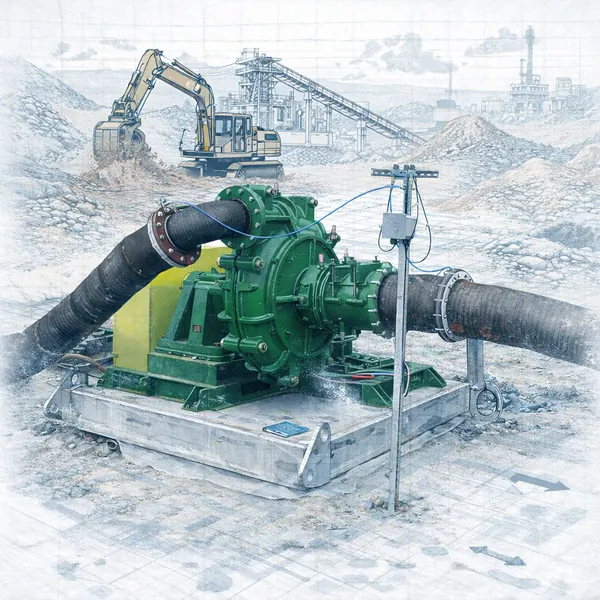
Highly abrasive environments with sand and silt (ports, mining, dredging) exceed the capability of standard submersible pumps — a dedicated slurry pump with wear-resistant impeller and lining is required in such cases.
Frequently Asked Questions
What parameters are used to select a wastewater submersible pump?
+
Flow rate, head, and wastewater characteristics: maximum solid size, presence of fibrous or wrapping debris, and abrasive sand content. The solid characteristics determine the impeller type — vortex, cutter, or open channel.
When to choose a vortex impeller and when to choose a cutter?
+
Vortex for wastewater with heavy solids and fibers, prioritizing clog resistance at the cost of lower efficiency. Cutter when discharging into small-diameter pressure pipes and shredding is required — cutter blades wear periodically in return.
What are common mistakes when selecting a submersible pump?
+
Selecting based on static head while ignoring losses in long pipelines, and overlooking dry-running — a submersible pump running with insufficient submersion will overheat and damage the mechanical seal rapidly.
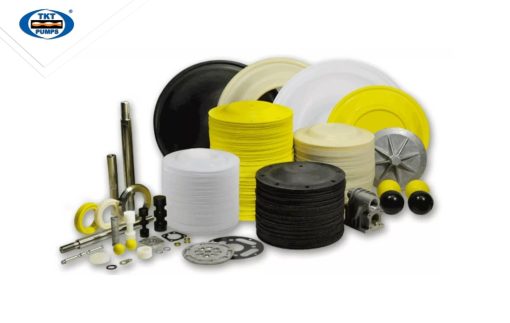
Spare parts for wastewater submersible pumps: see in-stock catalog by model.
Send your flow rate, head, and fluid details — Thái Khương Pumps engineers will recommend a model + configuration and provide a quotation with CO-CQ within 24 hours. Request a quotation →