



To select a booster pump system for a building or apartment complex, you need two numbers: head (estimated as number of floors × ~3.5 m + outlet pressure ~10–15 m + pipe losses) and flow rate (the combined demand of all simultaneously used water fixtures). With these two numbers you can narrow down the pump model and VFD configuration — small buildings typically use horizontal systems, while high-rise buildings use multi-stage vertical systems with VFDs.
- Head ≈ (number of floors × 3.5 m) + outlet pressure (10–15 m) + pipe losses
- Flow rate = total demand of simultaneously used fixtures, not the sum of all fixtures
- VFD systems maintain stable discharge pressure, saving more energy than on/off systems with pressure tanks
- Small buildings: Dooch 2DHF/2DHM horizontal system (up to 58 m³/h, 68 m)
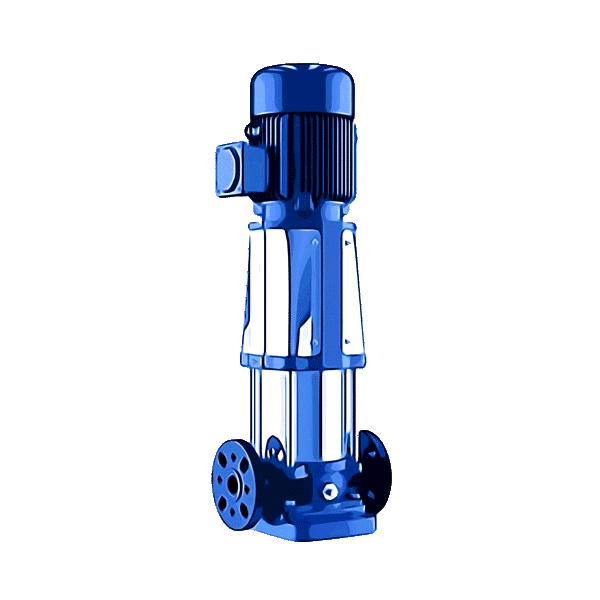
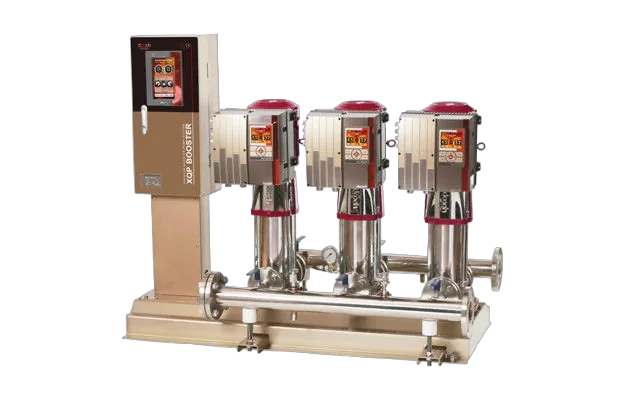
- High-rise buildings: Dooch IOP/XQP vertical system (up to 1,740 m³/h, 330 m), with excellent multi-master redundancy
Calculating the Required Head for a Building
What Components Make Up the Head
Head (measured in meters of water column, m) is the sum of three components. The first is static lift: water must rise to the highest fixture, estimated at approximately 3.5 m per floor. The second is residual pressure at the outlet so that showers and faucets operate with sufficient force, typically requiring an additional 10–15 m. The third is pipe friction losses from friction, fittings, and valves — this depends on pipe length and diameter, and a safety margin is usually added.
An approximate formula for initial estimation: Head ≈ (number of floors × 3.5 m) + (10–15 m outlet pressure) + pipe losses. For example, a 10-story building: 10 × 3.5 = 35 m, plus 12 m outlet pressure, plus estimated pipe losses of ~10–15 m, gives approximately 57–62 m of head. This is an indicative figure for selecting the pump range; the final design requires detailed hydraulic calculations based on actual drawings.
| No. of Floors | Static Lift (×3.5 m) | Outlet Pressure | Estimated Head (excl. pipe losses) |
|---|---|---|---|
| 5 floors | ~17.5 m | 10–15 m | ~28–33 m |
| 10 floors | ~35 m | 10–15 m | ~45–50 m |
| 15 floors | ~52.5 m | 10–15 m | ~63–68 m |
| 20 floors | ~70 m | 10–15 m | ~80–85 m |
For very tall buildings, pressure zoning is typically applied (dividing the system into multiple zones by height, each zone with its own pump system or intermediate tank) to prevent excessive pressure at lower floors that could damage pipework and fixtures.
Calculating Flow Rate Based on Usage Demand
Flow Rate Based on Simultaneously Used Fixtures
A common mistake is to add up all the fixtures in the building — this gives an oversized figure because not all taps are open at the same time. More accurately, the design flow rate is calculated based on the number of water-using fixtures operating simultaneously during peak hours, taking into account a simultaneity factor. The more apartments there are, the lower the relative proportion of fixtures in simultaneous use.
In practice, you estimate the peak flow rate (m³/h) of the building, then select a pump system so that this flow rate falls within the pump’s efficient operating range. A multi-pump system running in alternation or in parallel on demand is well suited here: at low demand, only one pump runs at reduced speed; at peak hours, the remaining pumps cut in one by one, maintaining stable pressure while avoiding overcapacity operation.
| Scale | Demand Characteristics | Recommended Configuration |
|---|---|---|
| Townhouses, villas, small buildings | Moderate flow rate and head, low fluctuation | 1 pump + VFD or 2-pump horizontal system |
| Apartment complexes, mid-size office buildings | Demand varies significantly by hour | 2–3 alternating VFD pumps |
| High-rise buildings, mixed-use complexes | High flow rate, high redundancy requirements | Multi-stage vertical system, multi-master, with standby pump |
Why Choose a VFD Booster Pump System
VFDs Maintain Stable Pressure and Save Energy
A VFD booster pump system adjusts pump speed to maintain stable discharge pressure that tracks actual demand. Compared to on/off mechanical switching with a pressure tank, this approach reduces pressure fluctuations when opening or closing taps, limits hydraulic shock, and saves energy because the pump only runs at the power actually needed rather than always running at full load before switching off.
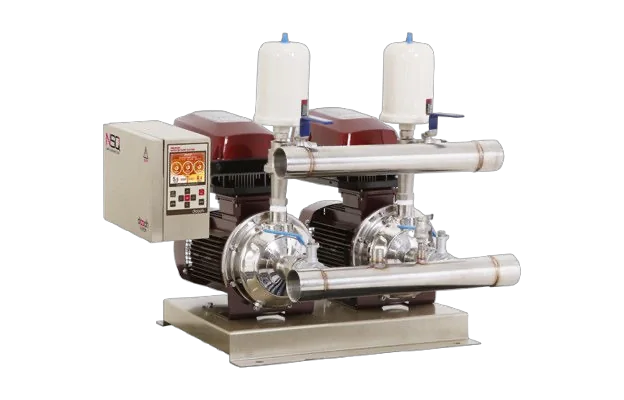
In multi-pump systems, the multi-master configuration provides each pump with its own dedicated VFD. When one VFD encounters a fault, the remaining pumps continue to operate independently — providing good redundancy, suitable for facilities requiring continuous water supply such as apartment buildings, hospitals, and hotels. Dooch equips these booster systems with NQ/NSQ/XQ Drive VFD series.
Choosing Between Horizontal and Vertical Systems
Project Scale Determines System Type
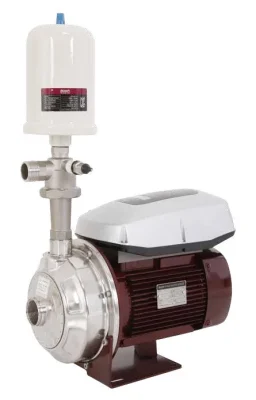
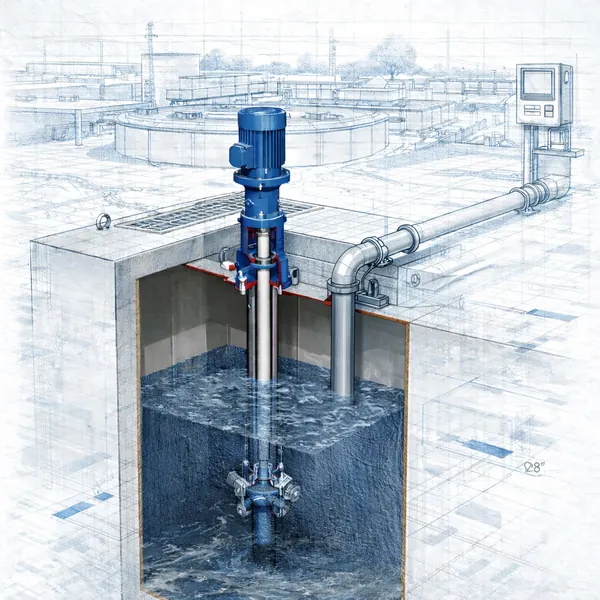
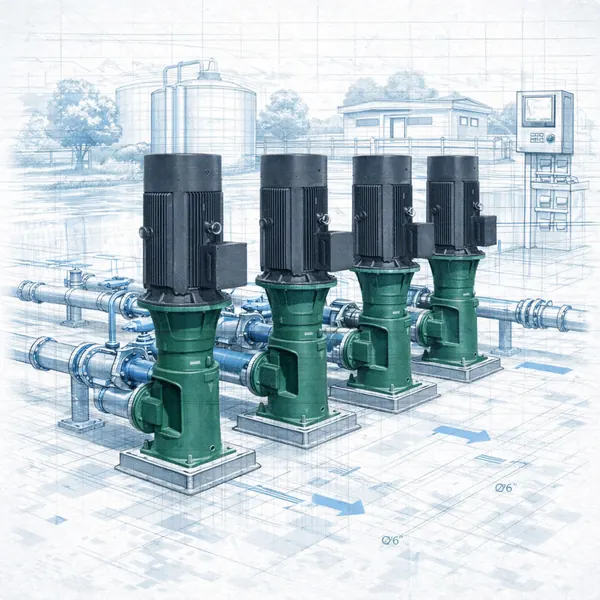
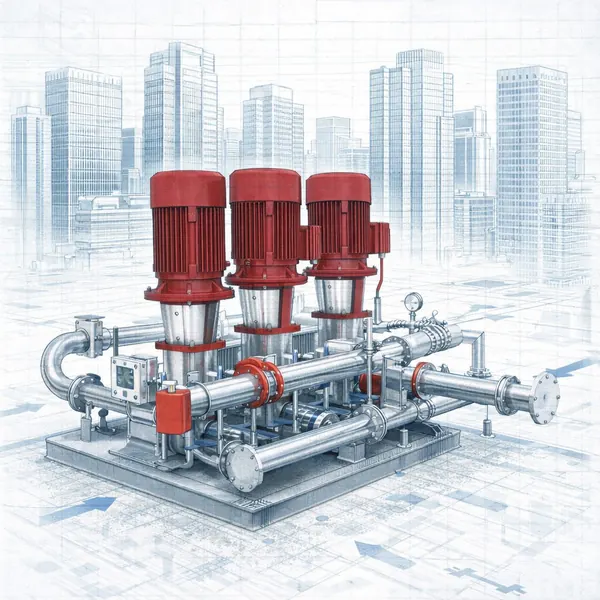
For small and mid-scale buildings, horizontal booster pump systems are usually sufficient and cost-effective. The Dooch 2DHF (multi-stage) and 2DHM (single-stage) series serve up to approximately 58 m³/h at up to 68 m of head — meeting the needs of many low-rise apartment buildings and small office towers. For high-rise buildings or mixed-use complexes requiring higher flow rates and head, multi-stage vertical booster pump systems (Dooch IOP/XQP/NSQP/NSQ/N747D) are more appropriate, reaching up to 1,740 m³/h and head up to 330 m, with multi-master VFD for high redundancy.
| Criterion | Horizontal System (2DHF/2DHM) | Vertical System (IOP/XQP…) |
|---|---|---|
| Flow Rate Range | Up to ~58 m³/h | Up to ~1,740 m³/h |
| Head | Up to ~68 m | Up to ~330 m |
| Suitable For | Small buildings, low-rise apartment complexes | High-rise buildings, mixed-use complexes |
| Installation Footprint | Compact, horizontal mounting | Small floor area, vertically mounted pump |
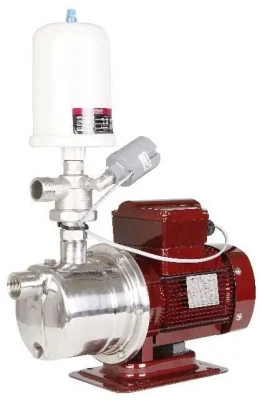
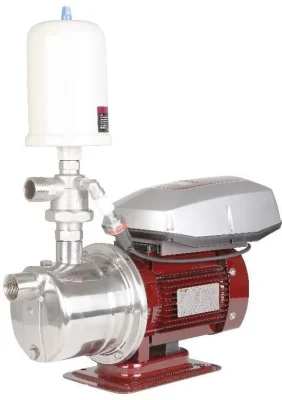
For small buildings or households that only need a single booster pump, the Dooch NSQ/SQ2-DHF/DHM or DHJ/DHJA (self-priming) series can be used, with power ratings of 0.37–5.5 kW, paired with a VFD or pressure switch. Figures outside the ranges stated above should be confirmed per specific model and operating conditions.
DOOCH · SOUTH KOREA Dooch Booster Pump System Solutions
Dooch (South Korea) provides a wide range of booster pump systems and pumps for water supply projects: from single booster pumps for households, 2DHF/2DHM horizontal systems for small buildings, to multi-stage vertical IOP/XQP/NSQP systems with multi-master VFD for high-rise buildings. Cast iron or stainless steel materials depending on application, with integrated NQ/NSQ/XQ Drive VFDs that maintain stable pressure. TKT Pumps is the authorized distributor of Dooch in Vietnam, with 19+ years of experience, 12k+ projects, 28+ brands and a stock of 5k+ spare parts, providing technical consultation and 24/7 warranty support.
Frequently Asked Questions
How do you calculate the head for a building booster pump system?
+
Head is estimated approximately by multiplying the number of floors by around 3.5 m, adding residual outlet pressure of 10–15 m, then adding pipe losses. For example, a 10-story building requires approximately 57–62 m of head. This is an indicative figure for selecting the pump range; the final design requires detailed hydraulic calculations based on actual drawings.
How is the flow rate for an apartment booster system calculated?
+
Flow rate is calculated based on the number of water-using fixtures operating simultaneously during peak hours, taking into account a simultaneity factor, not by summing all fixtures. The more apartments there are, the lower the relative proportion of fixtures in simultaneous use. Once the peak flow rate is determined, select a pump system so that this figure falls within the pump’s efficient operating range.
When should a horizontal system be chosen, and when a vertical system?
+
Small and mid-scale buildings typically use horizontal systems such as the Dooch 2DHF/2DHM (up to 58 m³/h, 68 m) because they are compact and cost-effective. High-rise buildings or mixed-use complexes requiring high flow rates and head should use multi-stage vertical systems such as the Dooch IOP/XQP (up to 1,740 m³/h, 330 m).
Does a VFD booster pump system save more energy?
+
Yes. The VFD adjusts pump speed to maintain stable discharge pressure on demand, so the pump only runs at the power actually required rather than always running at full load before switching off as with on/off pressure tank systems. This also reduces pressure fluctuations and limits hydraulic shock.
What does multi-master mean and what are its benefits?
+
Multi-master is a configuration where each pump in the system has its own dedicated VFD. When one VFD encounters a fault, the remaining pumps continue to operate independently, providing high redundancy — suitable for facilities requiring continuous water supply such as apartment buildings, hospitals, and hotels.
Do very tall buildings require pressure zoning?
+
Yes. For very tall buildings, the system is typically divided into multiple zones by height, each zone with its own pump system or intermediate tank, to prevent excessive pressure at lower floors that could damage pipework and fixtures.
Need technical consultation on sizing and selecting a booster pump system for your project? TKT’s engineering team is available to calculate head, flow rate, and recommend the right Dooch pump configuration.
Submit a Consultation Request or call hotline 0941.400.488
Source: Dooch (South Korea) technical documentation and TKT catalog. Compiled by TKT.