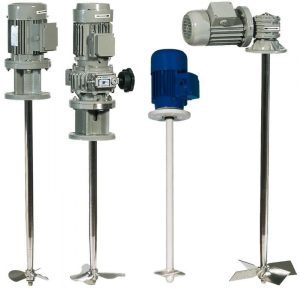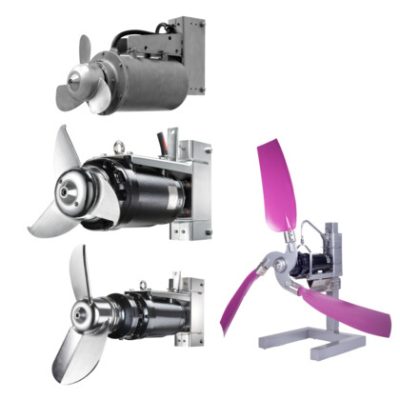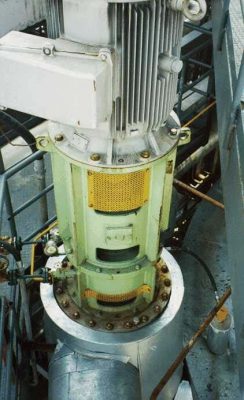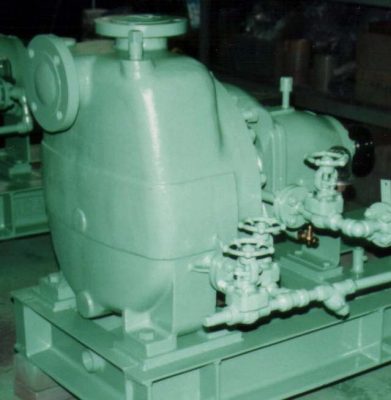
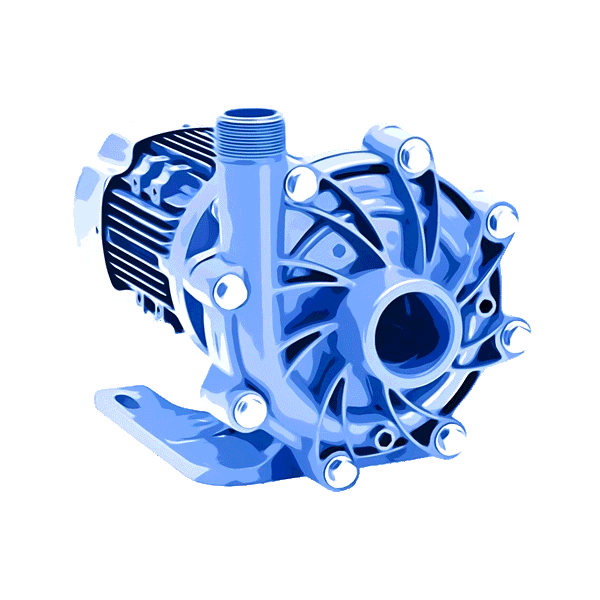
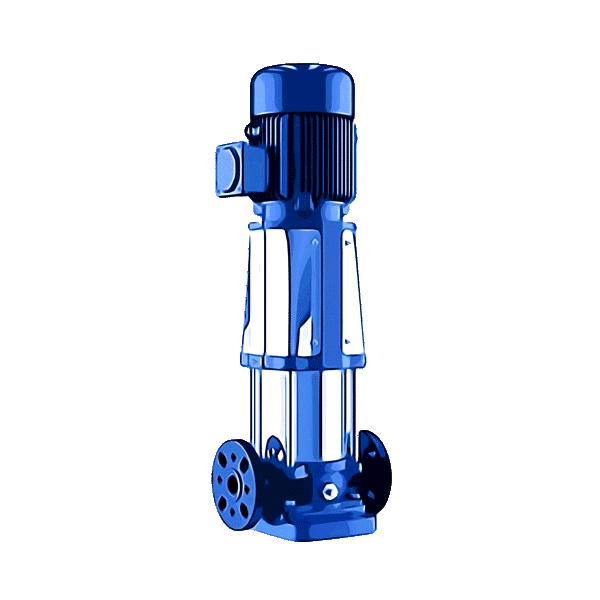


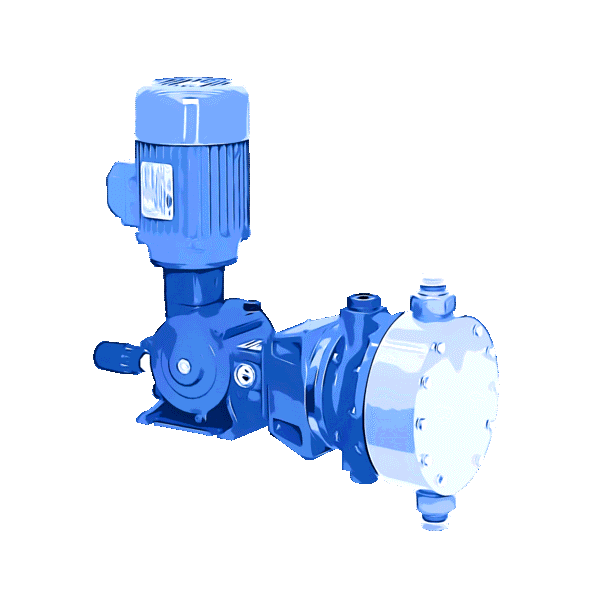


In biological wastewater treatment tanks, aerators supply oxygen to the microorganisms that break down organic matter, while submersible mixers keep sludge in suspension and create circulation flow to prevent settling. The Caprari (Italy) Mixing & Aeration range includes the ARS aerator (oxygen transfer up to 87 kg/h O₂), the CMB flow booster, and the MC4/MAC6/MAC8 submersible motors — installed submerged inside the tank, operating continuously, suitable for municipal and industrial wastewater treatment plants.
- Aerator = supplies oxygen to feed aerobic microorganisms; mixer = keeps sludge suspended, prevents settling
- Caprari ARS aerates up to 87 kg/h O₂; CMB flow booster; MC4/MAC6/MAC8 submersible motors
- Installed submerged in the tank, continuous operation, cooled by the surrounding fluid
- Select based on oxygen demand (kg O₂/h), tank volume and wastewater characteristics
- Combining aeration + mixing ensures uniform aerobic conditions and no dead zones in the tank
Role of Aeration and Mixing in Wastewater Treatment
Why aerobic tanks need both aeration and agitation
Aerobic biological treatment (activated sludge) relies on microorganisms that require dissolved oxygen to break down organic matter in wastewater. When dissolved oxygen (DO) concentration drops, treatment efficiency decreases and sludge is prone to turning septic. The tank therefore always requires two parallel functions: oxygen supply and agitation.
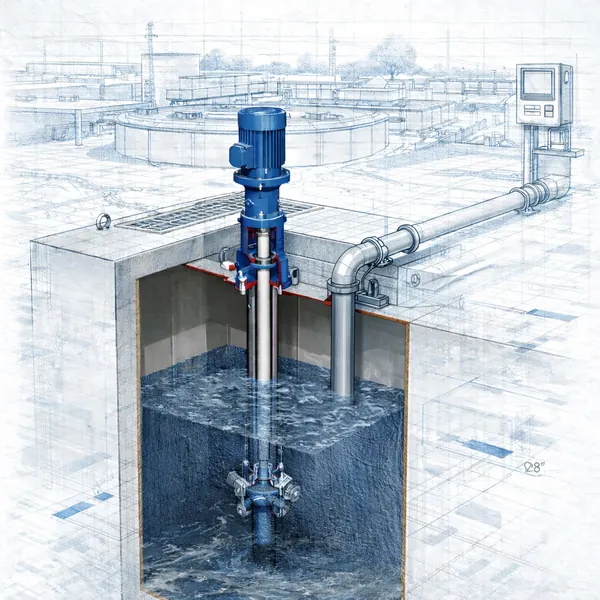
Aerators introduce air (or oxygen) into the water, generating fine bubbles that allow oxygen to diffuse into the liquid phase. Meanwhile, submersible mixers create horizontal flow that keeps sludge flocs evenly suspended throughout the tank, preventing bottom settling that would create anaerobic zones. This combination maintains a uniform aerobic environment and limits dead zones in the tank.
| Function | Objective | Relevant Caprari Equipment |
|---|---|---|
| Aeration (oxygen supply) | Raise DO concentration to feed microorganisms | ARS Aerator |
| Flow boosting / circulation | Create flow, prevent sludge settling | CMB Flow Booster |
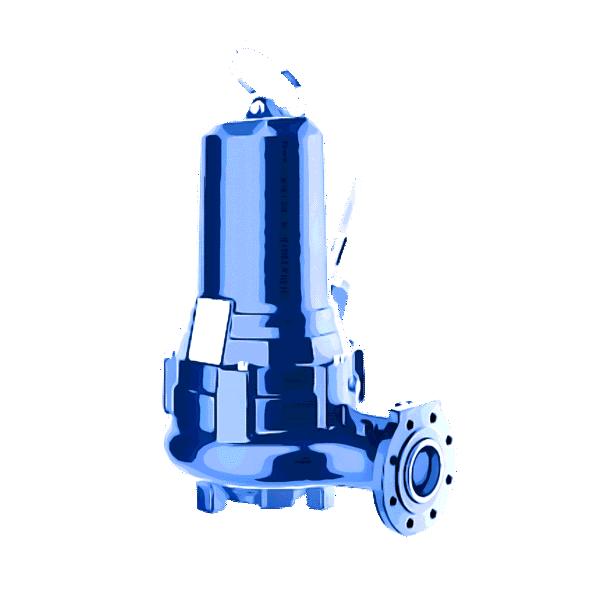
| Submersible drive | Operate fully submerged in the tank | MC4/MAC6/MAC8 Submersible Motors |
Caprari ARS Aerator
Supplying oxygen to the tank with a submersible aerator
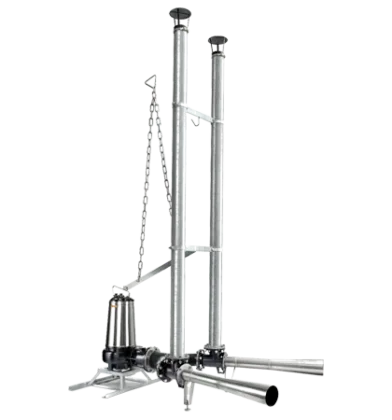
The Caprari ARS aerator is a submersible aeration unit that draws in air and disperses it into the water as a jet of air–water mixture, generating fine bubbles to increase the contact area and oxygen transfer efficiency. The oxygen transfer capacity of the ARS range reaches up to 87 kg/h O₂ depending on the model and operating conditions.
The advantage of submersible aeration is that no external air distribution pipework or air blower outside the tank is required: the unit is placed directly in the water, simultaneously supplying oxygen and creating local mixing flow. Because it is submerged, the motor is cooled by the surrounding fluid, reducing noise compared with surface-mounted equipment.
| Parameter | ARS Aerator |
|---|---|
| Type | Submersible aerator |
| Oxygen transfer capacity | Up to 87 kg/h O₂ (model-dependent) |
| Installation position | Submerged inside the tank |
| Cooling | By surrounding fluid |
Note: actual oxygen transfer rate depends on the model, installation depth, temperature and wastewater characteristics; the oxygen demand (kg O₂/h) must be calculated from the tank’s organic load before selecting the configuration.
CMB Flow Booster and Submersible Motors
Creating circulation flow and preventing sludge settling
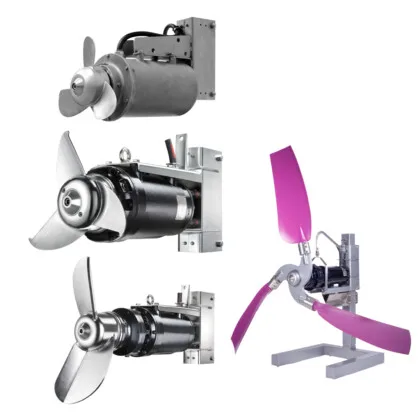
Alongside aeration, the Caprari CMB flow booster generates horizontal thrust flow inside the tank, maintaining sufficient velocity to keep sludge flocs from settling to the bottom. This is an important factor in activated sludge tanks, oxidation ditches, and equalization basins, where continuous mixing is required without necessarily adding more oxygen.
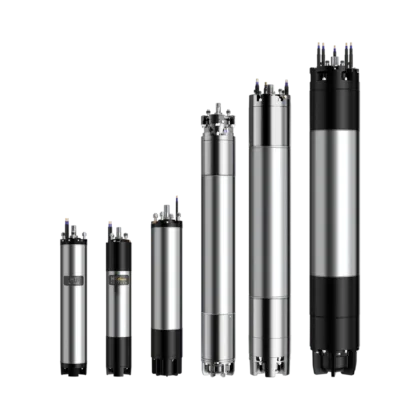
The drive for submersible mixing and aeration units uses the MC4/MAC6/MAC8 submersible motor range — differing in diameter and power to suit the mixing load and tank dimensions. Integrating the submersible motor with the impeller assembly allows the entire unit to operate fully submerged, keeping the installation compact and easy to position within a treatment plant.
| Equipment | Primary Function |
|---|---|
| CMB Flow Booster | Generate horizontal flow, prevent sludge settling |
| MC4 Submersible Motor | Drive small mixing/aeration assemblies |
| MAC6/MAC8 Submersible Motors | Drive higher mixing loads |
How to Select the Aeration and Mixing Configuration
Four factors to determine before selecting equipment
Selecting the right aerator and submersible mixer depends on the characteristics of the tank and the wastewater. Four main groups of parameters need to be established from the outset:
| Factor | Significance for Equipment Selection |
|---|---|
| Oxygen demand (kg O₂/h) | Determines the required ARS aeration capacity |
| Tank volume & geometry | Determines number of mixing points and CMB flow booster capacity |
| Wastewater characteristics | Material selection (cast iron/stainless steel) based on corrosivity and solids loading |
| Operating mode | Continuous or DO-cycled operation, affecting power consumption |
In practice, an aerobic tank typically combines both aeration equipment and mixing/flow-boosting equipment to simultaneously maintain dissolved oxygen concentration and keep sludge evenly suspended. Specific power ratings and equipment quantities should be calculated based on the actual organic load of each individual plant.
CAPRARI · ITALY Submersible Aeration and Mixing Solutions for Wastewater Treatment
Caprari (Italy) is a manufacturer of centrifugal pumps for water supply, agriculture, and municipal and industrial wastewater treatment. The Mixing & Aeration range includes the ARS aerator (up to 87 kg/h O₂), the CMB flow booster, and the MC4/MAC6/MAC8 submersible motors, designed for submerged installation inside the tank, continuous operation, and fluid-cooled running. Cast iron or stainless steel construction is selected according to wastewater characteristics. TKT Pumps is the Caprari distributor in Vietnam, advising on configuration selection based on oxygen demand and tank-specific requirements with 19+ years of experience and over 12,000 projects.
Frequently Asked Questions
What is the difference between an aerator and a submersible mixer?
+
An aerator (such as the ARS) transfers oxygen into the water to feed aerobic microorganisms, measured in kg O₂/h. A submersible mixer and flow booster (such as the CMB) create flow to keep sludge in suspension and prevent settling. An aerobic tank typically uses both functions to ensure adequate oxygen levels and uniform mixing.
How much oxygen can the Caprari ARS aerator transfer?
+
The Caprari ARS aerator range can transfer up to 87 kg/h O₂ depending on the model and operating conditions. The actual oxygen transfer rate depends on the model, installation depth, temperature, and wastewater characteristics, and should be calculated from the tank’s organic load.
Why use a submersible aerator instead of an external air blower?
+
A submersible aerator is placed directly inside the tank, simultaneously supplying oxygen and creating local mixing flow without requiring external air distribution pipework. The motor is cooled by the surrounding fluid and is generally quieter than surface-mounted equipment. The specific choice depends on the design requirements of each plant.
What are the MC4/MAC6/MAC8 submersible motors used for?
+
These are Caprari submersible motors that drive mixing and aeration assemblies installed submerged inside the tank. The MC4, MAC6, and MAC8 sizes differ in diameter and power to suit the mixing load and tank dimensions.
Cast iron or stainless steel for equipment in a wastewater tank?
+
The choice between cast iron and stainless steel depends on the corrosivity and characteristics of the wastewater. Highly corrosive wastewater or environments with significant chemical content typically call for stainless steel; less corrosive environments may use cast iron. TKT advises on material selection based on the specific fluid in each tank.
How do I determine the quantity and capacity of equipment for a tank?
+
The oxygen demand (kg O₂/h) must be established from the organic load, along with tank volume and geometry, wastewater characteristics, and operating mode. From these parameters, the required aeration capacity, number of mixing points, and flow booster capacity can be calculated. TKT provides calculation support based on actual plant data.
Source: Caprari (Italy) technical documentation on the aerator, submersible mixer and submersible motor range; compiled by TKT.