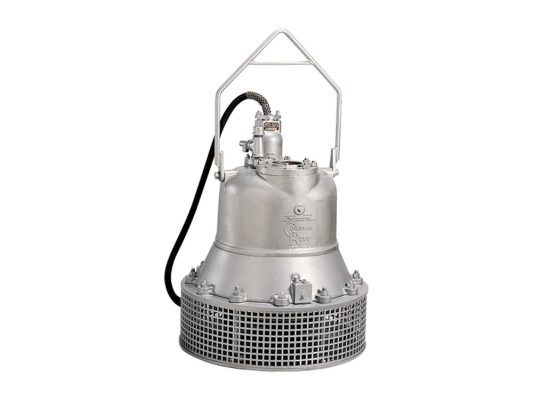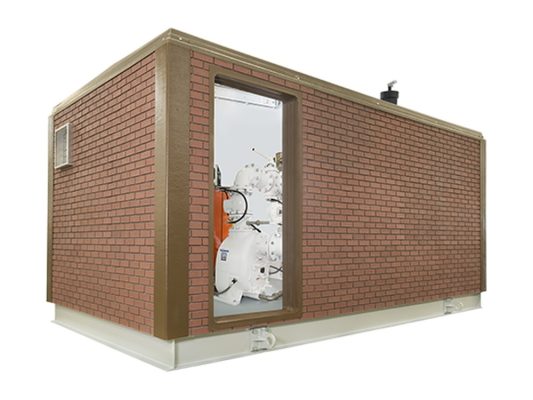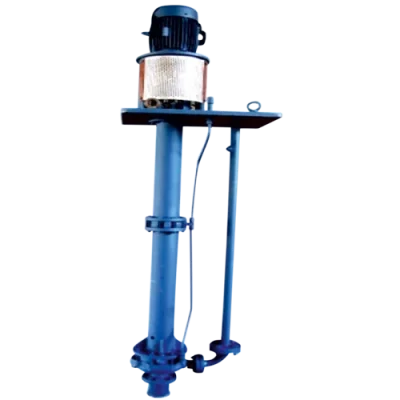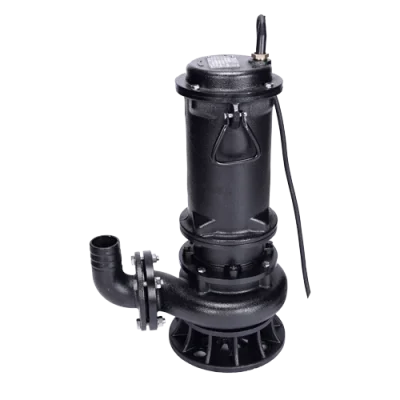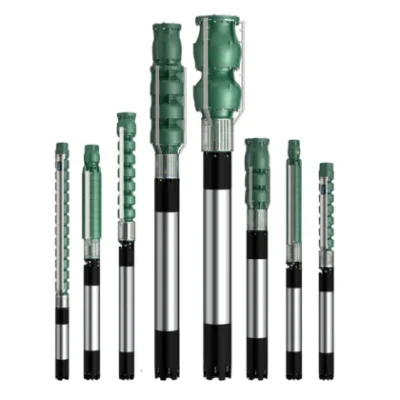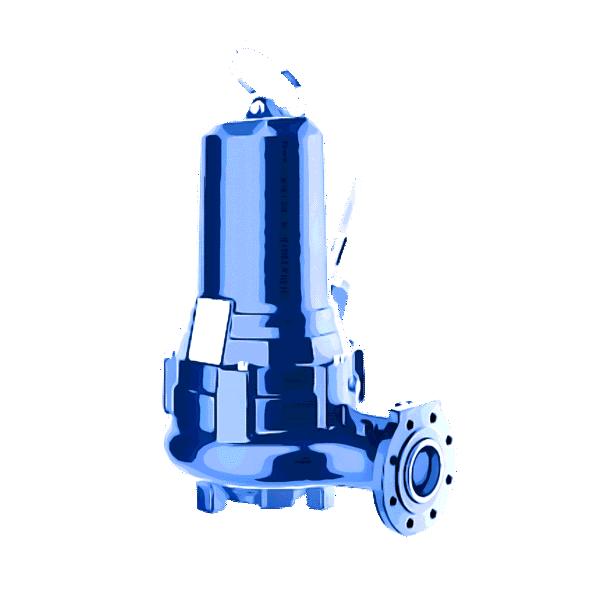




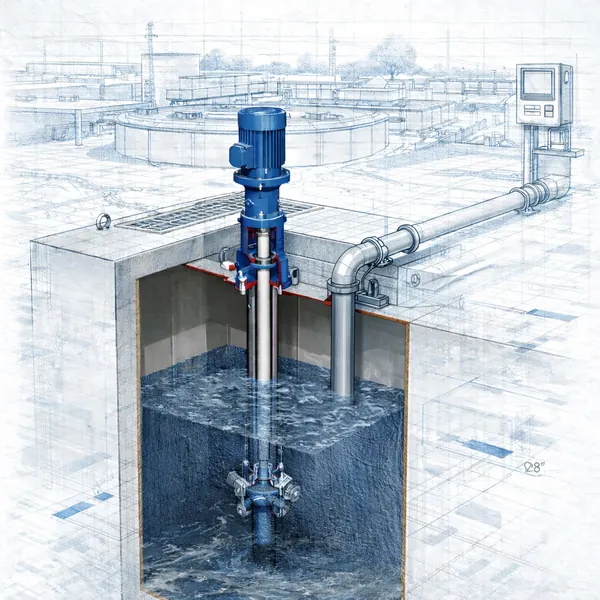
Proper maintenance of submersible wastewater pumps helps prevent impeller clogging, reduce seal failure, and extend pump service life: periodically clean the impeller and inlet screen, inspect the dual mechanical seal and seal chamber oil, and monitor impeller/casing wear along with the water leakage sensor. For wastewater with high fibrous content and hard debris, prioritize anti-clog vortex or channel impellers such as the Caprari K+ series to minimize clogging by design.
- Impeller clogging and fiber wrapping are common failure causes in submersible wastewater pumps
- Vortex/channel impellers reduce clogging; inlet screens block oversized solids
- Dual mechanical seal + oil chamber is the motor protection barrier — inspect oil regularly
- Water leakage sensor gives early warning of water ingress into the motor before burnout
- Schedule maintenance based on operating hours and wastewater contamination level
Why Do Submersible Wastewater Pumps Clog?
Why Do Submersible Wastewater Pumps Clog?
Municipal and industrial wastewater contains many clog-prone components: rags, wet wipes, plastic bags, hair, long fibrous material, along with sand and solid debris. As they pass through the impeller, long fibers tend to wrap around the impeller vanes, accumulate gradually, and choke the flow. The result is reduced flow rate, increased motor current draw, pump overheating, and possible overload trips.
The solution lies in the impeller design itself. The vortex impeller (free-vortex) generates a swirling flow that pushes solids through with minimal direct contact with the vanes, suitable for wastewater with heavy debris and fibrous content. The channel impeller (single or multi-channel) offers higher efficiency with larger-sized solids. The Caprari K+ series uses anti-clog impellers from both families, combined with generous clearances to handle solids and long fibers in the DN 65-350 range.
| Impeller Type | Characteristics | Suitable For |
|---|---|---|
| Vortex | Swirling flow pushes solids through, minimal vane contact | Wastewater with high fiber content, soft debris, sludge |
| Channel | Higher efficiency, passageway for large solids | Hard solids, large-sized particles |
What Should a Periodic Maintenance Schedule Include?
What Should a Periodic Maintenance Schedule Include?
A sound maintenance schedule is based on operating hours and the contamination level of the water. Heavily loaded pump stations with high debris levels require more frequent inspection than relatively clean stormwater drainage stations. The general principle is to divide into monthly quick-check intervals and in-depth quarterly servicing or servicing based on the operating hours recommended by the manufacturer.
| Interval | Inspection Items |
|---|---|
| Monthly | Monitor current draw, vibration, noise; clean inlet screen; check wet well water level |
| Quarterly | Inspect seal chamber oil, water leakage sensor, impeller and casing wear level |
| Based on Operating Hours | Open pump and clean impeller; replace seal chamber oil; assess dual mechanical seal; re-torque cable connections |
Logging each inspection (current draw, estimated flow rate, oil quantity, seal condition) helps identify deteriorating trends early. When current draw gradually increases under the same operating conditions, this is typically a sign that the impeller is beginning to clog or that the bearings are wearing.
Proper Cleaning of Pump Impeller and Inlet Screen
Proper Cleaning of Pump Impeller and Inlet Screen
Before any work, always cut power and apply lockout/tagout (LOTO), lift the pump out of the wet well, and allow it to drain. Follow biosafety protocols as wastewater may contain pathogenic bacteria: use gloves, goggles, boots, and wash thoroughly afterward.
The basic impeller cleaning procedure includes the following steps:
- Remove the suction casing (pump bottom) to expose the impeller.
- Remove fibers wrapped around the impeller vanes and shaft; scrape off deposits inside the passageways.
- Check the clearance between impeller and casing; excessive clearance reduces flow rate and must be addressed.
- Clean the inlet screen and wet well grating to prevent oversized solids from entering the pump.
The inlet screen is the first line of defense: it retains oversized solids before they reach the impeller. Regular screen cleaning significantly reduces clogging frequency and protects the impeller from impact damage.
Dual Mechanical Seal, Seal Chamber Oil, and Water Leakage Sensor
Dual Mechanical Seal, Seal Chamber Oil, and Water Leakage Sensor
The component that determines the service life of a submersible wastewater pump is the sealing system. The dual mechanical seal consists of two seals in series, preventing wastewater from penetrating the motor. Between the two seals is the oil chamber — which simultaneously lubricates, cools, and serves as an indicator of seal condition.
When inspecting seal chamber oil, pay attention to:
- Oil clear, correct color: seal is in good condition.
- Milky/cloudy oil: water has entered through the outer seal; monitor closely and plan for seal replacement.
- Oil mixed with metal particles or black: severe seal wear, should be replaced promptly.
The water leakage sensor placed inside the motor compartment will trigger an alarm when water enters, enabling the pump to be stopped before the motor windings burn out. Combine with winding thermal sensors for dual protection. In operation, preventing dry running with wet well level sensors is also important, as dry running causes the seal to overheat and fail quickly.
| Signal | Possible Cause | Action |
|---|---|---|
| Milky/cloudy oil | Outer seal leaking | Monitor, prepare for seal replacement |
| Water leakage sensor alarm | Water entering motor compartment | Stop pump, inspect seal and cable gland |
| Increased current, reduced flow rate | Impeller clogged or worn | Clean impeller, check clearance |
Impeller and Casing Wear and How to Extend Service Life
Impeller and Casing Wear and How to Extend Service Life
Sand and abrasive particles in wastewater gradually erode the impeller and pump casing, widening clearances and reducing efficiency. During inspection, measure wear on impeller vane edges, casing bottom, and wear rings; if clearance exceeds manufacturer recommendations, restore or replace. Selecting the appropriate material for the fluid — cast iron for general wastewater, stainless steel for corrosive environments — helps reduce wear rate.
To extend service life, combine multiple measures: select the correct anti-clog impeller type for the wastewater characteristics, install appropriate inlet screens and gratings, fit level sensors to prevent dry running, and adhere to oil change and seal inspection schedules. Proper wet well design (avoiding sludge accumulation in corners, adequate volume to prevent excessive start/stop cycling) also reduces mechanical and electrical wear.
CAPRARI · ITALY K+ Submersible Wastewater Pump Series
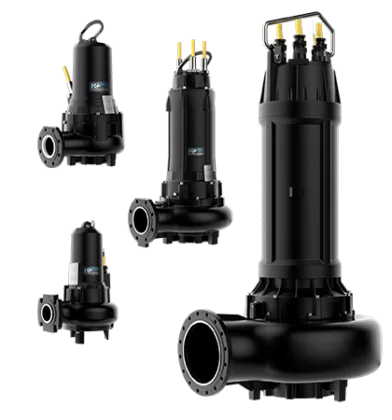
Caprari (Italy) is a centrifugal pump manufacturer for water supply, agriculture, and municipal applications. The K+/KT+/D series are municipal and industrial submersible wastewater pumps, in the DN 65-350 range, using anti-clog vortex/channel impellers to handle solids and long fibers. Dual mechanical seal configuration with oil chamber and optional monitoring sensors supports proactive maintenance and stable operation. Cast iron or stainless steel materials are selected according to the fluid characteristics.
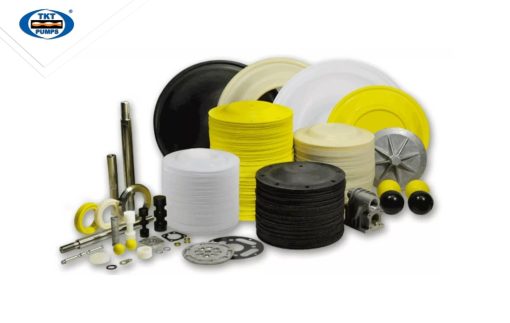
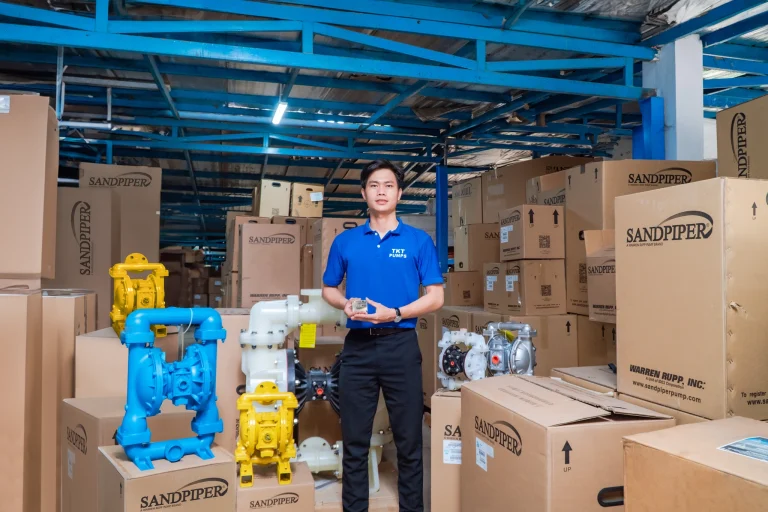
TKT Pumps is the Caprari distributor in Vietnam, with 19+ years of experience, 12k+ projects, and a 5k+ spare parts inventory, providing 24/7 technical support — pump selection consulting, genuine spare parts supply, and maintenance services.
Frequently Asked Questions
How often should the impeller of a submersible wastewater pump be cleaned?
+
It depends on the amount of debris and fiber in the wastewater and the number of operating hours. Heavily loaded stations with lots of rags and fibrous material should inspect the impeller more frequently; stations with relatively clean water can extend the interval. When current draw gradually increases and flow rate decreases under the same conditions, that is a sign the pump should be opened and the impeller cleaned immediately.
What does milky/cloudy seal chamber oil indicate?
+
Milky/cloudy oil indicates that water has entered the oil chamber through the outer seal. The inner seal is still protecting the motor, but close monitoring is needed and early replacement of the dual mechanical seal should be planned to prevent water from continuing to penetrate to the motor windings.
What does the water leakage sensor in a submersible pump do?
+
The water leakage sensor placed inside the motor compartment triggers an alarm when water enters, enabling the pump to be stopped before the motor windings burn out. Combined with winding thermal sensors, this protection system helps detect sealing failures at an early stage.
What is the difference between a vortex impeller and a channel impeller?
+
The vortex impeller creates a swirling flow that pushes solids through with minimal direct contact, suitable for wastewater with high fibrous content and soft debris. The channel impeller has a passageway that provides higher efficiency and handles large solids. The Caprari K+ series uses anti-clog impellers from both families depending on the application.
How do you prevent a submersible wastewater pump from running dry?
+
Install level sensors in the wet well to stop the pump when the water drops below the minimum level. Dry running causes the seal to overheat and fail quickly, and leaves the bearings and impeller without a cooling fluid. Designing the wet well with adequate volume also helps prevent excessive start/stop cycling.
When should the impeller or pump casing be replaced rather than just cleaned?
+
When measured clearance between the impeller and casing exceeds the manufacturer’s recommendation, or when the impeller vane edges and wear rings are deeply worn causing flow rate reduction despite cleaning, restoration or replacement is recommended. Selecting the appropriate material for the fluid (cast iron or stainless steel depending on conditions) helps reduce wear rate going forward.
Need consulting on selecting a Caprari submersible wastewater pump or maintenance services and genuine spare parts? The TKT Pumps technical team supports site surveys and recommends suitable solutions.
Submit a Consultation Request or hotline 0941.400.488
Source: Caprari technical documentation (caprari.com) and wastewater pump station operational experience; compiled by TKT.